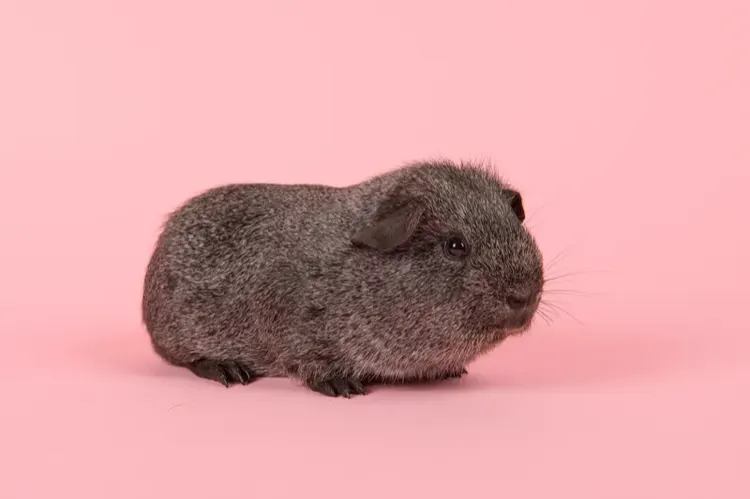

An all-black guinea pig has a glossy coat that really stands apart from the usual multicolored piggies. But is “black” its own breed?
Not quite.
Black guinea pigs are a color variation, not a separate breed. Their dark coat comes from a genetic mutation that causes excess melanin production.
You can find black coloring in both short-haired breeds like the American and long-haired breeds like the Silkie.
If you’re thinking about getting one, they have the same care needs as any other guinea pig. The coat color doesn’t change their personality or health requirements.
Below is what to know about their traits, breeding, and picking the right name for your dark-furred piggy.
What is a Black Guinea Pig?
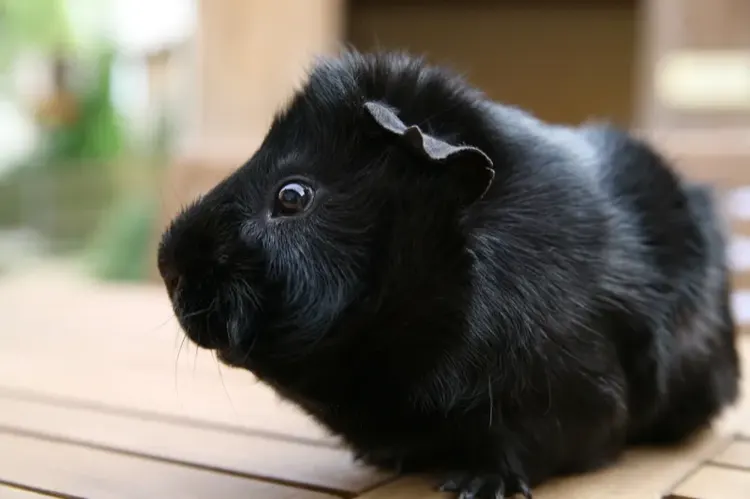
The black guinea pig is a popular color variety of pet guinea pig. As the name suggests, they have black fur.
They’re very social animals that enjoy being around people.
They’re playful and active, relatively easy to care for, and make great pets for children and adults alike.
If you’re thinking about getting a black guinea pig, do your research to make sure this is the right type of guinea pig for you.
Why is a Black Guinea Pig Black?
Black guinea pigs are the result of a genetic mutation that causes the body to produce an excess of melanin. This pigment is what gives guinea pigs their distinctive coloring.
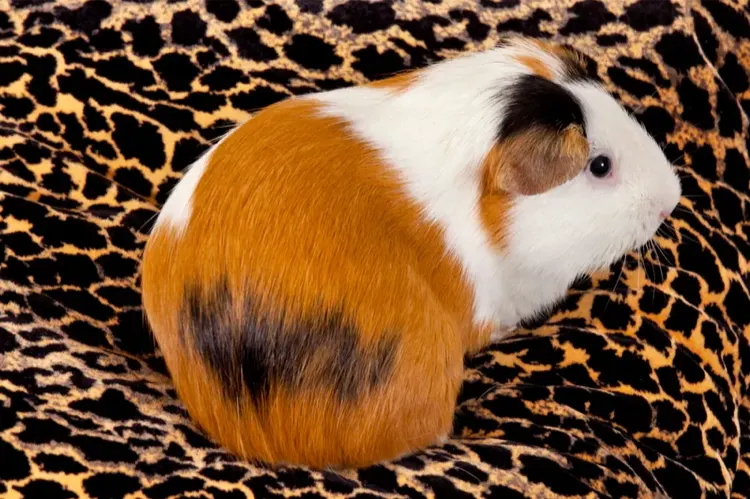
In addition to black, guinea pigs can also be brown, white, or even red. The agouti pattern is another common coloring that features banded hair shafts.
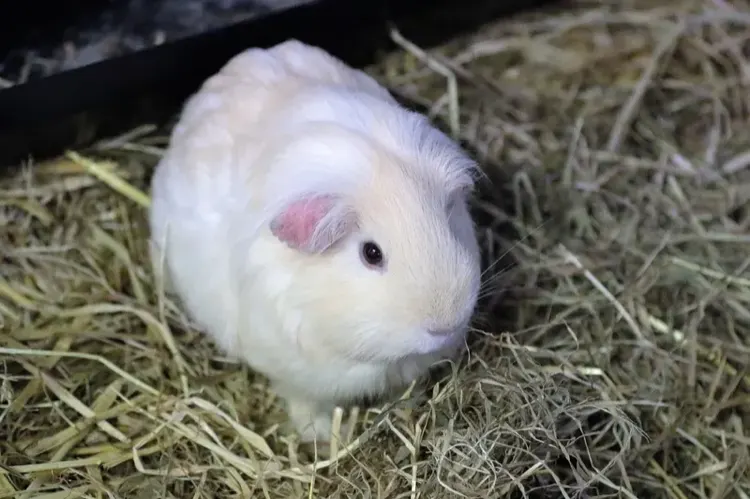
At the opposite end of that scale, a broken pigment gene produces a coat that is pure white with pink eyes. No melanin forms at all, so nothing colors the fur, skin, or iris.
The color of a guinea pig’s coat is determined by the genetics of both parents. If both parents carry the gene for black fur, then their offspring are likely to be black as well.
How And When Did The First Black Guinea Pigs Originate?
The history goes back centuries. Black guinea pigs originated in South America and arrived in Europe with Spanish explorers in the 16th century.
By the 18th century, they were popular pets in England and subjects in medical research.
Breeders mixed black guinea pigs with other colors to create new variations. The Guinea Pig Club, formed in England in the 1920s, promoted breeding for various coat colors and patterns.
Are Black Guinea Pigs a Separate Breed?
Visually striking, sure. But a separate breed?
No.
All black guinea pigs belong to the species Cavia porcellus. Within this species, there are many different breeds such as the American, Peruvian, Teddy, and Silkie.
Black guinea pigs are simply a color variation. They share all the same characteristics as their non-black counterparts, including their friendly dispositions and love of toys and cuddles.
The only difference is their fur color.
The Traits of Black Guinea Pigs
One of the most striking things about black guinea pigs is their glossy black fur. This unique fur is soft and thick, making them very cuddly and loveable animals.
Black guinea pigs can be both long-haired and short-haired. The long-haired variety is called a Silkie, and they have very soft, silky fur that needs to be brushed regularly.
The short-haired variety doesn’t need to be brushed as often, but their fur can still benefit from the occasional grooming.
They also have long, pointy ears. They’re relatively small animals, typically weighing between 1-2 pounds.
Male guinea pigs are usually larger than females.
Black guinea pigs have a life span of 5-7 years, although some have been known to live up to 10 years with proper care.
Like all guinea pigs, they’re social creatures that enjoy being around people and other animals. They’re very active and playful and love to explore their surroundings.
Breeding Black Guinea Pigs
You’ll need two black guinea pigs of opposite genders to start breeding. The first step is to provide them with a clean and spacious cage.
It should be large enough for them to move around freely and have plenty of room for their future offspring.
Next, you’ll need to introduce the pigs to each other. Start by letting them see and smell each other through the bars of the cage.
Once they seem curious but not afraid, you can place them in the cage together.
After they’ve had a chance to get to know each other, you can begin the breeding process. The female will go into heat every 14-21 days, so keep an eye out for this sign.
When she’s ready, she’ll allow the male to mount her and mate. After about 63 days, she’ll give birth to 1-12 offspring.
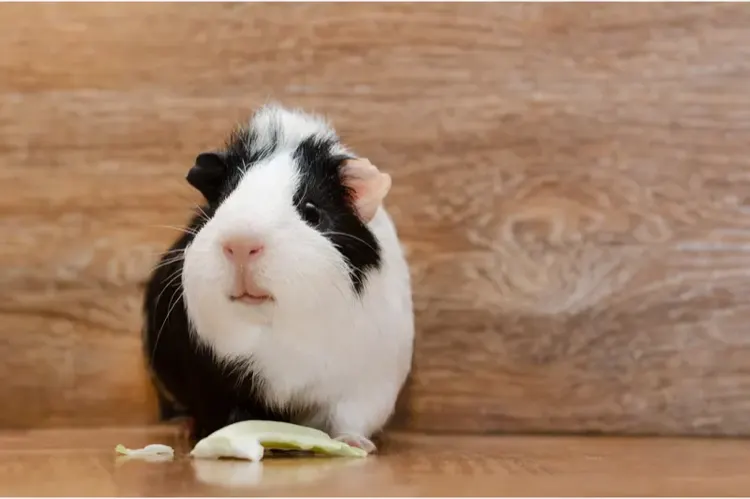
If you want to learn more about black and white color combinations, they’re quite common in mixed litters.
Naming Your Black Guinea Pig
The sky is the limit! You can choose any name you like.
If you need some inspiration, here are a few ideas:
- Midnight
- Onyx
- Raven
- Coal
- Ebony
- Jet
- Noir
- Ashes
- Smokey
There are no wrong answers for naming your guinea pig. The most important thing is that you choose a name you’ll be happy with for years to come.
Black Guinea Pig Health Issues
Generally healthy animals, but a few issues crop up more often in black guinea pigs specifically:
- Skin problems: Black guinea pigs can be prone to skin problems due to their long, dense fur. If you notice your guinea pig scratching or chewing excessively, it may be due to a skin condition. Take your pet to the vet for an evaluation and treatment.
- Respiratory problems: Due to their small size and short noses, black guinea pigs are susceptible to respiratory infections and other problems. If you notice your guinea pig sneezing or wheezing, take them to the vet right away.
- Immunity problems: Black guinea pigs can also be more prone to certain diseases. Ask your vet about ways to boost your pet’s immunity through diet and supplements.
Knowing these risks means you can catch problems early. Any concerns?
Call your vet.
Other Guinea Pig Breeds
Plenty of other breeds carry similar appeal. The American, Peruvian, and Teddy are among the most popular.
American guinea pigs are the most common breed, typically weighing 2-3 pounds. They have short, smooth coats that can be any color or combination of colors.
The Peruvian guinea pig has a long, silky coat that can reach up to 6 inches in length. They come in a variety of colors, including white, black, brown, and red.
The Teddy guinea pig has a dense, wiry coat that gives them a stuffed-animal appearance. They’re friendly and make great pets for families.
Any of these breeds will give you a loyal companion for years.
Final Thoughts
Black guinea pigs are gentle, loving, and playful animals that make great pets. Their glossy dark coat is striking, but their care needs are identical to guinea pigs of any other color.
Focus on a proper diet, regular cage cleaning, and daily interaction. Brush your pet regularly to reduce shedding, and contact your vet if you notice any changes in appetite, breathing, or behavior.
Whether you adopt from a rescue or buy from a breeder, a black guinea pig will bring personality and charm to your home for years to come.
References
- https://www.jstor.org/stable/2456532#metadata_info_tab_contents
- https://www.britannica.com/animal/guinea-pig
- https://www.cabi.org/isc/datasheet/89562
Frequently Asked Questions
Black guinea pigs don't need any special care beyond what every guinea pig requires. They eat the same diet, need the same cage setup, and have identical grooming needs. The only difference is cosmetic, so coat color won't change your daily care routine.
Black is a color variation caused by excess melanin production, not a separate breed. You can find black coloring across many breeds including the American, Peruvian, Teddy, and Silkie. The breed determines coat texture and length, while genetics determine color.
Black guinea pigs aren't aggressive at all. They're just as gentle and docile as guinea pigs of any other color. Coat color has no impact on temperament. Any aggression is more likely caused by stress, lack of space, or improper socialization.
Black is actually one of the most common guinea pig colors thanks to the dominant melanin gene. They're easy to find at pet stores, breeders, and rescue organizations. You'll often see them in solid black or combined with white, brown, or cream markings.
The average lifespan is 5 to 7 years, with some living up to 10 years when they receive excellent care. Coat color doesn't affect lifespan at all. A balanced diet, clean cage, daily interaction, and regular vet checkups are what truly determine longevity.
Pet store prices typically range from $20 to $50 for a black guinea pig. Breeders may charge more depending on the specific breed, pedigree, and your location. Rescue organizations often have lower adoption fees that cover initial health checks and sometimes spaying or neutering.