
Your guinea pig runs and hides every time you reach into the cage. That’s not a good sign, and it’s more common than you’d think.
The cause isn’t always you, since their environment, cage setup, or a bad past experience could be the real problem.
7 Signs Your Guinea Pig Hates You
Your guinea pig’s behavior tells you a lot about how it feels about you. If it only eats when you’re not around, scurries away when you approach the cage, shows aggressive body language, and rejects treats from your hand, those are signs something’s off.
Here are 7 signs to watch for and how to fix each one.
1. Signs of Aggression When You’re Around
Your guinea pig’s behavior around their cage can reveal a lot about their mood and comfort level. If you witness consistent aggressive behavior, it can mean two things: your guinea pig either doesn’t like you or is feeling unsettled in their environment.
Guinea pigs are naturally cheerful creatures, but when they’re unhappy or disturbed, they may exhibit aggressive traits such as biting, scratching, or excessive chewing. If your guinea pig is content, their behavior will be drastically different, so it’s crucial to keep an eye out for these warning signs.
A happy guinea pig won’t show signs of loneliness, frustration, or anger towards their caretaker. If your guinea pig is displaying aggressive behavior, take the time to evaluate their environment and make changes if necessary.
2. They Eat Only in Your Absence
A happy guinea pig munches on hay without a care in the world, whether you’re nearby or not. One that waits until you leave the room to eat or play?
That’s a sign of distress.
If your guinea pig eats comfortably with you standing right there, you’re in good shape. But one that won’t touch food in your presence is telling you something.
3. Your Guinea Pig Doesn’t Accept Treats
Refusing treats from your hand is a glaring indicator that your furry companion isn’t satisfied with you or their surroundings. This can vary depending on the method of taming, but if your guinea pig persistently turns down your treats, it’s a surefire signal that they’re not fond of you.
A content guinea pig will eagerly leap onto your outstretched palms to receive their treats. If you observe your guinea pig snubbing your treats, it’s crucial to delve deeper and discover what may be bothering them.
4. Your Guinea Pig Hides When You’re Around the Cage
If your guinea pig scurries away from sight the moment you approach their cage, it’s a clear indication of their discomfort and unhappiness. This could stem from your presence, their environment, or a combination of both.
A guinea pig that adores you’ll happily come out of hiding, eager to bask in your company. If your guinea pig is shirking from you, it’s time to take a closer look at the situation and find a solution.
Your guinea pig’s reaction to your presence is an excellent barometer of their state of mind. Don’t ignore this sign and make sure your guinea pig is living their best life.
5. They Refuse to Play When You’re Around
The distrustful nature of guinea pigs often extends to their surroundings, including human interaction. To establish a trusting relationship with your guinea pig, it takes patience and effort as it won’t happen overnight.
An easy way to determine your guinea pig’s affection towards you is by observing its toy play habits. If your guinea pig shies away from its toys upon your arrival, it may be a sign of disinterest.
If they persist in playing with their toys, it’s a good indication they enjoy your company.
Boredom can also be a sign of decreased trust, so keep an eye out for any changes in play behavior. Check out ways to keep guinea pigs entertained to make sure they’re getting enough mental stimulation.
6. They Ignore When You Call Them
As you approach the abode of your guinea pig, keep a watchful eye as you call their name. Observe their behavior carefully to gauge their reaction.
If your guinea pig fluffs up its hair or bares its claws, it may signal a defensive stance. But if the little guy scurries towards your hand, it’s a sign of affection and trust.
If your guinea pig simply doesn’t care for you, they may choose to remain hidden, shunning your calls.
7. They Don’t Want to Cuddle With You
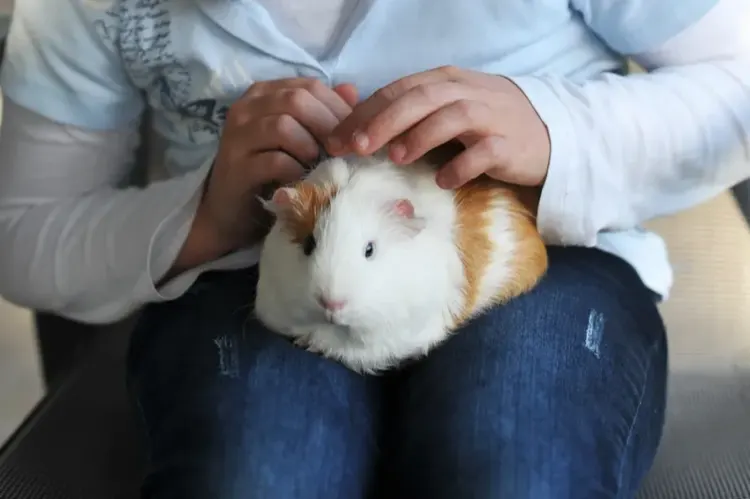
A guinea pig who’s grown to dislike your presence will exhibit clear signs of agitation. They won’t respond to your affectionate strokes, coaxing calls, or tempting treats.
If you’d like to learn how to build a cuddling relationship, patience and consistency are key.
Don’t anticipate this shift to occur overnight, though. It takes time for these creatures to sour on someone.
How to Make Your Guinea Pig Show Love Toward You
To foster a deeper bond with your guinea pig, try these tips for gaining their love:
- Make it a priority to be with your guinea pig as much as possible.
- Ensure their living quarters remain clean.
- Create a secure haven for them to thrive in.
- Interact through play and games.
- Supply them with a daily dose of fresh hay.
- Steer clear of loud and harsh tones.
- Show them some love with special treats.
- Prevent prolonged periods of solitude.
- Allow them some fresh air and sunshine every now and then.
- Expand their play area for added excitement.
- Consider getting a playmate to share their space.
If you’re looking for more structured bonding, training your guinea pig with treats can build trust surprisingly fast.
Dominance Issues in Guinea Pigs and How to Address Them
Guinea pigs have a natural pecking order, and dominance behavior is part of how they sort it out. Giving them enough living space and physical activity helps reduce tension.
Enriching toys and things to explore keep them engaged and ease power struggles. If aggressive behavior keeps up despite a good setup, a vet or animal behavior specialist can help you figure out what’s going on.
Final Thoughts
Guinea pigs aren’t complicated. If yours is hiding, refusing treats, or showing aggression, something in their environment or routine needs to change.
Start with small steps like sitting near the cage daily, offering treats by hand, and keeping their space clean and quiet. Most guinea pigs come around with patience, and the bond you build will be worth the effort.
References
- https://www.rspca.org.uk/adviceandwelfare/pets/rodents/guineapigs/behaviour
- https://news.okstate.edu/articles/communications/2020/guinea-pigs-as-pets.html
- https://www.sciencedirect.com/science/article/pii/S0031938420303905
- https://smallanimaladvice.com/signs-your-guinea-pig-hates-you/
- https://www.thesprucepets.com/guinea-pig-vocalizations-and-body-language-1238882
Frequently Asked Questions
If your guinea pig is in a state of pure joy, you'll likely notice they're full of energy and vigor, with a relaxed posture and a lively expression. Happy guinea pigs often popcorn, which is a small jump or hop that shows excitement and comfort in their environment.
If your guinea pig is feeling stressed, you may observe telltale signs such as heavy breathing, excessive grooming, seeking solitude, or loss of appetite. Stress can also lead to teeth chattering and freezing in place. A safe hideout and quiet environment can help reduce these anxious behaviors quickly.
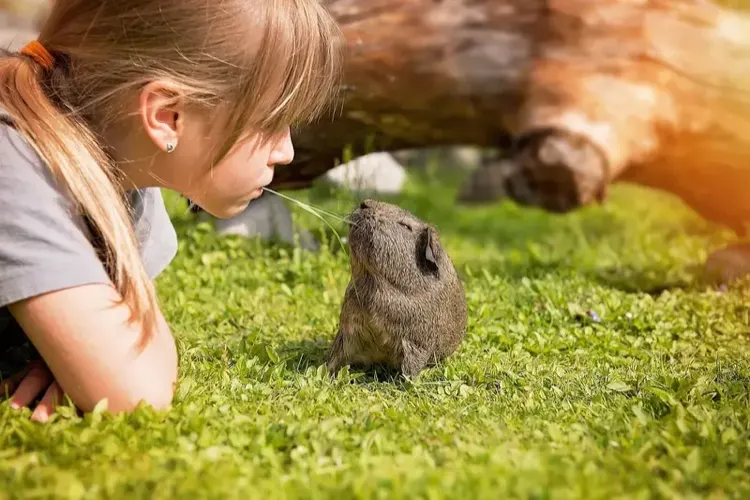
Dedicate quality time each day sitting near the cage and speaking softly so they get used to your voice. Offer their favorite treats by hand and avoid sudden movements. Consistent gentle handling over several weeks builds trust, and soon they'll come running when they hear you approach.
When your guinea pig is in pain, they'll show it through difficulty in movement, a slumped posture, screeching, or excessively grooming one specific area. Reduced appetite and hiding more than usual are also common signals. If you notice these signs, schedule a vet visit as soon as possible.