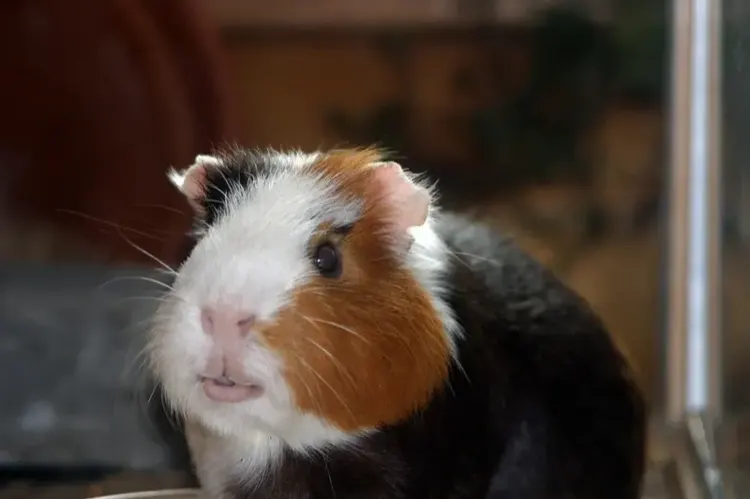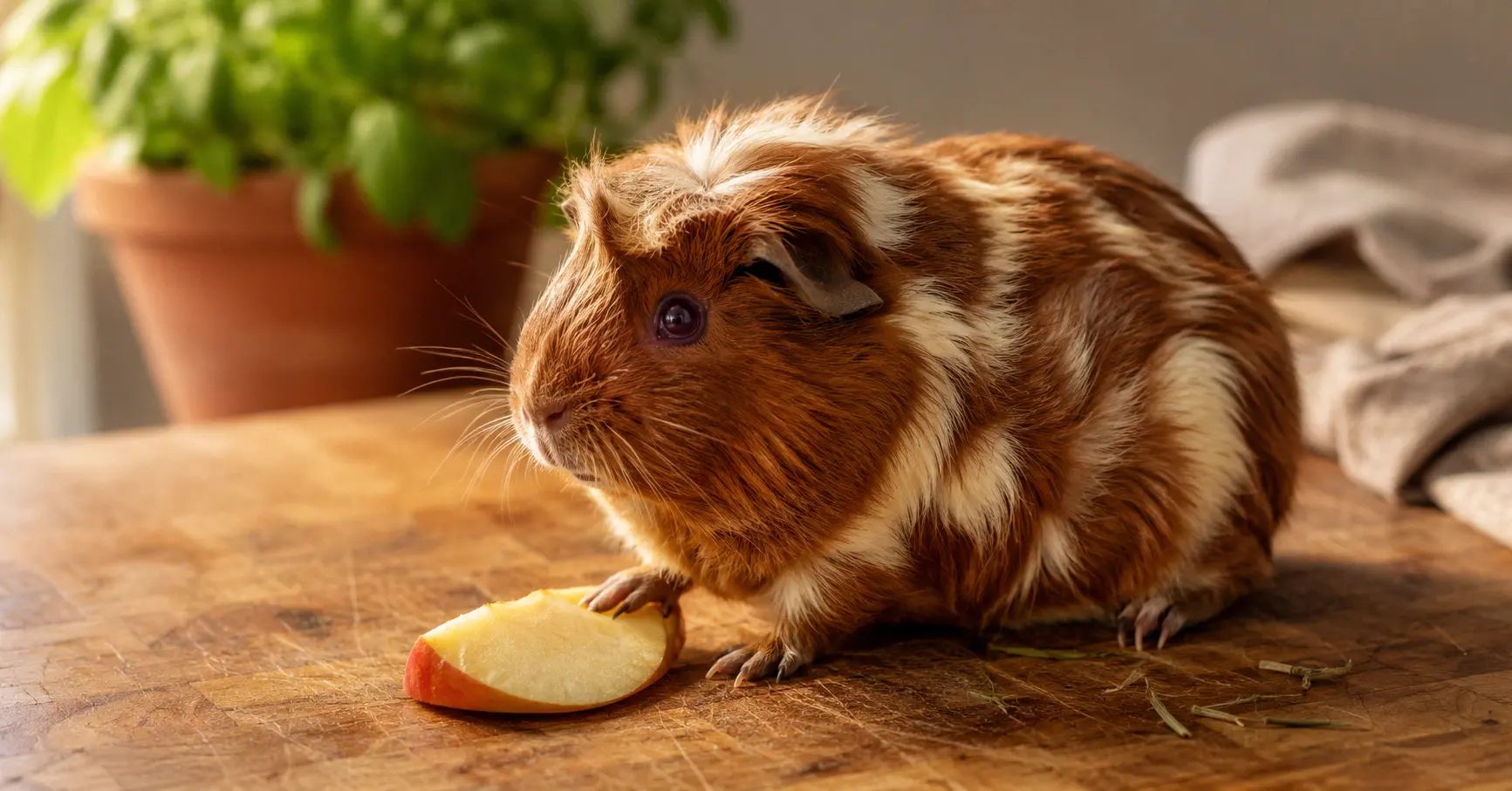

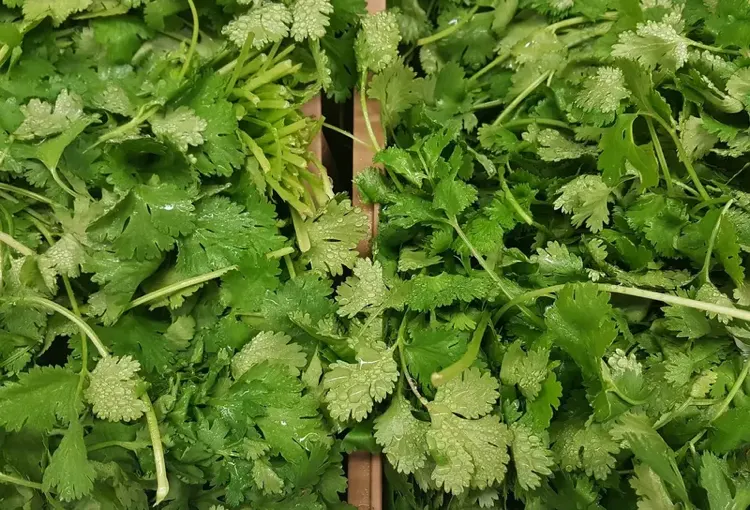
Cilantro is cheap and easy to find. But is it safe for your guinea pig?
Guinea pigs can eat cilantro in small amounts. It provides vitamin A and potassium, both of which support your piggy’s health.
Most guinea pigs enjoy the fresh taste.
Cilantro is high in vitamin A, though, and too much can cause liver problems. A few leaves at a time, several times per week or even daily in small amounts, is the right amount.
Is Cilantro Safe for Guinea Pigs?
Cilantro contains a high level of vitamin A, which can be toxic to guinea pigs in large doses. If you feed your guinea pig cilantro, make sure you’re only giving 3 to 4 sprigs (about 5 grams) at a time.
Too much vitamin A can lead to liver problems and even death. Cilantro is safe for your pet as long as you stick to the recommended dosage.
Check with your vet if you’re unsure.
How Much Cilantro Can a Guinea Pig Eat?
Guinea pigs can safely eat cilantro in moderation. When feeding cilantro, wash the leaves thoroughly to remove any pesticides or other contaminants.
Although rich in vitamin C, this herb may cause gastrointestinal upset in larger amounts. Start with a small amount and increase gradually over time.
Can Guinea Pigs Eat Cilantro Every Day?
Guinea pigs can eat cilantro daily in small amounts. It’s a solid source of vitamins and minerals, including vitamin C, which is essential for guinea pig health.
Cilantro also contains potassium and magnesium. For more variety, cilantro pairs well with other herbs like parsley and basil.
Is Cilantro Bad for Guinea Pigs?
Cilantro is a herb with a high level of antioxidants that help protect against free radicals. However, cilantro can have a laxative effect on guinea pigs.
If they eat too much, they may experience diarrhea or other digestive issues.
Feed cilantro to guinea pigs in limited quantities. Although young and pregnant guinea pigs can be fed a small leaf, avoid this if you’re uncertain.
For most adult guinea pigs, cilantro shouldn’t be an issue. It may cause problems in baby guinea pigs, though.
Food poisoning is most likely only an issue with large amounts.
Are Guinea Pigs Allergic to Cilantro?
There’s no evidence to suggest that guinea pigs are allergic to cilantro. As with any food, introduce it slowly and in small portions to make sure your guinea pig doesn’t experience any adverse effects.
Risks to Consider While Feeding
While cilantro isn’t toxic to guinea pigs, there are a few risks to consider. Cilantro can be a choking hazard, so chop it into small pieces before giving it to your guinea pig.
Cilantro also contains oxalates, which can bind with calcium and lead to kidney stones. Give cilantro to your guinea pig in controlled portions.
Some guinea pigs may react poorly to cilantro, so watch for any adverse reactions after feeding. If you’re considering adding cilantro to your guinea pig’s regular rotation, talk to your veterinarian first.
Can Guinea Pigs Eat Cilantro Stems?
Guinea pigs can eat cilantro stems, but only in small amounts. If you feed your guinea pig too much stem, they may end up getting sick.
Stick with giving them just a little bit of cilantro stem every once in a while. This keeps them healthy and happy.
Can Guinea Pigs Eat Cilantro Flowers?
Cilantro flowers are safe for guinea pigs to eat. They’re a great source of vitamin C and A, and they contain a lot of antioxidants.
Like all other foods, cilantro flowers should be given in small amounts. They’re a nice way to add variety to your guinea pig’s diet.
Can Guinea Pigs Eat All Parts of Cilantro?
The leaves and stems of cilantro are generally safe for guinea pigs to eat. However, the roots and seeds contain a compound called furanocoumarin which can be toxic.
Avoid giving your guinea pig any parts that have the potential to be harmful.
Feeding your guinea pig cilantro leaves and stems is a good idea because it’s a great source of vitamins A and C, plus minerals like potassium and manganese. Just avoid the roots and seeds.
Is Cilantro Healthy for Guinea Pigs?
Cilantro seems to be safe for guinea pigs in small quantities. It’s a good source of vitamins A, C, and K, as well as minerals like potassium and magnesium.
It also has anti-inflammatory and antioxidant properties.
However, cilantro can contain compounds called polyphenols that may cause kidney and liver damage in large amounts. A few leaves here and there should be fine, but don’t overdo it.
May Reduce Inflammation
Cilantro has anti-inflammatory properties, which means it may help reduce inflammation in guinea pigs. This is especially beneficial for older piggies or those with conditions like arthritis.
Give it as an occasional treat, and only if they seem to like it. Some guinea pigs aren’t keen on cilantro, while others love it.
Contains Antioxidants
Cilantro is also a good source of antioxidants, which can help protect your guinea pig’s cells from damage. That matters for keeping them healthy and preventing diseases from developing.
Want to give your guinea pig some extra nutrients? Cilantro is a solid pick.
May Lower Blood Sugar Levels
Cilantro may help lower blood sugar levels in guinea pigs, though further research is needed. Talk to your veterinarian about whether cilantro is a good choice for your pet.
It’s a great way to add flavor and variety to your pet’s diet. You can mix fresh cilantro leaves with other safe herbs like mint or dill for a tasty herb blend.
Benefits of Cilantro for Guinea Pigs
Cilantro is a nutrient-rich herb that can offer many benefits for your guinea pig. It’s an excellent source of vitamins A, C, and K, and also contains minerals like iron and potassium.
Cilantro can help boost your guinea pig’s immune system, improve their digestion, and even help detoxify their system. It’s one of the best foods you can add to a varied herb rotation.
How to Prepare Cilantro for Guinea Pigs
Cilantro can be fed fresh, dried, or frozen. When feeding cilantro to your guinea pig, wash it thoroughly to remove any pesticides or other chemicals.
Chop the cilantro into small pieces to make it easier for your guinea pig to eat. If you’ve grown it yourself, harvest before the plant starts flowering.
The flowers contain a chemical called “coriandrol” which may be less safe for pets.
You can freeze cilantro for later use. Chop it into small pieces, spread it on a baking sheet, and freeze.
Once frozen, store it in a zipper-lock bag or airtight container.
Is Cilantro or Parsley Better for Guinea Pigs?
Both herbs bring something to the table. Cilantro is a good source of vitamin C, while parsley is a good source of vitamins A and K.
Some owners offer both cilantro and parsley, letting their guinea pigs choose. This helps ensure they’re getting the nutrients they need.
Whichever herb you choose, make sure it’s fresh and free of pesticides.
When offered both herbs, most guinea pigs choose cilantro over parsley, likely because of its stronger flavor. Introduce any new herb slowly to prevent digestive upset.
What Are Other Healthy Alternatives to Cilantro?
Cilantro is a great source of vitamin C for guinea pigs, but it’s not the only option. Here are a few alternatives to consider:
- Kale
- Parsley
- Spinach
- Dandelion greens
- Turnip greens
- Collard greens
- Swiss chard
- Carrot tops
- Basil
- Tomatoes
Mix things up and give your pet a variety of different fruits and vegetables to keep them healthy.
Can Cilantro Make My Guinea Pig Sick?
Each guinea pig reacts differently to different foods. Cilantro contains a compound called psoralen, which can be toxic to some animals in large amounts.
It’s best to err on the side of caution.
Cilantro is healthy and nutritious for piggies, providing essential vitamins and minerals. Sprinkle a little into their diet from time to time.
If your piggy experiences any adverse reactions after eating cilantro, stop feeding it immediately and consult your veterinarian.
Can My Guinea Pig Have Dried Cilantro?
Dried cilantro is a great way to add flavor to your guinea pig’s diet. Only give a small amount of dried cilantro at a time, since too much can cause digestive problems.
Final Thoughts
Cilantro is a safe and nutritious herb for guinea pigs when fed in small amounts. It provides vitamins A, C, and K, plus minerals like potassium and iron that support your piggy’s health.
Keep portions small, about three to five leaves a few times per week. Always wash cilantro thoroughly and introduce it gradually to avoid digestive issues.
Frequently Asked Questions
Start with three to five small leaves per serving and watch how your guinea pig reacts. If there's no digestive upset, you can serve this amount a few times per week. Always mix cilantro with other vegetables for a balanced meal rather than offering it alone.
Cilantro shouldn't replace other greens entirely. It works better as a supplement alongside leafy vegetables like romaine lettuce and bell peppers. Your guinea pig needs a varied diet to get all essential nutrients, so rotate cilantro with other safe herbs regularly.
Fresh cilantro is always the better choice for guinea pigs. It retains more vitamin C and has higher water content, which helps with hydration. Dried cilantro has concentrated flavors and nutrients that could cause digestive issues if you're not careful with portions.
Growing cilantro at home is a great idea for guinea pig owners. It ensures your herb is free from pesticides and chemicals. Harvest the leaves before the plant flowers, since flowering changes the chemical composition. Fresh homegrown cilantro is the safest and most nutritious option available.