
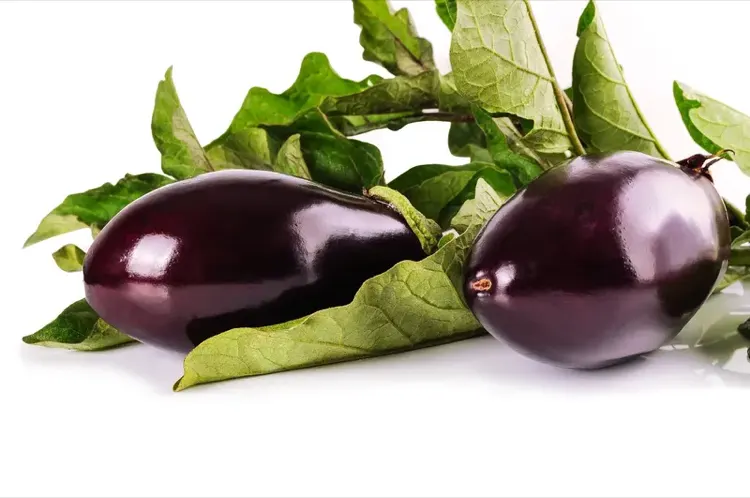
Eggplant belongs to the nightshade family, which includes some plants that are toxic to guinea pigs. So should you be worried about offering it?
Guinea pigs can eat eggplant flesh in small amounts, but the green parts are dangerous. Read on for which parts are safe and how to serve eggplant properly.
Can Guinea Pigs Eat Eggplant?
Guinea pigs can eat eggplants, but with certain restrictions.
Benefits of Eating Eggplants
Eggplants can support the growth and health of guinea pigs in several ways. They’re rich in fiber, which helps with bowel function and digestion.
Like tomatoes and peppers, eggplants belong to the nightshade family. The presence of niacin and iron prevents iron deficiency.
Eggplants are completely fat-free, with less than 1 gram of protein per fruit. However, their nicotine levels are higher compared to other plants.
Aids Digestion
Guinea pigs have small, sensitive digestive systems. Eggplants provide fiber that helps with bowel function and constipation prevention.
A slight disturbance in diet can cause diarrhea and vomiting. When eaten in excess, the dietary fibers in eggplant cause diarrhea-like conditions.
Bone Strength
Eggplants have a reasonable amount of manganese that supports bone development. The deficiency of minerals may cause poor growth of your piggy’s bones.
These minerals mainly include Calcium, Magnesium, Phosphorus, and Sulphur. Eggplants are an excellent source of manganese that directly benefits guinea pigs.
Blood Clotting
Eggplants contain 3.5 micrograms per 100g of Vitamin K, which has prothrombin that helps with blood clotting. Prothrombin is a precursor in the blood clotting process caused by another protein called thrombin.
If your guinea pigs have sufficient Vitamin K, there won’t be clotting issues in case of injuries. It also helps regulate blood pressure.
Lowering Cholesterol
Eggplants contain dietary fiber that can lower cholesterol levels. By reducing cholesterol, it helps protect your guinea pig from heart failure and obesity.
Obesity Prevention
The fat content in eggplant is very low. Eating eggplants won’t make your guinea pig fat or obese.
Nutrient Contents
Carbohydrates
Eggplants are a good source of carbohydrates, which are crucial for metabolic activity.
Antioxidants
Eggplants have antioxidants including niacin, fiber, potassium, vitamin C, vitamin B6, and polyphenols. They help prevent heart disease and cancer.
These antioxidants are essential for your piggy’s healthy life. They help remove free radicals, which in large amounts can damage cells.
Eggplants also contain a phenolic substance that works as an antioxidant.
Potassium
Eggplants have potassium that helps reduce blood pressure in guinea pigs. Uncontrolled blood pressure can put any animal in a dangerous situation.
These kinds of nutrients are very effective for your piggy’s good health.
Drawbacks of Eating Eggplants
If you check eggplant’s nutritional value, you’ll see that eggplants aren’t the most beneficial option for guinea pigs. Some experts believe it’s better to avoid feeding eggplants to guinea pigs entirely.
You can’t include eggplants in your guinea pig’s daily diet. It’s advisable to include them only about two times a week.
Eggplants belong to the nightshade family, which is mostly poisonous for guinea pigs. Avoid the greens and leaves of eggplants completely, as they can be dangerous and even fatal.
Eggplants can also contribute to kidney-related diseases.
If you’re looking for safer vegetable options, zucchini and squash are better choices with fewer restrictions.
Eggplants Don’t Have Much Vitamin C
Vitamin C is essential for guinea pigs because it helps form collagen. Guinea pigs can’t manufacture this nutrient themselves, but they need it in reasonable amounts.
Without enough vitamin C, guinea pigs get sick. The most common disease from vitamin C deficiency is scurvy.
Most guinea pigs need 10-30 mg per day.
How to Provide Vitamin C
Guinea pigs need Vitamin C frequently. Feed them fruits, vegetables, or store-bought pellets with reasonable vitamin C content.
If these foods aren’t available, vitamin C tablets work as a supplement.
Some Guinea Pigs Are Allergic to Eggplants
Eggplant can cause vomiting, itching, diarrhea, rash, and upset stomach in some guinea pigs. The nightshade family contains solanine, a naturally occurring alkaloid.
Large intake can be dangerous for your guinea pigs. It’s often found in the leaves of ripened eggplants, so be careful when feeding leaves.
Can Cause Diarrhea
Sugar is difficult for guinea pigs’ sensitive digestive systems to handle. Eggplant contains 3 grams of sugar, which is considerably high compared to other diet items for guinea pigs.
Too much sugar intake can cause diarrhea. So it’s not safe to serve too much eggplant.
When Is Eggplant Poisonous?
Eggplant falls under the nightshade family. Its biological name Solanum melongena tells you it contains solanine, which is poisonous for guinea pigs.
Solanine exists in the green parts of nightshade plants. Unripe eggplants are green and aren’t suited for guinea pigs.
The leaves and fruit cap are also green parts, so they aren’t edible either.
The default color of ripe eggplants is purple. You can tell if they’re ripe by checking the color.
Why Are Nightshade Family Plants Poisonous?
The nightshade family can be poisonous to guinea pigs when consumed in large quantities. Members contain solanine, which is mostly present in the green parts.
Plants like standard potatoes, tomatoes, and peppers fall into this category. Sweet potatoes are edible and aren’t poisonous to guinea pigs, though.
How to Prepare Eggplant for Guinea Pigs
Wash eggplants thoroughly to remove pesticides, as they can accumulate in your guinea pig’s system. Remove leaves and stems since they contain solanine.
Feed your guinea pig raw, ripe, fresh, and clean eggplant. Cooked eggplants have fewer nutrients than raw ones, and guinea pigs can’t digest cooked food anyway.
Fresh eggplants are always best.
Are Eggplant Seeds and Skin Edible?
The seeds might look hard, but they’re actually soft and squishy. Your guinea pig won’t have any difficulty eating them.
The skin is edible as long as it’s purple, not green. Avoid serving green-skinned eggplant entirely.
Can Baby Guinea Pigs Eat Eggplants?
Don’t feed eggplants to baby guinea pigs since they contain solanine, which is harmful to them. You can feed eggplants to adult guinea pigs to help maintain a healthy weight.
Wait until they’ve reached a healthy adult size.
Eggplant Feeding Guidelines
There are several precautions to keep in mind beyond the solanine concern.
Serving Size
Eggplants can be served as a treat, snack, or variation in routine diet. Since guinea pigs are small, a small piece per serving is more than enough.
Cutting
The green parts including the fruit cap are dangerous. When cutting the fruit, make sure the flesh doesn’t touch the green parts.
Cut the fruit cap several centimeters from the flesh so no green remains.
Frequency
Since eggplant works as a snack in your guinea pig’s diet, don’t use it too frequently. The recommended amount is only 2 times a week.
Excessive fiber from too-frequent servings can change the metabolism of their small body.
Low Vitamin C Content
Eggplants are low in Vitamin C, also known as Ascorbic Acid. Pair eggplant with other veggies like kale, arugula, and spinach that have more vitamin C.
Feeding Tips
Soft Flesh
Eggplant has a fleshy, spongy fruit with a low weight-to-volume ratio. This is good for small creatures since it doesn’t harm them while chewing and is a very light addition to their diet.
Small Pieces
Serve the fruit in small pieces so it can easily fit through your guinea pig’s little mouth. Small pieces are easier to chew and digest.
Avoid serving the skin when possible, as it may contain traces of solanine.
Health Benefits Summary
For guinea pigs, eggplant is more of an occasional food rather than a staple. It can’t be part of daily routine food since it doesn’t have standout nutrients.
Weight Loss
Eggplants are rich in dietary fiber, so they play a role in weight maintenance. Eating eggplants reduces the chance of obesity.
Improved Eyesight
Eggplants contain antioxidants like lutein and zeaxanthin. These are helpful for improving eyesight in guinea pigs.
Heart Health
Guinea pigs’ heart health improves when they eat eggplants because of nutrients like Vitamin C, Vitamin K, Vitamin A, potassium, manganese, and fiber.
Lower Cholesterol
The dietary fibers in eggplants are helpful for reducing cholesterol and the chance of heart disease.
Reduced Cancer Risk
Eggplants contain polyphenols that reduce the growth of cancer-causing factors and tumor cells.
Final Thoughts
Guinea pigs can eat eggplant, but it comes with more restrictions than most vegetables. Always serve only the ripe purple flesh in small pieces, and never offer leaves, stems, or green parts.
Keep portions small and limit servings to about twice a week. Eggplant isn’t a nutritional powerhouse for guinea pigs, so it works best as an occasional treat alongside more vitamin C-rich vegetables.
If you’re ever unsure about ripeness, check the color. Purple means safe, and green means skip it entirely.
Frequently Asked Questions
Never feed eggplant leaves or stems to your guinea pig. These green parts contain solanine, a toxic alkaloid found in nightshade plants. Even small amounts cause serious digestive problems. Always remove all green parts and serve only ripe purple flesh.
Limit eggplant to about twice per week as a small treat. Since it's low in vitamin C and belongs to the nightshade family, it shouldn't be a diet staple. Pair it with vitamin C-rich vegetables like bell peppers or kale to balance out nutrition.
Always serve raw eggplant to your guinea pig. Cooked eggplant loses nutrients during cooking, and guinea pigs can't digest cooked food properly. Their sensitive digestive systems are built for raw plants and vegetables. Make sure the eggplant is fresh, ripe, and washed before serving.
Remove the eggplant right away and offer your guinea pig plenty of fresh water. Watch for symptoms like vomiting, diarrhea, itching, or lethargy over the next few hours. Contact your vet if symptoms persist or worsen, and don't offer eggplant to that piggy again.