
Your guinea pig is eyeing the grapes on your counter, and you’re not sure if they’re safe. The short answer is yes, but red grapes are the best choice because they’re higher in antioxidants.
Stick to just 1-2 medium grapes per week, and always remove the seeds first. We cover grape types, nutrition, and safe serving practices below.
Can Guinea Pigs Eat Grapes?
Guinea pigs can eat all types of grapes, but red grapes are the best option. Green grapes have fewer antioxidants and contain more sugar compared to red grapes.
For that reason, green grapes can cause harm to your guinea pig’s digestive system if eaten in excess.
Are Grapes Good for Guinea Pigs?
You might be surprised to know that grapes are toxic for many animals. Dogs and cats can’t eat grapes because grapes are actually toxic to them.
Types of Grapes
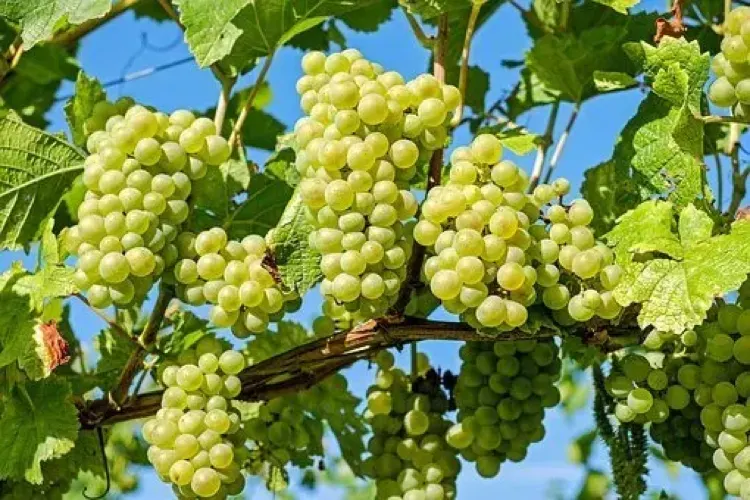
Grapes are found in most parts of the world. There are almost 8,000 different types, all with health benefits.
Some grapes are good for winemaking, some are served as fresh fruits, and some are good for raisins.
Which Grapes Can Guinea Pigs Eat?
According to research, sweet grapes aren’t harmful to guinea pigs’ health. Guinea pigs can enjoy green, purple, or red grapes, but all in moderate amounts.
Purple grapes are better than green because they have lower sugar and higher antioxidant content. Red grapes are the best of all since they’re enriched in antioxidants and contain resveratrol (more on that below).
Don’t feed your guinea pigs more than 1-2 grapes per week. Overeating makes guinea pigs obese and lazy.
To keep them fit, serve good quality food in accurate quantities.
What Are the Nutrients in Grapes?
A serving of 150 grams of grapes may contain:
- Protein (1.09 g)
- Potassium (191 mg)
- Calcium (15 mg)
- Sodium (3 mg)
- Zinc (0.11 mg)
- Vitamin C (4.8 mg)
- Vitamin K (22 mcg)
- Folate (3 mcg)
- Iron (0.54 mg)
- Magnesium (11 mg)
- Phosphorus (30 mg)
- Fiber (1.5 g)
Serve grapes to guinea pigs in small portions only.
Are Grapes Beneficial for Guinea Pigs?
Guinea pigs get a lot of nutrients from grapes. Here’s how this fruit benefits your piggy’s health.
Vitamin C
Vitamin C is an essential vitamin and antioxidant. It improves your guinea pig’s immune system and gives them strength to fight against colds and other viruses.
Vitamin C enhances the production of serotonin, a happiness hormone that helps boost mood. It also improves energy, maintains blood pressure, and fortifies damaged cells while stopping the formation of cancerous tumors.
Magnesium
Magnesium helps bone growth in guinea pigs and protects them against injuries. It also boosts mood, relaxes muscles, reduces tension, and lowers anxiety.
Calcium
Calcium is good for your guinea pig’s bones and teeth. Strong bones help guinea pigs run actively.
Foods rich in calcium are dangerous for adult guinea pigs, though, as it contributes to bladder and kidney stone formation. A balanced diet is the key.
For other fruits that pair well with grapes in a rotation, try blueberries or strawberries.
Iron
Iron helps create red blood cells and improves blood circulation. It also enhances energy levels and improves oxygen exchange in guinea pigs.
Potassium and Phosphorus
Potassium is good for the kidneys and bladder, while phosphorus supports teeth and bone health.
Resveratrol
Resveratrol is found in red grapes. It enhances the efficiency of mitochondria (energy factories for the cell).
Resveratrol is an antioxidant that also helps remove toxins from the body.
Fiber
Grapes are a good source of fiber, which is an important part of your guinea pig’s diet.
What Is the Proper Serving Size of Grapes for Guinea Pigs?
1-2 medium size grapes per week are good for guinea pigs. You shouldn’t feed guinea pigs grapes every day, as they should be a rare treat.
Always monitor the amount and type of food you’re giving. Don’t choose unripe or rotten grapes, and always wash them thoroughly to remove all pesticides.
Can Baby Guinea Pigs Eat Grapes?
Small guinea pigs can eat grapes too. Feed them with small quantities and monitor carefully for any side effects.
If it causes any distress, stop giving grapes to baby guinea pigs.
Cautions
Though serving grapes is a good idea, keep these points in mind:
- Grapes have high sugar, which isn’t ideal for small guinea pigs
- Limit your guinea pig’s sugar intake
- Serve everything in small, moderate amounts
- Feed them perfectly ripe fruit only
- The main food source should always be hay
- Wash feeding bowls daily
Can Guinea Pigs Have Grapes Every Day?
Guinea pigs shouldn’t eat grapes every day. A grape may seem small to you, but for a guinea pig that weighs under 3 pounds, it’s a significant amount of food.
Serving Tips
Guinea pigs have sharp teeth that help cut food into small parts, lowering choking risk. If you’re still concerned, cut grapes in half before serving.
If you love feeding them from your hands, cut the grapes and hold them in your palm. Guinea pigs love to lick and then chew slowly, which helps build a friendly bond.
You can also peel grapes before serving, which drops the choking risk to almost zero. Fair warning: peeling reduces the fiber your guinea pig gets, and fiber improves blood pressure and digestion.
Serve in a small, sturdy food bowl that won’t flip over. Before serving a new meal, wash or clean the bowl since food residue can build up bacteria.
Can Guinea Pigs Eat Grape Seeds?
Guinea pigs can’t remove grape seeds on their own. They just swallow them, which makes seeds a choking hazard.
Any small seed may look tiny to you, but it’s big for a guinea pig. If removing seeds is difficult, choose seedless grapes instead.
Do Guinea Pigs Like Grapes?
Some guinea pigs like grapes, but not all do. Offer a few pieces and see their reaction.
If they only nibble and leave them, don’t force it.
You can serve other fruits like apples, strawberries, apricots, and watermelons instead.
Can Guinea Pigs Eat Grapevines?
No research clearly shows whether grape leaves are good for guinea pigs. Although grape leaves aren’t poisonous, it’s best to avoid feeding grapevines.
Can Guinea Pigs Eat Raisins?
Guinea pigs shouldn’t eat raisins under any circumstances. While guinea pigs eat grapes in moderation without health hazards, raisins can be extremely dangerous to them.
The drying process concentrates the sugar to harmful levels.
What Should I Avoid Giving to My Guinea Pigs?
Don’t feed guinea pigs chocolate, potatoes, nuts, mushrooms, onions, garlic, or avocado. These are poisonous to your guinea pig, so keep them out of reach entirely.
Vets generally don’t recommend high-sugar foods like grapes and carrots for tiny creatures, as they can lead to obesity. There are many lower-sugar alternatives available, like cherries in small amounts.
What Type of Fruits Can Guinea Pigs Eat?
If you want to limit sugar, there are many other fruits guinea pigs enjoy: apples, kiwi, and blueberries all have lower sugar content.
You can rotate fruits throughout the week. This way your guinea pig gets grapes in small portions without getting bored with the same food daily.
Grapes also work great as reward food during training sessions.
Final Thoughts
Guinea pigs can eat grapes safely, but only in small amounts. Stick to 1-2 medium grapes per week, and choose red grapes when possible for the extra antioxidant benefits.
Always remove seeds before serving and wash grapes thoroughly. Don’t feed grapevines or raisins, as raisins are especially dangerous.
Whenever you introduce grapes or any new food, monitor your guinea pig closely for behavior changes, stool color shifts, or sleeping pattern differences.
Frequently Asked Questions
Red grapes are better because they contain more antioxidants and resveratrol, which helps remove toxins. Green grapes have higher sugar and fewer beneficial compounds than red or purple varieties. Green grapes are still safe in very small amounts if that's all you can find.
Grape skin is safe and provides beneficial fiber and antioxidants your piggy needs. The skin is where many nutrients concentrate, especially in red and purple grapes. Just wash grapes thoroughly before serving to remove any pesticide residue that could harm your guinea pig.
Too many grapes cause diarrhea, bloating, and weight gain in guinea pigs due to the high sugar content. Frequent overfeeding of sugary fruits leads to obesity, diabetes, and other serious health problems over time. Stick to one or two grapes per week to stay safe.
Always remove grape seeds before offering grapes to your guinea pig. No exceptions. Seeds are a choking hazard because piggies tend to swallow them whole instead of chewing. Seedless grape varieties are the easiest solution if seed removal is difficult, and they're just as nutritious.