
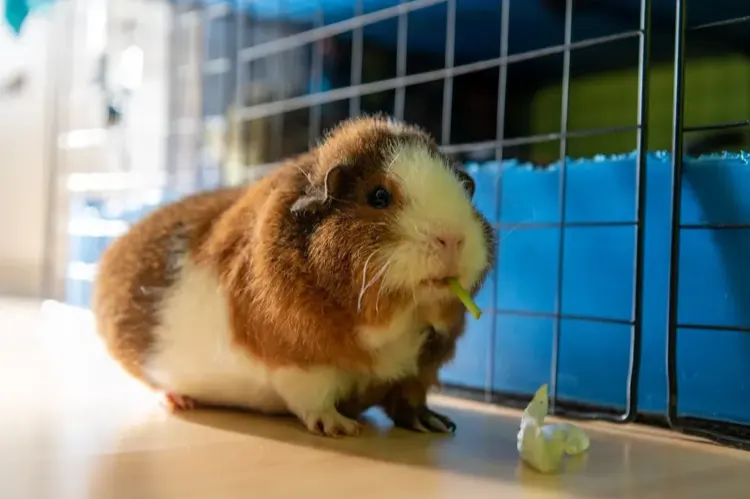
Green beans are safe for guinea pigs, but the calcium and lectin content means portion control matters. One to two strings of raw green beans, two to three times a week, keeps the benefits without the risks.
Can Guinea Pigs Eat Green Beans?
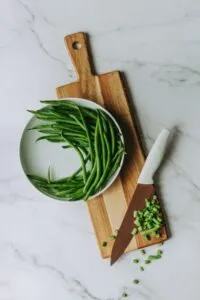 Green beans, also called string beans, are a staple food in dishes around the world. They’re packed with nutrients that benefit humans and animals alike.
Guinea pigs need to eat food that’s rich in vitamin C, since they can’t produce this nutrient on their own. Green beans contain 12.2 mg of vitamin C per 100 grams, which helps but doesn’t fully cover their daily needs.
For a more complete vitamin C boost, many owners rely on manufactured guinea pig foods high in vitamin C alongside fresh veggies.
Can Guinea Pigs Eat Green Beans Every Day?
Guinea pigs can eat green beans one to three times a week, but not daily.
A healthy guinea pig’s diet rests on a balance of hay, guinea pig pellets, and fresh raw fruits and vegetables. Just like people, guinea pigs can’t make their own vitamin C, so they need vitamin C-rich foods every day.
Green beans are rich in vitamin C, fiber, and other essential nutrients. But they’re also high in oxalic acid and calcium, which can cause health problems in guinea pigs when eaten too often.
Not every guinea pig loves green beans. Some will gobble them up, while others won’t touch them.
That’s normal since piggies can be picky eaters.
Feed your guinea pig green beans 1-3 times per week. Never give more than one to two strings at a time.
The nutritional value might make you think daily servings are fine. But the calcium and oxalate content makes that a bad idea.
Are There Dangers to Feeding a Guinea Pig With Green Beans?
Green beans are a good source of vitamin C, fiber, and other essential nutrients when served in limited quantities. Feeding them without portion control leads to health problems.
Green Beans Can Cause Bladder Stones
Green beans contain oxalates that attract calcium. When calcium and oxalates combine, they form tiny crystals known as stones.
This is what causes kidney and bladder stones. Calcium is one of the most dangerous minerals for guinea pigs, and it’s hard to avoid completely since it’s in so many foods.
Green beans contain 37 mg of calcium per 100 grams. Even if you gave your guinea pig a full cup (100g) of green beans, it still wouldn’t meet their daily vitamin C requirement.
An average guinea pig needs around 30mg/kg of vitamin C per day.
If you’re looking for other veggies that pair well with green beans, asparagus and snow peas are solid options with lower calcium content.
Digestive Issues
Green beans contain a high amount of fiber, which is usually great for guinea pigs. But too much of any fruit or vegetable upsets their sensitive digestive system and easily causes diarrhea.
Green beans also contain sugar that guinea pigs can’t process well. Foods with sugar can trigger gastrointestinal issues.
Lectins are a protein found in most types of beans, including green beans. Your guinea pig can experience bloating or gas from eating them.
The only way to reduce lectins is cooking, but guinea pigs can’t eat cooked food.
Stick to one to two strings of raw, fresh green beans per serving to keep things safe.
Bloating
Green beans contain lectins, a protein that binds with carbs and can cause gas and bloating. Guinea pigs get gassy if they eat green beans too often.
Green Beans Hinder Magnesium Absorption
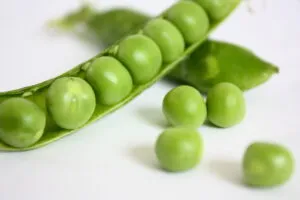 Green beans contain both calcium and phosphorus. These two minerals interfere with magnesium absorption, which can lead to a magnesium deficiency over time.
The best approach is to serve green beans as part of a mix with other raw fruits and vegetables. One to two strings of green beans mixed in two to three times per week gives your piggy the nutrients it needs from this vegetable.
What Are the Benefits of Feeding Guinea Pigs Green Beans?
Green beans are a great source of beneficial nutrients for guinea pigs. Serve them 2-3 times a week as part of a mix of 3-4 fruits and vegetables.
Mix low-calcium vegetables with green beans to balance out each serving. Veggies like broccoli and celery are great companions with plenty of vitamin C.
Heart Health
Green beans contain potassium and fiber that help regulate blood pressure, reducing the risk of heart disease or stroke.
They’re also very low in sodium, with just 6mg per 100 grams. Low sodium is a plus since excess sodium raises blood pressure and causes water retention and swelling.
Weight Management
There’s no danger of your guinea pig gaining excess weight from green beans. They’re low in calories, carbs, proteins, and fats.
When these nutrients are in small quantities, your piggy’s weight stays stable.
Antioxidant Benefits
Green beans give your guinea pig a solid dose of antioxidants. Antioxidants eliminate free radicals and the damage they cause, including early aging and chronic illness.
Green beans contain vitamin A, manganese, and selenium, all powerful antioxidants that support your guinea pig’s overall health.
Great for Eyesight
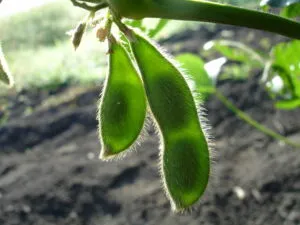 Eyesight naturally declines with age for both humans and guinea pigs. Green beans contain nutrients that help protect against age-related eye decline.
Regular intake of vitamin A, which green beans have at 108 IU per 100g, benefits your pet’s eye health. A guinea pig’s diet should contain between 6 and 7 mg of vitamin A/kg to meet daily requirements for growing piggies.
High in Vitamin C
One of the most critical nutrients in your guinea pig’s diet is vitamin C, and green beans deliver a decent amount of it. Guinea pigs need 25-40mg of vitamin C daily since they can’t produce it themselves.
Green beans contain 12.2mg of vitamin C per 100 grams. While that won’t cover the full daily requirement, regular servings help boost your piggy’s immune system.
Vitamin B6
Vitamin B6 plays a role in several metabolic functions. Guinea pigs recycle this nutrient through eating cecotropes, the special pellets they produce during digestion.
Fiber
Guinea pigs digest and absorb nutrients best from fiber-rich food. Fiber also helps keep intestinal muscles moving properly.
Green beans are also low in fat, which is a bonus.
What Is the Nutritional Value of Green Beans?
Per 100 grams of green beans:
Sugar is 3.3 grams, which is low. Fiber is 3.4 grams, meaning there’s actually more fiber than sugar.
This ratio helps with nutrient absorption and slows sugar release into the bloodstream.
Sodium is extremely low at just 6mg, reducing the chance of swelling. Potassium is solid at 209mg.
Protein is 1.8 grams, a decent amount for a small animal.
Calcium is somewhat high at 37mg, which can cause bladder stones when consumed in excess. This is a common illness in guinea pigs, so stay alert.
With only 31 calories per 100g and 90% water content, green beans are a light addition to your pet’s diet. Lectins are also present and can cause stomach issues, so portion control is key.
The nutrient data above comes from the USDA (U.S. Department of Agriculture).
How Much Green Beans Can Guinea Pigs Eat?
Guinea pigs can have 1-2 strings of green beans at a time. Serving anything in excess can harm their health.
Always choose fresh green beans for your guinea pigs. The serving size also depends on your piggy’s age.
Younger guinea pigs can handle slightly more, while senior guinea pigs are more prone to gas and should get smaller amounts.
Understanding the nutritional content of what you feed your guinea pig helps you build a better, more balanced diet for a happier, healthier pet.
Can Guinea Pigs Eat Raw Green Beans?
Raw green beans are ideal for guinea pigs. They contain all the beneficial nutrients and aren’t hard to digest.
If you choose to serve these fresh, crunchy, vitamin C-rich beans to your guinea pig, make sure they’re raw and never cooked.
Never feed your guinea pigs frozen or cooked food. Guinea pigs can’t digest cooked foods.
Frozen green beans are also a bad idea, especially commercially frozen ones. All commercially frozen food is pre-processed and contains extra sugar, which is harmful and causes digestive issues.
Remember: guinea pigs can only eat raw and fresh food.
Can Guinea Pigs Eat Cooked Green Beans?
Never serve guinea pigs cooked foods. Guinea pigs can eat only fresh and raw food.
Their digestive system is fragile and can’t process everything a human body can.
Even some raw foods that are healthy for us are poisonous to our pets. Cooking changes the structure of food, which upsets your pet’s belly.
Whenever you’re cooking green beans and want to share some with your piggy, always serve them raw.
Can Guinea Pigs Eat Green Bean Seeds?
Stay on the safe side and never feed your guinea pigs seeds. Seeds present a choking hazard, especially if they aren’t tender.
The only seeds that are safe are soft ones like those found in cucumbers and tomatoes. Otherwise, always remove the seeds, even from peppers.
Can Guinea Pigs Eat Green Bean Leaves?
Your guinea pig can eat green bean leaves. As long as you’re feeding green beans in moderation, the leaves are safe too.
Not all plants have edible leaves, but green bean leaves are safe and can be part of your guinea pig’s diet.
Can Guinea Pigs Eat Frozen Green Beans?
Guinea pigs can’t eat frozen food, so frozen green beans are off the table. Cooked green beans are also a hazard since processed food causes digestive issues in small animals.
If you let your guinea pigs eat green beans, make sure they’re raw, thoroughly washed, and chopped. Commercially frozen food is also processed, pre-cooked, and seasoned, which is harmful to guinea pigs.
Can Guinea Pigs Eat Canned Green Beans?
Guinea pigs can’t eat canned green beans. Canned food contains loads of additives that are bad for your guinea pig’s health.
The canning process also strips away essential nutrients.
Feed your guinea pig only raw green beans.
Final Thoughts
A healthy guinea pig diet centers on unlimited hay, limited raw vegetables, even fewer fruits, and vitamin C-fortified pellets. Green beans fit nicely into the vegetable rotation.
Feed one to two strings of raw, fresh green beans two to three times per week. That amount is perfectly safe and gives your piggy beneficial nutrients without the calcium overload.
Guinea pigs are cute, social, and loving pets. Serving them proper food in proper quantities is the key to keeping them healthy and happy.
Frequently Asked Questions
The strings on green beans are safe for guinea pigs to eat. Most piggies actually enjoy the texture. You don't need to remove the strings before serving, but always wash the beans thoroughly and cut them into manageable pieces for your pet to chew comfortably.
Place a small piece of raw green bean in front of your piggy and watch their reaction. If they sniff it and walk away, try again in a few days. Some guinea pigs take a couple of tries before accepting new foods, so patience and repeated exposure usually do the trick.
Mixing green beans with other veggies is the best way to serve them. Combine them with low-calcium options like lettuce or cucumber to balance out the calcium content. A varied mix of three to four vegetables per serving gives your guinea pig a well-rounded nutritional boost every time.
Hay should always be the foundation of your guinea pig's diet, not green beans. Timothy hay provides the fiber piggies need for digestion and dental health. Green beans are a supplement, not a replacement. Your guinea pig needs unlimited hay daily alongside small portions of fresh vegetables.