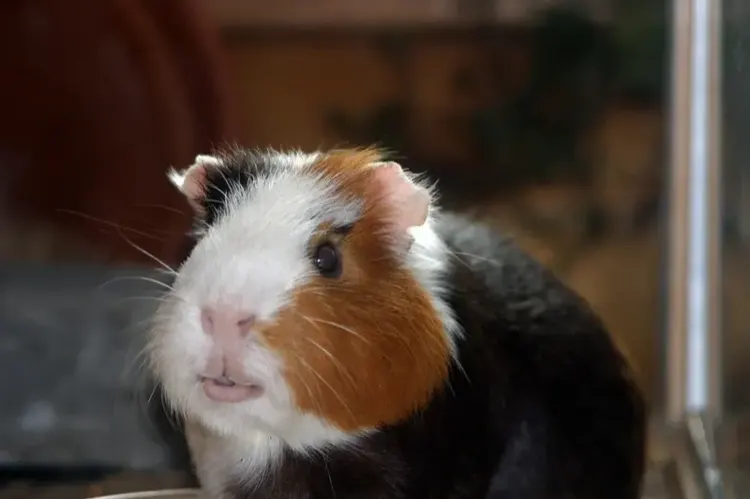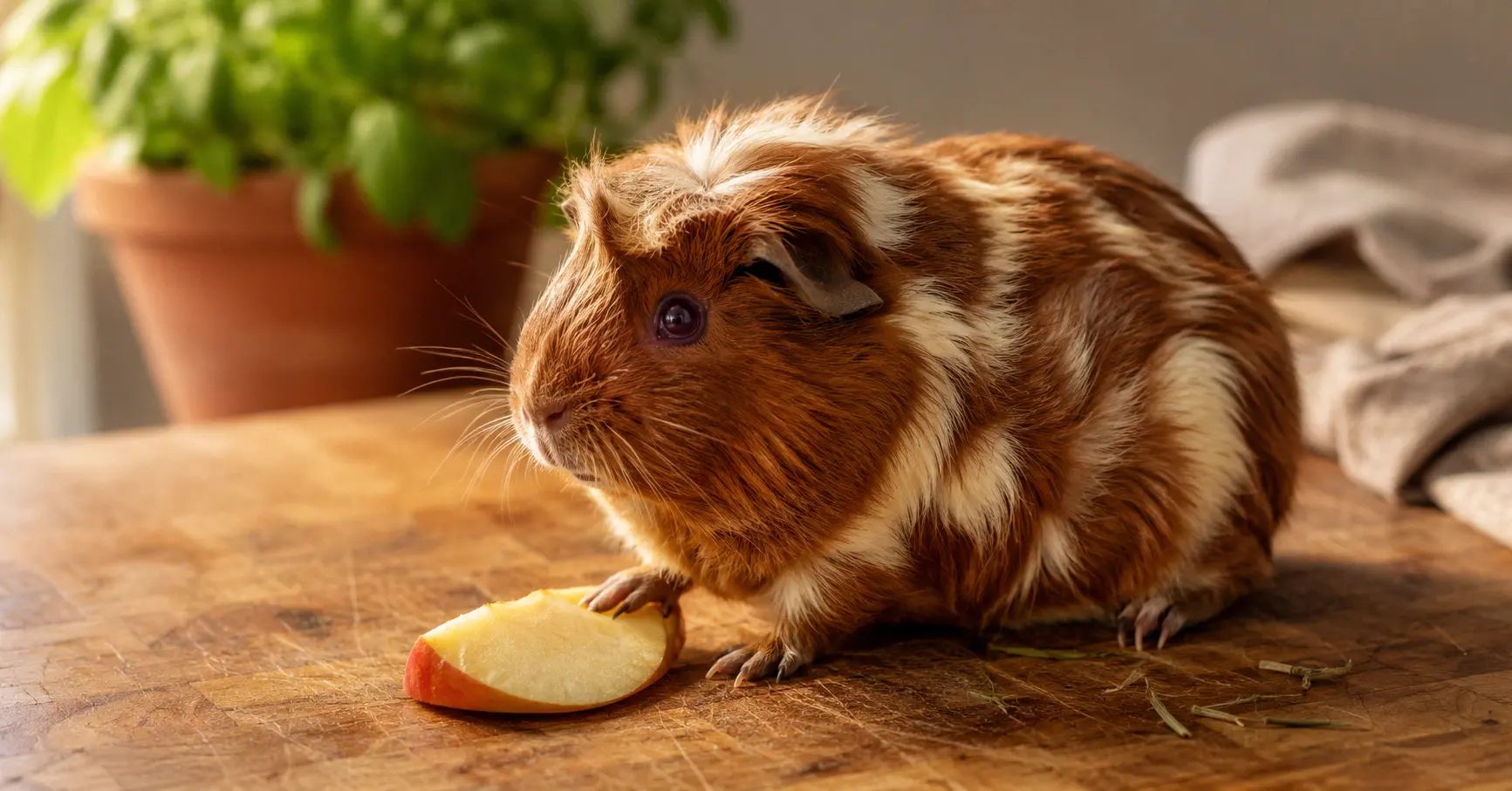

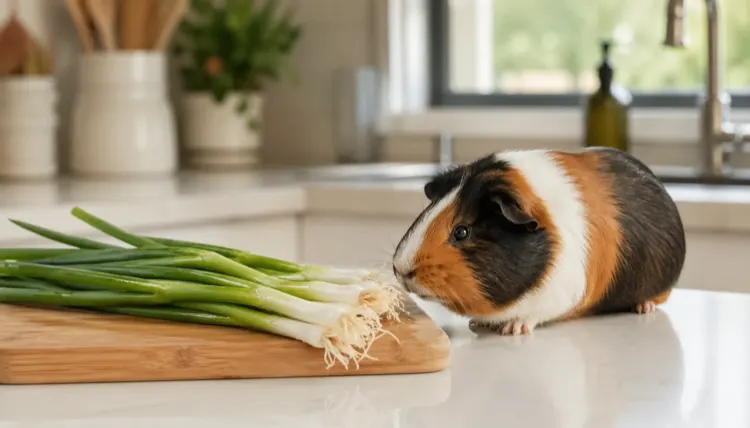
Green onions have two distinct parts, and only one is safe for your guinea pig. The green leaf tops are okay in small amounts, but the white bulb belongs to the Allium family and can harm your piggy’s red blood cells.
There’s a lot of conflicting advice online about this topic. Let’s clear it up.
What Are Green Onions?
Green onions, also called scallions, are a common vegetable found in kitchens everywhere.
They belong to the Allium family, a group of plants that includes leeks, garlic, chives, and regular onions. This family is known for its strong flavor and aromatic nature.
If you look closely at a green onion, you’ll see a small undeveloped white bulb with long green stalks growing from it. Both parts are edible for humans, but that’s not the case for guinea pigs.
Can Guinea Pigs Eat Green Onions?
The answer is both yes and no.
Guinea pigs are herbivorous animals, so they only eat plant-based foods like hay, pellets, fresh vegetables, and fruit. But not every vegetable is safe for them.
Green onions have two parts: the leaf and the bulb. You should only give your guinea pig the green leaf part.
The white bulb portion contains compounds similar to regular onions that can damage red blood cells in guinea pigs.
Many websites say green onions are completely toxic, but that’s not the full picture. The leaf portion, given in tiny amounts, does offer some nutritional benefits.
If you’re looking for safer vegetable alternatives, bell peppers and cilantro are excellent choices that don’t carry the same risks.
Health Benefits of Green Onion Leaves
The green leaf portions contain several nutrients that can benefit your guinea pig when fed in small amounts.
Proteins and Fiber
Green onion leaves contain carbs, proteins, and fiber. Carbs and protein give your guinea pig a quick burst of energy.
Fiber helps with digestion and improves bowel movements, which is critical for guinea pig health.
Healthy Fats
Green onion leaves contain small amounts of healthy fats that support brain function. They also contain zero cholesterol, which means your piggy’s blood vessels stay clear and cardiovascular health stays strong.
Vitamin C
Green onion leaves contain a solid amount of vitamin C. When guinea pigs eat these leaves, the vitamin C gets absorbed into their blood and helps prevent scurvy, one of the most dangerous conditions for piggies.
Scurvy damages skin and fur, causes bleeding, and leads to loose stool. Guinea pigs need 30-50 mg of vitamin C daily to stay healthy.
Vitamin B
Green onions are a great source of vitamin B, specifically B6 and folate. Vitamin B6 helps produce serotonin, while folate supports fetus development during pregnancy.
Green onion leaves also contain manganese and selenium, which help protect against disease. Zinc and iron are present too, supporting proper DNA metabolism.
Nutrition Facts Per 100g
In every 100g serving of green onions, you’ll find: carbs 3g, sugar 3g, fat 2g, protein 8g, vitamin A 20%, vitamin C 31%, vitamin E 3%, vitamin B6 3%, folate 16%, calcium 7%, iron 8%, sodium 1%, zinc 3%, copper 4%, manganese 8%, selenium 1%, and cholesterol 0mg.
What Risks Should You Watch For?
Before feeding green onion leaves to your guinea pigs, keep these dangers in mind.
Calcium Overload
Green onions contain calcium, which is good for bones in small amounts. But excess calcium overflows in your guinea pig’s body and leads to painful kidney or bladder stones.
These stones cause bloody urine, painful urination, and even renal failure. Only give tiny amounts of the green leaf portion to avoid this.
Digestive Upset
Too much fiber from green onions can cause loose stool, gas, diarrhea, and flatulence. Your guinea pig’s digestive system is far more sensitive than yours, so portion control is essential.
Sugar Content
Green onions contain a decent chunk of sugar. Guinea pigs don’t have strong enough digestive systems to process large amounts of sugar at once.
Too much can cause serious stomach problems.
Foods You Should Never Give Your Guinea Pig
Some foods are completely off-limits for guinea pigs: chocolate and “human treats,” dairy products, meat, corn, iceberg lettuce, tomato leaves, potatoes, anything with added sugar, rhubarb, raw beans, and multi-vitamins.
For a complete rundown of safe options, check out our guide to the best guinea pig foods.
Safer Alternatives to Green Onions
If green onions feel too risky, there are plenty of safer options. Consider beetroot leafy greens, lettuce, asparagus, cucumber, chopped peppers, pumpkin, or carrots.
Test new foods one at a time so you can spot any reactions. Some guinea pigs are pickier than others, so don’t worry if your piggy rejects something on the first try.
If you do choose to give green onion leaves to your guinea pig, remember to keep the portions tiny. Only the green leaf part is safe, and only in small amounts.
Final Thoughts
Green onions are a tricky food for guinea pigs. The green leaf tops offer some nutritional benefits in tiny amounts, but the white bulb portion is genuinely harmful.
If you’re unsure, it’s safer to skip green onions entirely and choose vegetables that don’t carry risks. Bell peppers, cucumber, and lettuce are all excellent alternatives that your piggy will love.
A balanced guinea pig diet built on hay, pellets, and safe fresh vegetables is always the best path forward.
Frequently Asked Questions
The white bulb part of green onions isn't safe for guinea pigs. It belongs to the Allium family and contains compounds that damage red blood cells. Stick to the green leaf portion only, and even that should be given in very small amounts on rare occasions.
Green onion leaves should be an occasional treat, not a regular part of your piggy's diet. Offering a small piece once a week at most is a safe approach. There are better vegetable options available that deliver the same vitamins without the associated risks of the Allium family.
A tiny nibble of the bulb probably won't cause serious harm, but watch your guinea pig closely for signs of distress. Look for lethargy, loss of appetite, or changes in urine color over the next day or two. Contact your vet right away if you notice anything unusual.
Scallions and green onions are the same vegetable. They're just different names for the same plant. Both terms refer to young onions harvested before the bulb fully develops. The same safety rules apply regardless of what your grocery store calls them on the label.