
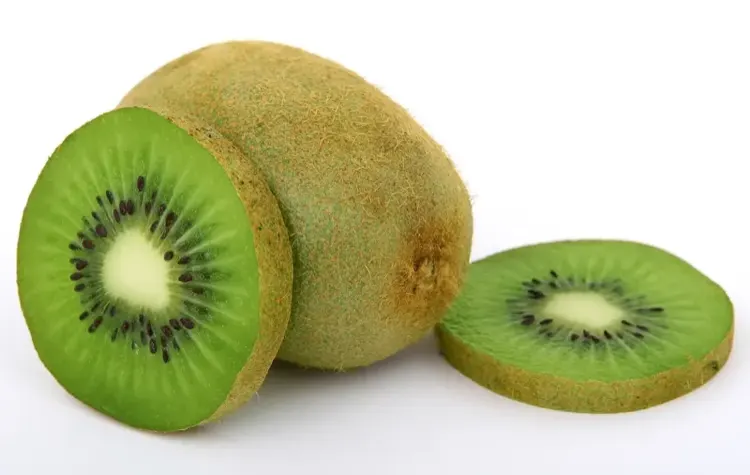
Kiwi is loaded with 92.7 mg of vitamin C per 100 grams, which is one of the highest amounts you’ll find in any fruit. That’s great since guinea pigs can’t produce their own vitamin C.
Peel the skin off before serving, keep portions small because of the sugar content, and limit kiwi to two or three servings per week.
Not all guinea pigs will love the tart flavor, so start with a tiny piece and see how yours reacts.
Can Guinea Pigs Eat Kiwi?
Guinea pigs can eat kiwi, but they should eat it in moderation because of its high sugar content. When feeding kiwi to your guinea pig, remove the peel first and then feed your pet small pieces at a time.
Watch for any changes in your pet when introducing changes to their diet. Like with any other vegetable or fruit, a small quantity is allowed and safe.
That doesn’t mean all guinea pigs will love the taste. Some may accept it while others don’t want it at all.
You should be careful when presenting kiwi to your guinea pigs for the first time. When your guinea pigs eat kiwi fruit, observe their stool and, in case you discover any changes or indications of problems, make urgent adjustments to keep them healthy.
Remember, 5% of a guinea pig’s nutrition comes from fresh vegetables and fruit.
What Are the Benefits of Kiwi for Guinea Pigs?
In general, kiwi (also called Chinese gooseberry) contains abundant useful ingredients that have a good effect on guinea pig health. For that reason, it’s a good idea to let your guinea pigs eat kiwi fruit two to three times per week.
Kiwi enhances eyesight and makes your pig’s skin healthier. It can also relieve pains and aches if your pigs get injured or hurt.
Kiwi enhances bowel movement, so if your guinea pigs suffer from constipation, it’s a good fruit to add to their diet. It also enhances your pet’s cardiovascular system health.
Kiwi is known for preventing breathing problems and protecting from oxidative cell damage. If you’re looking for other fruits with similar vitamin C benefits, strawberries and oranges are also solid options.
What Are the Nutritional Values of Kiwi?
For every 100 grams of kiwi according to the US Department of Agriculture:
- Vitamin C: 92.7 mg
- Vitamin B6: 0.063 mg
- Vitamin K: 40.3 mcg
- Vitamin A: 4 mcg
- Potassium: 312 mg
- Vitamin E: 1.46 mg
- Phosphorus: 34 mg
- Energy: 61 kcal
- Fat: 0.52 g
- Protein: 1.14 g
- Magnesium: 17 mg
- Calcium: 34 mg
- Dietary fiber: 3 g
- Carbs: 14.66 g
Vitamin C is the Most Important Ingredient
It helps strengthen the body’s immune system. Adding fruits like kiwi in small suitable quantities can be a substantial boost for your guinea pig’s vitamin C needs, as kiwi contains 93 mg per 100 grams.
Guinea pigs aren’t able to produce vitamin C, so their nutrition needs to contain a suitable amount to compensate for the deficiency within their bodies.
Other Key Nutrients
Vitamins
Kiwi also contains a good quantity of vitamin B-6 and vitamin E. These vitamins form an integral part of the diet and help preserve the general health of the body.
Vitamin K, which exists in a suitable amount in kiwi, has a essential role. It prevents excessive loss of blood in case of injury by enhancing blood clotting.
Calcium and Phosphorus
There’s a decent content of phosphorus and calcium, which are essential to the health of teeth and bones in guinea pigs.
Fiber
Fiber exists in a suitable amount in kiwi. It helps prevent diarrhea and diseases of the digestive system to keep it balanced.
Take care though, as too much fiber may cause digestion problems. Notice your guinea pig’s stool, and if it becomes loose, that’s an indication of stomach trouble.
Potassium
There’s a lot of potassium in kiwi, nearly 312 mg per 100 grams. It’s essential as it helps prevent calcification and the formation of bladder stones.
Other ingredients like iron, sugar, protein, magnesium, carbs, and fats are also present. There’s no cholesterol in kiwi, which increases its nutritional value.
Can Kiwi be Harmful to Guinea Pigs?
When guinea pigs eat too much kiwi fruit, this could be bad for their health. Although kiwi contains the perfect amount of minerals and vitamins, it also contains high amounts of calcium and phosphorus.
While phosphorus and calcium are useful for pregnant and young guinea pigs, they can be harmful to older guinea pigs. Bladder stones may form because of the high calcium content, which also affects urination and may cause pain.
The high amount of sugar in kiwi can cause serious issues like obesity, diarrhea, stomach pain, and increased blood sugar leading to diabetes. To avoid these harmful effects, make sure not to give your guinea pigs too much kiwi.
When feeding kiwi to guinea pigs:
- Give them a small piece or slice to make sure they digest it easily
- Pay attention to your guinea pigs’ stool, and if it changes color, visit the nearest vet
- If your guinea pigs are diabetic, avoid giving them kiwi as a snack since it may cause a spike in blood sugar
- Two to three servings of kiwi per week are enough
- It’s up to you whether you remove seeds from kiwi fruit before serving
Can Guinea Pigs Eat Kiwi Skin?
If you want to be on the safe side, you shouldn’t serve kiwi skin to your pigs. Kiwi has a rough, slimy texture that may lead to choking in guinea pigs.
Kiwi skin may cause choking, and contains most of the pesticides and chemicals sprayed on the fruit. Most of these chemicals get absorbed by the skin and don’t come off even with washing.
It’s advised that you wash the kiwi properly, then peel the outer surface before serving it to your guinea pigs.
Can Guinea Pigs Eat Kiwi Seeds?
Absolutely. They can eat kiwi seeds since they’re soft, similar to seeds of blueberries and tomatoes.
There are other types of seeds you shouldn’t give to your guinea pigs, like papaya, watermelon, and apple, as these seeds are rough and can cause injury to pigs’ throats.
In some cases kiwi seeds might be tricky for your pigs due to their tiny throats, so taking care is needed.
Can Guinea Pigs Eat Kiwi Berries?
Yep. Guinea pigs can eat kiwi berries and also their skin.
This type of kiwi has a sweeter taste than green kiwi and is smaller in size.
The skin of kiwi berries is edible and soft, so guinea pigs can eat them easily without risk of choking. Nutrients in kiwi berries are similar to green kiwi and have the same nutritional value.
They contain many useful nutrients like vitamin C, vitamin E, and minerals.
If you serve kiwi berries with their skin to your guinea pigs, remember to wash them properly with water before serving.
Can Guinea Pigs Eat Dried Kiwi?
Nope. Guinea pigs can’t eat dried kiwi.
The outer surface of dried kiwi is coated with granular sugar.
This type of sugar causes a high increase in sugar intake in a guinea pig’s diet, which is very harmful to their health.
You must be strict when feeding your guinea pigs any type of fruit with high sugar content, as this will make them prone to more diseases.
Can Guinea Pigs Eat Golden Kiwi?
For sure. Guinea pigs can eat golden kiwi.
Vitamin C exists in golden kiwi in a higher amount than green kiwi, but you should maintain serving a small slice as with green kiwi and not increase the feeding rate per week.
Guinea pigs can be persuasive and charming about treats and fruits. They’ll tempt you to become liberal and share more with them.
You must be firm and serve only the recommended quantity.
Which Foods Guinea Pigs Can’t Eat?
Dairy Food and Drink
Guinea pigs mostly consume plant food as they’re herbivores. This doesn’t mean guinea pigs can eat all plants, as some are poisonous and toxic.
Guinea pigs can’t tolerate dairy processed food since they’re lactose-intolerant. Any form of milk like cow’s milk should be avoided.
Only specific milk replacer is allowed.
Bread
Bread is unhealthy and lacks any nutritional value. Toast, wheat bread, and white bread aren’t useful to guinea pigs and other small animals.
The high concentration of starch in bread will lead to intestinal problems and may result in death.
Mushrooms
Mushrooms that grow on the ground are poisonous, toxic, and fungal growth, so they’re inedible. Store-bought mushrooms are great for human health but have no value to guinea pigs.
Any sort of seeds is also not allowed for guinea pigs as it can cause injury to their tiny throats.
Cheese
Guinea pigs can’t eat cheese as it contains undesirable ingredients. It may be downright dangerous for their health.
Generally, junk food isn’t suitable for guinea pigs and should be kept away from them.
Honey
Though it’s very delicious to us, honey contains a high amount of sugar and is sticky, so it’s not suitable for guinea pigs. Honey sticks which contain a small amount of honey and other ingredients aren’t as harmful as pure honey, but they must be in small amounts as they’re not considered a dietary supply.
Meat
Guinea pigs are herbivores. They can’t digest any type of meat.
Source: guinea pigster
Which Fruits Can Be Alternatives to Kiwi?
A lot of fruits can be alternatives to kiwi if you want a healthy snack for your guinea pigs. These fruits taste delicious and are also useful since they contain similar amounts of minerals and vitamins.
If your guinea pigs are diabetic, you can try some of these alternatives to avoid the risk of high sugar content in kiwi. The most popular kiwi alternatives include pineapple, celery, banana, mango, rockmelon, oranges, and strawberries.
Celery
It’s very safe for guinea pigs and known for its high fiber content, which prevents diarrhea and digestive system diseases. It’s also believed to help lower blood pressure.
Banana
One of the most important sources of vitamin C and B, and important minerals like potassium and magnesium. Bananas are excellent for guinea pigs with loose stool, but too much may cause constipation so balance is key.
Some guinea pigs prefer banana peel and ignore the fruit itself, while others refuse to eat the skin. The peel is rich in potassium.
Mango
Mango is a tropical fruit with high fiber content and vitamins like A, B6, C, and E. It has a sweet taste that guinea pigs would surely like.
Don’t forget to cut it into small pieces to make digestion easier and avoid the risk of choking.
Rockmelon (Cantaloupe)
Sweet and juicy fruit with good nutritional value, safe for guinea pigs within limitations. Rich in vitamin C and vitamin A.
It contains sugar at 5.7 grams per 100 grams and dietary fibers at 1.2 grams per 100 grams.
Source: Melons Australia
Oranges
Be careful, as too many oranges can cause your pigs an upset stomach because of the sugar. This can lead to stool problems and other digestive concerns, so limited amounts are recommended.
Vitamin C content is higher in kiwi than in orange.
Strawberries
Many guinea pigs prefer the green leaves of strawberries to the fruit itself. Take care when feeding strawberries since they’re always exposed to pesticides on farms.
They sit at the top of the list of pesticide use.
Wash them properly to protect your pets, or you can grow strawberries in your garden with simple tools.
Guinea pigs are also known for their liking of papayas, peaches, cucumbers, apples, and pears. Be careful with your guinea pigs and get their diet from [amazon link=“B079RR6CC3” title=“reliable sources such as Amazon”] because they deserve all care and love from us.
What Food Guinea Pigs Should Eat?
The first choice is natural food. Stay away from artificial components and artificial colorings.
Vegetables
Some owners feed their guinea pigs up to a cup of vegetables every day. It’s useful and full of health benefits.
Peppers contain lots of vitamins, especially vitamin C, which is important for guinea pigs. Most piggies prefer red bell pepper.
Green vegetables like kale, cucumbers, carrots, and mustard greens are good for pigs too.
Fruits
Many types of fruits can be used as treats. Fruits can’t be served in higher amounts, as they contain acid and sugar which may cause obesity, sores around the mouth, and diabetes.
Twigs
A small branch of a pear or apple tree is great for your guinea pig’s teeth. Pigs will nibble on these twigs to make sure their teeth are wearing down.
Which Foods to Avoid Giving to Guinea Pigs?
Just because you find some types of food delicious doesn’t mean you should give them to your pigs. Don’t give your pigs meat, pastries, and potatoes, as they can’t digest them.
Chocolates and sweets aren’t allowed due to their high sugar content, and dairy products should be avoided too. Pigs aren’t able to digest any dairy product and it’ll likely give them stomach upset.
Nuts and seeds are dangerous as they may cause injury to their digestive tracts and get stuck between their teeth. Crackers and cereals are also bad for guinea pigs, as these types of food absorb much liquid and cause unpleasant feelings.
What is the Best Way to Serve Kiwi to Our Guinea Pigs?
Serving kiwi to your pigs should be done as follows:
- First, choose the right kiwi. It must be ripe and fresh, as unripe or stale kiwi can cause digestive problems
- Wash kiwi fruit properly to clean the skin from chemicals and pesticides that can cause harmful effects
- Peel off the skin to be on the safe side, then slice kiwi fruit into four small parts to make it easy for digestion
- It’s up to you whether you remove seeds from kiwi or not, although being on the safe side is the best choice
- Serve one or two parts of kiwi to your pigs
- Don’t forget to remove the remnants of any fruit from your pig’s cage to keep it clean and avoid attracting rats and flies
What is the Essential Guinea Pig Diet?
Hay is the most essential part of your pet’s diet. It must be clean, dry, and fresh every time you serve it.
Hay enhances the health of their digestive system.
Without a suitable amount of hay in your pig’s diet, the digestive system may be negatively affected and shut down.
What Are the Common Types of Hay in Guinea Pigs’ Diet?
Alfalfa Hay
It’s a legume, not grass. It’s suitable for young pigs up to one year old during the nursing period due to its high protein and calcium content.
In this period, the body grows rapidly and they need extra calcium and protein. Pregnant pigs also need these extra nutrients.
But don’t forget that too much alfalfa hay with high calcium amounts may cause bladder stones, so keep a balanced diet.
Timothy Hay
Best grass for adult guinea pigs and should be served as a regular diet. It must be fresh and free from dust to protect your pets from respiratory diseases.
Final Thoughts
Guinea pigs can safely eat kiwis, and the fruit is rich in many useful ingredients, especially vitamin C, antioxidants, and fibers. The best thing you can offer your pigs is a balanced diet that contains all kinds of nutrition.
Make sure to feed them different types of allowed fruits and veggies. Maintain suitable amounts of kiwi at two or three times per week, and always clean and peel the fruit before serving.
Frequently Asked Questions
Always peel kiwi before serving it to your guinea pig. The fuzzy skin has a rough texture that creates a choking risk, and it tends to hold onto pesticides and chemicals even after washing. Stick to the peeled flesh only, cut into small pieces for safe and easy eating.
Two to three small servings per week is the safe limit for kiwi. Each serving should be one or two small slices. The sugar and calcium content can cause obesity, diarrhea, and bladder stones if you feed too much, so don't let your piggy talk you into extra portions.
Golden kiwi actually contains more vitamin C than the green variety, which makes it slightly more beneficial for scurvy prevention. The serving guidelines remain the same though. Offer one or two small slices, no more than two to three times per week, regardless of which type you choose.
Not every guinea pig enjoys kiwi's tart flavor, and that's perfectly normal. Try other vitamin C rich fruits like strawberries, oranges, or blueberries instead. You can also offer bell peppers or broccoli, which are excellent non-fruit sources of vitamin C that most piggies enjoy.