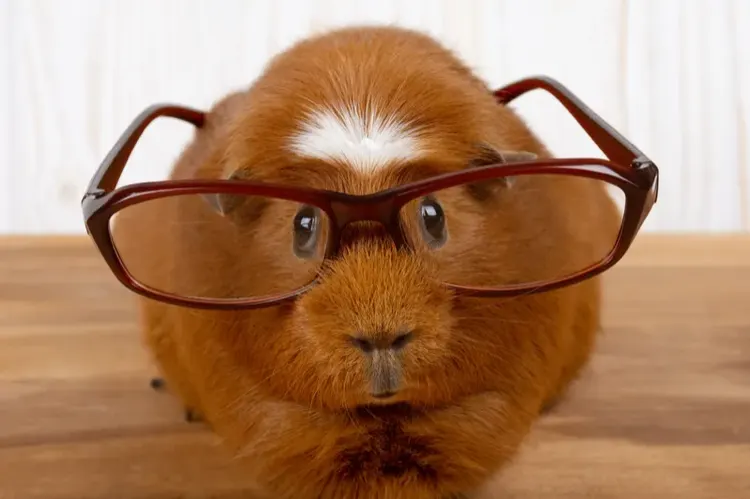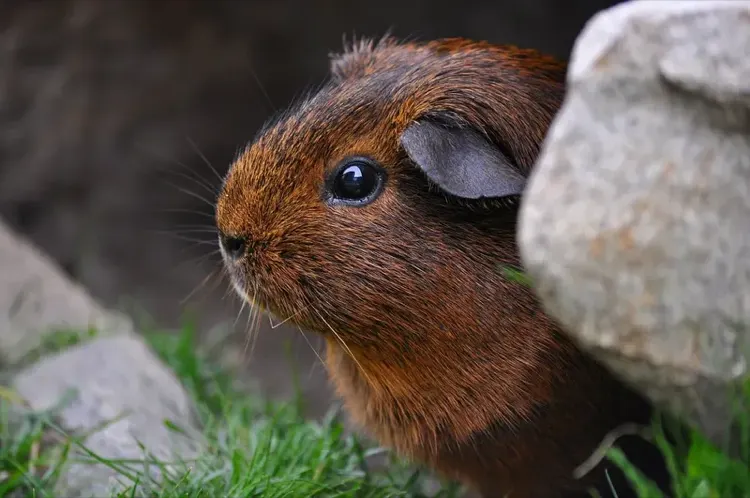

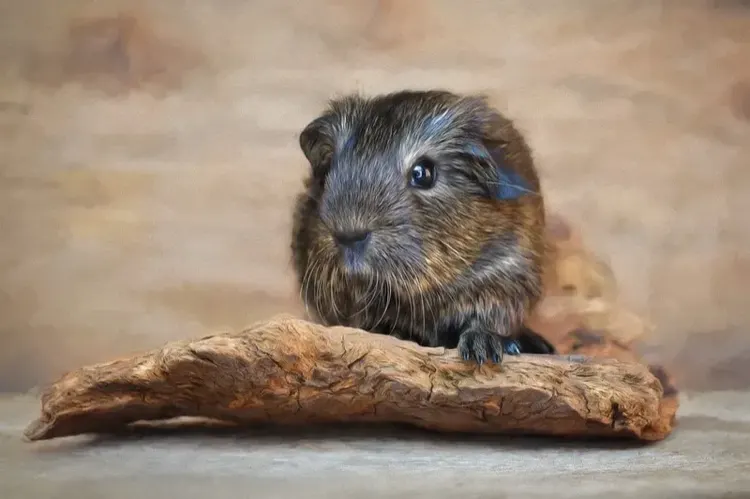
You’re tired of cleaning poop from every corner of your guinea pig’s cage. Is there a better way?
There’s. Guinea pigs tend to use the same spot for their bathroom, which makes litter training possible.
It won’t work like training a dog, but with a small litter tray in the right corner, many owners see real results.
The trick is patience. Some piggies catch on in days, while others take weeks.
Here’s a step-by-step approach that gives you the best chance of success.
Definitive Guide to Potty Training Your Guinea Pig
So, where do we start? Rodents like guinea pigs aren’t as expressive as other animals, so reading their needs takes a bit of practice.
Here are 10 definitive steps to guide you through successfully potty training your guinea pig.
Know Your Guinea Pig
It’s important to know about any animal’s habits before you start training them. Understanding your guinea pig’s personality makes potty training much easier.
Guinea pigs love privacy more than most pets. They tend to pick one spot for eating, sleeping, and toileting, and they’ll stick with it as long as they feel safe there.
They’re environmentally sensitive too. Once they settle into a safe location, adjusting to changes takes time.
As prey animals, they’re very cautious about where they poop and urinate. They like to scent their territory to maintain their survival instinct.
Although guinea pigs are very playful and fun-loving, they’re more active during dawn and dusk. They’re more comfortable with darkness, which gives them both safety and privacy.
Cage Build Up
Litter training starts with how you set up the cage. You need to provide your guinea pig with a proper cage build-up that creates the right environment.
The proper environment includes the right location, cage size, style, lighting, bedding, litter tray, exercise pens, food dishes, and water bowls. Here’s a quick cage build-up tip.
Size
The cage needs to be roomy since guinea pigs rely more on floor space for exercise than vertical space. A larger roaming area is one of the most important things we can provide.
With enough room, guinea pigs can happily coexist with others in the same cage. They can exercise independently, and they have space to showcase their wide range of natural behaviors and personalities.
Location
Location is another crucial aspect to consider carefully. Guinea pigs love attention, so it’s better to keep them near the family space where you can easily interact with them.
For sanitary reasons, keep them away from the kitchen and young kids or infants. Since guinea pigs are prey animals, avoid keeping them around predator pets like dogs and cats.
Make the cage predator-safe if you have such pets.
Guinea pigs are also sensitive to sound and noise, so choose a quiet place for the cage.
Temperature
Heatstroke is a real risk because guinea pigs can’t sweat. But cold is equally dangerous, so unheated spaces are out too.
The best solution is to keep them at room temperature away from large doors and windows, radiators, fireplaces, and other places with excess heat or cold exposure.
Observation
The primary key to successful potty training is understanding their potty behavior. A guinea pig’s potty behavior depends on many factors, including their age, weight, eating habits, and activity level.
Every guinea pig has its own pattern.
Carefully observe your guinea pig’s activities in the cage and try to understand their routine. Although they change it sometimes, guinea pigs tend to use the exact location as their toileting spot.
If you can identify your guinea pig’s favorite toileting spot, the rest of your task becomes a lot easier.
The Right Litter Tray
After observing your guinea pig’s potty habits, it’s time to choose a proper litter tray with an ideal shape and size for your guinea pig’s comfort. You can buy pre-manufactured trays or build and set them up on your own.
Since guinea pigs are environment-sensitive, it’s essential to make your guinea pig familiar with their new tray before placing it in the cage. You can do this by training them to jump into the litter tray during playtime and rewarding them with treats for every successful attempt.
Placement of Tray
Once your guinea pig is familiar with the litter tray, you can place it in the cage at their favorite spot. Knowing your guinea pig’s favorite spot is tricky, but if you keep following their cues, you’ll succeed.
A quick hint: usually, the cage’s corner is the area where guinea pigs prefer to do their business.
It’s better to cover the tray floor with newspaper to differentiate it from the cage’s fleece. This helps signal to the guinea pig that these are two different spaces.
Guinea pigs seek privacy for toileting, usually in a darker spot. Try to create a darker area around their tray using cardboard or a piece of cloth as a roof.
Just make sure it doesn’t disturb your guinea pig’s comfort zone.
Potty Training Time
In the beginning, the guinea pig needs to stay close to their litter tray as much as possible. The best way to achieve this is by putting some hay in and around the litter tray, which keeps your guinea pig interested near the tray.
They’ll use the litter tray, or at least the space around it, to poop or urinate whenever nature calls. You can also set up bedding in the litter tray if possible, since they love to do everything in one place.
When poop mishaps occur (and they will), put the droppings in the tray yourself. By doing so, they’ll get the hint that the tray is the right spot for bathroom breaks.
This is the hardest step, no doubt. But guinea pigs are smarter than most people think, and your patience will pay off.
Guinea Pig Loves Treats
Guinea pigs are motivated by food. Whenever they use the litter tray, hand over their favorite treats right away.
That immediate reward connects the behavior to the prize. They’ll catch on faster than you’d expect.
There are some important aspects to consider, like the type of food, amount to feed, and timing for a healthier guinea pig with a better potty cycle. Here’s a short note on essential food types you can include in the guinea pig diet.
Water
Fresh water is non-negotiable. Your guinea pig needs a constant supply of clean water at all times.
Consider using a proper water bottle rather than a water bowl. This avoids tipping and maintains a clean, hygienic, and dry cage.
Grass
Guinea pigs are herbivores and love green grass. Provide them with a handful of grass, but first carefully check it for any dangerous plants like buttercups and daisies, which can be very dangerous for them.
Hay
Hay is an important and natural part of a guinea pig’s diet that you shouldn’t skip. It also gives their stomachs roughage for digestion.
It can double as bedding to keep them warm in the winter.
Pellets
Guinea pigs need vitamin C to stay healthy, but they don’t produce it naturally. Provide them with diets rich in vitamin C like pellets, along with vitamin C supplements as an added option.
Leafy Greens and Fruits
You can also feed them leafy greens and fruits such as broccoli, spinach, and parsley. These are great sources of vitamin C and other important nutrients, and they’re essential parts of any guinea pig diet.
Dry Food
Dry food is another excellent vitamin C-rich option for your guinea pigs. It can’t completely substitute fresh veggies and other fresh food, but it’s a great treat during daily play and training time.
Timely Litter Clean Up
Nobody wants a dirty bathroom, and guinea pigs agree. Their small bladders mean frequent urination, and they poop constantly too.
It’s better to regularly check and perform timely clean-ups of the tray to avoid buildup and maintain a healthier environment.
Cage Clean Up
A clean environment isn’t optional. Clean the cage at least once or twice a week following proper cleaning procedures.
Good sanitary habits help keep the guinea pig active and away from health issues. Guinea pigs take time to adapt to new changes, so while cleaning, avoid a complete makeover.
Make as minimal changes as possible.
A huge cage makeover confuses the guinea pig and can undo everything you’ve taught them, meaning you’d have to start over.
Patience Is the Key
Guinea pigs can’t tell you what they need the way dogs or cats can. They naturally eat, potty, and sleep in one location, but that doesn’t mean they’ll use your litter tray right away.
Expect trial and error. Lots of it.
Don’t get frustrated. Treat your guinea pig with love and keep at it consistently.
Progress shows up when you least expect it.
Why Is Potty Training a Guinea Pig Important?
Guinea pigs do potty a lot compared to other animals. The frequency can fluctuate depending on their health, exercise, age, diet, and weight.
A guinea pig’s cage can become messy and unhealthy without proper potty training. Maintaining a cage scattered with waste and stains is a hard and time-consuming task.
Lack of proper sanitation leads to unhappy and unhealthy guinea pigs. So it’s clear that potty training is worth the effort, even though it takes time.
Here are three main benefits of proper potty training.
Clean and Healthy Environment
Well-trained guinea pigs and properly managed cages help maintain a clean and healthy environment. This helps prevent respiratory and urination-related diseases like pneumonia, diarrhea, scurvy, tumors, urinary calculi, parasites, and skin infections like bumblefoot.
Since guinea pigs are rodent pets, a properly maintained cage also keeps the environment around your home safe from various infections and diseases that can spread to humans.
Easy to Clean Cage
Since a well-potty-trained guinea pig will use the litter tray most of the time, cleaning the cage is a lot easier and less time-consuming. You also don’t need to replace the cage’s fleece as often.
It’s much more economical to maintain overall.
Get to Know Your Guinea Pig Better
Beyond the benefits of a cleaner environment and easier maintenance, there’s another significant benefit. Throughout potty training, you spend a lot of time with your guinea pig and get a chance to observe their behaviors closely.
By the time you’re done training, you’ll know much more about their food habits, bedding preferences, play habits, and other quirks. These smart animals also become aware of your love and affection, which creates a stronger bond between you.
Final Thoughts
Absolutely. You can potty train a guinea pig.
It takes patience, consistent routines, and the right cage setup.
Some piggies learn fast, while others take weeks.
A well-trained guinea pig means a cleaner cage, a healthier environment, and a happier pet. The bond you build during the training process is an added reward.
It’s worth putting in the time and effort. A litter-trained guinea pig makes daily cage maintenance so much easier for every pet owner.
Frequently Asked Questions
Most guinea pigs show noticeable progress within two to four weeks of consistent training. Some piggies catch on in just a few days, while others take a month or longer. A few guinea pigs never fully learn, so don't get discouraged if results come slowly.
Young guinea pigs can start learning litter habits once they're comfortable in their cage. Babies tend to adapt faster than older piggies because they haven't established strong habits yet. Start by placing hay near the tray and rewarding them for using it.
Paper-based bedding or fleece liners work well inside a guinea pig litter tray. Avoid cedar or pine shavings, as the oils can irritate their respiratory system. Line the bottom with newspaper first, then add a layer of safe, absorbent bedding material on top.
Most guinea pigs won't achieve perfect accuracy like a dog or cat would. You can realistically expect them to use the tray about 70 to 80 percent of the time. Occasional accidents outside the tray are completely normal and shouldn't be cause for concern.