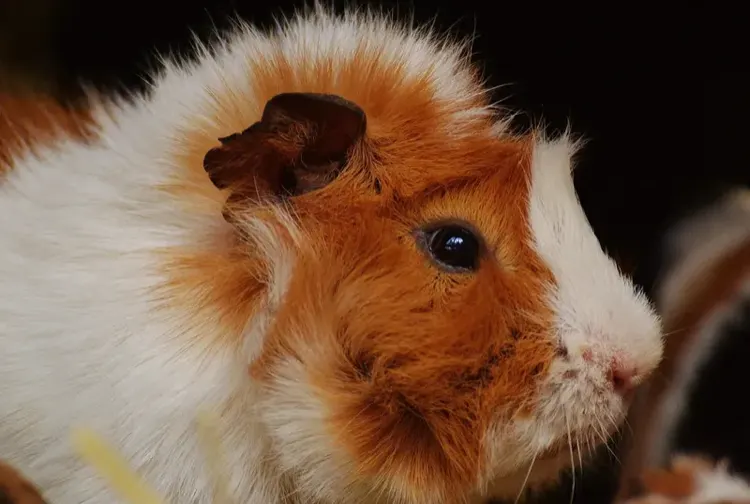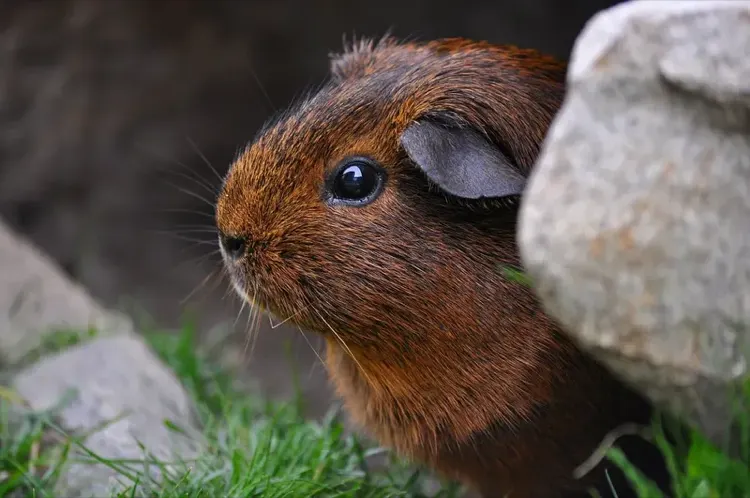


You left some soft piano music playing and noticed your guinea pig closing its eyes and purring. Coincidence?
There’s no scientific proof yet, but many guinea pig owners report that calm, quiet music relaxes their pets.
Guinea pigs can hear frequencies up to 50,000 Hz, far beyond human range, so their ears are incredibly sensitive. Loud music is a definite no.
Here’s how to figure out what type of music your piggy enjoys and how loud is too loud.
Do Guinea Pigs Like Music?
No scientific proof backs this up yet, but plenty of owners swear that gentle music helps their guinea pigs relax. The best way to find out is to experiment: play different types and watch your piggy’s reaction.
Body language tells the whole story. Guinea pigs have their own tastes, just like we do.
Some guinea pigs might enjoy music, some might dislike it, and sometimes they’re just not in the mood.
Does Music Calm Guinea Pigs?
Lots of pet owners say certain genres calm their animals down. Guinea pigs seem to respond well to music when they have company and the tunes keep playing softly.
Piano music, soft guitar, bell sounds, and calming playlists work well at low volume. If it relaxes you, there’s a good chance your piggy will respond to it too.
If you like loud music, listen with headphones on because guinea pigs don’t like loud and noisy environments. Some guinea pigs enjoy music, but loud or unfamiliar noises frighten them.
Guinea pigs aren’t nocturnal, so they’re alert and listening throughout the day.
What Music Do Guinea Pigs Like?
For people, therapists recommend soft and calming music. But some people enjoy fast rhythms and loud beats.
Just like people, each guinea pig has its own personality and preferences.
Some guinea pigs don’t like music at all. Or sometimes they’re not in the mood.
Many guinea pig owners think soft, calm music makes their guinea pigs happy and relaxed.
Soft piano music or violins may be perfect. You can experiment and play different music genres for your piggies.
Your guinea pig might enjoy music or find it stressful, depending on its personality. Keep a close eye on your pets so you’ll better understand their preferences.
Just never play loud music for your guinea pig. Their ears are sensitive, so play music at a very low volume with fewer changes in frequency.
Is There Music for Guinea Pigs?
Spotify, YouTube, and Amazon Music feature specific relaxing music playlists for pets. You can type “guinea pig music” in the search bar and you’ll see playlists you can choose from.
There are countless YouTube videos and music playlists you can play for your pets. Many contain extended sounds that stretch from one hour to 24 hours of continuous music.
Does Calming Music Help Guinea Pigs?
Quiet and calming music can help guinea pigs feel safe, calm, and relaxed. If you want to cheer them up and make them more active, don’t play loud and fast music.
Instead, play cheerful but soft pop or jazz at a low volume. Observe how your guinea pig reacts to determine which type of music and rhythm suits them best.
If your guinea pig seems stressed, it might appreciate a quiet hideout to retreat to instead.
Do Guinea Pigs Like When You Sing?
Guinea pigs may enjoy your singing if you sing softly to or around them. Don’t try to perform a rock concert or opera near them, as sudden loud sounds will cause them a lot of stress.
Singing softly can actually be a nice bonding activity, similar to how guinea pigs enjoy cuddling with their owners.
What Kind of Music Do Pigs Like?
Soft and calm music like piano covers of your favorite songs, chimes, and water sounds will soothe your guinea pigs. All guinea pigs have different tastes and preferences, so experiment with playing different music.
While some guinea pig owners claim their pets enjoy listening to popular rock and pop, others are sure their pets prefer jazz, blues, classical, or instrumentals. Just make sure never to play loud music or tracks with lots of changes in volume or rhythm.
Are Guinea Pigs Sensitive to Music?
Their hearing is far more sensitive than ours. As prey animals, guinea pigs evolved to detect the faintest sounds from potential predators.
They can hear your music, but they process it differently. Quiet, soothing sounds are fine.
Loud noises, sudden pitch changes, heavy bass, and vibrations are painful for these small animals.
How Do I Know if Guinea Pigs Like Music?
Guinea pigs who enjoy music frequently close their eyes and make small purring sounds. If your guinea pig is calm and behaves normally, you can assume it’s content with whatever music you have playing.
Your guinea pig’s behavior will reveal everything. If your guinea pig shrieks, whines, or chatters its teeth, it’s afraid and under stress.
Turn off the music right away.
Here are signs your guinea pig is enjoying the music:
- Purring contentedly
- Continuing to eat while listening
- Popcorning (jumping into the air)
- Maintaining normal activity levels
When music is playing, your guinea pig may become hyperactive, which can be a sign of distress. If your guinea pig refuses to engage in normal activities while music plays, it could mean it’s in pain.
How Loud Should I Play Music for My Guinea Pigs?
Guinea pigs have a higher sensitivity to sound than humans. The hearing range of a guinea pig is approximately 54 to 50,000 Hz.
Loud noises or high-frequency sounds can be stressful and irritating.
Loud and jumpy music with basses and drums can harm your guinea pig’s ears. If you want to listen to these types of music, do so quietly, with headphones, or away from your guinea pigs.
Play music at a low volume. It should be loud enough to hear but not so loud that you can hear it from another room.
How Do Guinea Pigs React to Loud Music?
As prey animals, guinea pigs are wired to fear loud sounds. Their keen hearing makes loud music genuinely distressing.
Unexpected or prolonged noise terrifies them. Worse, it can actually damage their hearing permanently.
Their acute hearing evolved as a defense mechanism to help them flee from predators.
Guinea pigs have more sensitive hearing than humans. Sounds that are normal for us may be too loud or unbearable for your guinea pig.
When listening to music near your pet, keep this difference in mind.
If you leave background music on for your guinea pig, it should be very soft and soothing. Music can scare a guinea pig, especially when it’s too loud or fast-paced.
Try to protect your guinea pig’s ears from:
- Loud and aggressive music
- Sudden loud alarm clocks
- Loud bangs like slamming doors
- Shouting and screaming
Many of these noises are beyond your control, but be aware of them and try to limit their effects. If your piggy seems consistently stressed by household noise, its sleeping patterns could suffer too.
Final Thoughts
Guinea pigs can hear music, though their perception of it differs from ours. You’ll figure out what your piggy likes by observing its behavior while playing different genres at a low volume.
Never play loud music around your guinea pigs. Their sensitive hearing detects sounds much better than we do, and sudden or high-volume noise causes real stress.
Keep it soft, watch for their reactions, and let your piggy tell you what it enjoys.
Frequently Asked Questions
There's no evidence that music heals sick guinea pigs, but soft sounds may reduce stress during recovery. A calm environment supports healing overall. If your guinea pig is ill, focus on veterinary care first and use gentle background music only as a small comfort.
Leaving soft background music on can help reduce loneliness, especially for guinea pigs living alone. Keep the volume low and choose calm instrumental playlists. Avoid tracks with sudden volume changes, and make sure music won't loop into louder songs while you're gone.
Some guinea pigs genuinely prefer silence, and that's completely normal. If your piggy seems relaxed without music and shows stress when you play it, respect that preference. Every guinea pig has a unique personality, so don't force music on a pet that doesn't enjoy it.
Prolonged exposure to loud sounds can permanently damage a guinea pig's sensitive ears. Their hearing extends to 50,000 Hz, making them far more vulnerable than humans. Keep music at low volume and avoid placing speakers or TVs near their cage to protect their hearing.