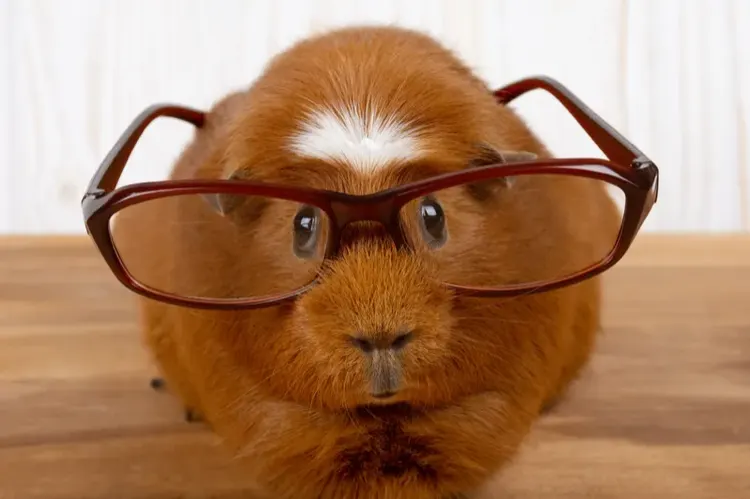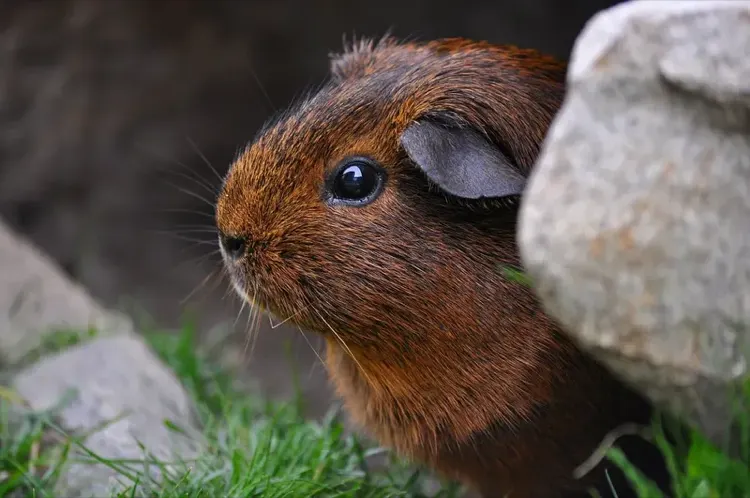

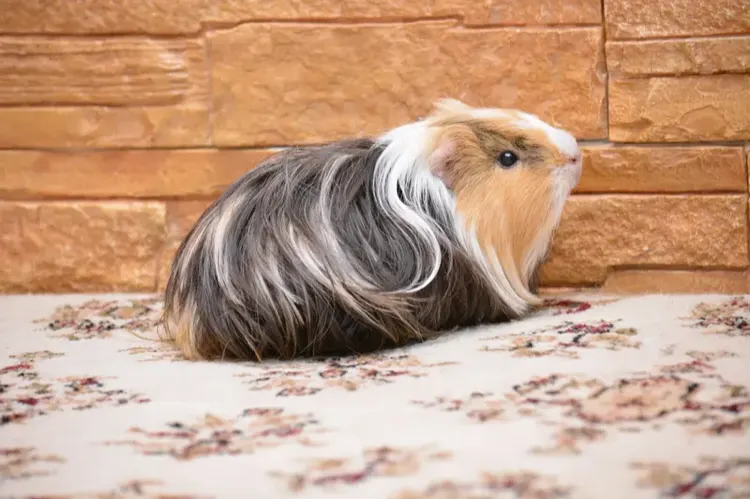
You want a guinea pig but you’ve heard they stink up the house. The guinea pig itself is quite clean and grooms regularly.
The smell almost always comes from the cage, specifically from urine and droppings building up in the bedding.
Male guinea pigs can smell a bit stronger because of their grease gland, a dime-sized organ near the tailbone that secretes a waxy substance. Here are 10 proven tips to keep your guinea pig and your home smelling fresh.
Why Do Guinea Pigs Smell?
It’s usually not the guinea pig causing the odor. The smell comes from their environment.
A guinea pig’s cage serves as their sleeping area, bathroom, and entire home, so it makes sense that it starts to smell.
Since guinea pigs spend most of their time in their cage, they often get blamed for the scent that’s actually coming from soiled bedding. They pick up odors from their shavings and surroundings over time.
Guinea pigs are generally clean animals. When their cage is kept clean, they stay fresh through self-grooming and an occasional bath.
Do Male Guinea Pigs Smell More Than Females?
Even though all guinea pigs self-groom and stay fairly clean, some male guinea pigs carry a stronger scent than females. This comes from their grease gland, sometimes called a scent gland.
Wild males used this gland to mark territory and attract mates. The secretion looks and feels like ear wax, and some guinea pigs produce way more than others.
Left alone, that waxy buildup gets funky fast. Managing the gland and swapping bedding frequently keeps your home from smelling like a barn.
How Do I Care for the Grease Gland?
Young guinea pigs barely have a noticeable grease gland. Hit adolescence, and that changes fast.
Dominant piggies tend to produce more secretion. Neutering often dials it back, but it won’t eliminate it entirely.
Female guinea pigs have them too, but theirs aren’t as active as males’.
The gland secretes oil that guinea pigs rub on surfaces to mark their space. Over time, the scent intensifies.
Regular guinea pig shampoo won’t cut through it. Coconut oil works better.
Rub a small amount around the gland base to loosen the waxy buildup, then rinse the area clean.
10 Tips To Make Them Smell Good
A guinea pig can be a wonderful addition to any home. Here are 10 practical tips to keep them and their habitat smelling fresh.
1. Clean the Cage Weekly
Nothing else on this list matters if you skip this one. Clean the cage at least once a week to remove urine and dropping odors.
This means stripping out all bedding, washing the bottom and sides with soap, and refilling with fresh bedding. Spot cleaning is also helpful and should be done daily, just like you’d spot clean a litter box.
After washing with soap and water, you can use a 10% white vinegar solution (1 part vinegar to 9 parts water) as a rinse before drying the cage base. Using this vinegar rinse once a week helps eliminate lingering odors.
2. Spot Clean Daily
Your guinea pig eats, sleeps, and goes to the bathroom in the same space. A quick daily pickup makes a bigger difference than you’d expect.
The daily routine involves removing droppings and any bedding that’s gotten dirty or damp. How easy this is depends on which bedding you’re using.
Some bedding like Carefresh is very absorbent and won’t get soggy quickly. If you use fleece cage liners, droppings sit on top and are easier to pick up, though the liner gets damp faster.
You can pick them up with gloves or a small dustpan and brush. Since most guinea pigs use one corner of their cage as a bathroom, daily cleanup should be quick.
3. Use a Cleaning Spray
Soap and water handle most of the mess, but a pet-safe cleaning spray tackles the lingering scent that sticks around. Use it during your weekly deep clean after the initial wash.
The ideal cage cleaner will be marked as safe for small animals and free from harsh fragrances. If you can’t find a dedicated cleaner, mix white vinegar and water in a 1:1 ratio in a clean spray bottle.
Wipe down the area with a cloth, then rinse with plain water to remove any residue. Make sure the cage is completely dry before adding fresh bedding.
4. Litter Box Training
Some guinea pigs take to a litter box surprisingly fast. Others never quite figure it out.
That’s just how it goes.
Don’t blame your guinea pig if it has accidents outside the box. Litter box training can make your daily spot cleaning much easier.
Place the litter box in the corner where your guinea pig already likes to go. Never fill it with cat litter, as that can be harmful to guinea pigs.
Always use appropriate guinea pig bedding.
With a litter box, you can easily remove waste without searching through the entire cage every day.
5. Odor Control Bedding
Odor control bedding buys you time between cleanings. It won’t replace spot cleaning or weekly deep cleans, but it helps bridge the gap.
Bedding made from paper-based products like Carefresh works well for odor absorption. Avoid cedar and pine shavings, as they can irritate a guinea pig’s respiratory system and cause allergic reactions.
Only use odor control products made specifically for guinea pigs or other pocket pets.
6. Check the Grease Gland (Male Guinea Pigs)
You may notice a gunky spot near your guinea pig’s tailbone area. The grease gland produces secretions for scenting and marking purposes.
It’s a dime-sized area that emits an oily, waxy substance.
It’s a bit yucky, but completely normal. Check your male guinea pig’s grease gland weekly to make sure there’s no buildup.
Buildup of this waxy material can lead to odors and discomfort. If you feel any buildup around the gland, cleanse the area with coconut oil to loosen the waxy material, then wash clean.
7. Visit an Exotic Pet Vet
Most odor issues have simple fixes. But persistent smell despite thorough cleaning is a red flag.
Guinea pigs live 5-6 years on average, with some reaching 8.
If you notice that a strong smell persists no matter how thoroughly you clean the cage, consider a vet visit. Guinea pigs can develop ear infections, urinary tract infections, skin infections, and other conditions that produce odors.
8. Watch What They Eat
Avoid foods that cause upset stomachs, as these can make droppings smell stronger. Guinea pigs are herbivores, so no dairy, eggs, meat, or insects.
Fresh hay and leafy vegetables should make up most of your guinea pig’s diet. Dump out food and water daily, clean the dishes, and refill with fresh supplies.
Some foods that may cause digestive issues include broccoli, brussels sprouts, dairy products, and avocado.
9. Bathe Only When Necessary
Guinea pigs rarely need baths since they groom themselves regularly. You may notice a milky fluid discharged from their eyes, which they use to clean their face and body.
A guinea pig will groom itself several times a day, usually after eating vegetables or burrowing through hay. Bathing too often can make them too cold or cause skin irritation.
If your guinea pig has soiled itself or has waste buildup on its rear end, a quick bath is appropriate. Keep the process as fast as possible, use only shampoo made for guinea pigs, and make sure your piggy is completely dry before going back in the cage.
10. Trim Long Hair
Grooming your guinea pig is part of regular maintenance. Short-haired guinea pigs don’t need haircuts since their fur follows natural growth cycles and won’t get too long.
Long-haired guinea pigs benefit from regular trims. Untrimmed long hair gets knotted and tangled, trapping bits of hay and food that the piggy can’t remove on its own.
By trimming the hair around their rear end, they’re less likely to accumulate waste in their fur when they use the bathroom. Short-haired piggies need weekly brushing, while long-haired cavies need daily grooming since they’re much higher maintenance.
Final Thoughts
The guinea pig itself is a clean animal that grooms regularly. Almost all the smell people associate with guinea pigs actually comes from dirty cage conditions, not the piggy.
Daily spot cleaning, weekly deep cleans, and the right bedding make a huge difference. If you manage your male’s grease gland and watch what you feed your piggies, you’ll barely notice any odor at all.
Frequently Asked Questions
A full cage cleaning once per week is the standard recommendation. Spot clean droppings and wet bedding every day between deep cleans. If you have multiple guinea pigs sharing one cage, you may need to do a full clean twice a week.
Avoid air fresheners, scented candles, and plug-in diffusers near your guinea pig's cage. Their sensitive respiratory systems react badly to artificial fragrances and airborne chemicals. Proper cage cleaning and good quality bedding choices handle odor far more safely and effectively than any air freshener.
Female guinea pigs produce less odor than males because their grease glands are much less active. They still produce normal waste that creates cage odor over time. The same cleaning routine of daily spot cleaning and weekly full cleans keeps female piggies smelling fine.
Neutering often reduces grease gland activity, which can lower the musky scent male guinea pigs sometimes carry. It won't eliminate cage odor from waste though. You'll still need regular cleaning routines, but the piggy itself should smell noticeably milder afterward.