
Your guinea pig just did a weird little jump in the air. Is that normal?
That move is called popcorning, and it’s actually a sign of pure excitement.
Guinea pigs show happiness in ways that aren’t always obvious. Zoomies, nose rubbing, and specific squeaking sounds each mean something different.
Once you learn these signals, you’ll know exactly how your piggy feels, and bonding becomes so much easier.
Let’s break down the most common signs of an excited guinea pig and what each behavior really means.
Signs of an Excited Guinea Pig
If your guinea pig is happy and excited, there’s no better feeling. It’s like a confirmation that all the love, care, and effort you’ve put in are paying off.
Every guinea pig owner works hard to create a healthy and happy environment. But sometimes it isn’t easy to know how your piggy feels at any given moment.
Your guinea pig is a happy, enthusiastic, and loving creature. Guinea pig noises are amazingly appealing and loveable, but how can you tell if your guinea pig is genuinely excited?
Here are some common guinea pig signals that’ll help you figure out whether your guinea pig is happy or excited.
Behavioral Expressions
The first sign of excitement is yawning and stretching, which they often do after waking up from a nap. Guinea pigs who are stressed or feel unsafe usually start running around immediately after waking up because they’re ready to flee.
On the other hand, comfortable guinea pigs feel safe enough to take some time before getting active. If your guinea pig is excited, they’ll express it through body language like rubbing their nose, being active, or popcorning.
Rubbing noses is a sign of happiness. They rub their nose and lick as a friendly gesture.
An active guinea pig is a happy guinea pig. If they come up to greet you and run around, they’ve got positive energy.
Popcorning is another very common way to express happiness. It can happen because of a freshly cleaned cage or some favorite food.
They hop in the air twice or thrice, like corn kernels popping when heated.
Whatever the reason, popcorning is an adorable way to show excitement. Their favorite hay, proper feeding, and socializing are the main triggers.
If the cage or space they’re living in is small, they can’t hop and pop. They need plenty of room to jump.
A pet guinea pig needs plenty of free space to function and play.
Sounds of Excitement
Guinea pigs seem like quiet creatures, but they often use non-verbal communication and noises to express themselves. Knowing guinea pig noises is the key to understanding your excited companion.
Guinea pigs make little noises that sound like quiet talking to themselves while eating hay, exploring, or relaxing. These sounds are softer and quieter than squeaking.
You’ll hear them when guinea pigs eat hay together, walk around the cage, or relax next to each other.
Whistling
Whistling is another way guinea pigs show excitement. They’ll often let out a whistle to tell you about their playtime or feeding time.
Purring
Purring means speaking in a low and deep voice. A deep, soft, and relaxed purr means your guinea pig is expressing contentment.
In comparison, a higher-pitched purring or hissing implies annoyance or an aggressive moment.
Wheeking
Wheeking is a common sound guinea pigs make when they hear you chopping veggies or opening a bag of chips. These sounds trigger their excitement and make them think about the yummy food coming their way.
It’s the sound of anticipation and excitement for food. Your guinea pig has many ways to communicate, especially when they’re happy, through clear vocal signals.
Wheeking sounds aren’t common in wild cavies. Only pet and domestic guinea pigs make wheeking sounds for humans.
Sleeping
Guinea pigs love to sleep in dark corners where they have a roof overhead. If a guinea pig feels happy and excited, they’ll sometimes sleep out in the open.
For example, they might love to sleep next to the hay rack on top of some excess hay. If they feel comfortable, they’ll lay down for a nap pretty much everywhere, roof or no roof.
Roaming Around
Happy guinea pigs love to run in a group and explore. Whether you provide floor time, put new bedding or fleece, or rearrange something in their cage, they’ll want to check it out.
Guinea pigs love to run around in a herd. An exploring piggy is a happy and comfortable piggy.
Exploring goes hand in hand with popcorning and excited squeaks. If your guinea pig is roaming around happily, that means they’re excited.
Feels Comfortable Around Their Owner
When guinea pigs come running toward their owner, they want to know whether you’ve got some food. That means they don’t see you as a threat, but as a reliable person.
This also means they feel comfortable and excited around you. Sometimes your guinea pigs lick your hands or lick each other’s ears to calm each other or show affection.
That’s how guinea pigs show you their excitement and love. You’ll notice they approach you more and more as they get comfortable with their surroundings.
Hide and Seek
If guinea pigs are hiding away, trying to snuggle in a blanket, and starting to close their eyes and drift off to sleep, that’s a sign of contentment. They love warm cozy blankets where they can hide and relax.
Sometimes you have to trust your instincts to figure out if your guinea pig is happy. Guinea pigs are prey animals, and although we’ve domesticated them, we’ll never breed out that instinct to run and hide.
A guinea pig should genuinely feel safe and have space to run around and hide. It’s sometimes unfair to keep them in a small place.
They should have an opportunity to run and feel safe. Otherwise, it’ll be stressful.
There’s nothing more adorable than discovering your piggy emerging from their hideout.
How to Figure Out If Your Guinea Pig Is Unhappy
It matters that you learn all the behavioral signs of your guinea pig. This helps you know when they’re not in their best spirit, so you can take steps to avoid such situations again.
Here are some signs of vocal and physical communication that’ll help you read their feelings.
Aggressive
You can identify aggressive behavior when they lift up, stand on their two hind legs, and rise with hissing and chattering sounds. They also bare their teeth and fluff out their coats.
Another sign of aggressiveness is when they move on stiff legs.
Fidgeting or Freezing
When they sense danger, they respond by fleeing or freezing. They tend to become immovable or make an attempt to escape.
Depression and Unhappiness
Guinea pigs can become unhappy and depressed, just like any other pet. Signs of low mood include lack of energy, laziness, and irritation.
Your guinea pig can also show a loss of appetite or refuse food. When they’re depressed, they often stop eating and may need veterinary care.
Tossing Head
Sometimes your guinea pig wants to be left alone and doesn’t need any attention. They may show aggressiveness by tossing their head.
Food and Healthy Balanced Diet
Health is the most crucial thing for your guinea pig’s happiness. A balanced diet can make them less exposed to diseases.
Food preferences established in early life are better for their mood. If their food changes frequently, they’ll often refuse to eat.
Changes in type, appearance, or presentation of food can result in refusal.
Provide them with different varieties of food at a young age so they get accustomed to options. It’s also wise to consult your vet about a healthy and balanced diet for your guinea pig.
Ask for recommended exact portions that your guinea pig should take daily. Carefully use food holders and feeders to provide a contamination-free environment.
These food holders are also a great source of entertainment.
Different Accessories or Toys
There are different types of accessories available for guinea pigs to help keep your pet happy and always excited. A simple upside-down cardboard box works well, but it may get moist or be harder to clean.
For a more durable option, you can purchase a suitable hideout. Make sure to include tunnels, toys, and accessories to keep them entertained.
Cardboard tubes are great for hiding and perfect for chewing. Guinea pigs love to run in and out and hide in them.
Fabric tunnels aren’t only warm but give them a cozy hideout.
Guinea pigs’ teeth never stop growing, so buy a chew toy to help them grind. Their health and well-being is a big deal in their happiness.
Communication with Your Guinea Pig
It takes time to grow and build trust between you and your guinea pig. If you’ve just adopted, give your guinea pig time before trying to approach.
The first step is establishing a level of trust. If guinea pigs feel secure around you, you can build a strong and close relationship with them.
If they allow you to touch and hold them, that means they feel your presence is secure. Start by feeding them gently with your hand while talking in a low, soft voice, then pet them.
This way, you can make them comfortable with you.
Touch them with great affection. Don’t worry about biting, because they rarely bite.
How to Handle Your Guinea Pig
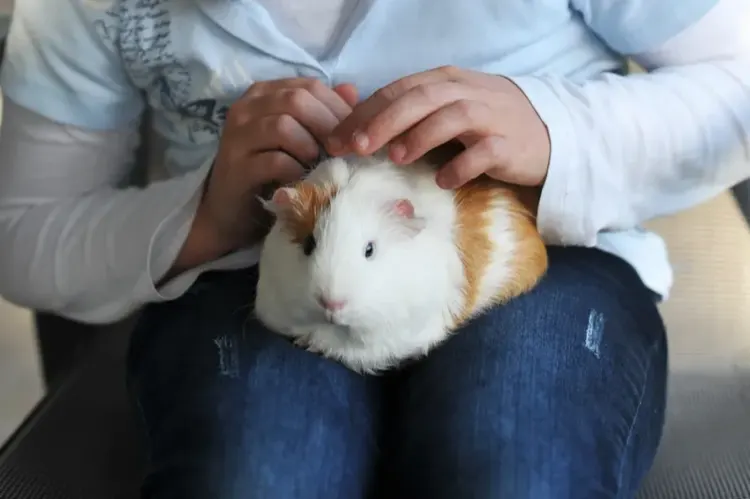
The best method to pick up and hold your piggy is to approach at their level and start whispering. Let them come to you by offering your hand.
Gently place your hand on their shoulder with your thumb. Then place your hand under their body to support their weight.
Hold them carefully in your lap.
Piggy Company
Prey animals living in the wild are used to living in groups. They naturally feel safe and happy with company.
Adding another guinea pig is the easiest way to make them excited and happy.
You can improve their happiness by bringing another guinea pig into your family. You’ll get to see how excited they’re when interacting with each other.
According to the Humane Society of the United States, guinea pigs are social animals who prefer being in the company of another guinea pig.
Clean Cages
Guinea pigs naturally get interested and excited when something happens in their cage. This includes cleaning or when you’re moving cage accessories around.
On the flip side, guinea pigs start to notice if the cage gets dirty. Regular cage cleaning keeps them happy and engaged.
Social Environment
Guinea pigs are social animals by nature, and they seek physical interaction with other guinea pigs when housed together. The presence of other cavies helps reduce stress.
They enjoy playing and interacting with other guinea pigs. Socializing is a significant part of their lives.
If you neglect or ignore them, it could lead to depression and sadness.
If you have a single guinea pig, it’s imperative to spend quality time with them to avoid despair.
Home Sweet Home
If your guinea pig isn’t happy or excited, one reason might be environmental change. These pets aren’t accustomed to rapid changes in their surroundings.
They need time to adjust to a new environment.
If you’re adopting a new guinea pig, think about setting up a peaceful home suitable for their needs. Allow a few quiet days before handling your new guinea pig.
These social creatures need a lively area of your home that encourages interaction with family members. But also make sure they can rest quietly during the day.
Never expose guinea pigs to high temperatures and humidity. They tolerate cool temperatures better than warm environments.
Provide places to hide and play within their enclosure. This gives guinea pigs a sense of security and reduces stress.
Spend Quality Time with Your Guinea Pig
The most important thing is spending quality time with your guinea pigs to create a strong bond. Guinea pigs are social creatures that love to interact with their own kind and owners.
Your guinea pigs need company, whether human or other guinea pigs. Cuddle and create a close relationship, especially if you have only one guinea pig.
They love when you pet them or rub them gently. These small gestures make your guinea pig relaxed and happy.
These moments are also an excellent opportunity to perform a health check to make sure they’re in good shape physically.
Guinea pigs are active animals by nature. It matters that you include some physical exercise because they need to release excess energy.
Play with them often so they use their energy positively. Otherwise, they may get depressed.
Final Thoughts
Learning guinea pig noises and body language is the key to understanding your pet’s mood. With time, you’ll spot signs of excitement instantly and respond in ways that strengthen your bond.
Take care of your guinea pig by keeping their cage clean, feeding fresh food daily, and giving them plenty of attention. A happy, excited guinea pig is the best reward any pet parent can ask for.
Frequently Asked Questions
Popcorning looks like a sudden, bouncy jump where your guinea pig hops straight up in the air, sometimes twisting their body mid-jump. It often happens in quick bursts of two or three hops. It's completely normal and one of the clearest signs of happiness.
Guinea pigs quickly learn to associate certain sounds with mealtime. The sound of a fridge opening, a bag crinkling, or veggies being chopped triggers excited wheeking. It's their way of saying they know food is coming and they can't wait.
Running in circles or doing "zoomies" is a classic sign of excitement and happiness. It usually happens during floor time or after cage cleaning. If your guinea pig zooms around with little hops mixed in, they're feeling great.
Stressed guinea pigs freeze in place, chatter their teeth, or hide constantly without coming out. They may also lose their appetite or become aggressive. Excitement looks different, with loose body movements, bright eyes, wheeking, and popcorning instead of tense behavior.