
Did your guinea pig just launch itself into the air for no obvious reason? That sudden leap is called popcorning, and it usually means your piggy is happy.
Guinea pigs jump by kicking off with their short legs, twisting mid-air, and landing in a burst of energy. Not all jumping is a good sign, though.
Sometimes it can signal discomfort, fear, or irritation from mites.
Can Guinea Pigs Jump?
Despite their short legs and chubby build, guinea pigs can definitely jump. They like to be active and move around.
Jumping may be one of the adaptive behaviors our domesticated guinea pigs retained from their wild ancestors.
Why Do Guinea Pigs Jump?
Guinea pigs have interesting behavioral patterns, and popcorning is one of the most entertaining. It’s a physical expression of delight where they suddenly leap into the air, twisting and extending their legs.
Happiness
If your guinea pig starts jumping around, don’t worry. It’s a good sign for their health and behavior.
They do this when they’re excited and happy, usually when they get their favorite meal or fresh food.
This behavior is called popcorning and it’s seen more often in younger guinea pigs than adults. You can encourage it by providing:
- Fresh, healthy food (especially favorites)
- Plenty of clean water
- A relaxing environment
- Daily exercise and good interaction
Favorite foods that tend to trigger popcorning include cucumber, carrot tops, and dandelion leaves. Sometimes even access to fresh grass gets them excited.
Fear
Sometimes guinea pigs get scared by loud noises. When frightened, they start squeaking and moving around wildly.
They’re trying to alert other guinea pigs to danger and running with little jumps to find cover.
Keep a close eye on your pet in these situations because they can lose control and injure themselves by hitting the cage walls. If an injury occurs, see your vet right away.
Discomfort or Sickness
Sometimes guinea pigs move erratically due to health problems, mainly blood-sucking mites. Along with frantic movement, watch for:
- Dullness and lethargy
- Loss of appetite
- Excessive itching
- Dried or greasy skin patches
If you notice these signs, check out our guide on guinea pig lice and mite treatment options.
Excess Energy
Sometimes guinea pigs run fast, stretch, and bounce around simply because they want to play and burn off energy. This is normal and healthy.
Providing enough space and enrichment helps them get the activity they need.
How Often Do Guinea Pigs Jump?
Some people think guinea pigs are too docile to jump, but that’s a myth. They actually enjoy running and jumping.
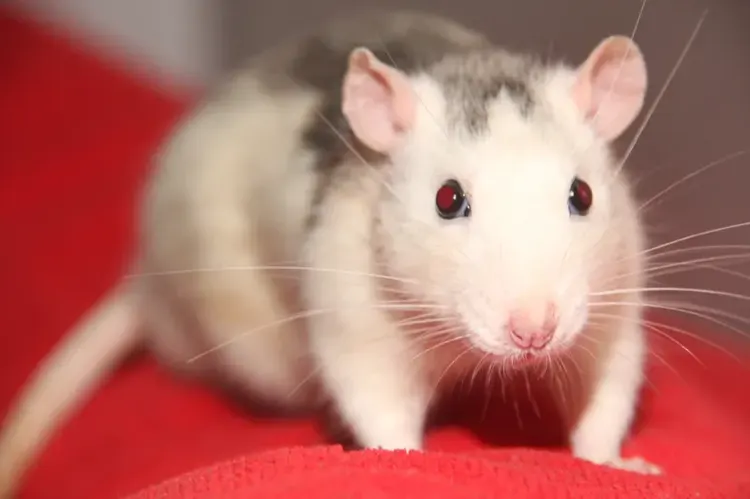
Compared to rabbits and rats, they aren’t as agile, but they’re active enough to surprise you.
Guinea pigs like to jump on small hurdles, ramps, ladders, and slightly elevated platforms. When they sense danger, they can run surprisingly fast.
Allow your guinea pigs time outside the cage for free roaming instead of assuming they prefer to sit still.
How High Can a Guinea Pig Jump?
They can jump up to about 20 cm, with the highest recorded jump belonging to a guinea pig named Puckel Martin. Their body shape and short legs limit their vertical range, and this ability varies between individuals.
Age and weight play an important role in jumping height. Adult and heavier guinea pigs can’t jump as high and tend to bounce rather than truly leap.
How Far Can a Guinea Pig Jump?
A guinea pig named Truffles from Scotland holds the Guinness World Record for jumping across a gap of 19 inches (49 cm). That’s the longest guinea pig jump recorded.
As with height, the distance depends on age, weight, and training.
Can Guinea Pigs Climb?
Absolutely. But they’re poor climbers.
They like to sit on small obstacles for a higher vantage point, but they can’t use vertical space like other pets.
Guinea pigs need horizontal floor space for exercise and play. Keep this in mind when setting up their cage.
Why Does My Guinea Pig Climb on Me?
Guinea pigs like to sit on your chest when you’re relaxing on the floor or bed. Climbing on you is a sign of happiness and a desire to interact.
It means your piggy feels comfortable and enjoys cuddling with you.
Why Do Guinea Pigs Jump on Each Other?
During play and fighting, guinea pigs often jump on each other. It can be hard to tell the difference between playful roughhousing and actual aggression.
Guinea pigs fight in three main ways:
- Jumping on each other
- Biting with their teeth
- Head-butting
Male guinea pigs often fight to show dominance in a new environment. If you notice biting and head-butting along with the jumping, separate them to avoid injury.
Use gloves during separation and put them in different spaces overnight where they can’t see each other.
Why Does My Guinea Pig Jump When I Pet It?
Some guinea pigs are startled by touch, especially if they haven’t been handled much. They may flinch, jump, or run away when you reach for them.
With patience and regular, gentle handling, most piggies get used to it.
If your guinea pig still reacts strongly to being touched after weeks of regular handling, check with your vet to rule out pain or skin irritation from parasites.
Do Guinea Pigs Twitch?
Twitching is a small muscle compression caused by irritation or nerve issues. If your guinea pig starts twitching, see your vet because it could be a sign of a mite problem.
Mites suck blood, leaving your guinea pig dull and stressed.
Can Guinea Pigs Jump Out of Their Cage?
Yep. There’s a chance guinea pigs can jump out of their cage.
Since the highest recorded jump is about 20 cm, walls at that height should keep them contained without needing a roof.
Heads up: guinea pigs may not be great jumpers, but they’re decent climbers. They can use toys or accessories inside the cage as steps to climb out.
Sometimes fear triggers escape attempts even in a secure environment. A covered top with a secure gate prevents unexpected injuries.
Should Guinea Pigs Roam Free?
Guinea pigs enjoy roaming free because it lets them explore and exercise. But outdoor free-roaming comes with risks like predators, toxic plants, and wet conditions that can cause hypothermia.
Let your guinea pigs roam inside the house instead. You can train them to use a litter box or use diapers to manage the mess.
Can Guinea Pigs Jump From Your Hands?
Because of their prey instincts, guinea pigs may run or jump when someone approaches. Always approach from the front, speak calmly, and offer a favorite treat.
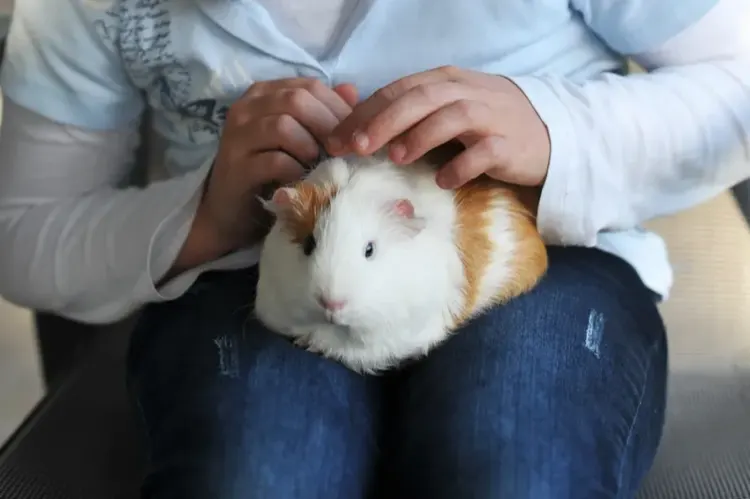
They need careful support during handling. Don’t squeeze or hold too tightly, and always support the spine.
If a guinea pig feels stressed, it can jump from your hand and injure itself. If a child wants to hold the piggy, always supervise.
Why Doesn’t My Guinea Pig Jump?
Not all guinea pigs popcorn frequently. Some piggies are just calmer by nature and express happiness in quieter ways.
This doesn’t mean they’re unhealthy or unhappy.
If your guinea pig used to jump regularly and suddenly stopped, that could indicate a health problem. A vet visit is a good idea to rule out pain or illness.
How to Teach a Guinea Pig to Jump
Jump training is a fun way to bond with your piggy. Never force your guinea pig to jump.
Instead, use treats to encourage it.
What You’ll Need
- A safe, enclosed space with some toys
- A horizontal stick, pencil, or small pole
- Your guinea pig’s favorite treats
- A few books for height
Training Steps
Start by placing the pole flat on the floor. Hold a treat in your hand and lure your guinea pig over the pole.
Reward every successful crossing.
Once your piggy is confident stepping over the pole on the floor, raise it by placing a book under each end. Repeat the luring and rewarding process.
Gradually increase the height by adding more books. Work up to a maximum of about 5 inches.
Always let your guinea pig set the pace and never push past what’s comfortable.
When Do Guinea Pigs Stop Popcorning?
Younger guinea pigs popcorn more often than adults, but there’s no specific age when it stops completely. Guinea pigs with a lifespan of 5 to 8 years are capable of jumping well into adulthood.
Can Guinea Pigs Control Popcorning?
For sure. To some degree.
Popcorning from happiness is voluntary and can be controlled.
The intensity of the leap depends on how excited they are, usually tied to how good the food or the play session is.
Jumping from fear, on the other hand, is involuntary. When startled by a loud noise, the jump happens as a reflex and can’t be controlled.
Jumping vs. Seizures
It’s important to know the difference between popcorning and seizures. Here are three key distinctions:
- During seizures, guinea pigs twitch and fall to one side. During popcorning, they squeak and leap upward out of excitement.
- Seizures last longer and the piggy doesn’t return to normal quickly. Popcorning is brief and the piggy goes back to normal behavior right after.
- Seizures are often accompanied by dried or greasy skin patches and visible parasites on the skin.
If you suspect seizures rather than popcorning, get your guinea pig to a vet immediately.
Final Thoughts
Guinea pig jumping is one of the most charming behaviors you’ll witness as an owner. Popcorning from happiness is a sign that you’re doing things right with their care, diet, and environment.
The key is watching for context. Joyful leaps during mealtime or play are wonderful.
Frantic movement paired with scratching, skin patches, or loss of appetite needs attention. When in doubt, a quick vet visit gives you peace of mind.
Frequently Asked Questions
Daily jumping is perfectly normal and signals a healthy, happy guinea pig. Young piggies may popcorn multiple times a day, especially during feeding or floor time. If your guinea pig suddenly stops jumping after doing it regularly, check with your vet to rule out discomfort.
Healthy popcorning rarely causes injuries because guinea pigs control the movement and don't jump very high. Injuries happen when a piggy jumps from fear and crashes into cage walls or falls from a height. Keep play areas clear of sharp edges and hard objects.
Floor time gives more space to run and jump than a cage. Guinea pigs express excitement more freely when they have room to move. If your piggy only popcorns during floor time, the cage may be too small. Consider upgrading to a larger enclosure.