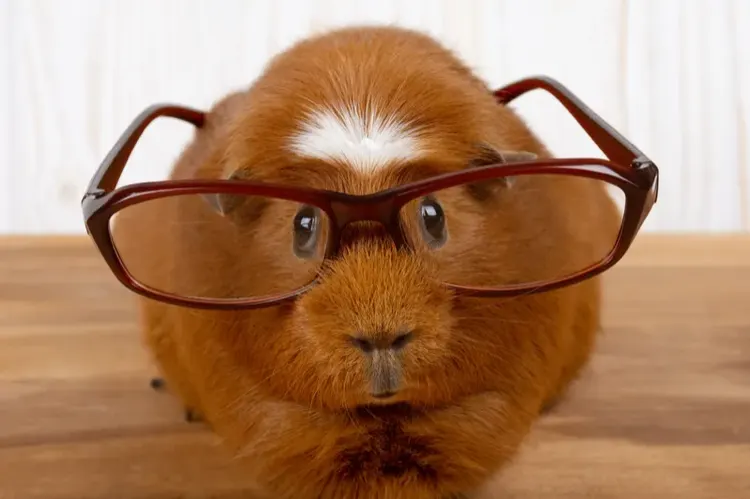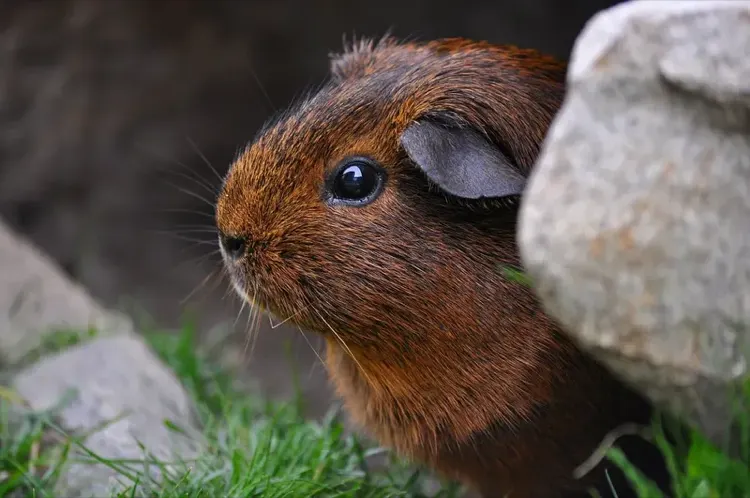

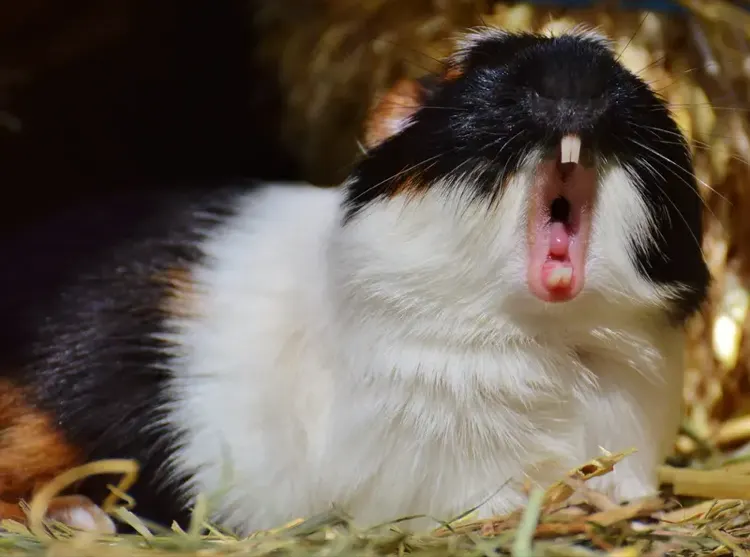
Your guinea pig opens its mouth wide, flashing all its teeth. Is something wrong?
Probably not. Guinea pigs yawn for several reasons, and sickness isn’t one of them.
A yawn while being held is actually a compliment, meaning your piggy feels safe enough to let its guard down. But yawning paired with teeth-baring at another guinea pig could mean tension is building.
Why Do Guinea Pigs Yawn?
Guinea pigs yawn to express a range of emotions, from relaxation and tiredness to aggression and dominance. It’s common behavior and not a cause for concern as long as actual fights don’t start.
Yawning is natural in all vertebrates. While researchers haven’t pinpointed the exact science behind it, here’s what we know:
- Yawning involves stretching the eardrums and deep inhalation followed by quick exhalation
- It expels CO2 from the body and raises blood circulation, restoring alertness
- It cools the brain and helps regulate body temperature
- The typical yawn lasts about six seconds
Guinea pigs yawn by opening their mouth as wide as possible, showing their front teeth. Yawning and stretching usually go together, so you’ll often see both at once.
A guinea pig yawns for one of a few reasons:
- Getting ready for a nap or feeling relaxed
- Showing teeth at another guinea pig to establish dominance
- Feeling stressed or anxious
- Simply being tired
Do Guinea Pigs Yawn to Show Aggression?
When a guinea pig starts yawning at another guinea pig, it’s often displaying its teeth as a mild show of force. This happens most during introductions when they’re figuring out the pecking order.
Sometimes yawning signals a disagreement over food bowls, sleeping spots, or personal space. If the yawning is purely about aggression, it can escalate to fighting.
Be ready to separate your guinea pigs if a yawn-off turns into lunging or biting. Reintroduce them gradually after things calm down.
Do Guinea Pigs Yawn When Stressed?
They sure can. Yawning helps release tension, and excessive yawning often points to environmental stress.
New to Your Home
A guinea pig in unfamiliar surroundings may yawn from stress. When you bring a new pig home, it takes time for them to adjust and trust you.
To help ease the transition:
- Fill the cage with everything they need: bedding, food, water, a hideout, and tunnels
- Keep them in a quiet space
- Speak in a calm, neutral tone (loud voices startle them and delay trust-building)
- Let your guinea pig smell your hand before touching
- Always use two hands when holding them, and keep them close to your chest
Environmental Changes
Even small changes can cause anxiety. Moving a food dish, replacing the water bottle, or rearranging the cage can throw your guinea pig off.
If you’re upgrading the cage or adding new accessories, make changes gradually. Give your guinea pig enough time to get comfortable with each adjustment.
New Cagemate
Bringing another guinea pig home will likely cause some stress, even though they’re social animals. Do plenty of research on proper introductions before making the decision.
The good news is that stress yawning usually stops with time as your guinea pig adjusts.
Do Guinea Pigs Yawn When Relaxed?
Without question. When there’s no stress or aggression in the picture, a yawn means your piggy is genuinely comfortable.
It’s a sign that your guinea pig feels safe with its surroundings, its cagemates, and you.
Do Guinea Pigs Yawn When Tired?
Just like humans, guinea pigs yawn when they’re sleepy. They’ll yawn, take a short nap, then hop back up and continue their day.
Guinea pigs prefer many short naps over long sleep sessions, so you’ll see tired yawns scattered throughout the day. This is a healthy sign that your pig is happy and resting well.
Do Guinea Pigs Yawn to Show Dominance?
A guinea pig will yawn at another guinea pig to flash its teeth and establish who’s in charge. It’s their way of saying “I’m the boss” without actually fighting.
This behavior is a normal part of their social structure. They may look slightly aggressive, but dominance yawning doesn’t always lead to conflict.
Don’t interrupt this process unless it escalates to actual physical aggression.
Why Do Guinea Pigs Yawn When You Hold Them?
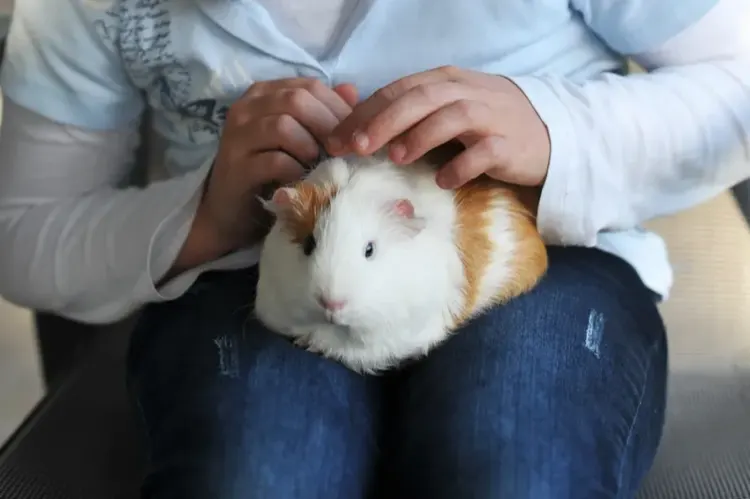
Your guinea pig yawns in your arms because it feels safe and relaxed enough to let its guard down. This is a sign of deep trust.
This generally only happens once your guinea pig has had enough time to bond with you. If your piggy yawns while you’re holding it and shows no signs of stress, take it as a compliment.
You’re doing great as their owner.
Is It Normal for Guinea Pigs to Yawn a Lot?
Totally normal. Because yawning covers so many emotional states (stress, relaxation, tiredness, dominance), it can seem like they’re doing it constantly.
Remember, these small animals yawn for nearly every emotional state. That’s why it’s so common to catch your guinea pig mid-yawn throughout the day.
Is Yawning in Guinea Pigs a Health Concern?
No. Yawning isn’t associated with illness in guinea pigs.
Sick guinea pigs show different signs like lethargy, eating less, or visible physical changes.
You also shouldn’t worry about yawning during dominance displays between cagemates. That’s completely normal social behavior.
If you feel something else is wrong with your guinea pig beyond yawning, though, a vet visit is always a good idea. Trust your instincts.
The Happy Guinea Yawn
Picture this: your guinea pig nestled in your hands, body completely relaxed, looking up at you and letting out a big yawn. That’s a happy yawn, and it’s one of the best signs of a well-cared-for pet.
Happy guinea pigs show their contentment in many ways: a good appetite, energetic play after naps, curiosity about their surroundings, and that high-pitched squeak when you walk by.
Benefits of Understanding Yawning
Learning why your guinea pig yawns helps you provide better care. You can spot stress triggers, confirm they’re comfortable, and know when social dynamics need monitoring.
As a pet owner, there’s no better feeling than knowing your guinea pig is healthy and genuinely happy. Understanding their body language, including yawning, brings you closer to that confidence.
Final Thoughts
Guinea pig yawning is one of those behaviors that looks concerning but almost never is. Whether your pig is tired, relaxed, showing dominance, or working through stress, yawning is a normal part of their communication toolkit.
The most important thing is watching the context. A yawn in your arms is a sign of trust.
A yawn at a cagemate during introductions is normal social negotiation. And if the yawning comes with other symptoms that don’t seem right, a vet visit can put your mind at ease.
Enjoy those adorable, wide-mouthed yawns for what they usually are: a perfectly happy, comfortable guinea pig.
Frequently Asked Questions
Yawning itself doesn't signal dental issues, but if your guinea pig frequently opens its mouth wide, drops food, or drools alongside the yawning, dental problems could be involved. Overgrown teeth or malocclusion cause jaw discomfort that might look like exaggerated yawning. A vet check will clarify the difference.
Daily yawning at a cagemate is part of normal social dynamics and usually reflects ongoing but harmless dominance behavior. It becomes a concern only when paired with teeth chattering, lunging, biting, or drawn blood. As long as both guinea pigs eat, drink, and move normally, occasional yawn-offs are perfectly fine.
Context matters most. A relaxed yawn happens when your guinea pig is lying down, being held, or sitting quietly with no tension around. A stress yawn comes with other signs like hiding, refusing food, freezing, or being in a new or changed environment. Body language tells the full story.
Guinea pigs are most active at dawn and dusk, so they tend to yawn more during transitions between rest and activity periods. You'll often catch yawns after naps or when they're settling down for a snooze. Since they take many short naps throughout the day, yawning can happen at nearly any hour.