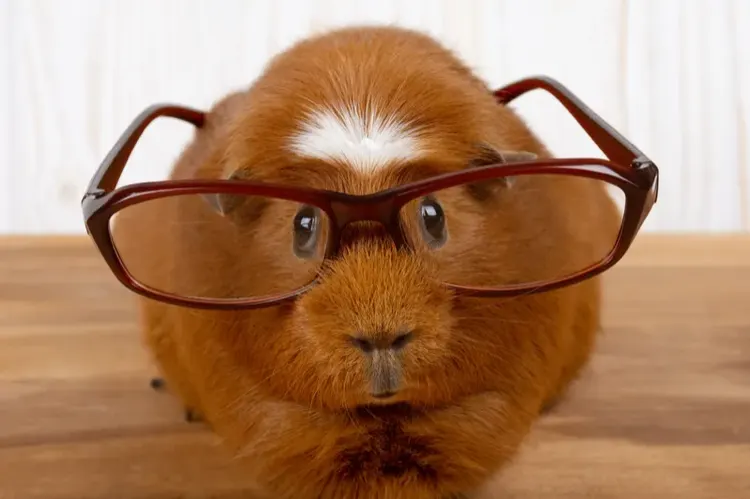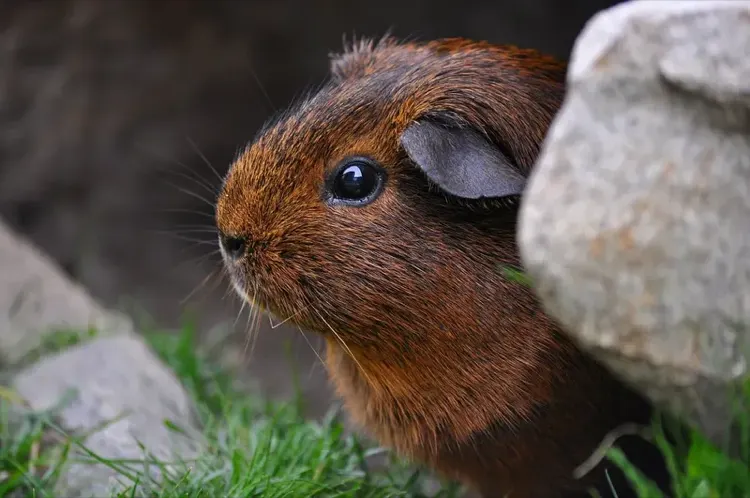

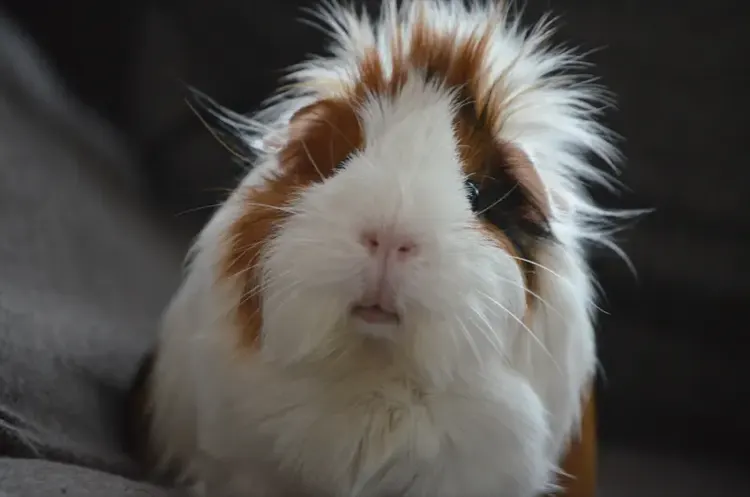
Is your guinea pig happy, or just sitting there? It’s a question every new owner asks.
The good news is that piggies aren’t shy about showing their feelings.
Happy guinea pigs “popcorn” by jumping straight up in the air. They wheek loudly when they hear a bag of veggies open.
They purr during lap time like tiny cats. Unhappy ones go quiet and stop eating, which is a big red flag.
How to Know If Your Guinea Pig Is Happy
First, provide your guinea pig with comfort. You may spend all your initial days together staring at your pet without understanding whether your guinea pig is happy.
It’s very simple! A healthy diet, good hygiene, and comfort space are the most important factors for your pet’s physical wellbeing.
The time you dedicate to bonding with your pet, cuddling with it, talking to it, and showing affection is equally important as keeping its habitat clean. Your pet will clearly show how it feels, so pay attention to its regular activities, the sounds it makes, and its popcorning.
Your Guinea Pig Is Active
The activeness of guinea pigs depends on their happiness. If your guinea pig is active, it’s clear that your pet is brisk and happy.
If it greets you with a look or a lick or gets excited and runs around, it means your guinea pig has lots of energy. On the other hand, if it shows signs of sluggishness, you’ll see that it feels depressed.
While it’s okay if your pet is calm and withdraws for just a short time, it’s not a good sign if it becomes slow and indolent. Not only might your pet be unhappy, but it could also be sick.
Popcorning
Guinea pigs do a thing called “popcorning.” When healthy, excited, and happy, they randomly jump up in the air a few times.
It’s seen more often in younger guinea pigs as they weigh less, so their jumps are higher and more obvious. A variety of things makes them do this hopping activity.
They might anticipate veggies or just show their delight with a fresh and clean cage.
Whatever the reason, popcorning is interesting for the viewers and a pure delight to see. You can learn more about this adorable behavior in our guinea pig popcorning guide.
Bonding
Guinea pigs are sensible and very social creatures. Just as people do, they look for company and are willing to interact when they’re brisk and healthy.
This is an obvious sign to understand how your guinea pig feels at a given moment. If your guinea pig approaches you or shows a clear desire to socialize with other piggies in the cage, that’s great.
Let’s be clear, though. Bonding with you or socializing with other piggies never happens overnight.
A guinea pig needs some time to build trust, and it may take longer than you’d expect.
Sometimes it takes a few weeks before your new pet decides it likes you enough to show it. For that to happen, you have to create a safe environment and spend time with it before it approaches you on its own.
Our guide on how to tame a guinea pig covers this in detail.
Wheeking Sounds
Wheeking is a common sound a guinea pig makes. They usually make this sound when you’re opening a bag of chips or chopping veggies.
This particular sound shows their excitement and anticipation. Is there anyone out there who doesn’t get excited when about to get a tasty bite of a favorite treat?
They also make this wheeking sound when they’re excited or expecting something that makes them super happy, apart from food. Take this alert, as sometimes your pet piggie will make this sound to get your attention!
Resting
A happy and feeling-good guinea pig can stretch and lie down. There are special guinea pig fleeces available at many online stores for your pet.
Most guinea pigs love to lay down on fleeces to relax. Sometimes they wrap themselves up in it to have a little nap.
Not all guinea pigs are the same. While some can take a while to get to the “stretching out” point, others will stand still and stiff before moving to the resting position.
Some guinea pigs will relax by rolling around, which is their idea of rest.
Energetic Guinea Pig
Guinea pigs can suddenly run around as fast as possible in their limited space. This behavior is an obvious sign of happiness in your piggy.
This energy build-up is also the reason why wheels are unsafe for guinea pigs. When in full energy they want to expend, your pet might hurt itself running at such high speeds.
If you own more than one guinea pig, you’ll see that they love to chase and play with each other. Check out our tips on how to play with your guinea pig for more ideas.
Licking
A happy guinea pig always likes to share happiness with its mates or its owner. Just like dogs, happy guinea pigs will show their comfort and happiness by licking their owner’s hand.
One reason for licking, as experts believe, is that guinea pigs are collecting salt from human skin. Since unhappy guinea pigs never lick the hand of their owner, licking can still be a sign of pure affection and delight when it sees you!
Purring
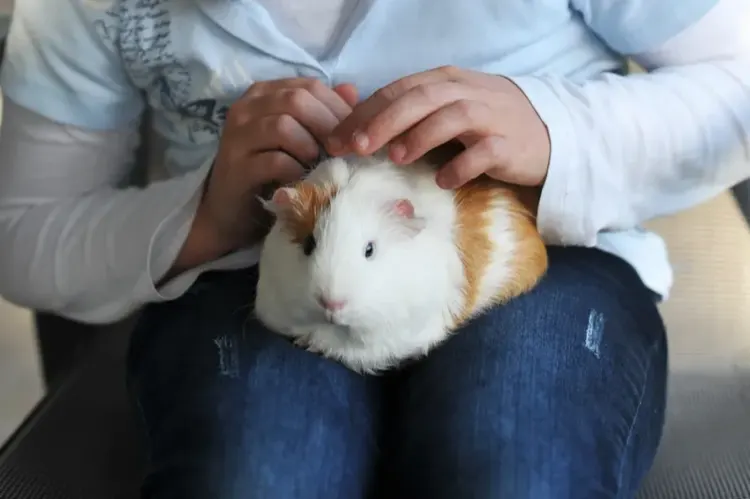
Similar to cats, a happy guinea pig will purr when enjoying their lap time with their owners! The purring behavior shows they’re calm, relaxed, and comfortable.
Guinea pigs make different types of purring sounds. A low and deep grumble sound is the happy purr of a guinea pig.
The Chutting Sound
The chutting sound a guinea pig makes is similar to a frog’s croak, but it’s a bit softer. Most likely your pet will produce this sound during lap time.
Usually, only young guinea pigs will make such chutting sounds. It’s fairly uncommon among adult pets.
Stretch and Yawn
Stretching and yawning are fairly uncommon behaviors of guinea pigs. Before, people assumed that yawning was aggressive behavior, but research has shown that yawning accompanied by a stretch implies the pet is happy.
Both stretching and yawning will mostly take place during lap time.
How to Make a Guinea Pig Happy
There are a few basic needs that make your guinea pig happy: a warm, clean, and comfortable home, a balanced diet, clean water, a safe space to roll and run around, good health, and companions in their space.
A Healthy Balanced Diet
Feeding your guinea pig with a healthy and balanced diet is the first recommended thing to make your guinea pig happy. A healthy diet also boosts your pet’s immune system.
The diet of guinea pigs should include a variety of vitamins and minerals. Vitamin C is essential for guinea pigs, which is why your pet needs fresh fruits and vegetables and, in some instances, artificial vitamin C boosters.
Feed your guinea pig fresh food and dry food, clean water, and hay. The best balance you’ll achieve is by providing clean hay, nutritious servings of guinea pig pellets, clean water, and small portions of fresh fruits and vegetables.
If you’re still unsure how to achieve the best nutritious balance, consult with a vet.
Quality Time Together
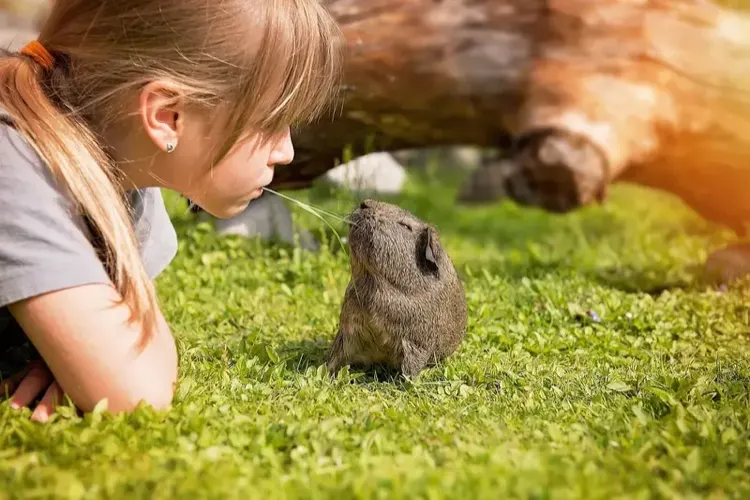
Spend some quality time to create a lovely bond with your pet. Guinea pigs are social animals.
Just as much as they enjoy your company, they love the company of their conspecifics.
If you’re a single pet owner, it’s your responsibility to spend each day cuddling with your pet. This will make your guinea pig very happy and comfortable.
Between 20 and 30 minutes of affection is enough to make your pet happy and support your guinea pig’s health.
Physical and Mental Stimulation
Offer your guinea pigs physical and mental stimulation. These exercises are important because guinea pigs are naturally active animals.
You can purchase toys and playgrounds designed for guinea pigs.
A Warm, Clean Home
Guinea pigs are happy only when they’re in a good and clean environment. They always look for a sturdy, secure home with clean bedding and space to roll and run.
If you’re planning to adopt guinea pigs, the first thing you have to do is create a clean and comfortable home for them. Search for a spacious hutch with a play area and think about where you’re going to place it.
The best place for your pet’s habitat is a quiet area free from draughts, humidity, and chemicals. Your pet should have enough safe space to run, roll, and play.
If you’ve already brought a traditional wooden hutch, it’s best to buy a guinea pig run and allow your pet to run around at least twice a day. If you have a separate run, make sure it’s sheltered and provide food and water there, too.
You can also decorate your pet piggie’s home with toys they’ll enjoy.
Good Health Means a Good Mood
Take your guinea pigs for regular health checks and apply anti-parasite shampoos. Keep an eye on your guinea pigs and their space, and if you see anything wrong or out of the normal, react quickly.
Guinea pigs are prey creatures in the wild and so they hide their health problems. Whenever you notice any issues or abnormal things, take action without delay.
Companions
Living in herds, guinea pigs crave to stay with their companions. Even if you spend a lot of time and show them plenty of affection, they’ll still search for a companion of the same species.
Other species aren’t a good substitute, as two different species don’t have the same way of communication. It’s better to adopt at least two guinea pigs to make their life more enjoyable.
That won’t double the costs of your pet’s maintenance, as a big enough shelter can accommodate more than one piggy.
Make sure all guinea pigs in the same habitat are of the same gender. If you own an adult guinea pig, it might be a good idea to get a younger guinea pig of the same gender, as your older pet is less likely to see a new housemate as a threat.
How Do You Know If a Guinea Pig Is Unhappy?
First, understand all behavioral patterns of your pet piggie. Knowing what makes your guinea pig happy is important, but knowing what makes them unhappy is equally important so you can take remedial action.
Here are some types of vocal and physical communication of a guinea pig when it’s unhappy.
Aggressiveness
When guinea pigs are in a bad mood, they show aggressive behaviors. If you notice them standing on their hind legs hissing or chattering, you’ll know they’re in a bad mood or something is going on.
Fluffing out their coat and bearing their teeth can be another sign of aggressiveness. Moving on their hind legs from side to side is also a common indicator.
Learn more about what teeth chattering means.
Freezing or Fidgeting
This is an obvious sign that shows they’re either uncomfortable, afraid of something, or anxious.
Depression or Stress
Just like all other animals, your guinea pigs can be depressed and unhappy. Signs that indicate depression include reclusiveness, irritability, and lack of energy.
Your guinea pig may even show a loss of appetite, and just not be its usual self.
Head Tossing
When a guinea pig tosses its head, it’s a common sign that your pet wants you to leave it alone. Be considerate and postpone your cuddling for a while, when your pet gets into a better mood.
Final Thoughts
Making a guinea pig happy isn’t a big or tough task. Be a good companion to your pet, keep their space clean, feed them a fresh diet, and show them the care they deserve.
Your pet communicates clearly using different sounds and body language. Learning their signals is the best way to understand how they’re feeling and what they need.
If you invest enough time and effort to make your guinea pig comfortable, it’ll shower you with love right back. Guinea pigs are small rodents, but they express their emotions more than many other animals.
Frequently Asked Questions
Most guinea pigs need two to four weeks to start trusting a new owner. Some take longer depending on their personality and past experiences. Patience, gentle handling, and consistent feeding routines help speed up the bonding process. Don't rush it, as trust builds gradually.
Many guinea pigs enjoy being held once they feel safe with their owner. Start with short lap sessions and gradually increase the time. Wrapping them in a soft fleece helps them feel secure. Some piggies will always prefer floor time over being picked up.
A single guinea pig can survive alone, but it won't be as happy as one with a companion. Guinea pigs are social herd animals and thrive with a same-gender buddy. If you can only keep one, plan to spend extra time socializing with them daily.
Hiding is normal for new guinea pigs adjusting to their environment. It's also a natural prey instinct. If a settled piggy suddenly starts hiding more, it could signal illness, stress, or fear. Monitor their eating habits and check for other changes in behavior.
Unhappy guinea pigs may chatter their teeth, which signals anger or agitation. A high-pitched shriek indicates pain or fear. Persistent low whining suggests discomfort. If your piggy goes completely silent and stops reacting to food sounds, something is likely wrong and a vet visit is wise.