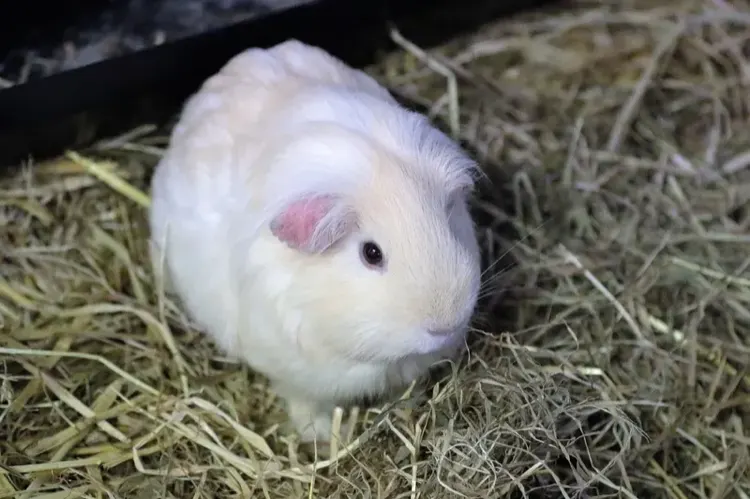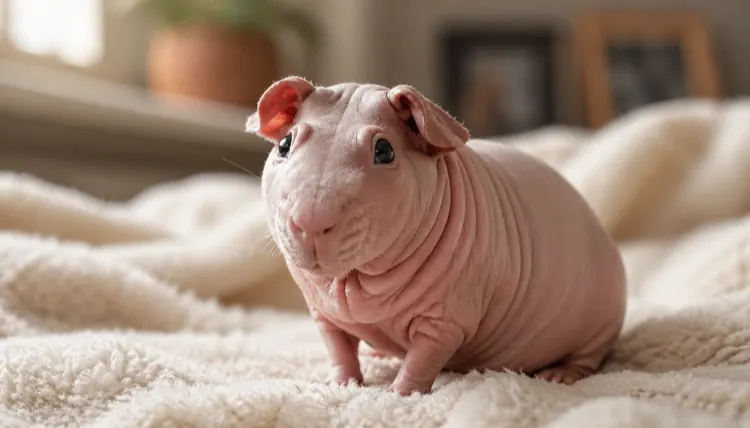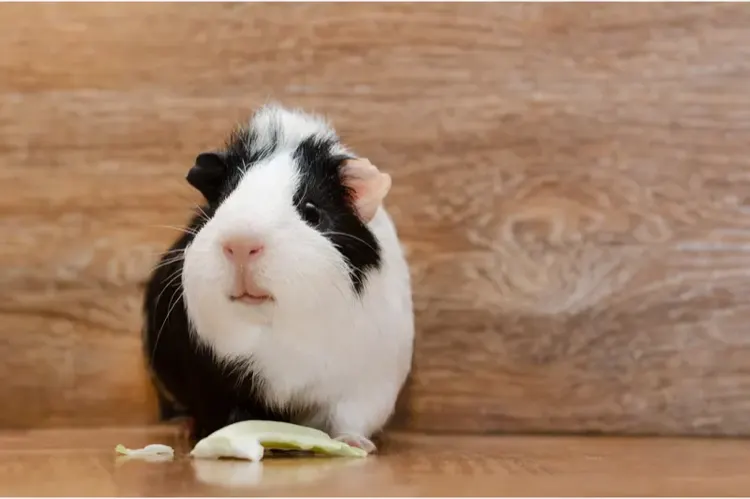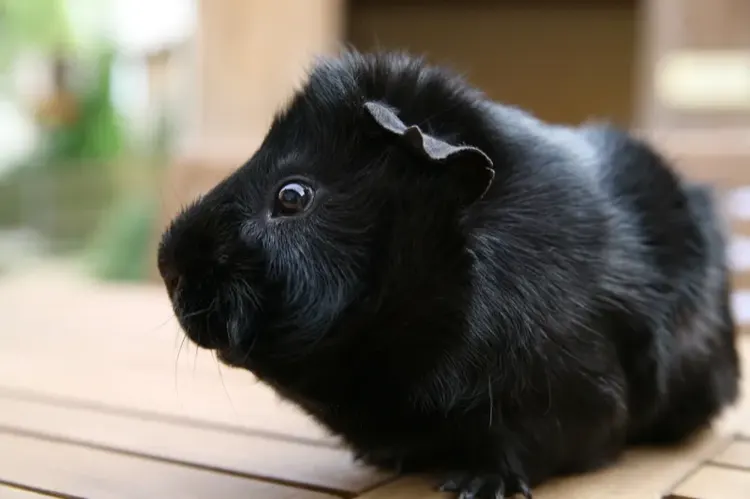

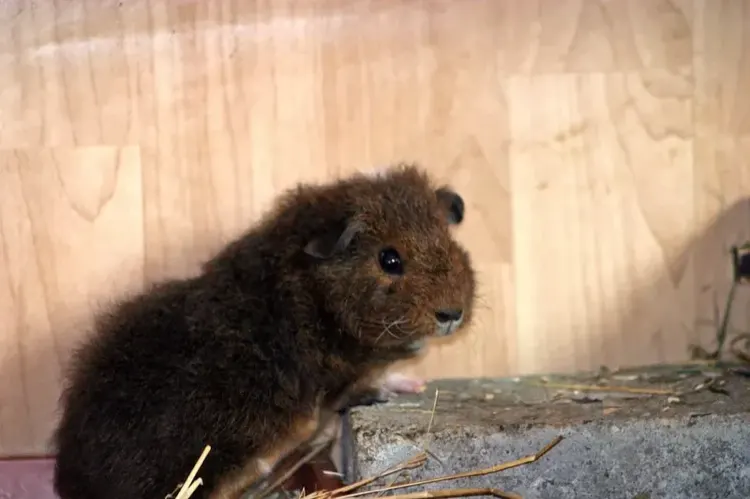
Thinking about getting a Rex guinea pig? They look different from most other breeds thanks to their short, dense, woolly coat and curly frizzy whiskers.
Their laid-back personality makes them great for families.
Here are ten interesting facts about the Rex guinea pig.
What Makes Rex Guinea Pigs Unique
Rex guinea pigs have fast-growing toenails that need more frequent trimming than other breeds. Their short hair (only about 1 centimeter long) means less grooming overall, though.
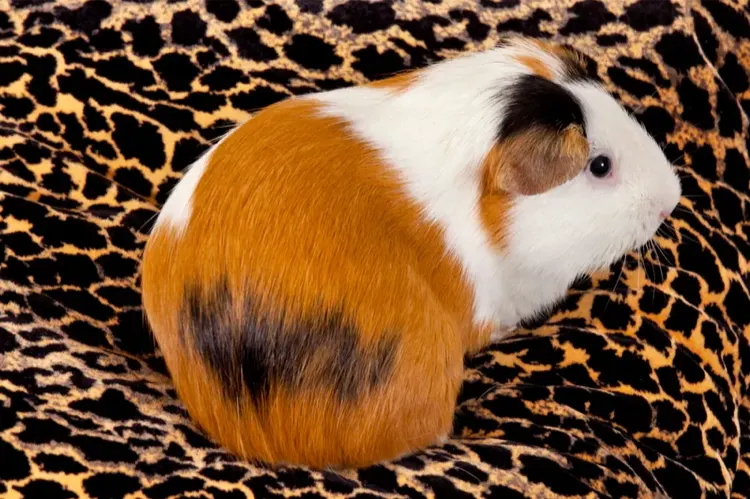
They look more like tiny hedgehogs than pigs, with their short, stocky build and thick fur covering their entire body. Lots of colors and patterns are available, giving Rex lovers plenty of choices.
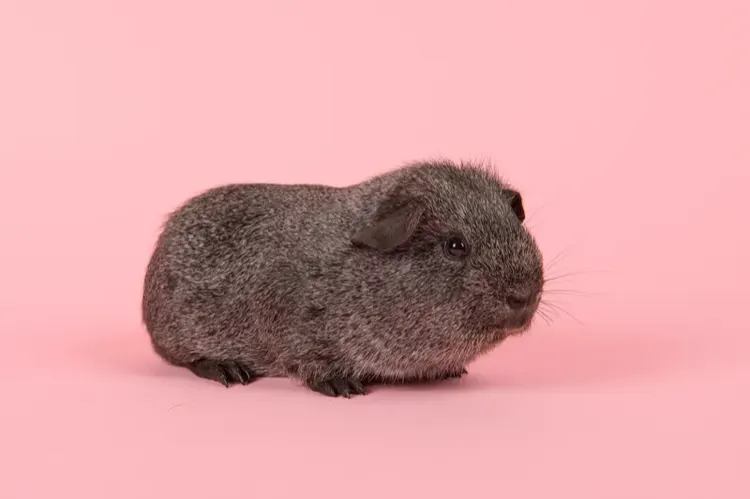
The banded agouti pattern shows up especially well on a Rex, since the dense upright coat spreads the speckling evenly across the body.
That woolly texture is what separates them from the flat-coated breeds. An American guinea pig has straight hair that lies smooth against the body instead of standing up.
Let’s dig into what makes these interesting little creatures so special.
They Can Live More Than 6 Years
A Rex guinea pig’s lifespan depends heavily on its care. Poor diet, cramped living spaces, and dark environments can shorten their lives significantly.
With proper care, a balanced diet, good companionship, and a comfortable living environment, Rex guinea pigs can live up to 6 years or more. The longest-living guinea pig on record made it to 14 years, 10 months, and 14 days, earning a spot in the Guinness World Records in 2006.
Want to learn more about guinea pig lifespans? Check out how long guinea pigs live.
They’re Tailless Rodents
Rex guinea pigs don’t have tails, just like all guinea pig breeds. Most animals use tails to swat insects or maintain balance, but guinea pigs don’t need either function.
Their potato-like body shape and level living environments make a tail unnecessary. They do have a tailbone, though, and sometimes extra fur near the rear can create what’s called a “false tail” that disappears when you part the hair.
They Aren’t Related To Actual Pigs
Nothing about Rex guinea pigs resembles actual pigs in structure, habits, or appearance. The females are called “sows” and the males “boars,” just like real pigs, but that’s where the similarity ends.
Guinea pigs are rodents, not pigs. Their scientific name is Cavia Porcellus, with “porcellus” being Latin for “little pig.” They likely got the pig label because of the squeaking noises they make.
They’re also self-cleaning animals that spend a good portion of their day grooming themselves.
Popcorning Shows They’re Happy
When Rex guinea pigs feel happy and excited, they express it by hopping up and down in a behavior called popcorning. It looks exactly like popcorn kernels popping.
Different piggies popcorn in different situations. Some do it when they see food coming, while others pop when they’re freed from their cage to explore.
If your pet is popcorning, that’s a great sign that it’s happy.
Younger guinea pigs popcorn more than older ones. It’s a completely safe behavior and nothing to worry about.
They Sleep Very Little
Rex guinea pigs only sleep about 4 hours a day, and not all at once. They take short naps no longer than 10 minutes each.
Compare that to lions (19 hours), tigers (18 hours), or dogs (13 hours). Rex guinea pigs don’t need darkness to sleep and can nap wherever and whenever they want, though they do prefer darker, hay-lined spots.
Older Rex guinea pigs sleep more than younger ones because they’ve got less energy. Since they can sleep with their eyes open, it can be hard to tell when they’re napping.
If your piggy is completely motionless, burrowed in a hiding place, or lying on its side with its head down, it’s probably sleeping.
Hay Is Their Favorite Food
Rex guinea pigs are herbivores with a strong preference for hay. It should be the main part of their diet, available at all times in their cage, play area, and feeding containers.
Hay is packed with proteins, fiber, and minerals like phosphorus, magnesium, potassium, and calcium. It prevents weight gain, diarrhea, and lethargy.
Always provide garden-fresh, high-quality hay. For the best guinea pig hay brands, look for options specifically marketed for guinea pigs.
Hay also keeps their continuously growing teeth at a healthy length. Rex guinea pigs have 20 teeth with open roots, meaning they never stop growing.
Chewing hay wears teeth down naturally and prevents overgrowth that could cause eating problems.
They Can Die If Living Alone
Never buy just one guinea pig. They need constant companionship to stay happy and active.
Since they’re awake 18 to 20 hours a day, no single owner can provide enough interaction alone.
In Switzerland, it’s actually illegal to own just one guinea pig. These social animals live in groups of three or four in the wild and need companions of the same kind to communicate with.
Without a partner, a guinea pig can become stressed, ill, or even die from loneliness.
If you’re wondering about solo guinea pigs, read more about whether guinea pigs can live alone. You can try to keep a single piggy happy with extra toys, a large living space, and lots of personal attention, but it doesn’t always work.
Getting a second guinea pig is the best solution.
They Need Vitamin C Supplements
Just like humans, Rex guinea pigs can’t produce or store their own vitamin C. Vitamin C is essential for healthy skin, joints, wound healing, and immune function.
They need 10 to 30mg daily, with deficient guinea pigs requiring up to 50mg. Your vet can guide you on the exact amount.
Give liquid or tablet vitamin C directly by mouth rather than mixing it into water, since the vitamin breaks down quickly in water and loses its effectiveness.
Going without vitamin C for just two weeks can cause scurvy. A diet rich in proteins, fiber, minerals, and vitamin C is essential for any Rex guinea pig owner to maintain.
Check out foods high in vitamin C for good options.
They’re Rapid Learners
Rex guinea pigs pick up on routines faster than you’d expect. With patience and the right treats, they can learn simple tricks.
They’re smart from day one. Newborn guinea pigs can run just hours after birth, they wean within a few weeks, and by three months they’re fully mature.
Their body continues growing until about one year of age.
They Communicate Through Sounds
Rex guinea pigs have feelings, and they’re not shy about expressing them. Each noise means something different:
- Hissing: They’re aggressive or angry
- Whining: They dislike something you or another pig did
- Wheeking: They’re excited and satisfied
- Shrieking: They’re in pain or trouble
- Purring: It depends on the pitch. Deep, brief purring means happiness, while short, high-pitched purring signals fright or discomfort
Learning these sounds helps you understand your piggy on a deeper level. You’ll know when to feed, when to comfort, and when to call the vet.
Final Thoughts
Rex guinea pigs stand out with their woolly coats, curly whiskers, and gentle personalities. They’re low-maintenance on the grooming front but need the same attention to diet, companionship, and vitamin C that all guinea pig breeds require.
If you’re looking for a friendly, easy-going pet that’s great with families, the Rex is hard to beat. Just remember to get at least two so they’ve always got a companion.
Frequently Asked Questions
Rex guinea pigs typically cost between twenty-five and fifty dollars from a breeder, though prices vary by region and availability. Adoption from a rescue is often cheaper at around ten to twenty-five dollars. Budget for ongoing expenses too, including cage setup, bedding, hay, pellets, and vet visits throughout their lifetime.
Rex guinea pigs are excellent for beginners because of their calm, gentle temperament and low grooming needs. Their short coats don't mat or tangle like long-haired breeds, making care much simpler. The only extra maintenance is more frequent nail trimming since their toenails grow faster than most other guinea pig breeds.
Rex guinea pigs get along well with most other guinea pig breeds. Personality matters more than breed when pairing guinea pigs together. Introduce them gradually on neutral territory and watch for aggressive behavior during the first few days, just as you would when introducing any two guinea pigs to each other.
Rex guinea pigs need minimal coat grooming since their short fur rarely tangles. Brush them once a week with a soft bristle brush to remove loose hair and distribute natural oils. Focus your grooming attention on their fast-growing nails instead, trimming them every two to three weeks to prevent overgrowth and discomfort.