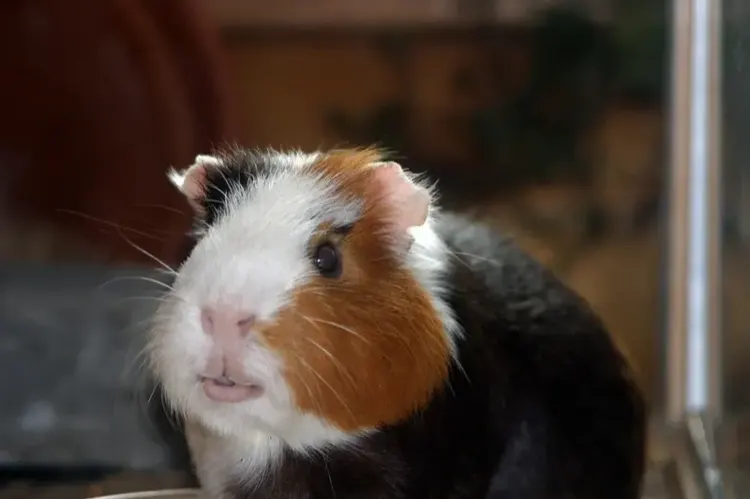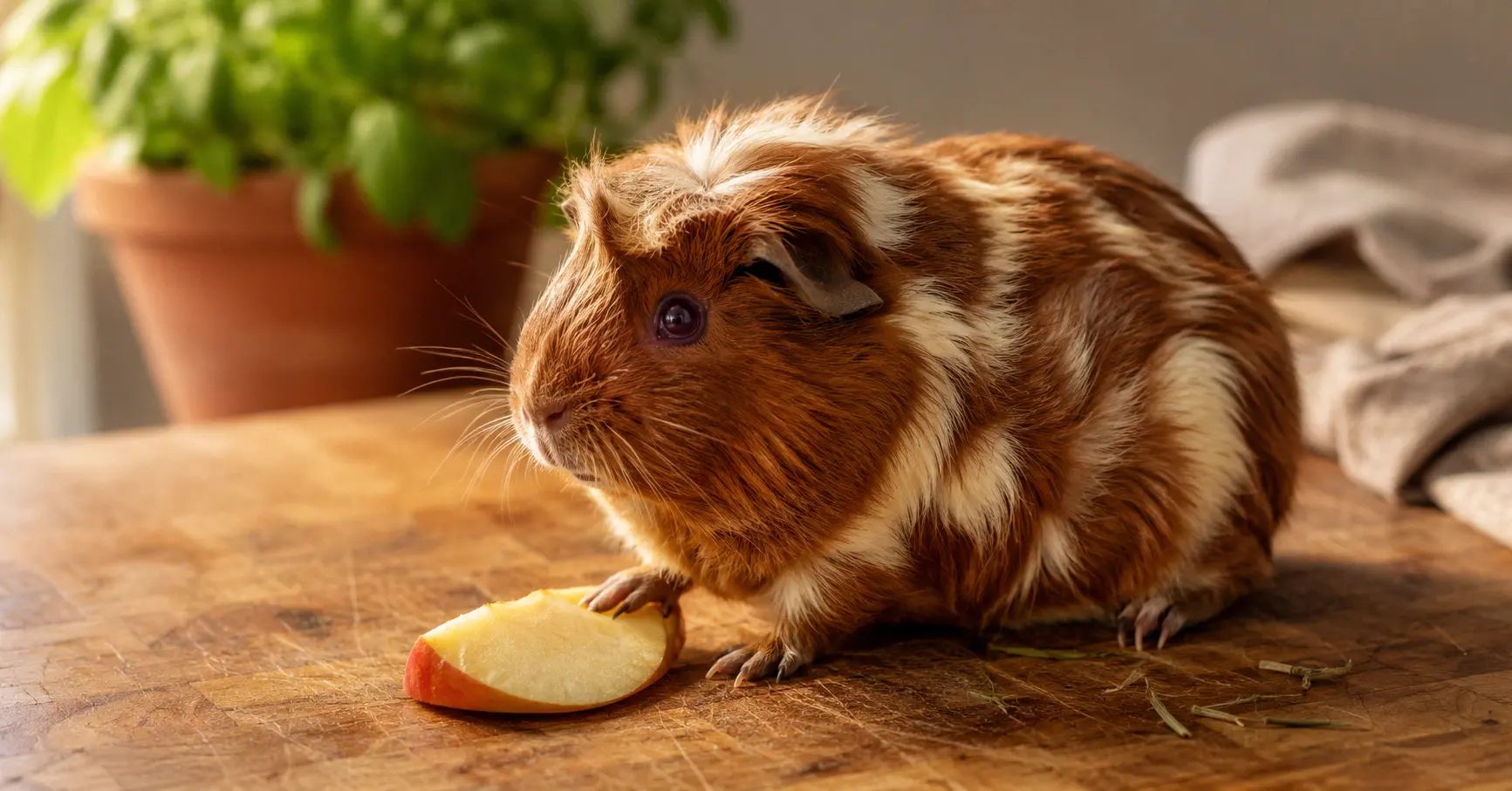

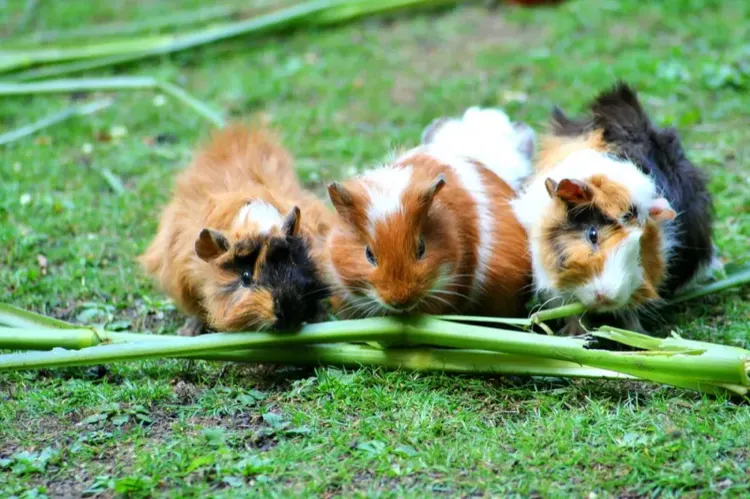
Your guinea pig already eats timothy hay every day, so you’re wondering if fresh grass from the yard is okay too. The short answer is yes, but there are some real hazards to watch for, including pesticides, wet conditions, and digestive upset.
Should Guinea Pigs Eat Grass?
Yes, guinea pigs can eat grass, both fresh and dried. It helps their digestive systems function properly.
The key is sourcing it carefully.
Ideally, the healthy diet of a guinea pig consists of vegetables and fruits (which are the main source of vitamin C), herbs, guinea pig pellets, and of course hay. Hay is one of the most important nutrients in your pet’s diet because of the fiber it contains, which keeps your guinea pig’s digestive system healthy and helps keep its teeth trimmed.
For that reason, guinea pigs should have a constant supply of timothy hay every day!
Are Guinea Pigs Herbivores?
Guinea pigs are strict herbivores. Meat, dairy, and any processed food (cooked, baked, fried, etc.) are all off the table.
All the nutrients guinea pigs need are in fresh fruits, vegetables, and hay, as well as commercial guinea pig pellets enriched with vitamin C. If you want to explore the best guinea pig foods available, there are plenty of quality options.
If you decide to give fresh grass to your guinea pigs, that won’t be a mistake. However, keep in mind that the indoor lifestyle of your guinea pig required a diet that primarily consisted of grass hay, pellets, and raw vegetables.
If you decide to introduce fresh grass into your guinea pig’s diet, you should do it slowly, just as you’d do with any new type of food. Hay and fresh leafy vegetables should always make the bulk of your pet’s regular diet.
Can Guinea Pigs Eat Fresh Grass?
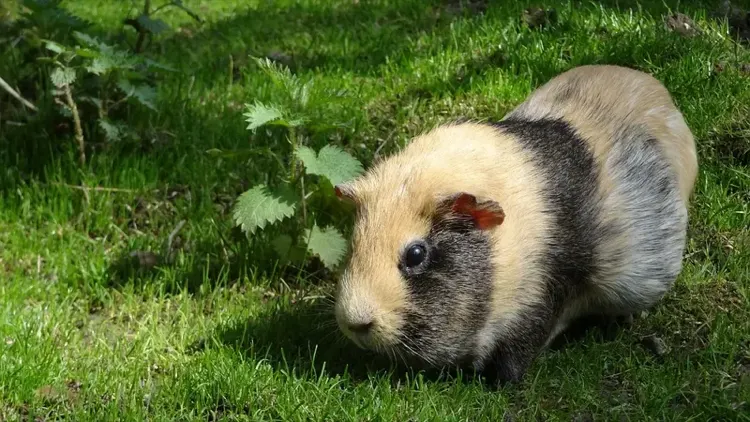
For sure. Guinea pigs can eat fresh grass.
Your guinea pig’s digestive tract is fragile and designed to digest food rich in fiber.
When guinea pigs eat grass, they get sufficient fiber, which is great as fiber aids in your pet’s digestion. Both fresh grass and grass hay contain plenty of fiber and that’s why fresh grass would be a suitable meal for your guinea pig.
The grass is always a good source of nutrition for them. But pay close attention, as soil and fresh grass can contain parasites and parasite eggs.
Deworming your guinea pigs periodically can be the right move if you implement fresh grass into your guinea pigs’ regular diet.
What Type of Fresh Grass Do Guinea Pigs Love?
Guinea pigs love all types of grass, although it’s not recommended to let them eat Lucerne (alfalfa) or Clover, not even dried alfalfa and clover hay. These are too high in protein and calcium, which isn’t safe for guinea pigs.
Don’t feed guinea pigs with any herbs, grasses, or vegetables that are high in protein and calcium, as these can cause health problems. Also, don’t feed them grass that grows near the road or grass cuttings.
Make sure the grass is clean and safe for your guinea pigs. They won’t be picky and will eat whatever is in their way.
Is Letting Guinea Pigs Eat Fresh Grass Outside a Good Idea?
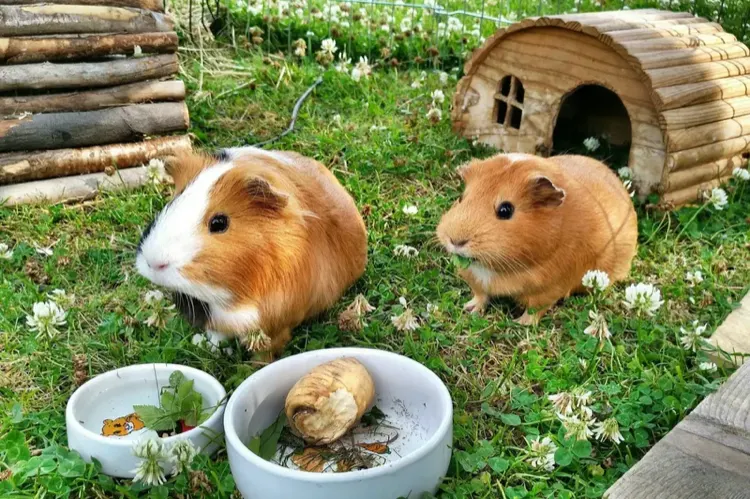
Letting your guinea pigs run around and eat grass in your backyard isn’t a bad idea. However, it’s not the best idea either.
There are several important things to which you should pay attention.
Your guinea pigs will run, forage, and chew on grass, but you’ll have to make sure that the grass is dry. Don’t let your guinea pigs eat grass that’s wet or damp, or spend any time in it.
If you let your piggies run on wet grass, they’ll get wet themselves. Not only can they catch a cold, but they can also suffer from skin conditions, hair loss, fungal infections, and the formation of lesions on their skin.
Grass that’s been wet for some time can become moldy, which will have a detrimental effect on your pet’s health. You’ll also need to pay attention to the weeds growing in your yard, as some of them can be lethal for guinea pigs.
Never let your guinea pigs on grass that was previously treated with pesticides, fertilizers, and other chemicals. Otherwise, your guinea piggies can become severely ill or even die.
If you do take your guinea pigs outside, keep a close eye on them and make sure the area is safe.
Is Fresh Grass a Sufficient Meal for Guinea Pigs?
Fresh grass alone won’t cut it. The vitamin C content is too low to meet your guinea pig’s daily needs.
These small animals need lots of vitamin C, but the content of vitamin C in fresh grasses, grass hays, and legume hays is very low. To provide your guinea pig with sufficient amounts of this vitamin, you need to feed your pets with foods high in vitamin C.
The lack of vitamin C is detrimental for guinea pigs. It causes scurvy, a potentially lethal disease if it’s not treated.
For that reason, feed your guinea pigs with raw and fresh foods rich in vitamin C such as leafy greens and:
- Bell peppers
- Tomatoes (the fruit but not the leaves)
- Spinach
- Asparagus
- Broccoli
- Parsley
- Kale
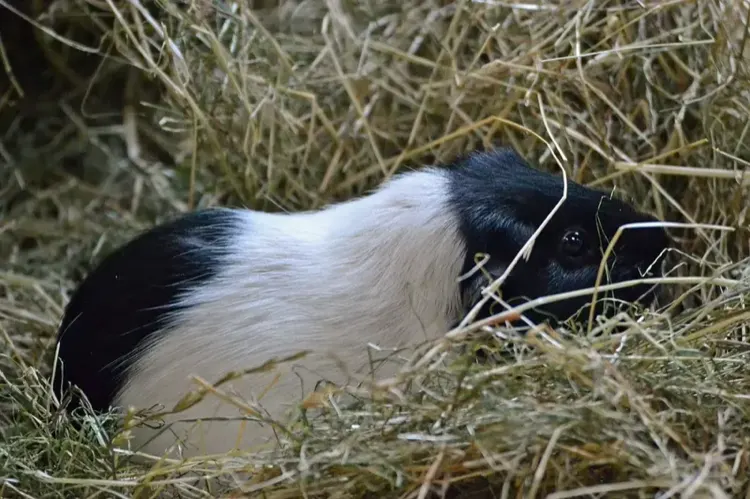
Guinea pigs can eat an unlimited amount of fresh grasses and hay, and they should have it readily available every day. Guinea pigs munch on hay all day, which is great as hay contains fiber that’s beneficial for their digestion and also helps them keep their teeth trimmed.
Is Grass Hay Better Than Fresh Grass for My Guinea Pig?
In captivity, hay is an essential part of your pet’s diet and it’s available throughout the whole year. Without hay, your guinea pig can become ill because hay helps them digest their food and keeps their digestive system healthy.
Without fiber in the hay, a guinea pig’s stomach doesn’t work properly and can easily develop digestion problems and diarrhea. Hay also helps your piggies grind their teeth to a suitable length.
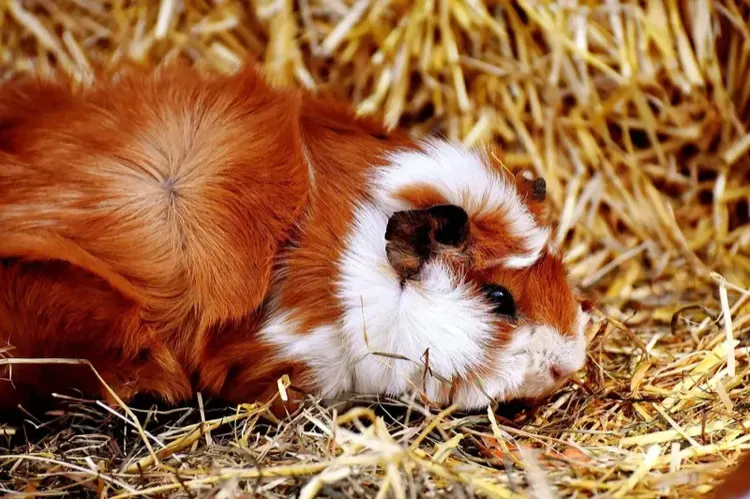
Piggies like hay for bedding too.
All these are advantages of hay, which doesn’t mean that fresh grass isn’t important. However, it’s much less important compared to hay.
Fresh grass can be a good addition to your pet’s diet as it contains some important vitamins and minerals, although in low amounts.
What Types of Food Guinea Pigs Shouldn’t Eat?
While you can feed guinea pigs grass, you shouldn’t let them eat any herbs that are dangerous for them. Guinea pigs like fresh raw grass but they can’t distinguish which herbs and plants are dangerous.
Pay close attention to weeds growing in your garden or in the area where you let your piggies run around. Many plants people keep at home are lethal to your pet, including some of the foods that we humans can regularly eat.
You should never let your piggies eat any kind of seeds because they represent a choking hazard, while apple seeds are also poisonous to these small animals. You should also avoid feeding guinea pigs with food rich in calcium and that has high sugar content, as such foods can cause health issues that are hard to treat.
Final Thoughts
You can safely let your guinea pigs eat fresh grass, as long as it’s dry, pesticide-free, and introduced slowly. Just don’t rely on grass alone to meet their nutritional needs.
Timothy hay should remain the cornerstone of their diet, with fresh vegetables providing the vitamin C they can’t produce on their own. If you’re ever unsure about a specific type of grass or plant, it’s best to skip it and stick with what you know is safe.
Frequently Asked Questions
Not at all. Lawn clippings aren't safe for guinea pigs. Mower blades crush the grass, which causes it to ferment quickly and produce harmful bacteria. Fermented grass can cause serious bloating and digestive problems. Always let your guinea pig graze on fresh, standing grass that hasn't been cut by machinery.
Start with a small handful and gradually increase the amount over one to two weeks. Fresh grass should supplement their main diet of unlimited timothy hay, not replace it. Watch for soft stools or diarrhea, which signal you're introducing it too fast or giving too much at once.
Baby guinea pigs can nibble on fresh grass once they start eating solid foods at around two to three days old. Keep portions very small and make sure the grass is dry, pesticide-free, and clean. Their digestive systems are especially sensitive, so introduce it even more slowly than with adults.
Not exactly. Hay is grass that's been carefully dried, cured, and baled to preserve nutrients and fiber content. Sun-dried grass from your yard doesn't go through the same curing process and can develop mold if it isn't dried properly. Stick with store-bought timothy hay for the most reliable nutrition.