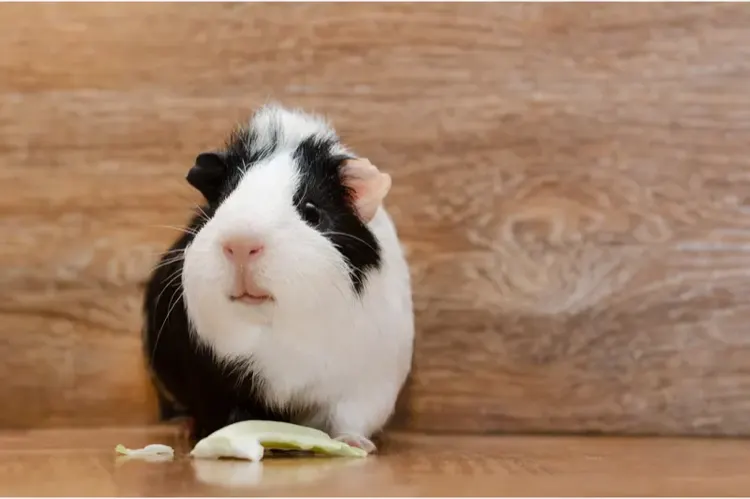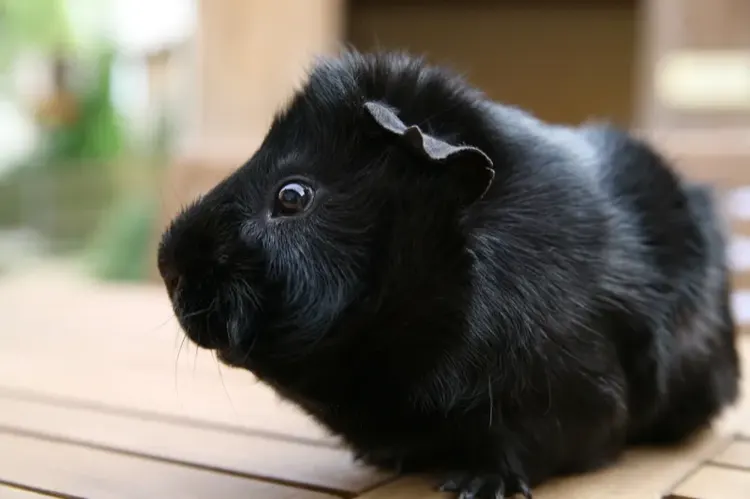

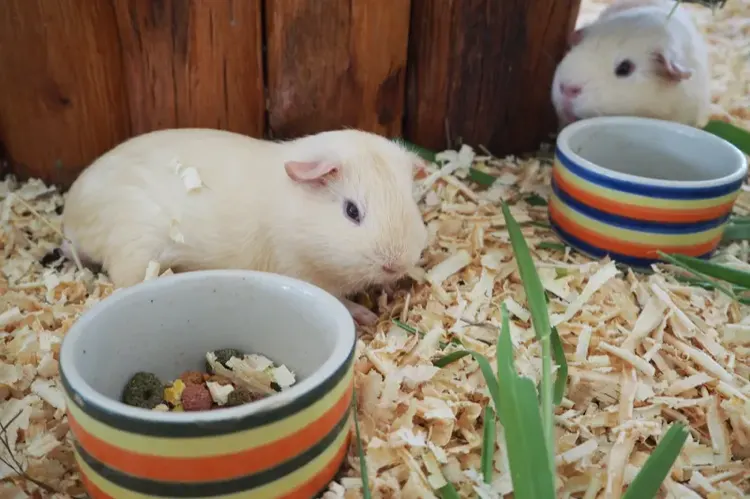
Thinking about getting a white guinea pig? They’re not a separate breed.
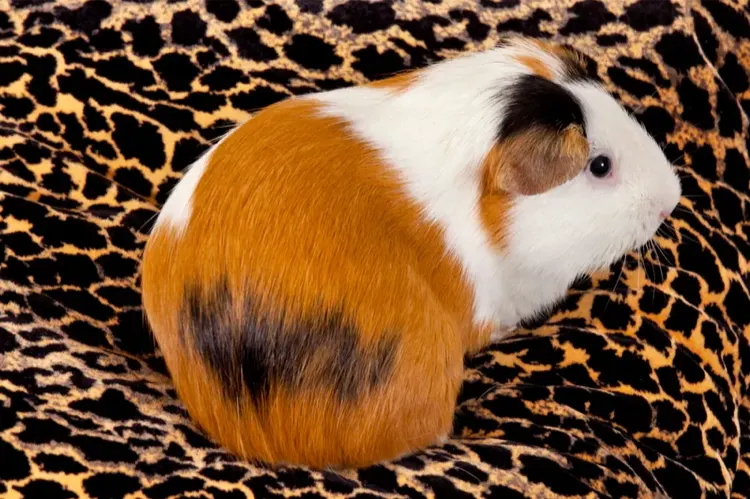
White is just a color variation that can appear in almost any breed, from American to Texel.
One thing many new owners miss is the difference between white guinea pigs and albino ones.
What Are White Guinea Pigs?
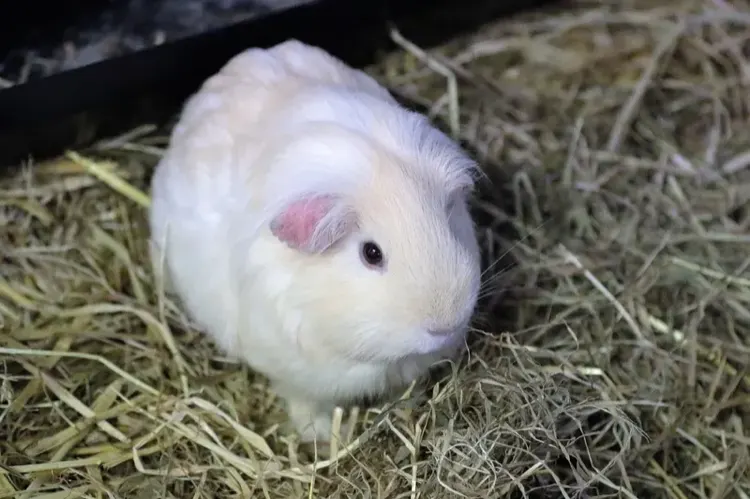
White guinea pigs are simply guinea pigs that have white hair. They’re not a different species, just a different color.
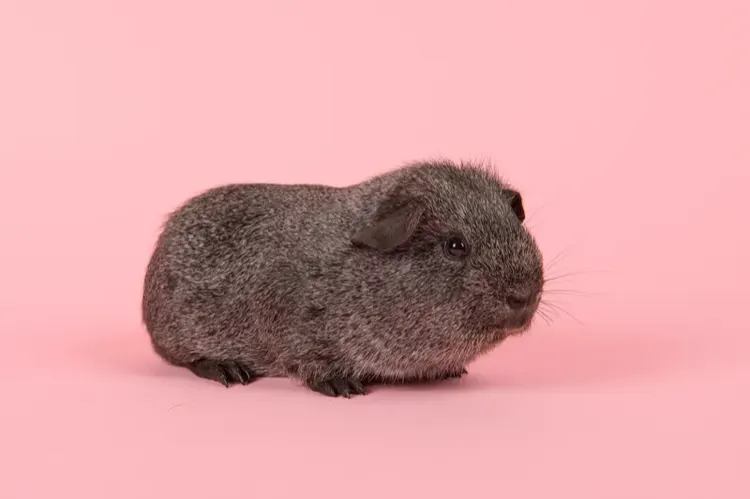
They can have long or short white fur and come in a variety of shapes and sizes. Coat names work this way across the whole species, and the banded agouti coat describes a color pattern rather than a breed.
Just like other guinea pigs, they require fresh food and water daily and should be kept in a clean enclosure. They also need plenty of exercise, so make sure to provide them with plenty of space to run around.
White guinea pigs make great pets for both children and adults. They’re gentle creatures that enjoy being around people and don’t require a lot of work.
The History of White Guinea Pigs
White guinea pigs have been around for centuries and are believed to originate from South America. The white color is thought to be the result of a genetic mutation.
White guinea pigs were first domesticated by the Incas, who revered them as sacred animals. After the Spanish conquest of South America, white guinea pigs were introduced to Europe, where they quickly became popular pets.
Today, white guinea pigs are still considered lucky symbols in many cultures and are enjoyed by people all over the world.
Are White Guinea Pigs and Albino Guinea Pigs the Same Thing?
White guinea pigs and albino guinea pigs aren’t the same thing. Albino guinea pigs are actually a type of white guinea pig, but not all white guinea pigs are albino.
Albino guinea pigs lack pigment in their skin, fur, and eyes. This is caused by a genetic mutation that prevents the body from producing melanin.
As a result, albino guinea pigs are completely white with pink eyes.
White guinea pigs, on the other hand, have normal skin and eye pigment. They may be born with white fur, but as they get older their fur may start to darken.
The easiest way to tell the difference is by their eyes. A white guinea pig will have dark eyes, while an albino guinea pig will have red or pink eyes.
Albino guinea pigs are often born without eyes or with deformed eyes that don’t function properly. They’re also more prone to deafness and skin cancer.
What Are Lethal White Guinea Pigs?
Lethal white guinea pigs are born without any pigment in their fur, which makes them appear very pale. They’re unfortunately very rare and often have health problems that can make them short-lived.
They’re particularly sensitive to sunlight, so provide them with plenty of shaded areas during the day. They also get cold easily, so a heated home is essential.
Because they lack pigment in their fur, they’re more susceptible to skin problems. Regularly groom your lethal white guinea pig and inspect their skin for signs of irritation.
The lethal white gene is recessive, so two non-lethal white guinea pigs can have lethal white offspring. Because the gene is also fatal, most lethal white guinea pigs are stillborn or die shortly after birth.
Do White Guinea Pigs Have Any Special Needs?
Nope. White guinea pigs don’t have any special needs.
They’re just as easy to care for as any other type of guinea pig.
Albino guinea pigs do have special needs, though. They lack pigment in their skin and eyes, making them more susceptible to sunburn and skin cancer.
Albino guinea pigs can also have a compromised immune system, meaning they’re more likely to get sick.
They also have a higher risk of deafness, so handle them with care and avoid loud noises. Albino guinea pigs may require special diets and supplements.
They can sunburn easily, so provide plenty of shade if they’re spending time outside.
Almost every albino guinea pig is prone to developing skin problems. Their delicate skin is often irritated by chemicals, so use gentle shampoos and avoid harsh cleaners around them.
White Guinea Pig Breeding: A Step-by-Step Guide
If you’re interested in breeding white guinea pigs, there are a few things you should know first. Breeding guinea pigs can be fun and rewarding, but it’s also a lot of responsibility.
Here’s a step-by-step guide:
- Pick a healthy male and female guinea pig that you want to breed. The guinea pigs should be at least 4 months old, but ideally no more than 1 year old.
- Put the male and female in a spacious enclosure where they can get to know each other. After a week or so, you can move them into a smaller space.
- Watch for signs that the female is ready to mate, such as increased vocalization, restlessness, and changes in urine production.
- After about 63 days of gestation, the female will give birth to two or three live baby guinea pigs, called “pups.” They’ll be born fully furred and able to see and hear.
For more detailed instructions, please consult a professional breeder or veterinarian.
White Guinea Pig Traits
Pet guinea pigs are available in a wide variety of colors, patterns, and coat types. White guinea pigs are among the most popular.
White guinea pigs are actually quite rare. Most guinea pigs are born with brown or black fur, which eventually turns white as they age.
This color change usually happens around 6 months old. If you’re looking for a white guinea pig, it’s best to buy an adult rather than a baby.
White guinea pigs are just as friendly and sociable as other types. They love to play and explore their surroundings, and they enjoy being around people and other animals.
Like all animals, white guinea pigs need proper care and nutrition. They should have a diet that includes hay, fresh vegetables, and a small number of pellets.
They need access to clean water at all times. Provide them with plenty of hiding places and toys to keep them entertained.
What Is the Life Span of White Guinea Pigs?
According to the Humane Society, the average lifespan of a white guinea pig is 5 to 7 years. Diet and exercise play a role in overall health and can help extend their life.
Good dental care is necessary for keeping teeth healthy and preventing infection. Regular vet checkups can also help identify potential health problems early on.
With proper care, it’s not uncommon for white guinea pigs to live well into their teens. The best way to ensure a long and healthy life for your pet is to provide them with plenty of love and attention.
Tips for Taking Care of Your White Guinea Pig
White guinea pigs are relatively low-maintenance pets. Still, there are a few things you can do to ensure their health and happiness:
- Guinea pigs are social creatures and love to have a friend or two. Consider getting two so they can keep each other company. If you’re unsure, read about whether guinea pigs can live alone.
- Guinea pigs are also very active and love to explore. Provide them with plenty of space to run around and play.
- They’re herbivores and need a diet rich in hay, fresh vegetables, and quality pellets. Offer a variety and change things up occasionally so they don’t get bored.
- Fresh water is important, so give them a clean supply every day. A water bottle works best, but you can also offer a bowl.
- Guinea pigs love to play and will enjoy having toys. Great options include balls, tunnels, and chew toys.
Final Thoughts
White guinea pigs are gentle, playful, and striking to look at. Their coat does need regular grooming, but the upkeep is straightforward.
With the right diet and a clean environment, they’ll live a long, healthy life. Just do your homework before buying to make sure they fit your household.
Frequently Asked Questions
White guinea pigs need the same care as any other color: unlimited hay, fresh vegetables, clean water, and a spacious cage. Albino whites are the exception. They need extra protection from sunlight and more frequent skin checks.
White guinea pigs make excellent pets for families and individuals alike. They're social, gentle, and enjoy interacting with their owners. Like all guinea pigs, they thrive in pairs and benefit from daily handling and playtime to stay happy and well-adjusted.
White guinea pigs need grooming regularly to keep their fur clean and free of mats. A once-a-week brushing is usually enough for short-haired varieties. Long-haired whites need daily brushing to prevent tangles. Regular nail trims every three to four weeks are also essential for comfort.
White guinea pigs typically cost between twenty and thirty dollars from pet stores, though prices vary by location and breed. Rare breeds or show-quality pigs may cost more. Don't forget to budget for ongoing costs like food, bedding, cage supplies, and regular veterinary checkups.
An albino guinea pig has white fur and red or pink eyes caused by a complete lack of melanin. They're more sensitive to light, prone to skin problems, and may have vision or hearing issues. They need extra care compared to regular white guinea pigs.