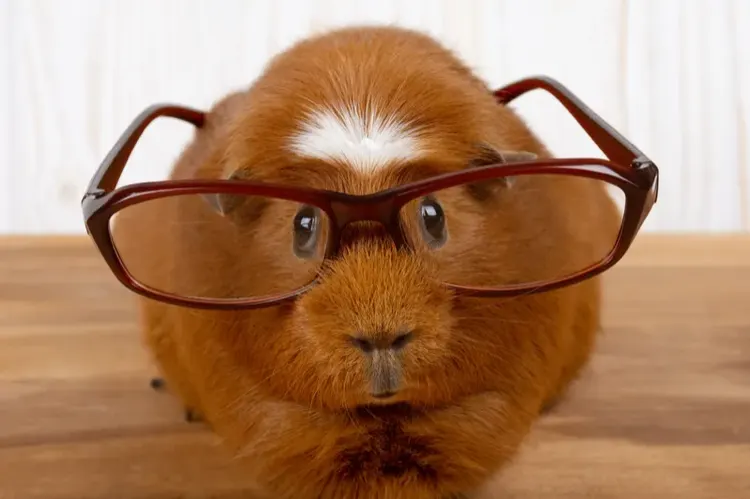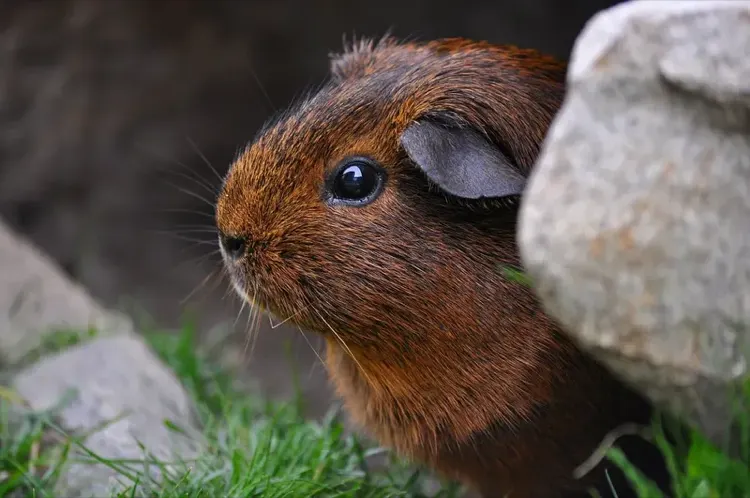

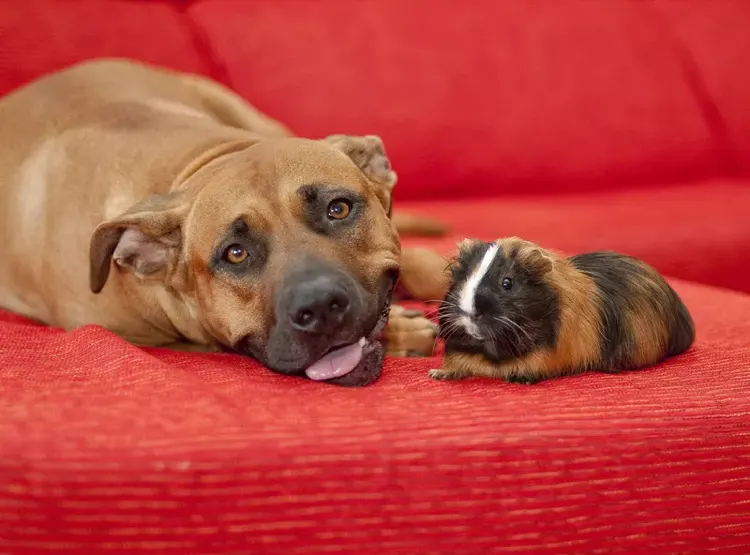
You already have a dog and want to bring home a guinea pig. Will they get along, or is it a disaster waiting to happen?
It depends on the dog. Puppies under 16 weeks are still learning social skills and adapt more easily.
But breeds with strong hunting drives, like terriers and hounds, may always see a guinea pig as prey rather than a friend.
What Should I Know About Dogs? (For Guinea Pig Owners)
 If you’re just planning to become a new dog parent, there are a few things that you should keep in mind. They’re social creatures that need companionship, exercise, and a proper diet.
Dogs crave attention. Without enough of it, they turn to destructive behaviors fast.
Daily exercise isn’t optional either. A good walk or run keeps them physically and mentally healthy.
On the food side, look for diets high in protein and low in fillers like corn or wheat. Skip the table scraps, as they lead to obesity.
Exercise
Dogs are active creatures and need regular exercise to stay healthy and happy. A daily walk or run gives your dog the physical activity it needs, and it’s a great opportunity for bonding.
Mental Stimulation
Along with physical exercise, dogs need mental stimulation to stay sharp. Try teaching your dog new tricks, playing interactive games, or providing food-dispensing toys to keep their minds engaged.
Proper Nutrition
Just like people, dogs need proper nutrition to function at their best. Feed your dog high-quality food that’s appropriate for their age, breed, and activity level.
Talk to your vet about what type of food is best.
Socialization
Dogs are social creatures and need regular interaction with people and other animals. If you can’t provide enough socialization opportunities, consider enrolling them in a dog daycare or puppy class.
Love and Attention
Dogs need love and attention from their owners. Show your dog how much you care by spending quality time together, offering plenty of affection, and being there when they need you.
What Should I Know About Guinea Pigs? (For Dog Owners)
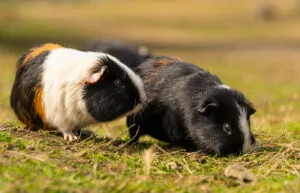
Guinea pigs are social animals that thrive in pairs or small groups. They require plenty of space to run and play, as well as toys and activities to keep them entertained.
They’re also extremely sensitive animals. Any sudden movement or noise can frighten them, which can lead to health issues.
If you’re thinking about getting a guinea pig, here are some things you should know:
Space Requirements
A pair of guinea pigs needs at least 7 square feet of cage space, but bigger is always better. Check out our guide on guinea pig cages for two for recommendations.
Activity and Enrichment
To keep them entertained, they need a variety of toys and enrichment activities. Tunnels, a guinea pig hideout, chewing toys, and balls are all great options.
Sensitivity
Guinea pigs are extremely sensitive to changes in their environment and can easily become stressed. Maintain as much consistency as possible by following a feeding, cleaning, and exercise routine.
Social Needs
These small animals thrive in pairs or small groups. If you have more than one guinea pig, make sure they’ve got plenty of space and can interact with one another.
Guinea pigs shouldn’t live alone if it can be avoided.
Diet
A healthy guinea pig diet should include mostly hay, fresh vegetables, and a few pellets. They’re prone to a variety of health issues due to incorrect diet and lack of hygiene, so regular vet check-ups are a must.
How To Introduce Dogs and Guinea Pigs
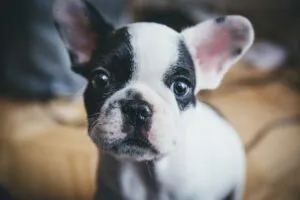 One important factor is your dog’s age. Puppies under 16 weeks are still developing social skills and are more likely to accept another animal as a friend rather than potential prey.
Dog breeds with a strong hunting drive may have a harder time seeing a guinea pig as a friend rather than something to chase. Working in stages is the key to a successful introduction.
Allow Scent Introduction First
Allow your dog to observe you setting up your guinea pig’s cage in a safe, separate room. Don’t let the animals see each other for several days.
Spending time near the closed door lets your dog pick up on the guinea pig’s scent. If your dog starts to become aggressive, don’t scold him.
Distract him with a toy or a treat instead.
Share Scent With a Washcloth
Another good way to familiarize the animals is to share the scent with a washcloth. If your dog appears nervous or uneasy, distract him but don’t scold him.
Keep all reinforcement positive to encourage him to associate good things with the guinea pig. Even if your dog stays calm and relaxed, keep him leashed until you’re completely satisfied with his behavior.
Under no circumstances should you leave the animals alone without supervision. A larger dog may accidentally injure the smaller animal while playing.
A guinea pig is more of a natural lunch for a dog than a natural friend, and the guinea pig probably knows this. You can train a dog to be gentle, but never give him unsupervised access.
Upgrade the Cage
Replace your guinea pig cage with a sturdy pet-proof cage. Some guinea pig cages are flimsy, and while they can contain guinea pigs, they can’t keep larger pets out.
Add a large nesting box to the cage. Guinea pigs need a safe place to hide, which is especially important in a home with dogs.
Install a pet gate to keep your dog out of the guinea pig room when you aren’t present.
Supervised Room Time
Allow your dog to spend short periods in the same room as the guinea pigs while they’re contained in their cage. Spend these sessions with your dog’s attention on you.
Request that he sit and maintain eye contact, or perform a trick that requires his complete attention. This is known as guinea pig training.
Let Guinea Pigs Explore Alone First
Let the guinea pigs out of their cage when the dog isn’t present. This teaches them that the space is their territory too.
Careful Direct Introduction
Bring the dog into the guinea pig room, attract his attention by calling his name, and let the most confident guinea pig out. If the guinea pig refuses to come out or the dog shows too much predatory interest, stop the introduction right away by removing the dog.
Remember that they don’t have to become best friends. It may be easier to keep them apart in the long run.
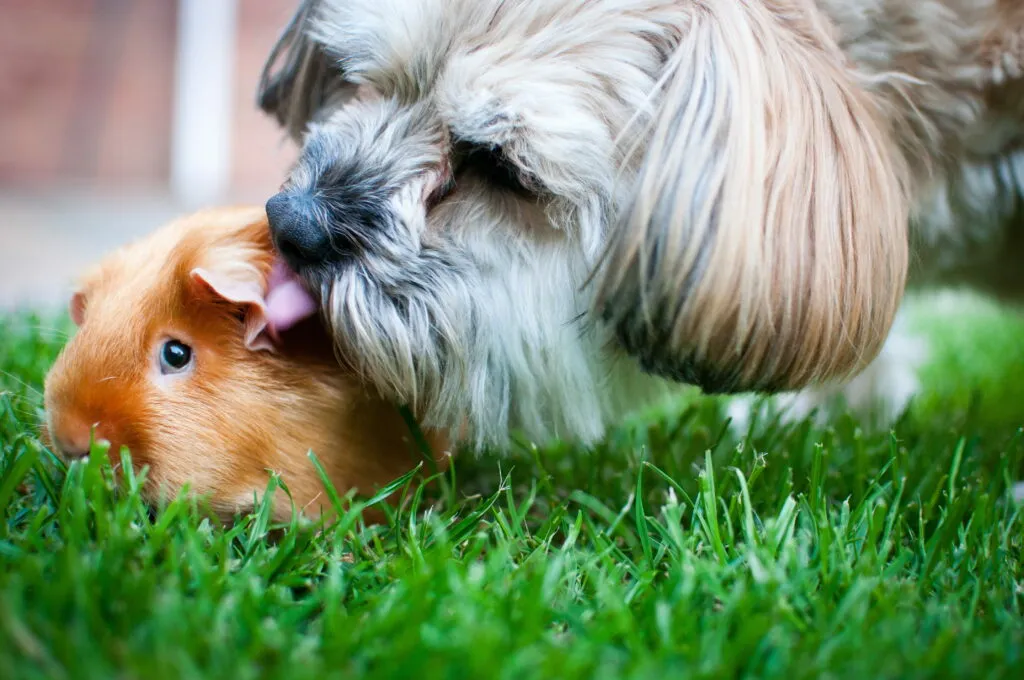
Is a Guinea Pig Safe Around a Dog?
Your guinea pigs may get along with your other pets, but never leave a guinea pig alone with another pet, not even for a minute. Cats and dogs are both predators that would hunt small rodents in the wild.
Keep your guinea pigs safe and don’t let animals interact unsupervised.
Dogs have a natural hunting instinct, which is why it isn’t safe to keep them with your piggies. Some dog breeds were specifically bred to hunt small animals, and they may be inclined to hurt your guinea pig.
Some dogs would just want to play with your guinea pigs, but they’re much larger and much stronger. A guinea pig is very fragile, so even a friendly swat could cause a serious or even lethal injury.
A dog’s instincts may suddenly kick in, especially if the guinea pig makes a squeaky noise or begins to flee. Even if you’re present, a cat or dog may suddenly scratch, bite, or pounce, at which point it’s too late to intervene.
Can Dogs and Guinea Pigs Be Friends?
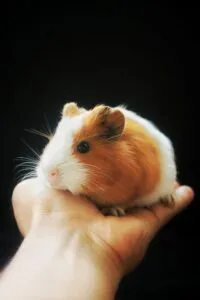 You might have introduced your pets and the process went smoothly. Your dog and guinea pig accepted each other, which makes you happy.
But the dog is likely much larger than your guinea pig. Dogs are predators, and guinea pigs are small, helpless prey animals.
It’s hard to imagine a safe relationship developing unless you introduce them while the dog is still a puppy. Or your dog is very gentle and maternal while the guinea pigs are still very young.
Some pet owners have managed to make their dogs and guinea pigs get along, and some even live together thinking they belong to the same species. But even then, it’s not recommended to leave them together without supervision.
Breeds with strong prey drives would almost certainly consider guinea pigs to be lunch. The best approach is to keep your piggies in their cage and let them roam free under your supervision when the dog isn’t around.
Final Thoughts
Whether these two species can coexist depends entirely on your dog. Age, size, breed, and temperament all factor in.
The bottom line: never leave them alone together. Not for a minute.
Even a friendly dog can injure a guinea pig with one playful swat, and prey instincts can kick in without warning.
Keep your piggies safe in their cage, supervise every interaction, and accept that some dogs will never be guinea pig compatible.
Frequently Asked Questions
Small dogs are less likely to cause fatal injuries, but they still have prey instincts that can kick in unexpectedly. Size alone doesn't guarantee safety. You should always supervise interactions regardless of your dog's breed or temperament, and never leave them alone together.
The introduction process typically takes two to four weeks of gradual scent swapping and supervised sessions. Some dogs adjust faster while others never fully accept a guinea pig. Don't rush the process, and be prepared to keep them permanently separated if needed.
Watch for intense staring, stiff body posture, raised hackles, whining, lunging, or obsessive focus on the guinea pig's cage. These behaviors indicate strong prey drive that training may not override. If your dog shows these signs consistently, it's safest to keep them fully separated.
You can absolutely keep both pets in the same household with proper precautions. Dedicate a separate room for your guinea pigs with a secure door or pet gate. Many families successfully keep dogs and guinea pigs by simply giving each pet its own safe space.