 roundup
 10 Best Guinea Pig Gifts Any Cavy Lover Will Adore
Are you searching for perfect guinea pig gifts?

Toys, exercise equipment, carriers, hideouts, and the best accessories to keep your guinea pig happy.

We may earn a small commission through links on this page, at no extra cost to you. As an Amazon Associate, we earn from qualifying purchases. Ratings reflect our own editorial evaluation.
The right accessories turn a basic cage into an enriching environment where your guinea pig can explore, play, hide, and feel secure. The wrong ones take up space, collect bacteria, or pose safety hazards that are easy to miss until something goes wrong.
Guinea pigs are curious, social animals that need mental stimulation beyond food and shelter. Boredom leads to behavioral problems like excessive barbering, aggression toward cage mates, and general listlessness. A well-chosen set of accessories keeps your guinea pigs engaged, active, and happier overall.
This guide covers every category of guinea pig accessory you are likely to need: toys, hideouts, exercise equipment, carriers, feeding tools, and grooming supplies. For each category, I will explain what actually works, what to avoid, and what to look for when you are shopping.
In the wild, guinea pigs spend their time foraging, exploring varied terrain, hiding from predators, and socializing within their herd. A bare cage with just food and water offers none of that, which is why accessories are not luxury items -- they are essential for your guinea pig's physical and mental health.
Guinea pigs with adequate enrichment are more active, maintain healthier weights, show fewer stress behaviors, and are generally more social with their owners. The cost of a few good toys, a couple of hideouts, and a hay rack is trivial compared to the vet bills that come from a stressed, sedentary guinea pig.
Guinea pig toys do not need to be complicated or expensive. In fact, some of the best enrichment comes from things you already have around the house.
Guinea pig teeth grow continuously, and chewing is essential for keeping them at a healthy length. Safe chew toys include untreated wood blocks, willow sticks, apple wood branches, and woven grass or hay toys.
Avoid chew toys made from softwood (pine or cedar) unless they are explicitly labeled as kiln-dried and pet-safe. Also avoid any chew toy with plastic components, glue, staples, or artificial dyes that could be ingested.
Timothy hay-based chew toys serve double duty: they encourage chewing and contribute to the hay intake your guinea pig needs for healthy digestion.
Foraging toys make your guinea pig work for their food, which replicates the natural foraging behavior they would exhibit in the wild. Stuff hay into a toilet paper tube, hide vegetable pieces inside a crumpled paper bag, or scatter pellets across the cage instead of putting them in a bowl.
The goal is to make mealtime take longer and require problem-solving. A guinea pig that has to forage for food is more mentally stimulated, more physically active, and less prone to the boredom-driven behaviors that concern owners.
Replace cardboard and paper toys regularly. Guinea pigs chew on them, and soiled cardboard becomes a hygiene issue quickly.
Exercise wheels and balls are not safe for guinea pigs. Their spines are rigid and not designed for the curved running motion that wheels require. Exercise balls restrict airflow, cause overheating, and are extremely stressful. Both can cause serious spinal injuries.
Avoid small plastic toys designed for hamsters or mice. Guinea pigs may chew on plastic and ingest pieces, and toys sized for smaller rodents can trap toes or feet.
Hideouts are not optional. Guinea pigs are prey animals with a deep instinct to seek shelter when they feel threatened, tired, or simply want privacy. A cage without hideouts is a cage where your guinea pig will be chronically stressed.
Provide at least one hideout per guinea pig, plus one extra. This ensures every pig has access to shelter even when cage mates are occupying the others. Guinea pigs that have to compete for hiding spots develop stress-related health and behavior problems.
Wooden hideouts are sturdy and long-lasting. Look for untreated, kiln-dried wood with smooth edges and an opening large enough for your guinea pig to enter and exit without squeezing.
Fleece hideouts and cuddle cups are soft, washable alternatives that many guinea pigs love for sleeping. They flatten for easy cleaning and come in a range of sizes. Wash them weekly with the rest of your fleece liners.
Hay huts made from woven timothy hay or other grasses serve as both a hideout and a snack. Guinea pigs will munch on the walls as they sit inside, which makes these a great enrichment item even though they need replacing every week or two.
Tunnels and tubes connect hideouts and give your guinea pig a sense of having a burrow network. Fabric tunnels are lightweight and washable, while rigid plastic or cardboard tunnels provide more structure.
Guinea pigs get their exercise through running, popcorning (those joyful little jumps and kicks), and exploring. The best exercise equipment gives them space and motivation to move rather than forcing movement like a wheel or ball would.
A collapsible exercise pen or playpen gives your guinea pig supervised time outside the cage. Set it up on a blanket or fleece liner to protect your floor, add a hideout and some hay, and let your guinea pig explore.
Floor time pens work best in a room where the guinea pig can see and interact with you. Many guinea pigs are timid at first but become enthusiastic about floor time once they associate the pen with exploration and treats.
Gentle ramps connecting cage levels or bridging between areas encourage climbing and exploration. Keep ramp angles shallow -- guinea pigs are not natural climbers, and steep ramps are intimidating and can cause falls.
Cover ramps with fleece or a textured surface so guinea pig feet can grip properly. Smooth wood or bare plastic ramps are too slippery and will discourage use or cause injuries.
Tunnels placed throughout the cage or in the floor time pen encourage running and exploration. Guinea pigs naturally use tunnels as safe corridors, and a well-placed tunnel often becomes the most-used item in the cage.
Large-diameter tunnels, at least 6 inches across, give guinea pigs enough room to pass through comfortably. Smaller tunnels can trap a guinea pig that tries to turn around inside.
Every guinea pig owner needs a carrier for vet trips, and a good one makes the experience less stressful for both you and your pig.
A hard-sided, small animal carrier with a secure latch and good ventilation is the safest option. The carrier should be large enough for the guinea pig to turn around and lie down but small enough that the pig does not slide around during the car ride.
Line the carrier with a fleece pad or towel and add a small amount of hay. A familiar hideout or piece of fleece from the cage can reduce stress by providing a comforting scent.
Cardboard boxes are not suitable carriers. They provide no ventilation, are not secure, and a determined guinea pig can chew through them. Fabric-only bags without rigid sides do not protect against being crushed if something shifts during the drive.
The right feeding setup keeps food clean, encourages natural eating behavior, and makes your daily routine more efficient.
A hay rack mounted to the cage wall keeps hay off the bedding where it gets soiled and wasted. Look for racks with wide openings that let your guinea pig pull hay out easily without getting their head stuck.
Some owners prefer piling hay directly on the cage floor or in a dedicated hay area. This works fine as long as you refresh the hay daily and remove soiled portions. Guinea pigs that walk through and sit in their hay are less likely to eat it.
Heavy ceramic bowls are the standard choice for pellets and vegetables. They resist tipping, are easy to clean, and do not harbor bacteria the way plastic bowls do over time.
Avoid plastic food bowls. Guinea pigs chew on them, the surface scratches and holds bacteria, and they tip over easily. Stainless steel bowls work but are light enough that guinea pigs push them around the cage.
Glass water bottles are the most hygienic option. They do not scratch like plastic bottles, are easier to clean thoroughly, and do not develop the algae buildup that plagues plastic bottles in warm environments.
Mount the bottle at a height where the spout is level with your guinea pig's mouth. Check daily that the ball bearing in the spout is working properly by pressing it -- if water does not flow freely, the bottle needs cleaning or replacing.
A basic grooming kit does not need to be extensive, but having the right tools on hand makes regular care much easier.
Guinea pig safety comes down to materials, construction, and size. A few quick checks before you buy will prevent most problems.
Natural, untreated wood, food-grade stainless steel, ceramic, glass, and natural fiber (cotton, hemp, woven grass) are all safe. Avoid anything with paint, varnish, or dye unless specifically labeled as pet-safe and non-toxic.
Plastic accessories are generally safe if they are sturdy enough that your guinea pig cannot chew off and swallow pieces. Thin, brittle plastic is a choking and intestinal blockage hazard.
Guinea pigs are larger than many people expect. Accessories marketed for hamsters, gerbils, and mice are almost always too small. A hideout should be large enough for the guinea pig to enter, turn around, and lie down inside. Tunnels should be wide enough that the guinea pig does not get stuck.
Check for sharp edges, exposed staples, loose parts, and small pieces that could break off. Wire grids used for hay racks should have spacing too narrow for a guinea pig to get their head through, which is a common cause of injury with poorly designed feeders.
Yes. Without enrichment, guinea pigs become bored, sedentary, and stressed. Toys do not need to be expensive -- cardboard tubes, paper bags stuffed with hay, and simple chew sticks provide meaningful stimulation. Rotating toys every week keeps things interesting.
Most hamster toys are too small for guinea pigs and some are actively dangerous. Exercise wheels and balls should never be used with guinea pigs. Chew toys designed for hamsters may be acceptable if they are made from safe materials and are large enough that they cannot be swallowed whole.
A hard-sided, well-ventilated small animal carrier with a secure latch. Line it with a fleece pad, add hay and a piece of familiar bedding, and secure it with a seatbelt in the car. The carrier should be large enough for the pig to lie down but small enough to prevent sliding around.
Replace chew toys when they are chewed down to small pieces. Replace cardboard and paper toys when they become soiled. Wooden toys and fabric accessories last much longer -- replace them when they show signs of wear, damage, or when they can no longer be cleaned effectively.
Exercise wheels, exercise balls, and any toy with small detachable parts are dangerous for guinea pigs. Wheels and balls cause spinal injuries, and small parts are choking hazards. Mirrors can cause confusion and stress in some guinea pigs, though others seem indifferent to them.
Guinea pig accessories do not have to be expensive or complicated, but they do need to be safe, appropriately sized, and actually used. A few quality hideouts, some simple chew toys, a good hay rack, and a reliable carrier cover the essentials.
The best accessory investments are the ones that encourage natural behavior: foraging, hiding, exploring, and chewing. Skip the gimmicks, focus on enrichment that matches how guinea pigs actually live, and your cavies will be healthier and more engaged for it.
 roundup
 Are you searching for perfect guinea pig gifts?
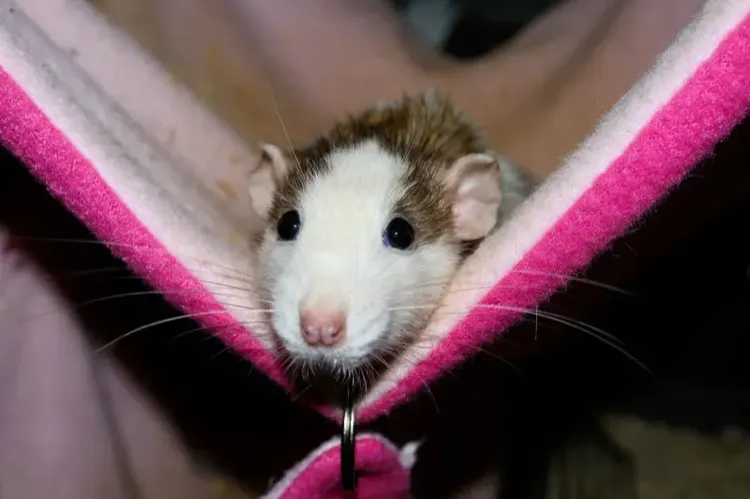 roundup
 We present a list of the best 10 guinea pig hammocks with a detailed description of their characteristics and their reviews.
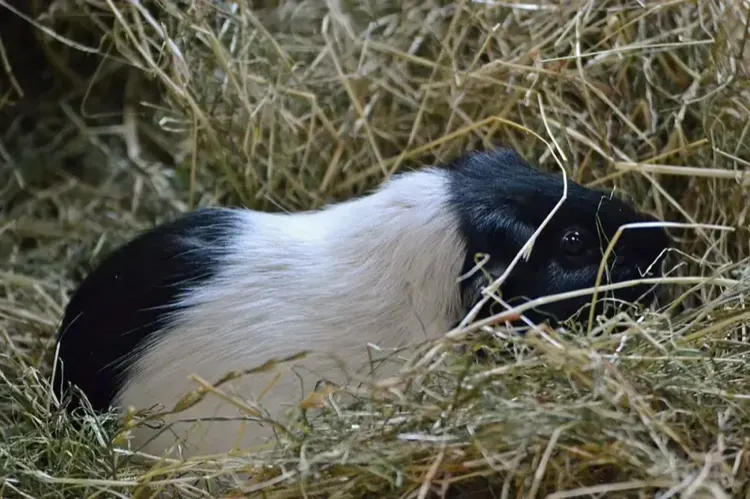 roundup
 If you want to have the perfect guinea pig hay bag for then, you are in the right place.
 roundup
 Funny, colorful, bright, eye-catching and novelty guinea pig socks are perfect for a guinea pig lover who loves to make a fashion statement.
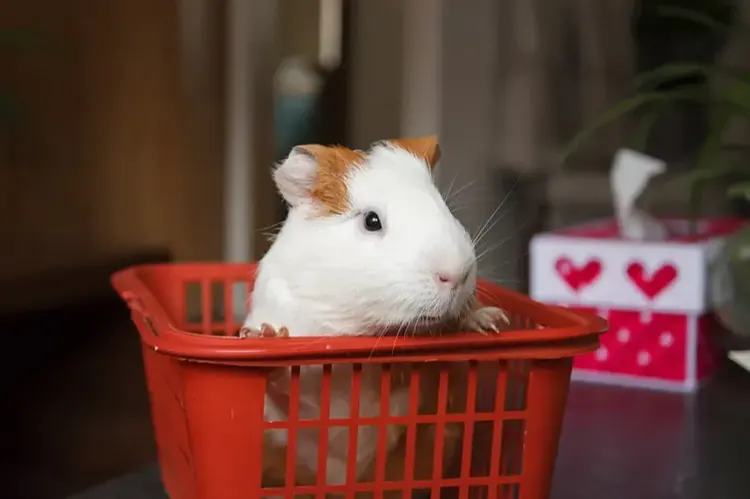 roundup
 A guinea pig starter kit should help new pet parents get ready to care for their new pet.
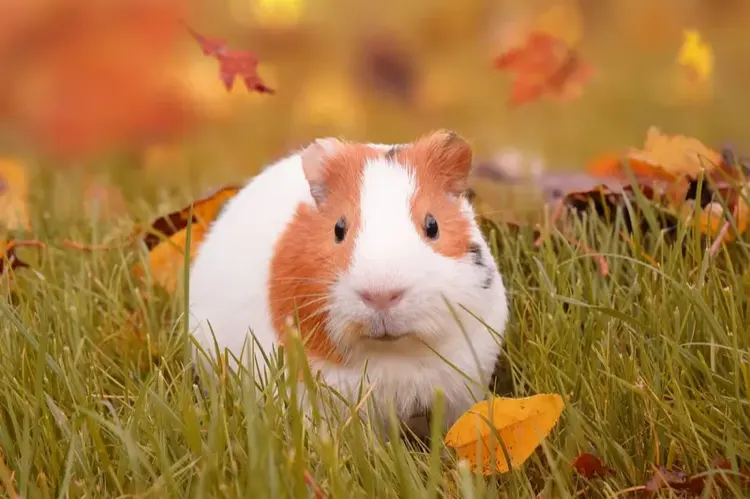 roundup
 Apart from guinea pig accessories and jewelry, you can check out these perfect guinea pig calendars to brighten your day any time you glance at the wall.
 roundup
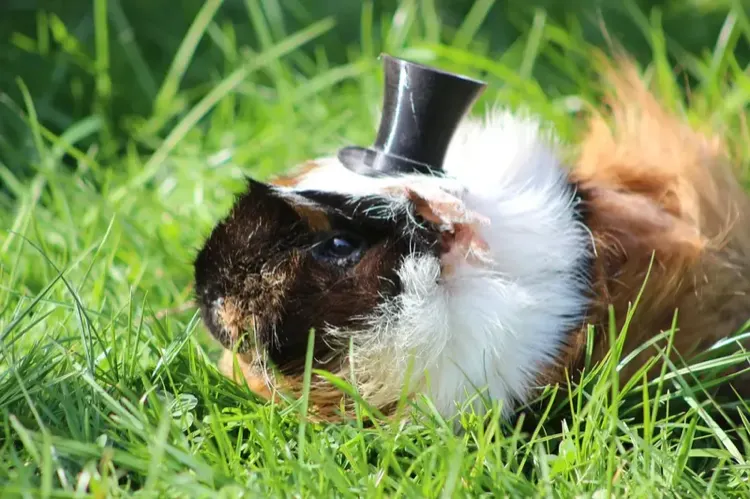
 It is easy to find eye-catching apparel for humans and costumes for dogs and cats, but costumes and hats for guinea pigs are really hard to find on the market.
 roundup
 There are many guinea pig jewelry options on the market.
 roundup
 A guinea pig leash is a basic requirement for taking your pet out for a walk. Here we review the 10 best guinea pig leashes to make your choice easy.
 roundup
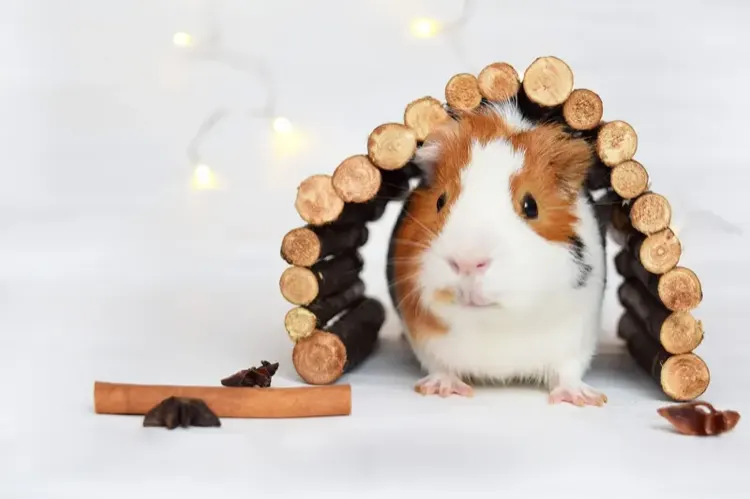
 A guinea pig hideout is an important place for your guinea pig as all small animals need alone time in their dens.
 roundup
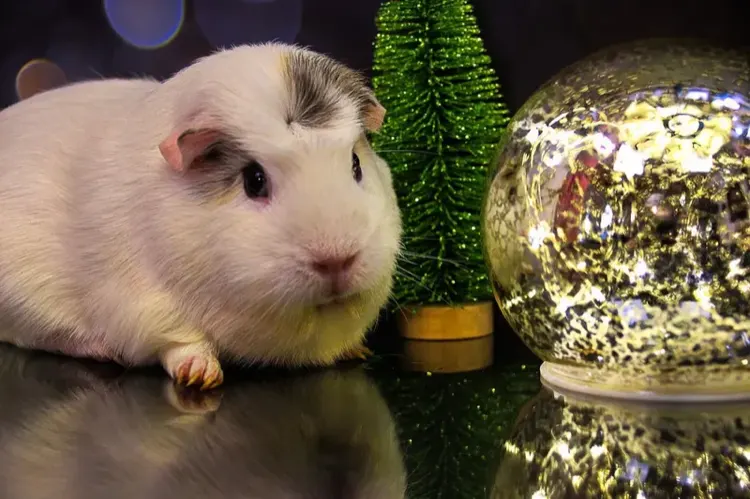
 Guinea pig accessories are extremely important for all guinea pig owners because they know that little things will make their pets happy!
 roundup
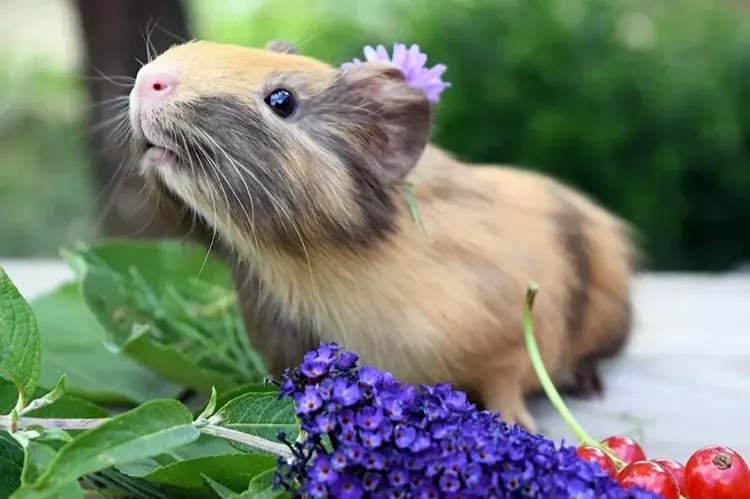
 Exercise is essential to the health of your guinea pig, and the guinea pig exercise wheel helps in keeping your little pets active.