 guide
guide American Guinea Pigs: The Calm Starter Breed With One Hard Rule
The American guinea pig is the smooth, short-haired breed found in most pet stores. Here is its color range, diet, health risks, and real setup cost.

Detailed profiles for every guinea pig breed, from American to Texel. Appearance, temperament, and what to expect as an owner.

We may earn a small commission through links on this page, at no extra cost to you. As an Amazon Associate, we earn from qualifying purchases. Ratings reflect our own editorial evaluation.
There are 13 breeds recognized by the American Cavy Breeders Association, plus a handful of others you will see in pet stores and rescues. The differences between breeds come down to coat type, grooming needs, and a few quirks. Personality varies more between individual guinea pigs than between breeds.
We have written profiles for the breeds you are most likely to encounter, covering what they look like, what grooming they need, and what to expect if you bring one home.
Most of the variation between guinea pig breeds is in the coat. Some have short, smooth fur that takes care of itself. Others have hair that grows a foot long and tangles overnight. A few have no hair at all.
Body size and shape are fairly consistent across breeds. Most adults weigh 900 to 1,200 grams and measure 8 to 10 inches long. What changes is the work involved in keeping them comfortable. A Texel needs daily brushing. An American needs almost none. That difference adds up over a five-to-seven-year lifespan.
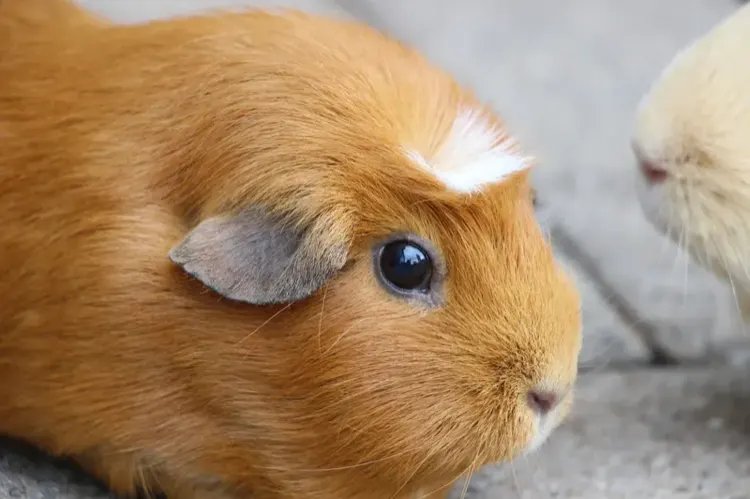
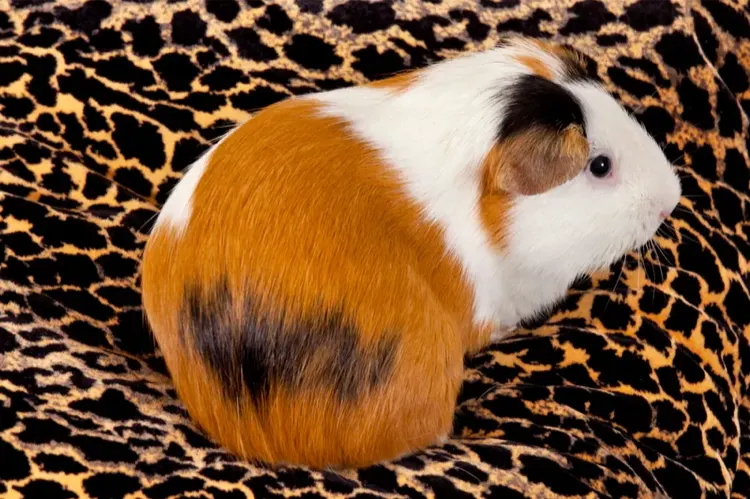
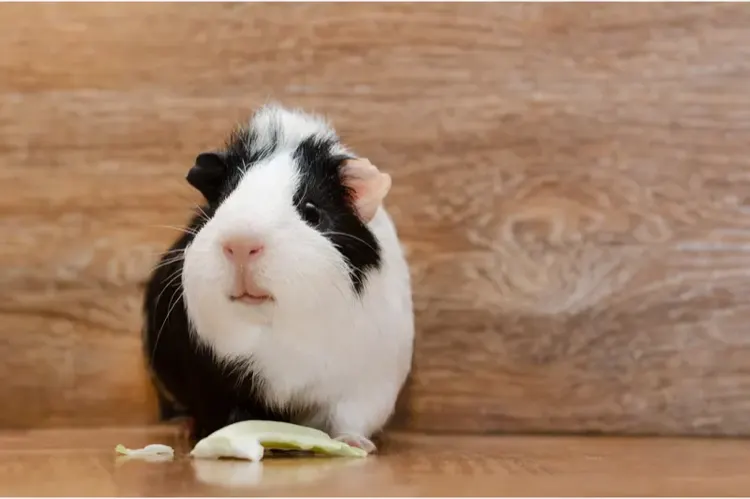
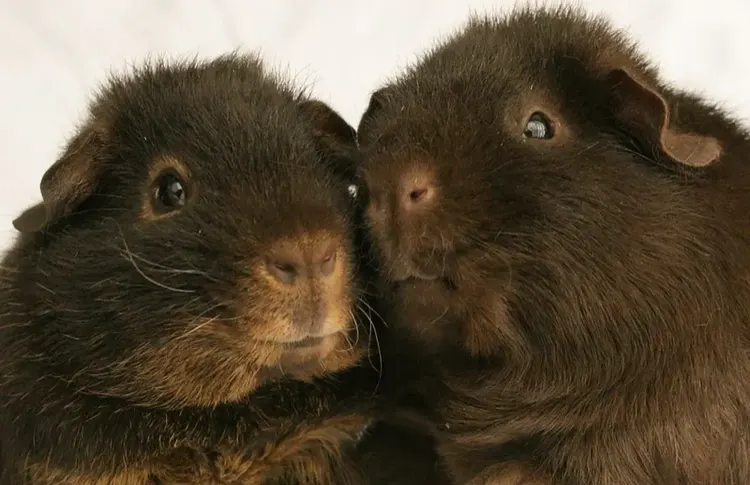
The American is the breed most people picture when they hear "guinea pig." Smooth, short coat, round body, friendly disposition. They are the easiest to care for and the most widely available. A solid choice if you have never owned a guinea pig before.
The Abyssinian stands out because of its rosettes. Swirling cowlick patterns across the body. A show-quality Abyssinian has eight to ten rosettes arranged symmetrically. They tend to have a bit more energy than Americans, and the rosettes need brushing to keep them from matting.
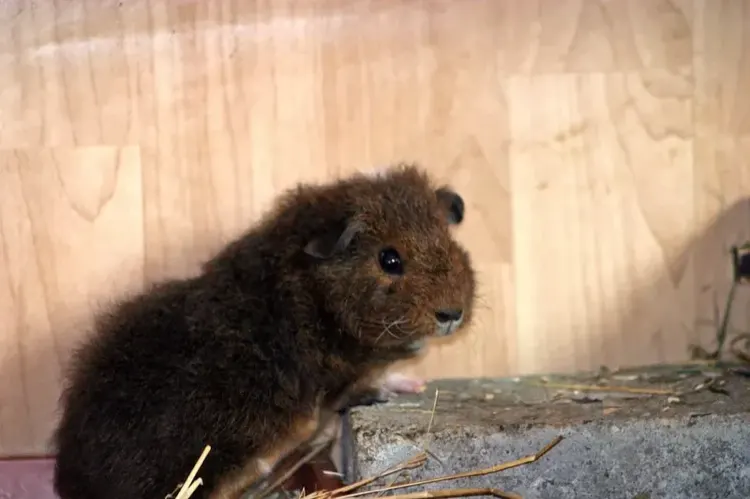
The Teddy has dense, wiry fur that sticks up instead of lying flat, giving it a stuffed-animal look. Their coat collects bedding and hay more easily than smooth breeds, so expect to pick debris out regularly.
The Rex looks similar to the Teddy but with a shorter, more woolly texture and curly whiskers. Low-maintenance grooming. One of the easiest breeds to keep tidy.
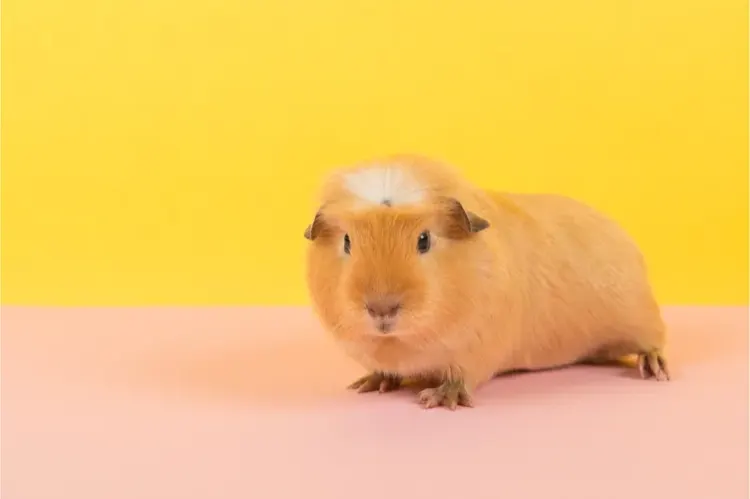
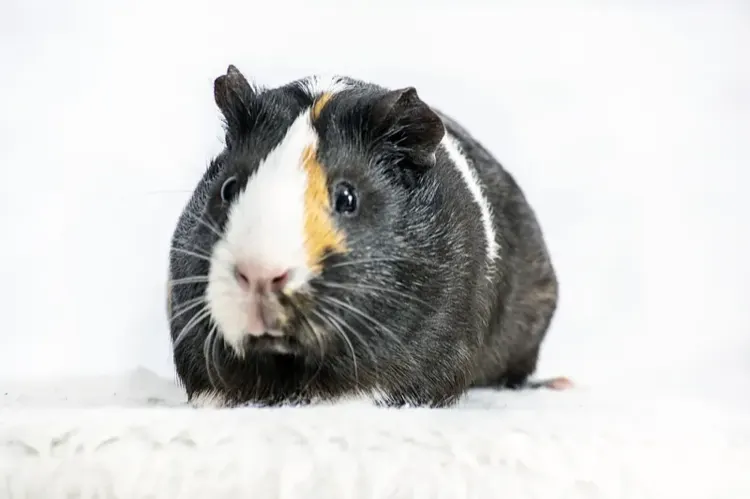
The Crested is essentially an American with a single rosette (crest) on the forehead. The White Crested variety has a white crest against a colored body. Same easy grooming as the American.
The Peruvian grows the longest hair of any breed. Up to 24 inches if you never trim it. The hair parts down the spine and falls over the face. Beautiful to look at, but genuinely high-maintenance. Plan on daily brushing and regular trims to keep the coat from dragging through bedding and covering their eyes.
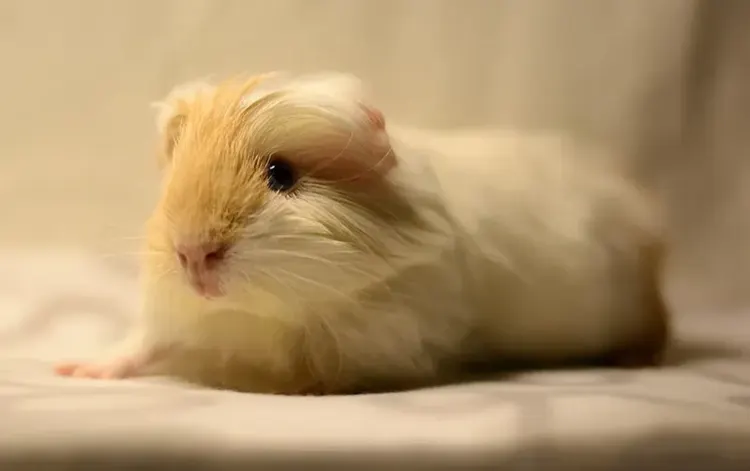
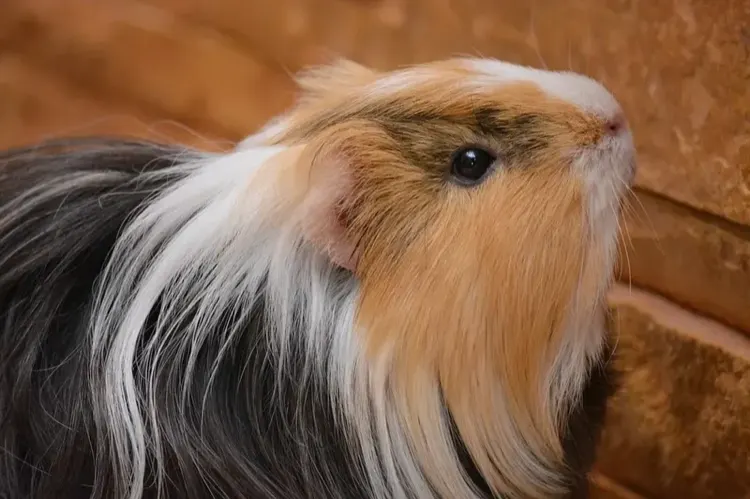
The Silkie (also called Sheltie) has long hair that sweeps backward from the face rather than falling forward. Slightly easier to manage than a Peruvian because the face stays clear, but still needs daily attention.
The Texel combines Silkie-length hair with tight ringlet curls. The curls look incredible but mat faster than any other coat type. If you are not prepared for daily detangling sessions, this is not the breed for you.
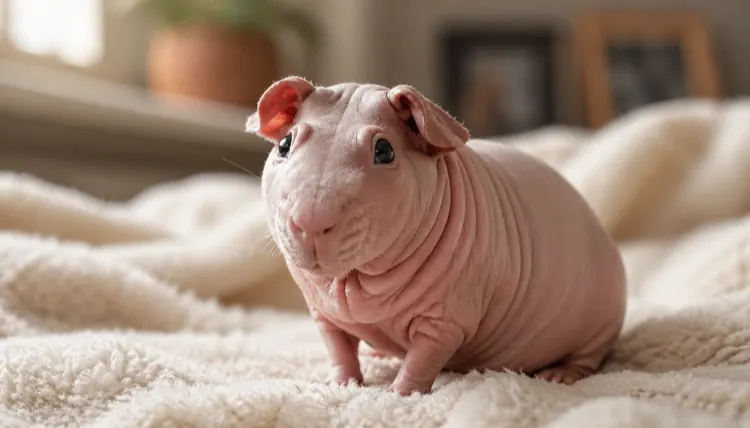
The Skinny Pig is mostly hairless with patches of fuzz on the face, feet, and legs. No brushing needed, but they have their own requirements. They get cold easily, sunburn quickly, and their exposed skin needs monitoring for dryness and scratches. Keep the room above 68°F and avoid drafty spots.
The Baldwin is born with a full coat that falls out within the first few months, leaving completely bare skin. Same care considerations as the Skinny Pig. Baldwins tend to eat more than furred breeds because they burn extra calories maintaining body heat.
| Breed | Coat | Grooming | Beginner-Friendly? |
|---|---|---|---|
| American | Short, smooth | Weekly brush | Yes |
| Abyssinian | Short, rosetted | Regular brushing | Yes |
| Teddy | Short, dense, wiry | Moderate | Yes |
| Rex | Short, woolly | Low | Yes |
| Crested | Short, single rosette | Weekly brush | Yes |
| Peruvian | Very long, straight | Daily brush + trimming | No |
| Silkie | Long, swept back | Daily brush | No |
| Texel | Long, curly | Daily detangling | No |
| Skinny Pig | Mostly hairless | Skin care + warmth | No |
| Baldwin | Fully hairless | Skin care + warmth | No |
Be honest about how much grooming you are willing to do. Not this week, but every day for the next six years. A Peruvian or Texel that does not get brushed daily ends up with painful mats that have to be cut out. If your schedule is busy, stick with a short-haired breed.
If you are adopting from a rescue, you will most likely get an American, Abyssinian, or a mix. That is perfectly fine. Mixed breeds are just as healthy and personable as purebreds, and often hardier.
Personality matters more than breed. Spend time with a guinea pig before adopting. Look for one that is curious rather than panicked, and one that does not freeze for long periods when you approach. A calm, inquisitive pig will bond with you faster regardless of breed.
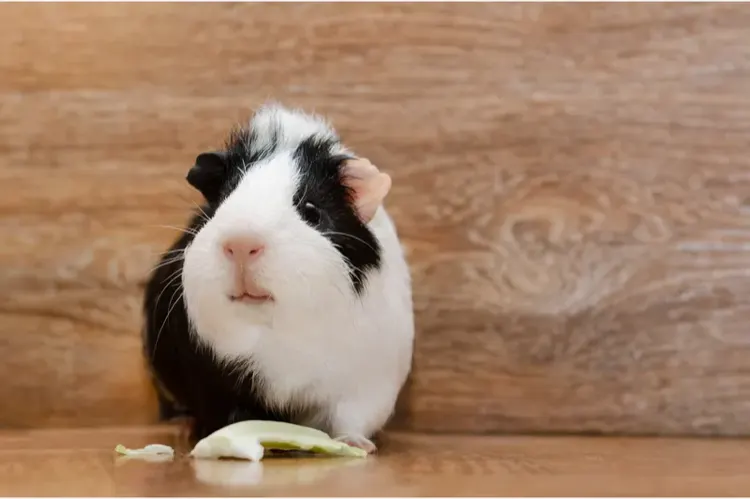
Guinea pigs come in a wide range of colors and patterns that exist across multiple breeds. Common solid colors include white, black, cream, red (orange), and chocolate. Multi-colored patterns include:
Color has no impact on health or temperament. Pick whichever guinea pig you connect with.
American or Rex. Both have short coats that need minimal grooming, and they are widely available at shelters and pet stores. The Abyssinian is another good option if you do not mind a little extra brushing.
Not reliably. Abyssinians have a reputation for being more energetic, and Silkies for being calmer, but individual personality varies so much that breed is not a good predictor. You will learn more from spending five minutes with a specific guinea pig than from reading about breed temperaments.
Look at the coat. Smooth and short is likely American. Rosettes mean Abyssinian. Long hair parting down the middle is Peruvian. Long hair swept back is Silkie. Curly long hair is Texel. Wiry and dense is Teddy or Rex. Many pet store guinea pigs are mixes. If the coat does not fit neatly into one description, you probably have a crossbreed.
No. In some cases, mixed breeds are healthier because they have a wider gene pool. Lethal white syndrome, which occurs when two roan or dalmatian guinea pigs are bred together, is one of the few breed-specific health risks. Otherwise, health depends far more on diet, housing, and veterinary care than on breed.
 guide
guide The American guinea pig is the smooth, short-haired breed found in most pet stores. Here is its color range, diet, health risks, and real setup cost.
 guide
guide An albino guinea pig lacks melanin, which leaves a pure white coat and pink eyes. Learn how albinos differ from pink-eyed whites and lethal whites.
 guide
guide Agouti is a coat pattern where every hair carries two or more bands of color, which gives the guinea pig a fine speckle called ticking.
 guide
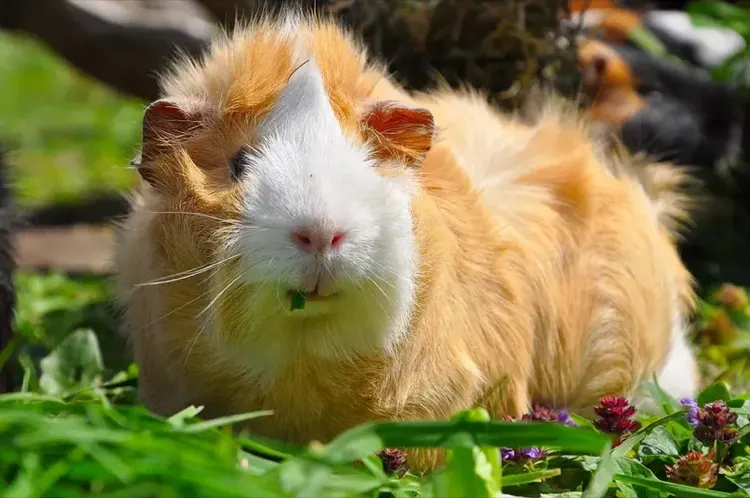
guide The Texel guinea pig is a newer breed among the 13 available and known breeds of guinea pigs.
 guide
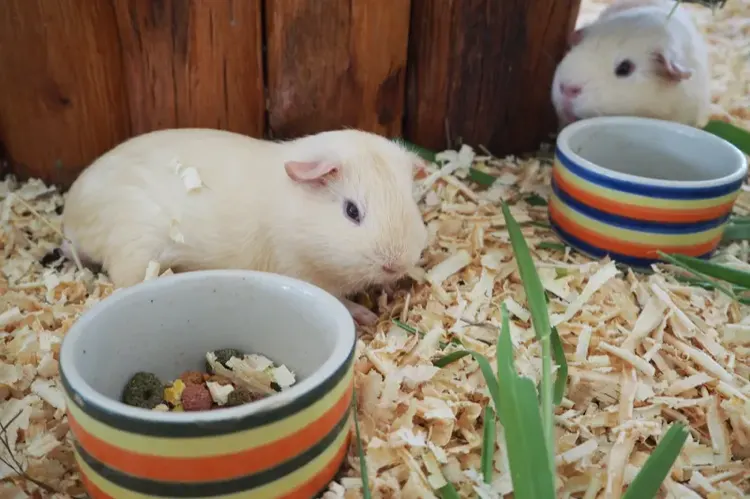
guide White guinea pigs are a popular choice for many pet owners. They are known for their docile nature and cute appearance.
 guide
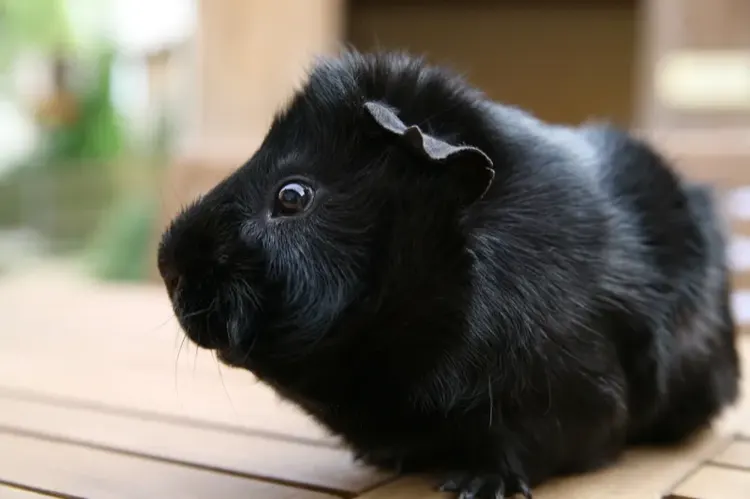
guide The guinea pig is a popular pet all over the world, and it's no wonder why. They are intelligent, social creatures that thrive in companionship.
 guide
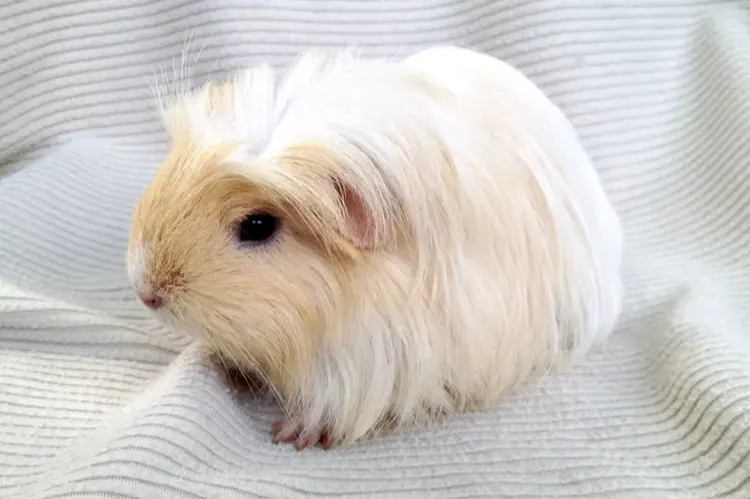
guide Silkie guinea pigs are a popular pet choice for many reasons. They are docile, affectionate, and relatively easy to care for.
 guide
guide Guinea pigs are popular pets all over the world. They're adorable, cuddly, and relatively easy to care for.
 guide
guide Just as the name suggests, the white-crested guinea pig has a bold crest of hair on their hair fronts, which is pure white.
 guide
guide Welcome to "The Ultimate Guide to Baldwin Guinea Pigs: Facts & Information." If you're curious about these great pets, you've come to the right place.
 guide
guide What is a sheltie guinea pig, where does it come from, and why is it special?
 guide
guide Teddy guinea pigs are an adorable alternative to other guinea pig breeds. They have a teddy bear-like appearance with their long fur and small size.