
Emma Brooks, Guinea Pig Care Specialist at My Pet Guinea Pig
Verified author
Guinea Pig Care Specialist

Emma Brooks

I've been writing about guinea pigs since 2020 and somehow it turned into a full-time thing. I got my first two piggies on a whim, realized I knew absolutely nothing, and spent the next year obsessively learning everything I could. This site is where all of that ended up.

Self-funded, no sponsors Writing since 2020 Colorado
273
Articles written and maintained
5+ yrs
Doing this full-time
2
Guinea pigs currently living with me
$0
Taken from brands for reviews

I bought guinea pigs, got bad advice, and couldn't stop researching

In early 2020 I walked into a pet store and came home with two guinea pigs, a tiny cage, a bag of colorful pellets, and zero knowledge. The employee told me the setup was perfect. It wasn't even close.

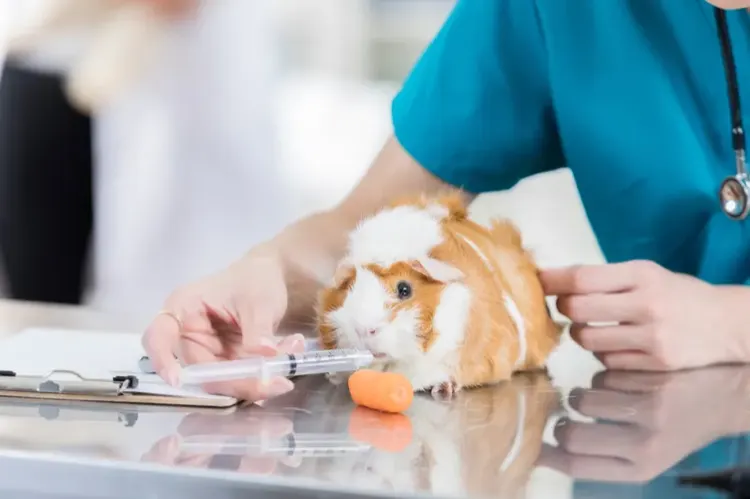
Within two weeks one of my piggies was lethargic and barely eating. I panicked, Googled everything, and couldn't figure out what was wrong because half the websites contradicted each other. Took her to an exotic vet who told me the cage was way too small, the pellets were basically junk food, and I wasn't giving them nearly enough hay or vitamin C.

That vet visit was humbling. I felt like I'd failed them before I even started. So I went kind of overboard with the research. I read vet textbooks, joined every guinea pig forum I could find, and started keeping a Google Doc with notes on safe foods, cage sizes, health symptoms, and product comparisons. That doc kept growing.

Friends with guinea pigs started asking me questions, and I kept pointing them to my notes. Eventually my roommate said "just make a website already" and I did. The first version was ugly and had maybe 20 articles. Now there are over 270 and I work on this full-time.

I'm not a vet. I want to be really clear about that. But I've spent thousands of hours reading veterinary literature, talking to exotic vets, and raising my own guinea pigs. When something's outside my lane, I say so and tell you to see a vet. That's always going to be the recommendation for anything serious.

The thing that still bothers me is how much bad info is out there. Pet stores giving out tiny cages. Websites saying iceberg lettuce is fine. People recommending cedar shavings. I keep writing because new guinea pig owners deserve better than what I got when I started.

The topics I actually know well enough to be useful

I'm not going to pretend I'm an authority on everything. These are the areas where I've put in enough hours that I trust my own notes.

What guinea pigs can and can't eat

This is the biggest chunk of the site. I've gone through hundreds of fruits, veggies, and herbs and written up which ones are safe, how much to give, and how often. Stuff like why those colorful pellet mixes from pet stores are a bad idea, how much vitamin C piggies actually need, and which "safe food" lists online are just flat-out wrong.

96 diet articles on the site

Health problems and when to worry

URIs, bumblefoot, mites, bloat, overgrown teeth, and the weird subtle signs that something's off before your piggy looks obviously sick. I've learned a lot of this the hard way with my own guinea pigs and filled in the gaps with vet resources. I always tell people to see an exotic vet, but knowing what to look for early can make a huge difference.

53 health and care articles

Cages, bedding, and habitat setup

I've been through the whole journey. Started with a tiny pet store cage, upgraded to a Midwest, then built a C&C. I've tried fleece liners, paper bedding, aspen shavings, and about a dozen combinations. I know what controls smell, what's easy to clean, and what's actually big enough for guinea pigs to be comfortable.

0 housing and bedding articles

Product reviews

Hay, pellets, water bottles, hay racks, hideys, tunnels, you name it. I buy everything with my own money and use it for weeks before writing about it. I've wasted money on enough bad products that I'm pretty good at spotting which ones are worth it and which are overpriced junk with good packaging.

0 product reviews

Grooming and daily care

Nail trimming used to terrify me and now I do it every two weeks without thinking about it. I've written step-by-step guides for every routine care task, from grease gland cleaning to bathing long-haired breeds. Tried to include all the mistakes I made so you don't have to.

2 how-to guides

Breeds and behavior

Why your guinea pig popcorns, what rumblestrutting means, how to introduce a new piggy without a fight, and what all those noises actually mean. I've also written up the common breeds with honest descriptions of what they're actually like to own, not just how cute they look in pictures.

0 breed and behavior articles

My process isn't fancy, but it works

I look things up in vet sources, check with people who've been doing this way longer than me, and try to explain it without making anyone's eyes glaze over.

  1. 1

    Vet sources first, always

    I start with veterinary textbooks, published studies, and exotic vet guidance. Not forums, not pet store care sheets, not "my friend's guinea pig was fine." If I can't back something up with a credible source, it doesn't go in the article.

  2. 2

    Talk to people who've been at this longer

    Vets know the medical stuff, but breeders and long-time owners know the day-to-day stuff that doesn't show up in textbooks. Like which hay brands actually stay fresh in shipping, or how to get a skittish piggy to let you trim their nails. That lived experience fills in gaps that research alone can't.

  3. 3

    I buy products with my own money

    No freebies, no "partnership" deals. If I'm reviewing a cage, I ordered it, assembled it, and put my guinea pigs in it. If I'm reviewing bedding, it went through a full week in my cage before I wrote a word about it. Maple and Hazel are my quality control department.

  4. 4

    Actually use stuff before recommending it

    Not for a day or two. For weeks. A water bottle might seem great on day one and start leaking on day five. Bedding that smells fine when you open the bag might not hold up after three days in a cage with two piggies. I've been burned by first impressions enough times to know better.

  5. 5

    Pay attention to the negative reviews

    When I'm researching a product, I skip the five-star reviews and go straight to the two and three-star ones. That's where people describe real problems. Bar spacing that lets a piggy escape. Fleece liners that stop absorbing after two washes. If the same complaint shows up over and over, that tells me more than any marketing page will.

  6. 6

    Go back and update old stuff

    Products get discontinued. Prices jump. New research comes out. I don't just publish articles and forget about them. If something I recommended last year isn't the right pick anymore, I update the article. Every post has an "updated" date at the top so you know when I last went through it.

Some ground rules I don't bend on

Products get removed when they stop deserving to be here

If a product I recommended gets discontinued, doubles in price, or I find out about a safety issue I missed, it comes off the list. I go through my recommendations every few months. It's not a set-it-and-forget-it situation. More about the affiliate stuff on the disclosure page.

Nobody pays to be on this site

I get emails from pet brands pretty regularly. "We'd love to send you our product for review." "Would you consider a sponsored post?" The answer is always no. If a product shows up here, it's because I bought it myself and thought it was worth writing about. No exceptions.

If I'm wrong, tell me

I mess up sometimes. If you catch a factual error, email me and I'll fix it, usually within a day or two. When I make a meaningful change to an article, I note what changed and when. I'd rather correct something publicly than leave bad information up because I'm too proud to admit I got it wrong.

I link my sources

When I reference nutritional data, veterinary guidelines, or research findings, I link to where I got it. You'll see links to vet textbooks, published studies, and established guinea pig rescues. I don't cite random forum threads or outdated pet store pamphlets as evidence. If I can't find a solid source for something, I don't include it.

Got a question or think I got something wrong?

I'm always happy to hear from readers. Whether it's a correction, a topic suggestion, or just a question about your piggy, email's the best way to reach me.

Get in touch