 guide
guide Can Guinea Pigs Eat Lemon? Here's Why Vets Say To Avoid It
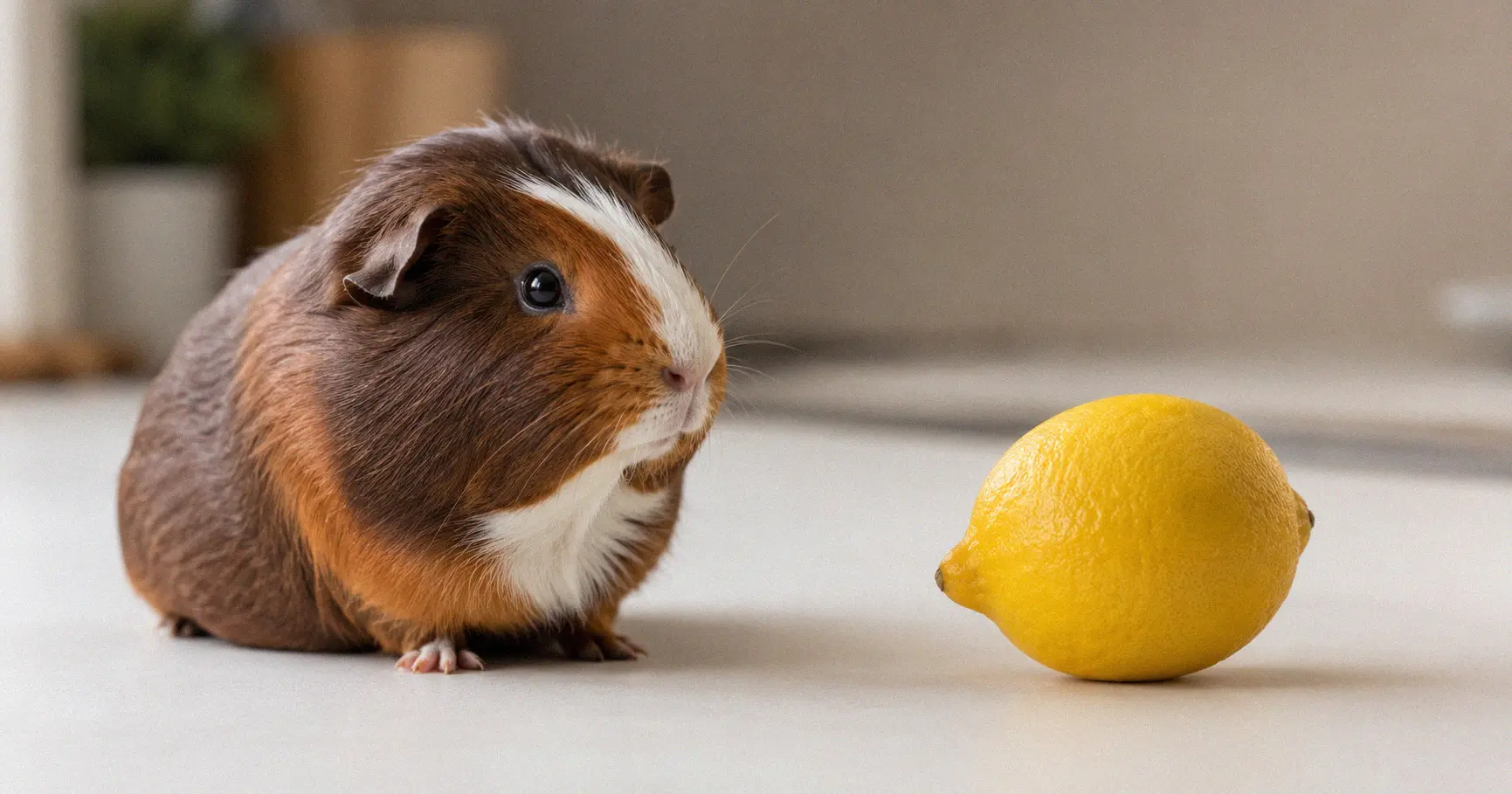
No, guinea pigs should not eat lemons. The acidity causes mouth sores, digestive issues, and enamel damage. See safer vitamin C sources vets recommend.

Hay, pellets, vegetables, fruits, treats, and everything you need to know about feeding your guinea pig safely.

We may earn a small commission through links on this page, at no extra cost to you. As an Amazon Associate, we earn from qualifying purchases. Ratings reflect our own editorial evaluation.
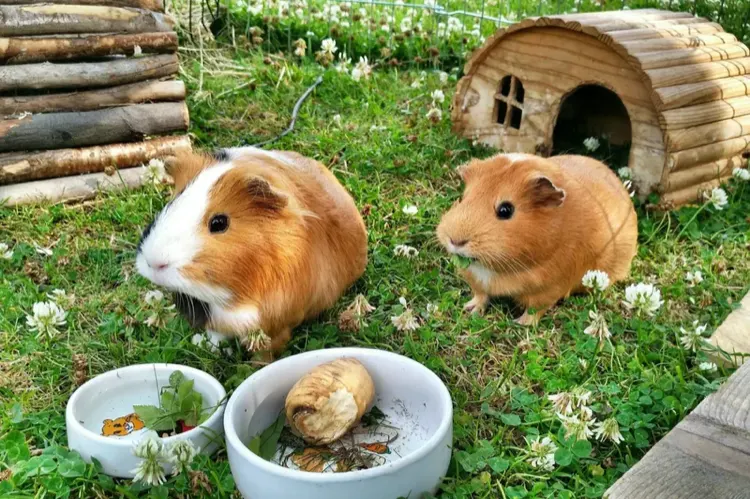
Getting guinea pig nutrition right is one of the most important things you can do as an owner. These little animals have specific dietary needs that differ significantly from other small pets, and the wrong foods can cause serious health problems fast.
Guinea pigs are strict herbivores. Their digestive systems are built to process high-fiber plant material, and they need a constant supply of it to keep their gut moving properly. Unlike hamsters or rabbits, guinea pigs cannot manufacture their own vitamin C, which makes their diet uniquely demanding.
This guide covers everything you need to know about feeding your guinea pig correctly: the types of hay that should make up the bulk of their diet, how to choose the right pellets, which vegetables and fruits are safe, and the foods that should never go near their cage.
Most feeding mistakes come from well-meaning owners who apply what they know about other pets. Guinea pigs are not small rabbits, and they are definitely not hamsters. Their nutritional requirements are their own, and understanding them is the first step to keeping your cavy healthy for years.
New guinea pig owners tend to overfeed treats and underfeed hay. By the time you finish reading this page, you will know exactly what to put in the food bowl, how much, and how often.
A guinea pig's diet breaks down into four main components: unlimited timothy hay, a measured portion of quality pellets, a daily serving of fresh vegetables, and the occasional fruit treat. Getting the ratio right matters more than any single ingredient.
Hay should account for roughly 80 percent of what your guinea pig eats every day. It provides the fiber that keeps their digestive system working and wears down their continuously growing teeth. Without enough hay, guinea pigs develop dental problems and GI stasis, both of which can become life-threatening.
Pellets fill in nutritional gaps that hay alone cannot cover, particularly vitamin C. Fresh vegetables add variety, hydration, and additional vitamins. Fruits are treats only, limited to small portions a few times per week because of their sugar content.
Clean, fresh water must be available at all times. A water bottle with a sipper tube is the standard setup, though some owners use heavy ceramic bowls. Either way, change the water daily and clean the bottle or bowl regularly to prevent bacterial growth.
The sections below go deeper on each food category, including specific products, portion sizes, and the reasoning behind the recommendations.
Timothy hay is the gold standard for adult guinea pigs. It has the right balance of fiber, protein, and calcium to support healthy digestion and dental wear without causing bladder stones or weight gain.
Guinea pigs should have access to an unlimited supply of fresh hay at all times. A good rule of thumb is that a guinea pig should eat a body-sized pile of hay every single day. If the hay rack is ever empty, something needs to change.
Timothy hay comes in three cuttings. First cutting is the coarsest and highest in fiber, with thick stalks and fewer leaves. Second cutting hits the sweet spot for most guinea pigs -- good fiber content with more leaf and a softer texture that picky eaters accept more readily. Third cutting is the softest and leafiest, but lower in fiber.
Orchard grass is a solid alternative or supplement to timothy hay. It has a slightly sweeter smell and taste that some guinea pigs prefer, and it works well for owners who are allergic to timothy hay dust.
Meadow hay offers a mix of grasses and herbs that adds variety to the hay rotation. It keeps guinea pigs interested in foraging, which is important because a bored guinea pig may stop eating enough hay.
Alfalfa hay is high in calcium and protein, which makes it appropriate for guinea pigs under six months old, pregnant or nursing sows, and underweight pigs that need extra calories. Adult guinea pigs in good health should not eat alfalfa as their primary hay because the excess calcium contributes to bladder stones.
Good hay is green, smells fresh and slightly sweet, and feels dry to the touch. Brown, dusty, or musty-smelling hay has lost nutritional value and may contain mold spores that cause respiratory problems.
Store hay in a cool, dry place with good airflow. A breathable bag or bin with ventilation holes works better than sealed plastic containers, which trap moisture and encourage mold growth. Buy from suppliers that rotate stock frequently, whether that is a local feed store or an online retailer specializing in small animal hay.
Not all guinea pig pellets are created equal, and the differences matter more than most pet stores let on. The right pellets supplement your guinea pig's hay-based diet with vitamin C and other nutrients. The wrong ones cause obesity, selective feeding, and nutritional imbalances.
Look for plain, timothy-based pellets with added vitamin C and no seeds, nuts, dried fruit, or colored pieces mixed in. Those "gourmet" mixes with colorful bits encourage guinea pigs to pick out the sugary pieces and ignore the nutritious pellets, which defeats the entire purpose.
An adult guinea pig needs roughly one-eighth cup of pellets per day. That is less than most people expect, and overfeeding pellets is one of the most common mistakes new owners make.
Young guinea pigs under six months can have alfalfa-based pellets in slightly larger quantities to support their growth. After six months, switch to timothy-based pellets and stick with the one-eighth cup daily ration.
Oxbow Essentials Adult Guinea Pig Food consistently ranks at the top of veterinary recommendations. It uses timothy hay as the base, includes stabilized vitamin C, and contains no artificial colors or fillers.
KMS Hayloft and Sherwood Pet Health also produce high-quality, timothy-based pellets that meet the same criteria. The key is reading the ingredient list yourself rather than relying on marketing claims on the front of the bag.
Vitamin C in pellets degrades over time, especially once the bag is opened. Buy pellets in quantities your guinea pig will finish within 90 days, and store the bag sealed in a cool, dark place to slow the breakdown.
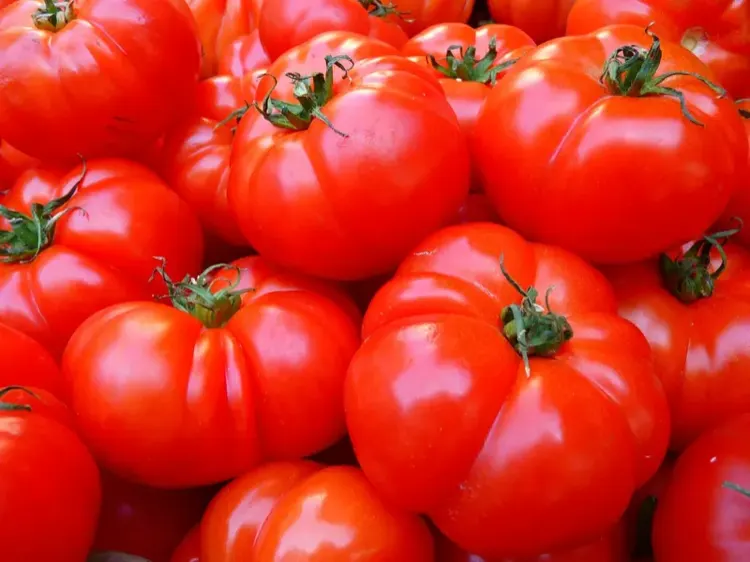
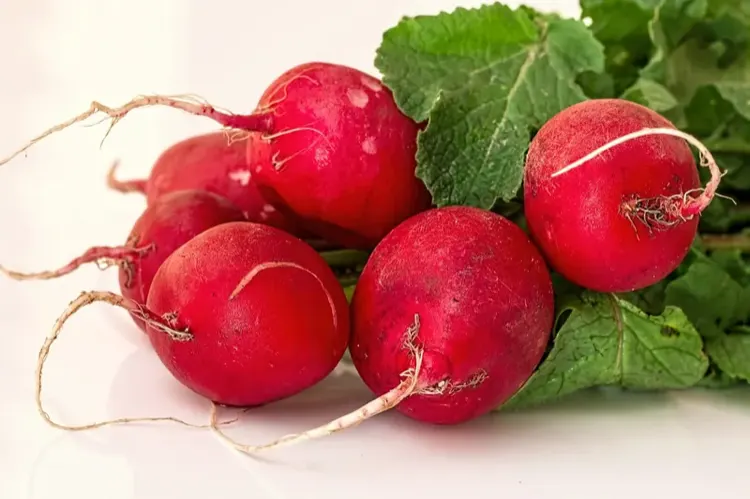
Fresh vegetables should make up about one cup per guinea pig per day, served in one or two portions. Variety is important -- rotating through different vegetables ensures a broader nutrient profile and keeps your guinea pig interested in mealtime.
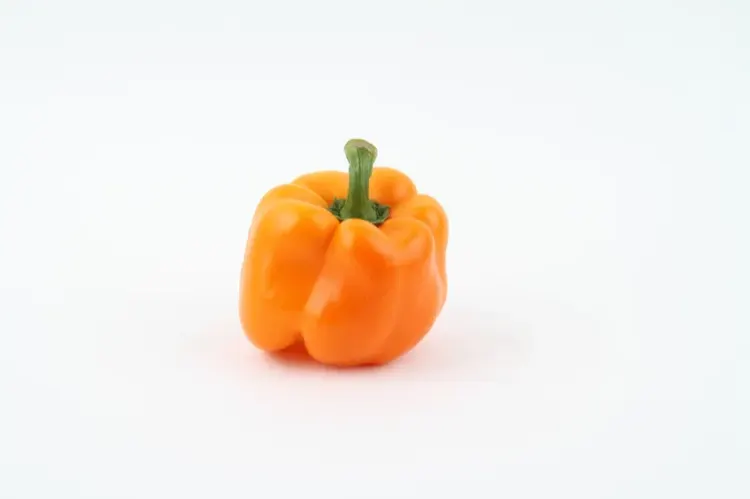
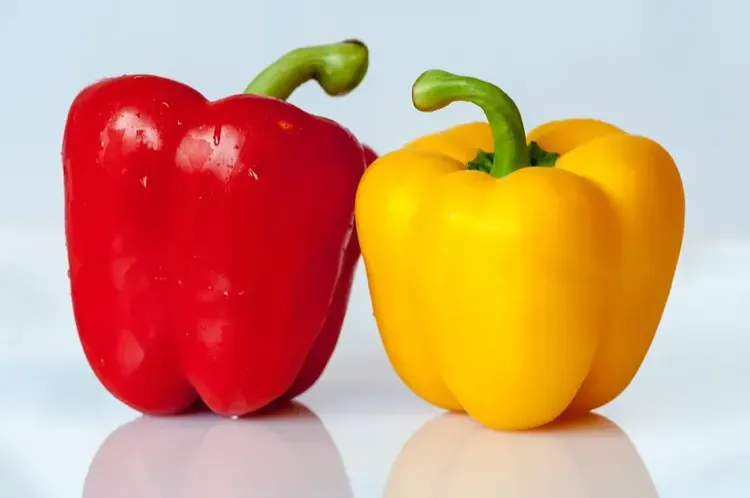
Leafy greens should form the base of the vegetable serving. Bell peppers deserve special mention because they are one of the richest sources of vitamin C available to guinea pigs.
These vegetables can be fed every day or nearly every day in rotation:
These are nutritious but should be rotated rather than fed daily, usually due to calcium or oxalate content:
| Vegetable | Vitamin C | Calcium | Frequency | Notes |
|---|---|---|---|---|
| Red bell pepper | Very high | Low | Daily | Best single source of vitamin C |
| Romaine lettuce | Moderate | Low | Daily | Safe staple green |
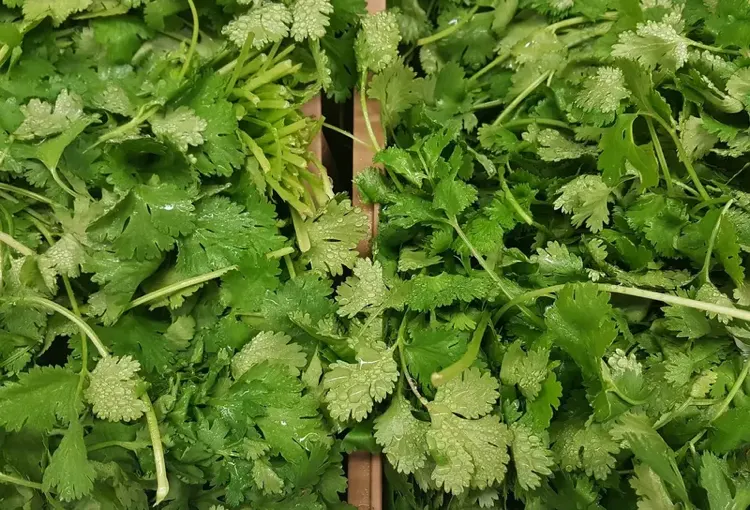
| Cilantro | High | Moderate | Daily | Most pigs love it |
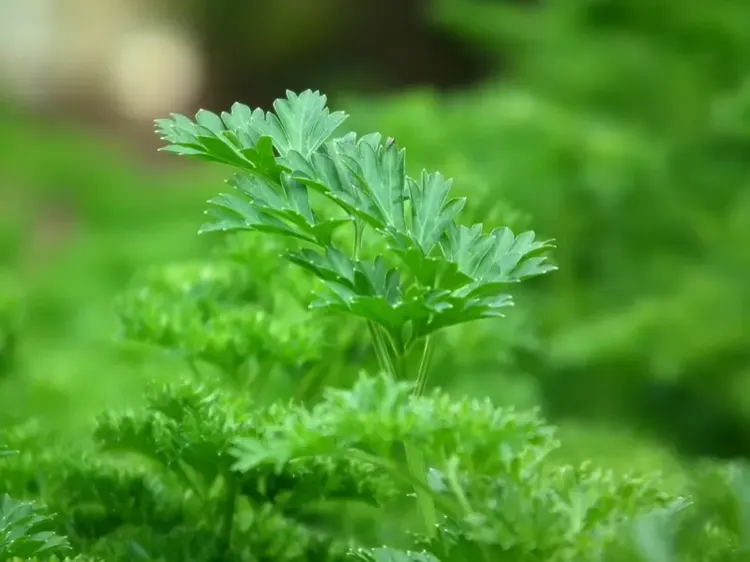
| Parsley | High | High | 2-3x/week | Limit due to calcium |
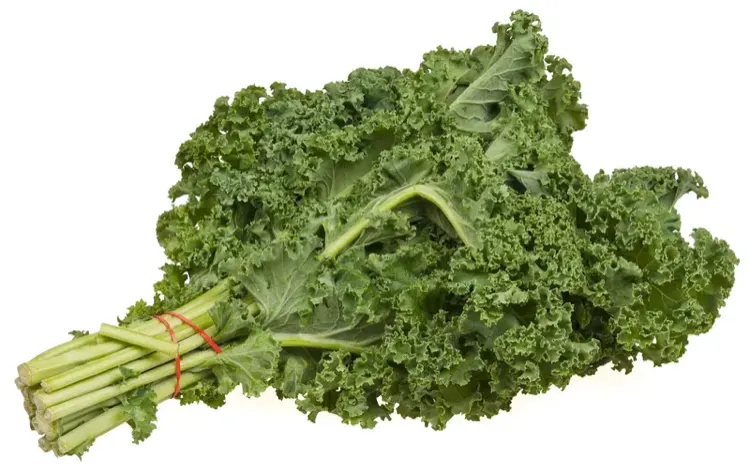
| Kale | High | High | 2-3x/week | Rotate with lower-calcium greens |
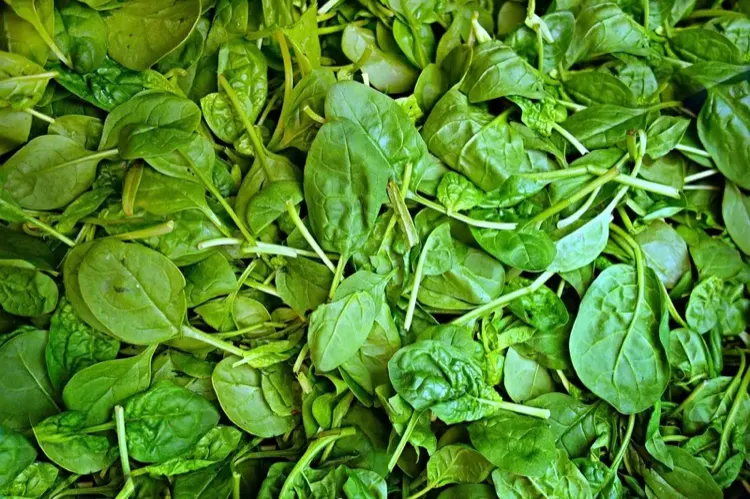
| Spinach | Moderate | High (oxalates) | 1-2x/week | Oxalates bind calcium; limit intake |
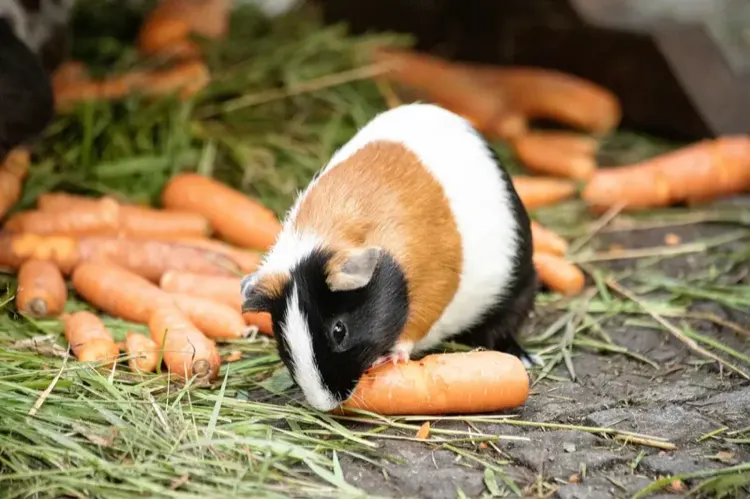
| Carrot | Low | Low | 2-3x/week | Higher sugar; treat as a supplement |
Introduce any new vegetable gradually. Start with a small piece and watch for soft stools or signs of digestive upset over the next 24 hours. Guinea pig digestive systems are sensitive to sudden changes, and even safe foods can cause problems if introduced too quickly.
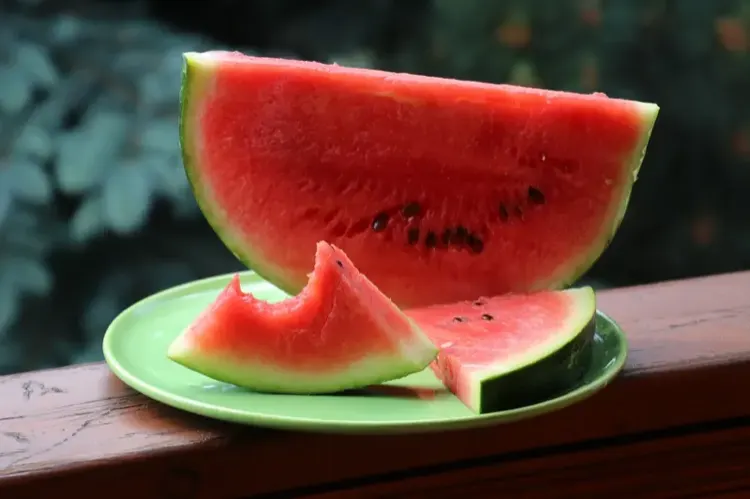
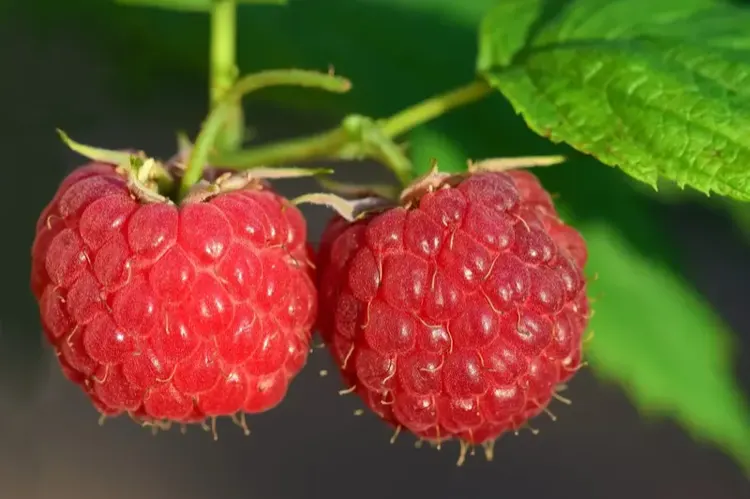
Fruit is a treat, not a dietary staple. The sugar content in most fruits is too high for guinea pigs to handle in large quantities, and overfeeding fruit is a fast track to obesity and diarrhea.
A good guideline is a small piece of fruit two to three times per week. Think a thin slice of strawberry, a blueberry or two, or a small wedge of apple. That is enough for your guinea pig to enjoy the flavor without the health risks.
Most commercial guinea pig treats sold in pet stores are unnecessary and often unhealthy. Yogurt drops, seed sticks, and flavored biscuits contain added sugar, dairy, and artificial ingredients that guinea pigs do not need and should not have.
The best treats are fresh vegetables and the occasional fruit. If you want to use treats for bonding or training, a small piece of bell pepper or a single blueberry does the job without the health risks of processed snacks.
Guinea pigs cannot synthesize their own vitamin C. This makes them one of the very few mammals, alongside humans and some primates, that must get all their vitamin C from their diet. A deficiency leads to scurvy, which causes lethargy, swollen joints, rough coat, bleeding gums, and eventually death if left untreated.
An adult guinea pig needs between 10 and 30 milligrams of vitamin C per day. Pregnant sows need more, roughly 30 to 50 milligrams daily. Sick or recovering guinea pigs may need supplementation beyond what food alone provides.
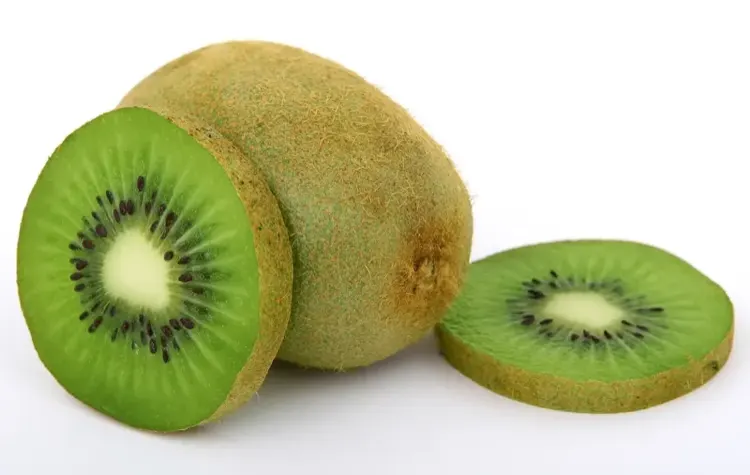
Red and green bell peppers are the single best whole-food source of vitamin C for guinea pigs. One medium slice of red bell pepper provides more than enough to meet the daily requirement. Parsley, kale, strawberries, kiwi, and broccoli also contribute meaningful amounts.
Fortified pellets include vitamin C, but the vitamin degrades with time and exposure to light and air. Pellets alone should not be your guinea pig's only source of vitamin C.
Liquid vitamin C supplements designed for guinea pigs can be given directly by syringe or mixed into a small amount of water. Do not add vitamin C drops to the main water bottle -- the vitamin breaks down rapidly in water, and the altered taste may discourage your guinea pig from drinking enough.
Oxbow Natural Science Vitamin C tablets are a popular option that many guinea pigs accept as a treat. They provide a reliable daily dose without the mess of liquid supplements.
Some foods are toxic to guinea pigs. Others are not immediately dangerous but cause digestive problems, bladder issues, or nutritional imbalances when fed regularly. Knowing the difference keeps your guinea pig safe.
When in doubt, do not feed it. Look up any new food before offering it to your guinea pig, and introduce new items one at a time so you can identify the source of any digestive upset.
Consistency matters. Guinea pigs thrive on a predictable feeding routine, and they will let you know when mealtime is late with excited squeaking the moment they hear you approaching.
Weigh your guinea pig weekly. A healthy adult guinea pig typically weighs between 900 and 1,200 grams. Sudden weight loss or steady weight gain signals a feeding problem or a health issue worth investigating with a vet.
Remove uneaten fresh food after a few hours to prevent spoilage and bacterial growth in the cage. Wilted lettuce and brown pepper slices attract flies and create hygiene problems.
If you have multiple guinea pigs, provide enough feeding stations that every pig can eat without competition. Dominant guinea pigs may guard a single food bowl, leaving submissive cage mates underfed.
Yes, as long as the grass has not been treated with pesticides, herbicides, or fertilizers, and is not near a road where it could absorb exhaust fumes. Introduce lawn grass gradually to avoid digestive upset. Never feed grass clippings from a lawnmower, as they ferment rapidly and can cause dangerous bloat.
A healthy guinea pig typically drinks 80 to 100 milliliters of water daily, though this varies based on how many water-rich vegetables they eat. In hot weather or when fresh vegetables are limited, water consumption goes up. If your guinea pig suddenly stops drinking or drinks excessively, consult a vet.
Absolutely. Pellets are a supplement, not a replacement for hay. Hay provides the long-strand fiber essential for healthy digestion and continuous tooth wear. Without unlimited hay, guinea pigs develop serious dental and digestive problems regardless of how good their pellets are.
Not entirely. While guinea pigs and rabbits share some dietary overlap with timothy hay and certain vegetables, rabbit pellets do not contain the added vitamin C that guinea pigs require. Feeding rabbit pellets to a guinea pig long-term will lead to vitamin C deficiency and scurvy.
This is completely normal and essential to their health. Guinea pigs produce two types of droppings: regular dry pellets and soft, nutrient-rich cecotropes (also called cecal pellets). They eat the cecotropes directly to absorb B vitamins and other nutrients produced by beneficial bacteria during the first pass through their digestive system. Do not try to stop this behavior.
Feeding a guinea pig well is straightforward once you understand the basics: unlimited timothy hay, a small daily portion of quality pellets, about a cup of fresh vegetables, and fruit only as an occasional treat. Add a reliable source of vitamin C every day, and avoid the short list of toxic foods.
The biggest mistake is overcomplicating it or relying too heavily on commercial products. Fresh, simple, consistent meals are what keep guinea pigs healthy. Get the hay right, rotate the vegetables, and your cavy will thrive.
 guide
guide No, guinea pigs should not eat lemons. The acidity causes mouth sores, digestive issues, and enamel damage. See safer vitamin C sources vets recommend.
 guide
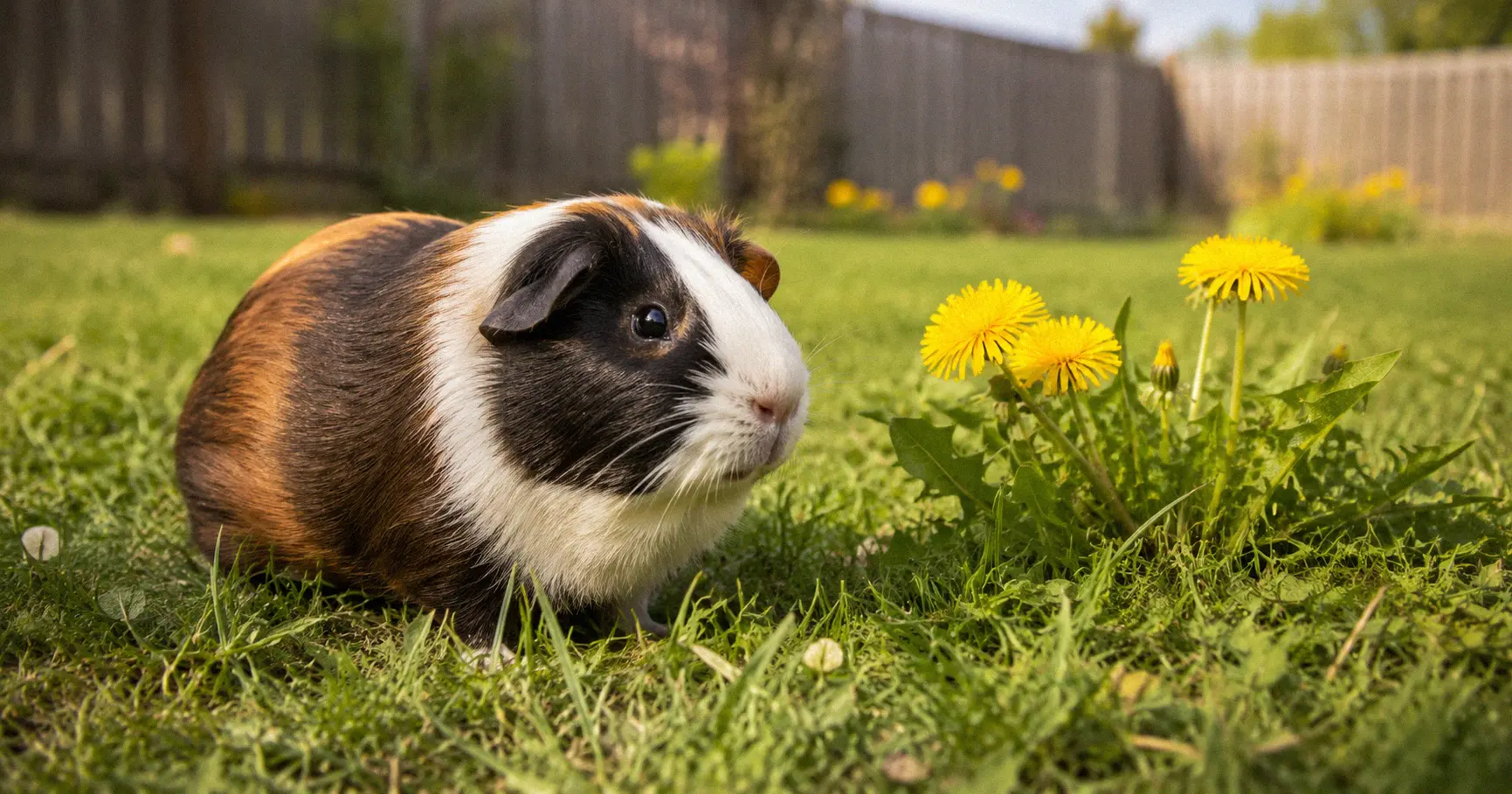
guide Yes, guinea pigs can eat dandelion leaves, flowers, stems, and roots safely. Get exact portions, calcium limits, and seasonal foraging tips inside.
 guide
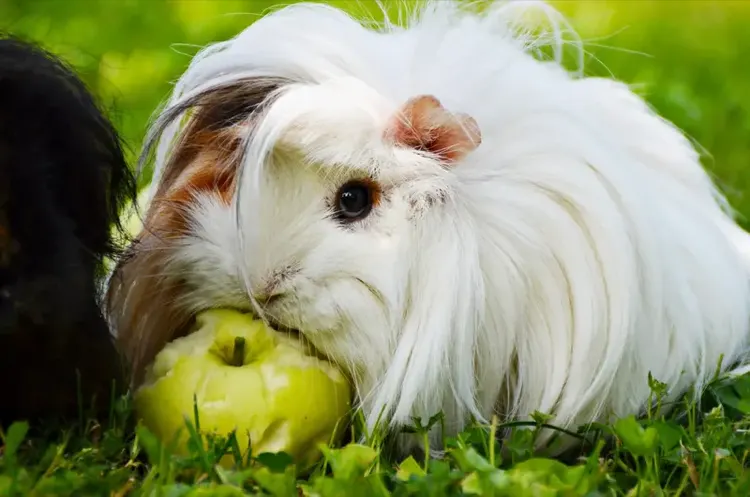
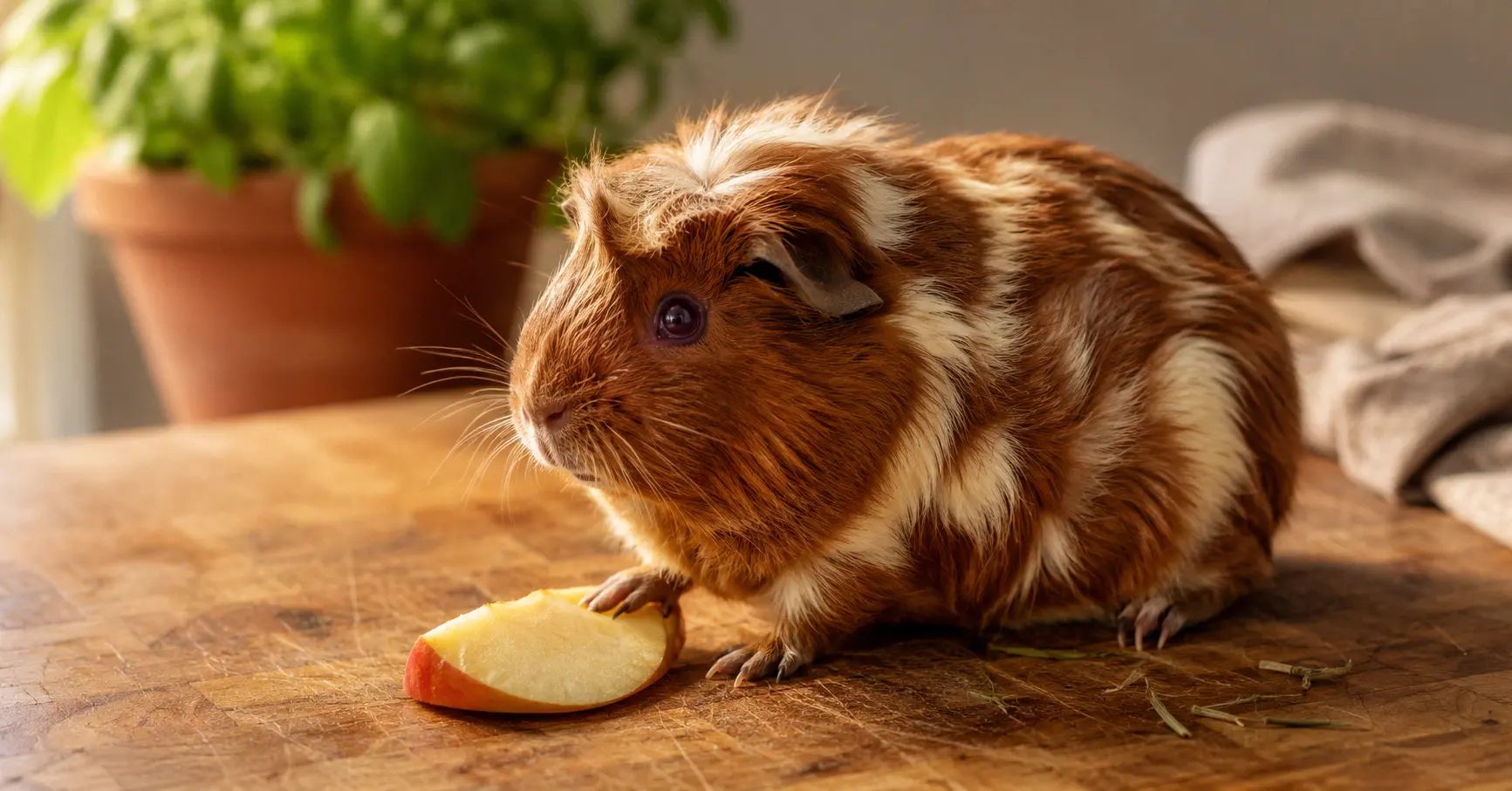
guide Yes, guinea pigs can eat apples safely. Remove the seeds first, then offer one to two thin slices a few times per week. Get full serving and prep tips here.
 roundup
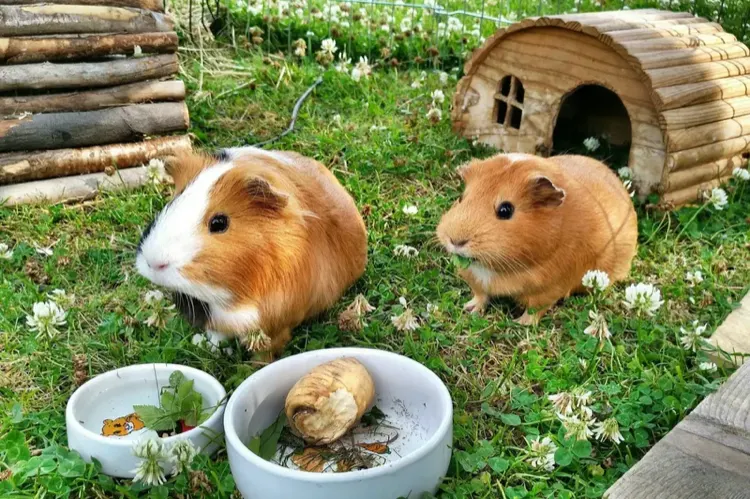
 Find the best food that contains a good balance of fiber, vitamin C, and other nutrients your guinea pig needs as these elements are important for their health.
 roundup
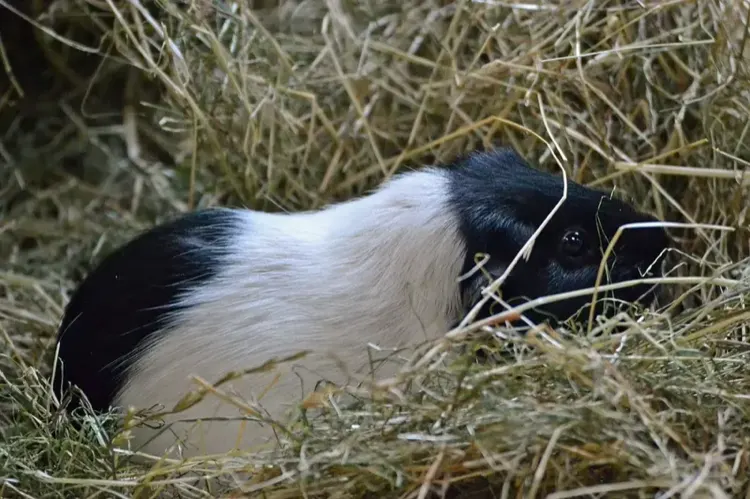
 In this article, we review guinea pig hays that can be purchased on the market and determine which one is the best guinea pig hay brand.
 roundup
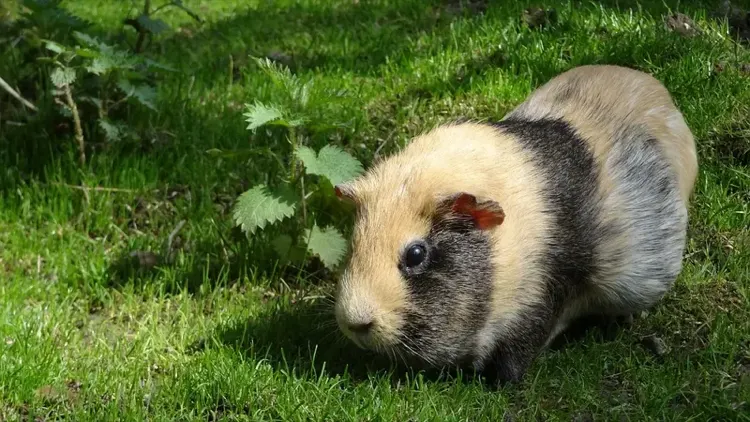
 Your guinea pigs must consume hay to live a healthy and happy life.
 roundup
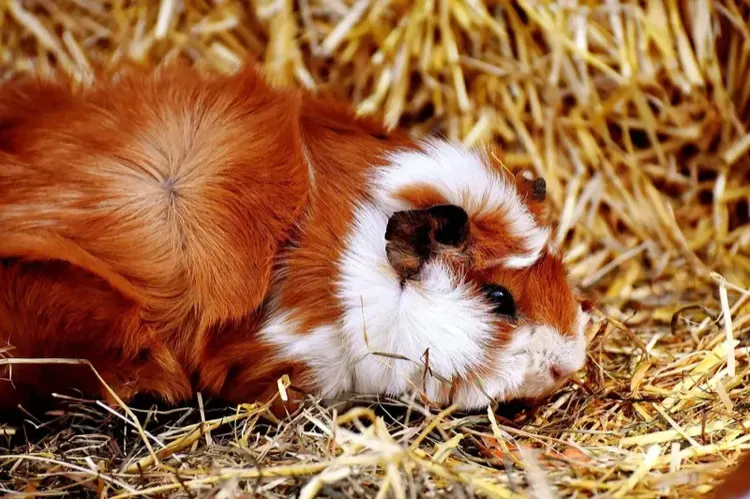
 Are you looking for the best guinea pig hay rack on the market? If yes, you are at the right spot.
 roundup
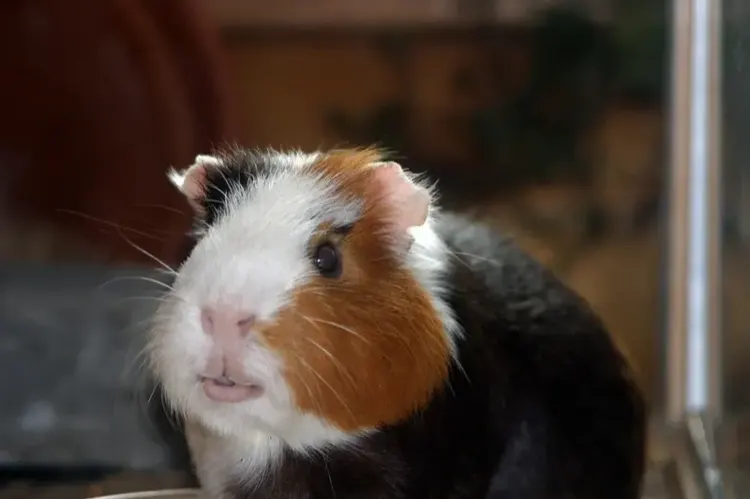
 Bringing a new pet home can be exciting and overwhelming regarding the accessories you might need.
 roundup
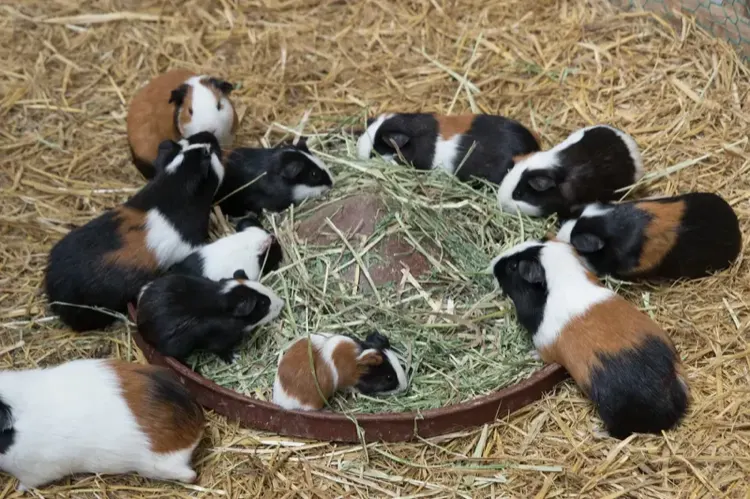
 As hay is one of the crucial components of your guinea pig's diet, make sure to get the best guinea pig hay feeder for your pets!
 roundup
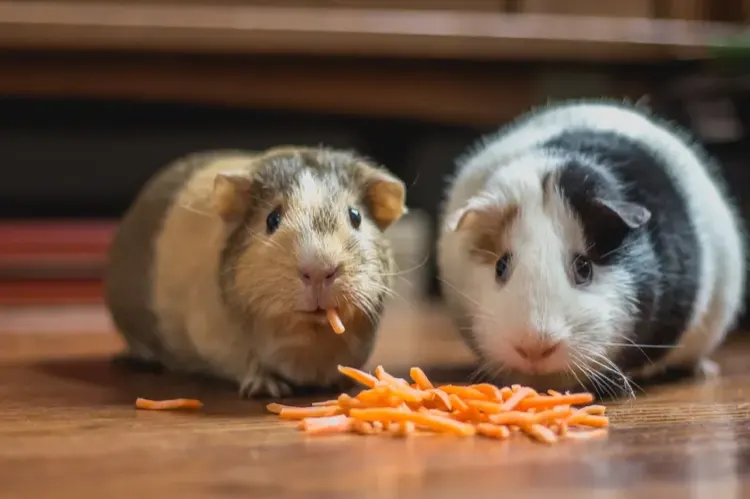
 Your guinea pig loves treats and you want to make your piggie happy, but what are the best guinea pig treats in the market?
 roundup
 Although guinea pigs are great pets, adorable and friendly, they cannot eat everything that humans can. They need the best natural guinea pig food.
 roundup
 As vitamin C is crucial for your guinea pig's wellbeing, we've prepared a review of guinea pig foods high in vitamin c.