 guide
guide Allergic to Guinea Pigs? Here Is What Is Really Triggering You
Sneezing around your piggy? Here is how to tell a guinea pig allergy from a hay allergy, and what you can do about either one.

Grooming tips, health guides, common illnesses, nail care, and everything you need to keep your guinea pig healthy.

We may earn a small commission through links on this page, at no extra cost to you. As an Amazon Associate, we earn from qualifying purchases. Ratings reflect our own editorial evaluation.
Guinea pig care goes well beyond filling a food bowl and changing bedding. These animals are surprisingly prone to specific health issues, and most of them can be prevented or caught early with basic grooming and regular observation.
The challenge for new owners is that guinea pigs hide illness instinctively. In the wild, a sick guinea pig is a target, so they have evolved to mask symptoms until a problem is advanced. By the time a guinea pig looks obviously sick, the condition has usually been developing for days or weeks.
This guide covers the daily and weekly care routines that keep your guinea pig healthy, the grooming tasks that prevent common problems, and the warning signs that mean a vet visit should not wait. Whether you have had guinea pigs for years or just brought your first one home, a structured care routine makes all the difference.
Most guinea pig health problems trace back to diet, housing, or missed grooming. The sections below address all three and explain what to watch for so you can catch issues early, when they are still easy and inexpensive to treat.
Daily care takes about 15 to 20 minutes once you have a routine down. That covers fresh food and water, a quick spot-clean of the cage, and a visual health check. Weekly tasks add another 30 to 45 minutes for a full cage clean and closer inspection of nails, eyes, and coat.
Guinea pigs need daily interaction with their owners. They are social animals that bond with their people, and a guinea pig that gets regular handling is calmer, easier to groom, and more likely to show early signs of illness through behavior changes you will actually notice.
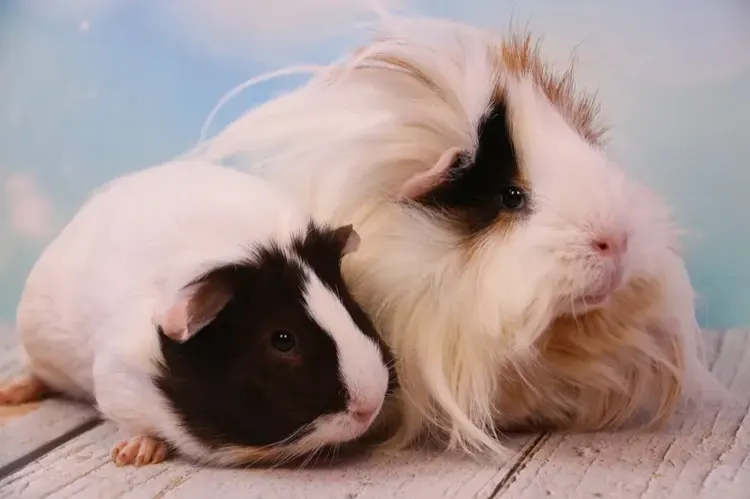
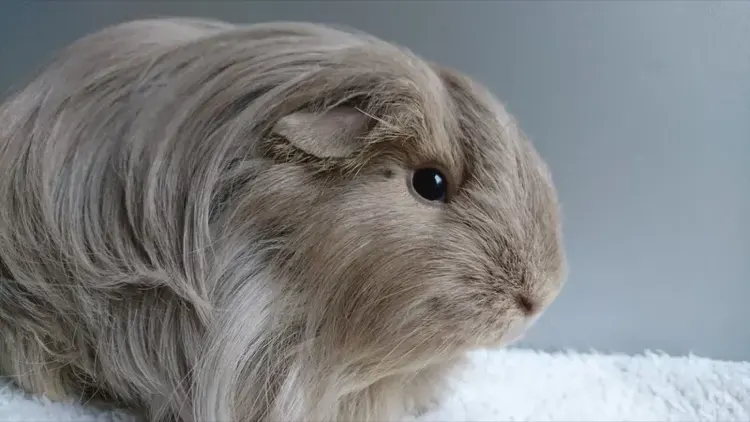
Grooming needs vary by breed. Short-haired breeds like the American guinea pig need minimal coat maintenance -- a quick brush once a week to remove loose hair and check the skin underneath. Long-haired breeds like Peruvians, Silkies, and Texels need daily brushing to prevent mats and tangles that can pull painfully on the skin.
Use a soft-bristle brush or a small, fine-toothed comb for regular grooming. Work gently in the direction of hair growth, and take your time around sensitive areas like the belly and hindquarters.
Matted fur should be carefully cut out with blunt-tipped scissors rather than pulled through with a brush. Pulling on mats causes pain and can tear the delicate skin underneath. For long-haired breeds that mat frequently, keeping the coat trimmed to a manageable length is more practical than daily detangling.
Guinea pigs have a grease gland located where a tail would be, just above the rear end. This gland produces an oily, waxy secretion used for scent marking. In some guinea pigs, particularly boars, this gland can become clogged and crusty.
Clean the grease gland every few weeks using a small amount of coconut oil to soften the buildup, followed by a gentle wash with a guinea pig-safe shampoo. Neglected grease glands can lead to skin irritation and infection.
Guinea pig nails grow continuously and need trimming every three to four weeks. Overgrown nails curl under and dig into the footpad, causing pain, difficulty walking, and a condition called bumblefoot if the altered gait creates pressure sores.
Use small animal nail clippers or human nail clippers. Have styptic powder or cornstarch on hand in case you cut the quick, which is the blood vessel running through the nail.
On light-colored nails, the quick is visible as a pink area. Cut a few millimeters in front of it. Dark nails are trickier -- trim small amounts at a time, and stop when you see a small dark dot in the center of the cut surface, which indicates you are approaching the quick.
If your guinea pig is squirmy, wrap them in a towel with one foot exposed at a time. Having a second person hold the pig while you clip makes the process much easier and less stressful for everyone involved.
Apply styptic powder or cornstarch with gentle pressure for 30 to 60 seconds. The bleeding will stop quickly. Your guinea pig will flinch and may squeak, but the pain is brief. Do not panic -- this happens to experienced owners too.
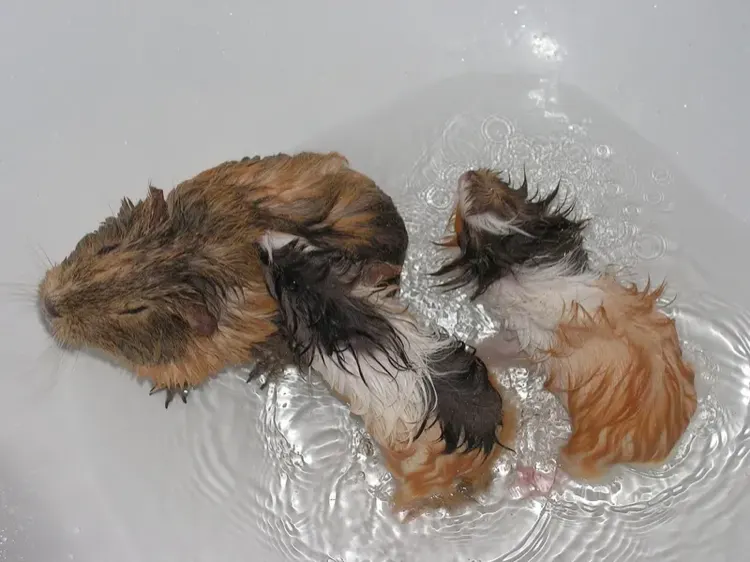
Guinea pigs do not need regular baths. They are generally clean animals that groom themselves, and frequent bathing strips the natural oils from their skin and coat. Most guinea pigs only need a bath every few months, or when they get visibly dirty or develop a skin condition that requires medicated shampoo.
Use lukewarm water, about an inch deep in a sink or shallow basin. Use a guinea pig-safe or gentle, unscented small animal shampoo. Wet the body while keeping the head dry -- water in the ears causes infections.
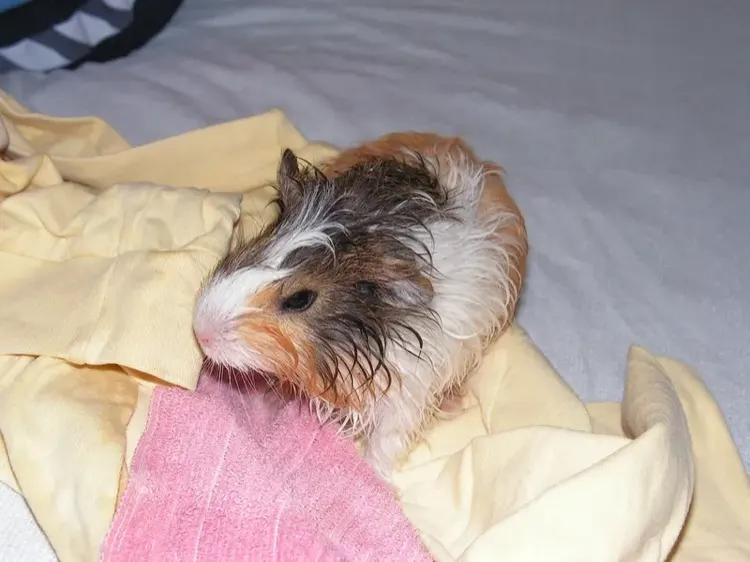
Work the shampoo through the coat gently, rinse thoroughly so no residue remains, and wrap your guinea pig in a dry towel immediately. Guinea pigs lose body heat quickly when wet, so dry them thoroughly. A hair dryer on the lowest, coolest setting can help for long-haired breeds, but keep it at a safe distance and watch for signs of stress.
Never bathe a guinea pig in cold water, and never leave a damp guinea pig in a cool room. Chilling is a real risk, especially for young or elderly pigs.
Guinea pigs are prone to a handful of conditions that every owner should recognize. Most are treatable when caught early, but they can become serious or fatal if ignored.
URIs are one of the leading causes of death in guinea pigs, and they progress fast. Symptoms include sneezing, crusty eyes, nasal discharge, labored breathing, lethargy, and loss of appetite. A guinea pig with a URI needs antibiotics from an exotic vet immediately -- waiting even a day or two can be the difference between recovery and losing your pig.
URIs are often triggered by drafts, damp bedding, dusty hay, or stress. Keeping the cage in a stable-temperature environment away from direct drafts and air conditioning vents is the best prevention.
Bumblefoot is a painful infection of the footpads caused by pressure sores, usually from wire-bottom cages, rough bedding, or overgrown nails that alter the guinea pig's gait. Early signs include redness and swelling on the bottom of the feet.
Treatment involves antibiotics, pain management, and correcting the environmental cause. Prevention means using solid-bottom cages with soft bedding, keeping nails trimmed, and maintaining a clean cage.
Guinea pigs are prone to calcium-based bladder and kidney stones, which cause painful urination, blood in urine, and sometimes complete urinary blockage. A diet too high in calcium, from excessive alfalfa hay, spinach, or kale in adult guinea pigs, is a major contributing factor.
Treatment may require surgical removal. Prevention involves feeding a balanced diet with timothy hay as the base and limiting high-calcium vegetables.
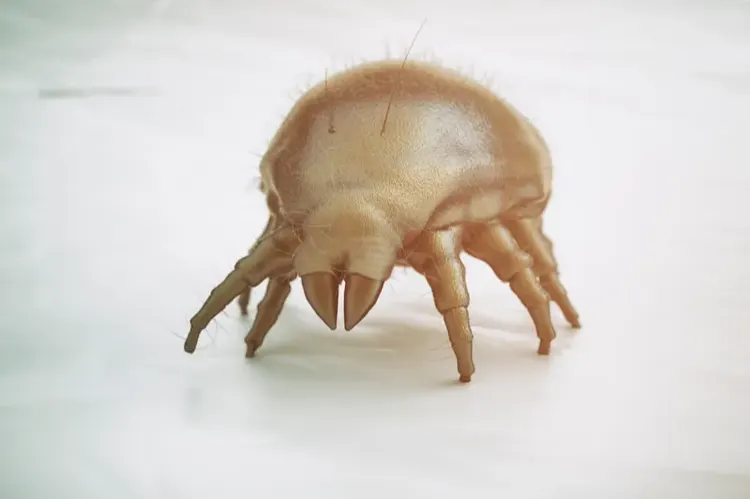
Mange mites (Trixacarus caviae) burrow into the skin and cause intense itching, hair loss, and scabbing. A guinea pig with mange mites will scratch frantically and may seizure from the pain. This is a veterinary emergency that requires ivermectin treatment.
Ringworm, a fungal infection, causes circular patches of hair loss with scaly or crusty skin. It is contagious to other animals and humans. Antifungal medication clears most cases within a few weeks.
Guinea pig teeth grow continuously throughout their lives. A diet rich in hay provides the grinding action needed to wear teeth down naturally. Without enough hay, teeth can overgrow, develop sharp points called spurs, and cause mouth sores that make eating painful or impossible.
Because guinea pigs hide illness, any noticeable change in behavior should be taken seriously. The following signs warrant a vet visit, many of them urgently:
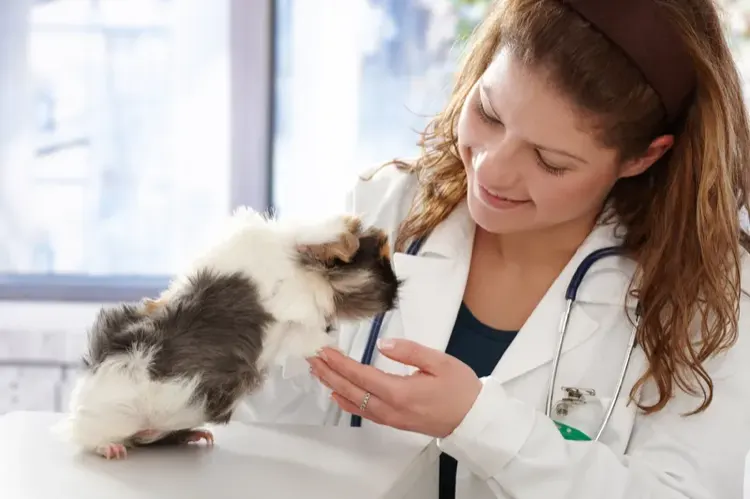
Find an exotic vet experienced with guinea pigs before you need one. Regular veterinarians may not have the specialized knowledge required to treat guinea pig-specific conditions. An exotic vet can also perform the annual health checks that catch problems before they become emergencies.
Guinea pig incisors and molars grow at a rate of about two to three millimeters per week. Under normal conditions, chewing hay and fibrous vegetables wears them down at roughly the same rate, keeping the teeth at a functional length.
Problems arise when the teeth grow unevenly or when a guinea pig does not eat enough hay. Malocclusion, where the teeth no longer meet properly, leads to overgrown teeth, spurs that cut into the cheeks and tongue, and abscesses in severe cases.
If you suspect dental issues, get to an exotic vet. Dental work on guinea pigs requires specialized tools and often sedation. Home trimming of teeth is not recommended because improper technique can fracture teeth or damage the jaw.
A healthy guinea pig has a smooth, shiny coat with no bare patches, flakes, or crusty areas. Changes in coat quality are often the first visible sign of a health problem, whether dietary, parasitic, or fungal.
| Cause | Symptoms | Treatment |
|---|---|---|
| Mange mites | Intense scratching, scabs, seizures in severe cases | Ivermectin from a vet |
| Ringworm | Circular bald patches, scaly skin | Antifungal medication |
| Barbering | Chewed hair (self or cage mate), no skin irritation | Address boredom or dominance issues |
| Vitamin C deficiency | Rough coat, slow healing, lethargy | Increase vitamin C in diet |
| Hormonal (ovarian cysts) | Bilateral hair loss on flanks in sows | Veterinary treatment, possible spay |
Barbering, where a guinea pig chews its own fur or its cage mate's fur, is usually a behavioral issue. It can stem from boredom, stress, or dominance dynamics. Providing more space, hiding spots, and enrichment often reduces barbering.
An annual checkup with an exotic vet is a worthwhile investment. The vet can check teeth, listen to the lungs, palpate the abdomen for bladder stones or masses, and catch early signs of problems that are invisible to owners.
Weigh your guinea pigs weekly at the same time of day. Record the weights and watch for trends. A loss of 50 grams or more in a week is a red flag that warrants a vet visit, even if the guinea pig seems otherwise fine.
Check the bottom of each foot for redness or swelling every time you trim nails. Look at the eyes for cloudiness or discharge. Gently feel the belly for hard lumps. These quick checks take less than a minute per pig and can catch problems weeks before they become visible through behavior changes.
Any new guinea pig should be quarantined in a separate room for two to three weeks before being introduced to existing pigs. This period allows you to observe for signs of URI, mites, or ringworm that could spread to your healthy animals.
Wash your hands thoroughly between handling quarantined and resident guinea pigs. Mange mites and ringworm transfer easily on hands and clothing.
Once a year for a wellness check if your guinea pig is healthy. Guinea pigs over four years old benefit from twice-yearly visits since age-related conditions like heart disease and tumors become more common. Any time you notice signs of illness, see a vet promptly rather than waiting for the next scheduled appointment.
No. Guinea pigs do not require any vaccinations. Their preventive care is centered on diet, hygiene, and regular health monitoring rather than immunization.
Never. Flea and mite treatments designed for cats and dogs can be toxic and even fatal to guinea pigs. Only use medications prescribed by a vet experienced with guinea pigs. Ivermectin dosed specifically for guinea pigs is the standard treatment for mites.
Guinea pigs in pain may stop eating, sit hunched with a puffed-up coat, grind their teeth, become unusually quiet, or resist being picked up. Some guinea pigs vocalize with high-pitched squeaks when the painful area is touched. Any sudden behavior change is worth investigating.
An occasional sneeze, especially around dusty hay, is normal. Frequent sneezing, especially when accompanied by nasal discharge, crusty eyes, or lethargy, is a sign of a respiratory infection and needs immediate veterinary attention.
Guinea pig care comes down to consistency. A reliable daily routine of feeding, cleaning, and observation catches problems early and keeps your pigs comfortable. Weekly grooming tasks like nail trimming and coat checks prevent the conditions that lead to expensive vet visits.
The most important investment is finding a good exotic vet before you need one. Guinea pig medicine is specialized, and a vet who sees these animals regularly will diagnose and treat conditions faster and more accurately than one who primarily works with cats and dogs.
Start with the basics, build a routine, and pay attention to your guinea pigs. They will tell you when something is off -- you just have to know what to look for.
 guide
guide Sneezing around your piggy? Here is how to tell a guinea pig allergy from a hay allergy, and what you can do about either one.
 guide
guide An abscess in guinea pigs is a sealed pocket of pus, and the thick capsule around it blocks both antibiotics and the immune system.
 guide
guide Baby guinea pigs are born furred with open eyes and can eat solid food on day one. Here is what a pup needs, week by week, from birth to rehoming.
 guide
guide Baytril is the brand name for enrofloxacin, a prescription antibiotic vets use for guinea pig chest and bladder infections.
 roundup
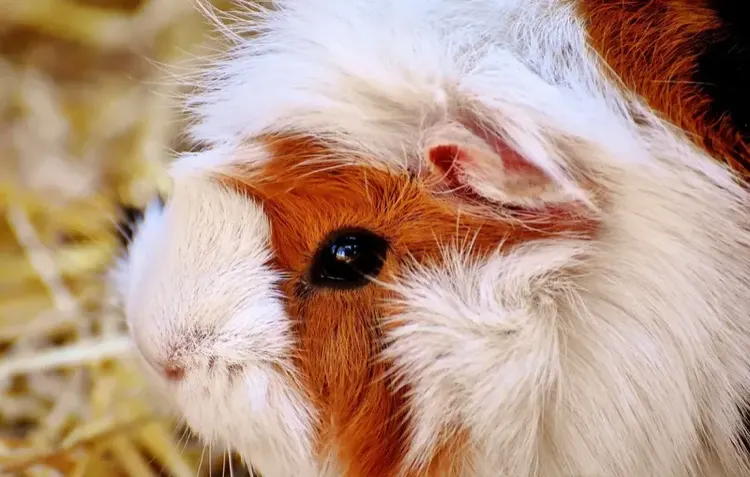
 Grooming and brushing are an integral part of care for your pet so you're at the right place if you are looking for a guinea pig brush.
 roundup
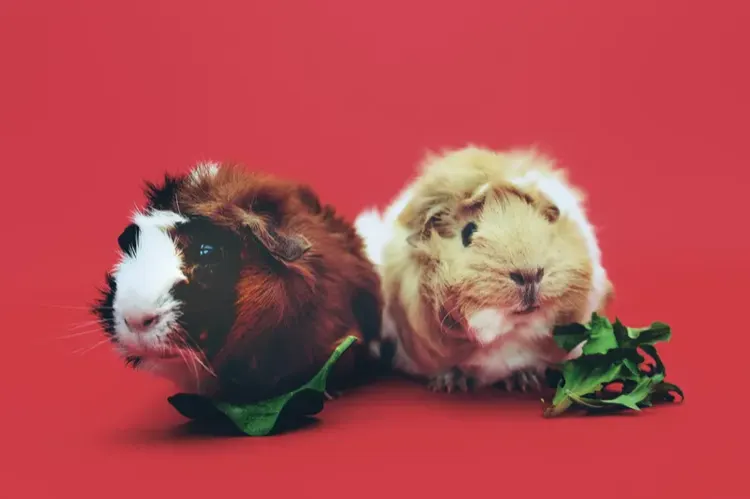
 If you're looking for the best guinea pig nail clippers, we've listed the top 10 in this article.
 roundup
 No one likes a dirty pet and that's why a guinea pig shampoo is essential.
 roundup
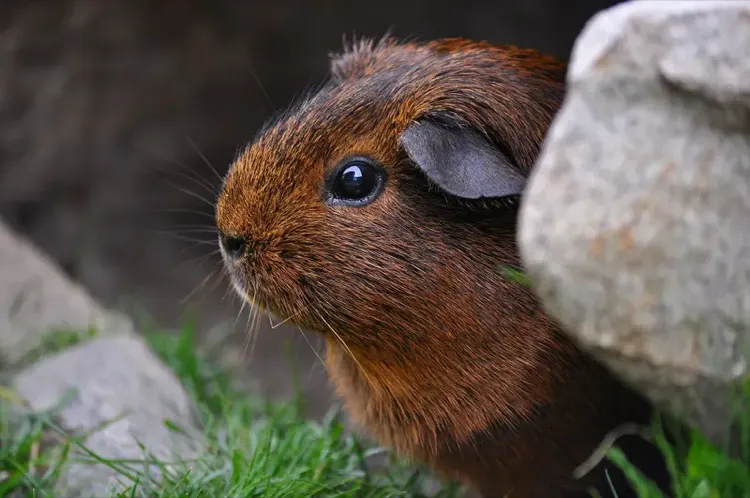
 Are you looking for the best guinea pig water bottle?
 guide
guide Suddenly, your guinea pig drinking a lot of water and you don't even know if it is something to be worried about.
 guide
guide This particular issue is a big dilemma for the people who own or have a pet like a guinea pig. Is a shaved guinea pig advantageous or not?
 guide
guide Guinea pig bladder stones develop when calcium carbonate from food undergoes precipitation, forming round, hard pieces that stay in the urinary tract.
 guide
guide Bumblefoot guinea pig occurrence implies that the guinea pig's foot impact point has gotten swollen.