 roundup
 10 Best Guinea Pig Bedding Options for Odor Control
Getting the best bedding for guinea pig odor control may be a bit of a hassle.

Cage types, bedding options, cage setup guides, outdoor hutches, and habitat reviews for guinea pigs.

We may earn a small commission through links on this page, at no extra cost to you. As an Amazon Associate, we earn from qualifying purchases. Ratings reflect our own editorial evaluation.
Housing is one of the most important decisions you will make as a guinea pig owner, and it is also where most people get it wrong first. Pet store cages are almost always too small, and the "starter kits" marketed for guinea pigs rarely meet the minimum space requirements that keep these animals healthy and happy.
Guinea pigs are active, social animals that need room to run, explore, and establish their own spaces within the cage. A cramped environment leads to stress, aggression between cage mates, obesity from lack of movement, and a host of health problems that could have been avoided with the right setup from day one.
This guide covers cage sizes, types, bedding options, setup essentials, and outdoor housing so you can build a habitat that actually works for your guinea pigs rather than settling for whatever fits on a shelf at the pet store.
Whether you are setting up your first cage or upgrading from a starter setup, the information here will help you create a space your guinea pigs can thrive in for years.
The widely accepted minimum cage size for guinea pigs comes from the Humane Society and guinea pig rescue organizations. These are floor space minimums, not nice-to-haves:
| Number of Pigs | Minimum Size | Preferred Size |
|---|---|---|
| 1 guinea pig | 7.5 sq ft (30" x 36") | 10.5 sq ft (30" x 50") |
| 2 guinea pigs | 10.5 sq ft (30" x 50") | 13 sq ft (30" x 62") |
| 3 guinea pigs | 13 sq ft (30" x 62") | 16 sq ft (30" x 76") |
| 4 guinea pigs | 16 sq ft (30" x 76") | As large as possible |
Most pet store cages fall between 2 and 4 square feet. That is less than half the minimum for even a single guinea pig. If you take away one thing from this page, let it be this: the cage from the pet store is almost certainly too small.
Bigger is always better with guinea pig housing. Guinea pigs that have enough space are more active, more social, easier to keep clean, and significantly healthier than those crammed into undersized enclosures.
Four main cage types dominate the guinea pig world: C&C cages, Midwest Guinea Habitat, commercial pet store cages, and custom-built enclosures. Each has trade-offs in price, size, portability, and ease of cleaning.
C&C cages are the most popular choice among experienced guinea pig owners, and for good reason. Built from wire storage cube grids and a corrugated plastic (Coroplast) base, they are customizable to any size and layout you need.
A standard 2x4 grid C&C cage provides about 10.5 square feet of floor space, which meets the minimum for two guinea pigs. You can extend them to 2x5, 2x6, or add upper levels connected by ramps.
The main advantages are cost, customization, and cleaning ease. A C&C cage large enough for two pigs costs between $40 and $80 to build, which is often cheaper than a commercial cage that provides half the space. The Coroplast base lifts out for thorough cleaning, and the grid panels reconfigure when you want to change the layout.
The downsides: they are not portable, they take some assembly, and the open-top design means they are not suitable for homes with cats or dogs that could access the cage from above.
The Midwest Guinea Habitat Plus is the best ready-made option available in most pet stores and online. At 8 square feet, it meets the minimum for one guinea pig, and two can be connected to create a 16-square-foot enclosure for pairs.
It folds flat for storage and travel, has a removable canvas bottom that is machine-washable, and sets up in minutes without tools. The canvas bottom is not as durable as Coroplast over the long term, but it works well for owners who want a quick, no-build solution.
Most cages sold as "guinea pig cages" in pet stores are too small. Brands like Kaytee and Prevue offer models that range from 2 to 5 square feet, well below the minimum for even a single guinea pig.
If you already own one, it can work as a temporary quarantine cage or travel carrier, but it should not be the permanent home for your guinea pig. Investing in a C&C or Midwest setup will pay off in your guinea pig's health and behavior.
Some owners build custom cages from wood, plexiglass, or repurposed furniture like bookshelves and dressers. These can look great and provide excellent space, but make sure any wood surfaces are sealed with a pet-safe sealant to prevent urine absorption, and ensure adequate ventilation.
Aquariums and solid-walled enclosures are not suitable for guinea pigs. They trap ammonia from urine, restrict airflow, and create a humid environment that promotes respiratory infections.
Bedding serves three purposes: absorbing urine, controlling odor, and providing a comfortable surface for your guinea pig's feet. The right choice depends on your budget, cleaning preferences, and sensitivity to dust.
| Bedding Type | Absorbency | Odor Control | Dust Level | Cost Over Time | Notes |
|---|---|---|---|---|---|
| Fleece liners | Good (with absorbent layer) | Good (if washed regularly) | None | Low (reusable) | Requires daily spot-cleaning and weekly washing |
| Paper-based (Carefresh) | Excellent | Good | Low | High (disposable) | Most popular disposable option |
| Kiln-dried pine shavings | Good | Moderate | Moderate | Low | Must be kiln-dried to remove phenols |
| Aspen shavings | Good | Moderate | Moderate | Low | Safe hardwood alternative to pine |
| Hemp bedding | Excellent | Excellent | Very low | Moderate | Growing in popularity, highly absorbent |
Fleece liners have become the most popular bedding choice in the guinea pig community. They consist of a top layer of anti-pill fleece over an absorbent middle layer, usually made of U-haul furniture pads or cotton batting.
The fleece wicks urine through to the absorbent layer, keeping the surface dry. When properly prepared (the fleece needs to be washed several times before first use to break down the water-resistant finish), fleece liners keep guinea pig feet dry and comfortable.
The trade-off is maintenance. Fleece liners need daily sweeping or vacuuming to remove hay and droppings, and they need washing every three to four days. Owners who do not keep up with the cleaning schedule end up with smelly, saturated liners that are worse than disposable bedding.
Paper-based bedding like Carefresh is the easiest option for owners who want a simple clean-and-replace routine. It absorbs well, controls odor reasonably, and goes straight into the trash at cleaning time.
The cost adds up. A cage for two guinea pigs can go through a 60-liter bag of Carefresh in a week, which runs $20 to $25 per bag at most retailers. Over a year, disposable bedding is significantly more expensive than reusable fleece liners.
A well-set-up cage gives your guinea pig distinct areas for eating, sleeping, playing, and using the bathroom. Guinea pigs are creatures of habit, and they naturally establish these zones when given enough space.
Place the hay and water at one end and hideouts at the other to encourage movement across the full length of the cage. Guinea pigs will naturally use one corner as a bathroom area -- put extra bedding there or a small litter pan to make cleaning easier.
Avoid placing food and water directly inside hideouts. Guinea pigs will soil their food if the two are too close together. Maintaining separation between eating and sleeping areas keeps the cage cleaner and the food safer.
Where you put the cage matters as much as what is inside it. Guinea pigs are sensitive to temperature extremes, drafts, and direct sunlight, and they are social enough to suffer from being isolated in a back room where they rarely see people.
Guinea pigs are comfortable between 65 and 75 degrees Fahrenheit (18 to 24 Celsius). They are far more sensitive to heat than cold -- temperatures above 80 degrees Fahrenheit can cause heat stroke, which is a life-threatening emergency.
Never place a cage in direct sunlight, next to a heater or radiator, or in an uninsulated garage or shed. Similarly, avoid placing the cage directly in front of an air conditioning vent, as drafts contribute to respiratory infections.
A living room or family room where people spend time is ideal. Guinea pigs benefit from regular human interaction, and being part of the household activity helps them stay social and responsive.
Avoid kitchens (cooking fumes and temperature swings), bathrooms (humidity), and bedrooms if you are a light sleeper (guinea pigs are most active at dawn and dusk and will wheek loudly when they think it is feeding time).
Keep the cage off the floor if possible. Placing it on a table or stand at waist height makes interaction easier, reduces drafts, and keeps the cage away from other pets and young children.
Outdoor housing is common in some countries but carries significant risks in most climates. Guinea pigs are not as hardy as rabbits and are highly vulnerable to temperature extremes, predators, and parasites.
In mild climates where temperatures stay between 60 and 75 degrees Fahrenheit year-round, a well-built outdoor hutch with a fully enclosed, weatherproof sleeping area can work. The hutch must be predator-proof -- that means heavy-gauge wire mesh, secure latches, and a solid floor to prevent digging predators from entering.
Predators are the single biggest danger. Foxes, raccoons, snakes, hawks, and even neighborhood cats and dogs have killed guinea pigs in outdoor hutches. The smell of a prey animal attracts predators from surprising distances, and even a secure hutch can cause fatal stress if a predator sits outside it all night.
Flystrike is another serious risk in warm weather. Flies are attracted to soiled bedding and can lay eggs on a guinea pig's hindquarters, leading to maggot infestation that can kill within hours. Outdoor guinea pigs need their cages cleaned daily and their hindquarters checked at least twice a day.
For most owners in most climates, indoor housing is safer, easier to maintain, and better for the guinea pig's wellbeing.
A clean cage is the foundation of guinea pig health. Ammonia buildup from urine causes respiratory damage, dirty bedding leads to bumblefoot, and neglected food areas attract pests.
Once a month, do a thorough clean of the entire cage. Remove everything, wash the cage base with a 50/50 white vinegar and water solution, scrub any calcium deposits or urine stains, and let everything dry completely before reassembling.
Vinegar is the best cleaning agent for guinea pig cages. It is non-toxic, breaks down urine deposits effectively, and does not leave behind chemical residues that could irritate your guinea pig's respiratory system. Avoid bleach and commercial household cleaners unless specifically labeled as pet-safe.
Guinea pigs are social animals that generally do best in pairs or small groups. Housing multiple guinea pigs together requires enough space, resources, and thoughtful introduction to prevent conflict.
Every additional guinea pig adds roughly 2.5 to 3 square feet to the minimum cage size. Two pigs need at least 10.5 square feet, three need at least 13, and so on. Undersized enclosures are the number one cause of fighting between cage mates.
Provide at least one hideout per guinea pig, plus one extra. Guinea pigs need the option to retreat from each other, and a pig without a hideout will become stressed. Multiple water sources and hay stations prevent dominant pigs from monopolizing resources.
The easiest pairings are two sows (females) or a neutered boar with one or more sows. Two boars can live together successfully if they have enough space and are introduced properly, but boar pairs are more prone to dominance disputes, especially during adolescence.
Never house intact boars with sows unless you are prepared for pregnancy. Guinea pig gestation is 59 to 72 days, and breeding carries significant health risks for sows, especially those bred for the first time after eight months of age.
Guinea pigs can use upper levels connected by gentle ramps, but floor space matters more than vertical space. Guinea pigs are not climbers like hamsters or rats -- they prefer flat, open running room. A multi-level cage should not be used to compensate for inadequate ground-floor area.
No. Exercise wheels and balls are dangerous for guinea pigs. Their spines are not flexible enough for the curved running surface of a wheel, and exercise balls restrict airflow and cause extreme stress. Guinea pigs get their exercise by running laps in a sufficiently large cage and during supervised floor time outside the cage.
Daily floor time in a guinea pig-proofed room or enclosed pen is ideal. Even 30 to 60 minutes gives them a chance to explore, run, and interact with you outside the cage. Supervise closely to prevent chewing on electrical cords and ingesting carpet fibers or other hazards.
No. Aquariums and terrariums have poor ventilation, which leads to ammonia buildup from urine and increases the risk of respiratory infections. Guinea pigs need an enclosure with open sides for adequate airflow.
Temperatures above 80 degrees Fahrenheit (27 Celsius) are dangerous, and above 85 degrees can be fatal. If your home gets hot in summer, use fans to circulate air (not blowing directly on the cage), provide frozen water bottles wrapped in a towel for cooling, and keep the cage out of direct sunlight.
 roundup
 Getting the best bedding for guinea pig odor control may be a bit of a hassle.
 roundup
 In this article, we will review the 10 best guinea pig bedding for allergies.
 roundup
 Are you looking for the best guinea pig hutch available right now?
 roundup
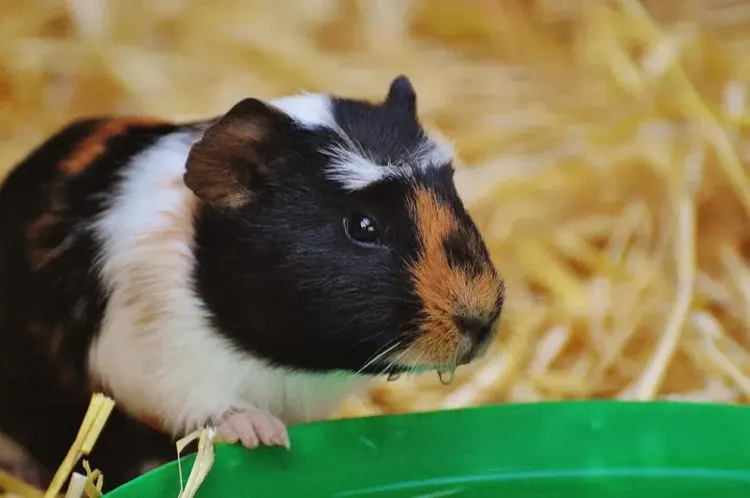
 You're a proud guinea pig owner who is looking for the best guinea pig litter boxes.
 roundup
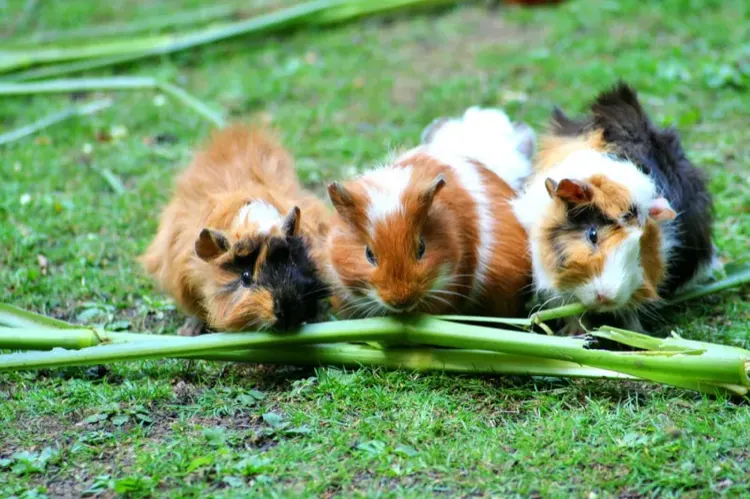
 A good guinea pig ramp is among the toys that have an important role in your pet's habitat.
 roundup
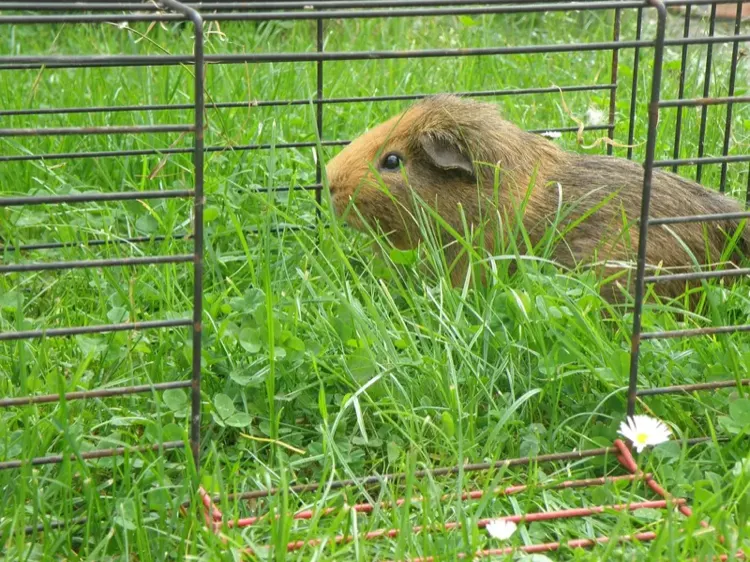
 Guinea pigs, like any other pet, must have their guinea pig shed, a place to live, play, and sleep.
 roundup
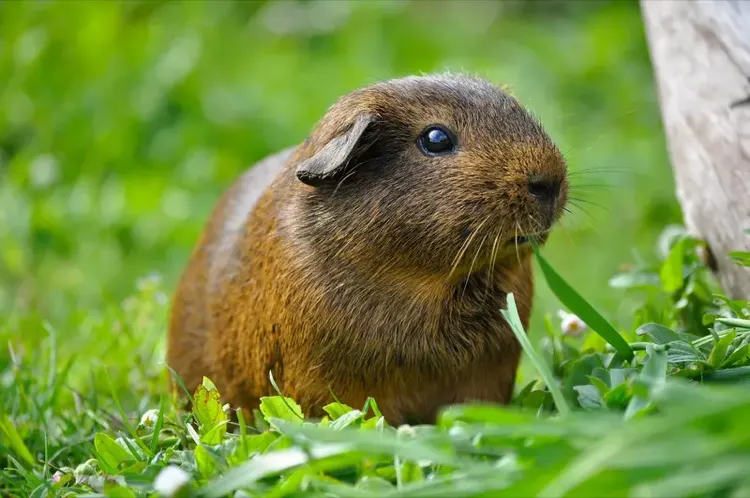
 Are you looking for the perfect outdoor guinea pig cage for your pets?
 roundup
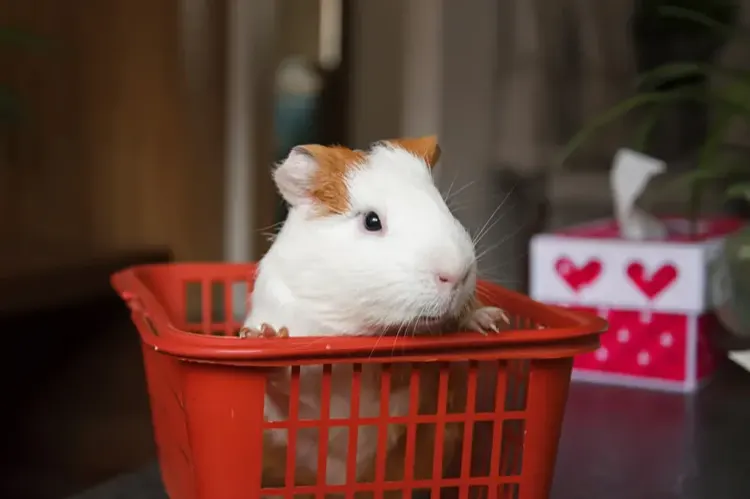
 Are you looking for the best guinea pig carrier so you can take your small pet on a trip with you? Maybe you just need a pet carrier for daily use?
 roundup
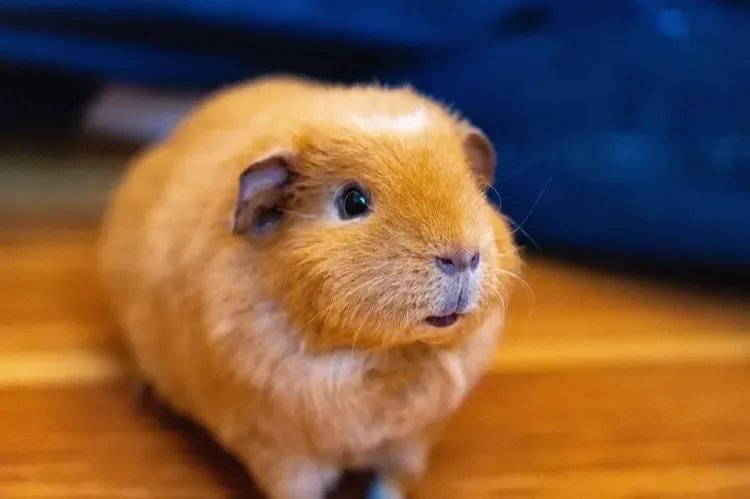
 If you're looking for the best guinea pig cuddle sack, we've listed the ten best right here in this article.
 roundup
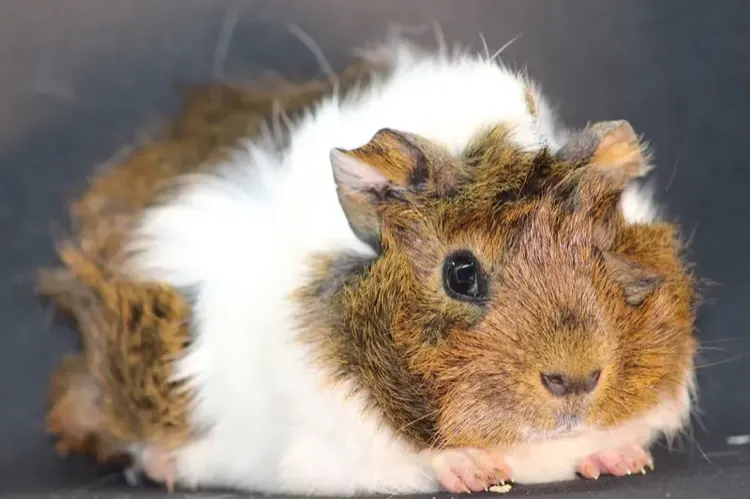
 In this article, we present the 10 best guinea pig cages with tubes because guinea pigs love tubes. They need them to be happy and engaged.
 guide
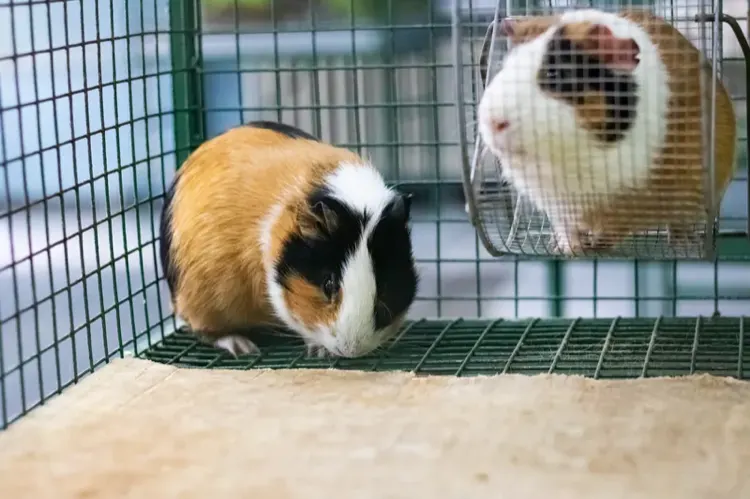
guide Did you know that a dirty cage is one of the leading causes of poor health in guinea pigs?
 roundup
 You can't buy a guinea pig without falling in love with it and that's why we've conducted this review of the best guinea pig cages for small spaces.