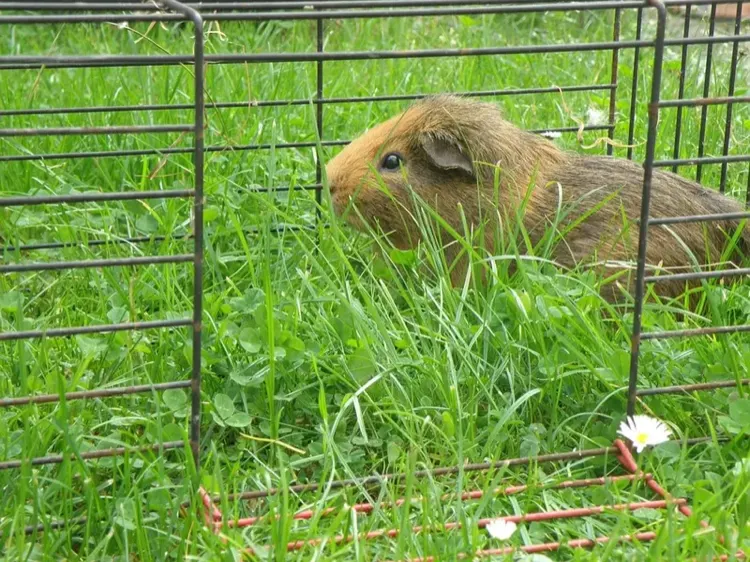

Tired of the mess and dust from traditional wood shavings? There are much better bedding options for your guinea pig now.
Paper bedding, hemp bedding, and fleece liners each have their own strengths. The right choice depends on whether you want something disposable or reusable, and how sensitive your piggy’s respiratory system is.
Whatever you pick, it needs to be dust-free and absorbent. Dusty bedding is one of the top causes of breathing problems in guinea pigs.
We’ve reviewed the 10 best bedding alternatives to help you find the right fit.
Quick Comparison Chart
| # | Product | Our Rating | ||
|---|---|---|---|---|
| 1 |  |
Kaytee Clean & Cozy White Paper Bedding | ★★★★★ | Check Price |
| 2 |  |
GuineaDad Fleece Liner 2.0 | ★★★★★ | Check Price |
| 3 | 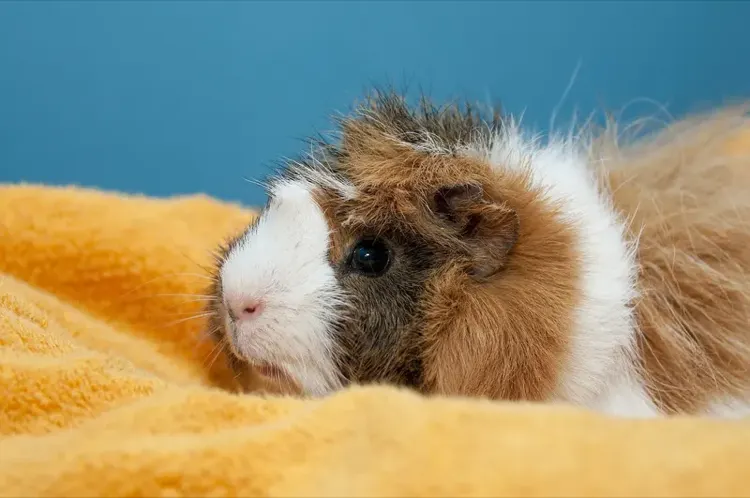 |
Small Pet Select Premium Aspen Bedding | ★★★★☆ | Check Price |
| 4 |  |
Hemp Bedding for Small Animals | ★★★★☆ | Check Price |
| 5 |  |
Piggy BedSpreads Fleece Cage Liner | ★★★★☆ | Check Price |
| 6 |  |
JanYoo Guinea Pig Hideout Bed | ★★★★☆ | Check Price |
| 7 |  |
Pulse Brands Disposable Cage Liners | ★★★★☆ | Check Price |
| 8 | 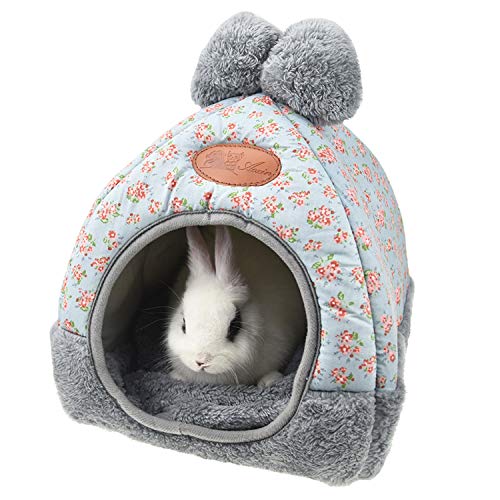 |
FLAdorepet Guinea Pig House Bed | ★★★★☆ | Check Price |
| 9 |  |
Kaytee Super Sleeper Cuddle-E-Cup Bed | ★★★★☆ | Check Price |
| 10 | |
YUEPET Guinea Pig Bed Cuddle Cave | ★★★★☆ | Check Price |
10 Best Guinea Pig Bedding Alternatives Reviewed
Finding the right bedding can feel overwhelming with so many options out there. We’ve tested and compared paper bedding, fleece liners, hemp, aspen shavings, and cozy hideout beds to help narrow things down.
Each product below has been evaluated for absorbency, dust levels, ease of cleaning, and overall comfort for your guinea pig.
1. Kaytee Clean & Cozy White Paper Bedding
Kaytee Clean & Cozy White Paper Bedding
Ultra-soft, 99% dust-free paper bedding designed to absorb up to 6x its weight and control odor for up to 14 days.
Pros
- Designed to absorb up to 6x its weight
- 99% dust-free, gentle on airways
- White color makes soiled spots visible
- Soft texture great for burrowing
- Meets FDA safety standards
Cons
- Not reusable like fleece alternatives
- Quality can vary between batches
- Paper bits scatter outside the cage
Kaytee Clean & Cozy has earned its spot as one of the most popular bedding options for guinea pigs, and it’s easy to see why. The paper is super soft, 99% dust-free, and absorbs up to six times its weight in liquid.
That kind of absorption keeps your piggy’s cage dry and comfortable for days at a time.
One thing we really like about this bedding is that it’s dye-free white paper. It makes it incredibly simple to see when an area needs cleaning.
You won’t have to guess whether that dark spot is a stain or just the bedding color. The material also meets FDA standards and doesn’t contain harmful chemicals or by-products, so you can feel confident about your piggy’s safety.
Kaytee even backs the odor control with a 14-day guarantee. If your bedding doesn’t stay fresh for two weeks, they’ll refund you.
There have been occasional batch-to-batch variations in softness and dust levels, but overall this is a reliable, well-rounded bedding that guinea pigs love to burrow in.
2. GuineaDad Fleece Liner 2.0
GuineaDad Fleece Liner 2.0
Patented multi-layer fleece liner with bamboo absorbent core and built-in burrowing pocket.
Pros
- Three-layer system wicks moisture away
- Bamboo core fights bacteria naturally
- Built-in burrowing pocket for piggies
- Machine washable and reusable
- Fits Midwest, C&C, and other cages
Cons
- Requires regular pet-safe detergent washing
- Surface waste needs daily sweeping
- Performance declines after many washes
The GuineaDad Fleece Liner 2.0 is hands down one of the most well-engineered bedding solutions available. It uses a patented three-layer system: the ultra-soft fleece top wicks moisture down into a bamboo fiber absorbent core, and the waterproof bottom layer keeps everything from leaking through to the cage floor.
Your piggy’s feet stay dry, and the cage stays clean.
What really sets this liner apart is the built-in burrowing pocket. Guinea pigs love to hide and tunnel, and this pocket gives them a safe, cozy spot to do just that.
The bamboo core is naturally antibacterial too, which helps keep things hygienic between washes. It comes in multiple sizes to fit Midwest, C&C, and other popular cage types.
The tradeoff is maintenance. You’ll need to sweep droppings daily and wash the liner weekly with a pet-safe detergent that doesn’t contain fabric softener.
Over time, the fleece can start to lose some of its wicking ability after many wash cycles. But if you don’t mind the upkeep, this liner is an excellent eco-friendly choice that guinea pigs genuinely seem to enjoy.
3. Small Pet Select Premium Aspen Bedding
Small Pet Select Premium Aspen Bedding
100% heat-dried natural aspen shavings made in the USA, free of dyes, chemicals, and aromatic oils.
Pros
- 100% natural aspen with no dyes or additives
- Heat-dried to reduce dust and harmful substances
- Super fluffy shavings ideal for burrowing
- Optimal absorbency helps control cage odor
- Made in the USA by Small Pet Select
Cons
- Not as soft as paper or fleece
- Shavings scatter outside the cage
- Jumbo bag size may be too much for small cages
If you prefer a natural wood-based bedding but want to avoid the dangerous aromatic oils found in cedar and pine, Small Pet Select’s Premium Aspen Bedding is a top-tier choice. It’s made from 100% natural aspen shavings that are heat-dried to remove harmful substances and minimize dust, with no dyes, chemicals, or additives of any kind.
The shavings come out noticeably fluffy, which guinea pigs seem to love for burrowing and nesting.
The absorbency is solid for a wood-based bedding, and the natural aspen material controls odors well between cage cleanings. Small Pet Select is a well-known brand in the small animal space and makes this product entirely in the USA, so there’s a level of quality control you don’t always get with imported options.
The main downside is that aspen is a hardwood, so the shavings aren’t as pillowy soft as paper or fleece. They can also scatter outside the cage when your piggies get active, which means a bit more sweeping on your end.
The jumbo size (282 liters) is great value for multi-pig households, but it might be more than you need if you’ve only got one cage.
4. Hemp Bedding for Small Animals
Hemp Bedding for Small Animals
All-natural hemp hurd fiber bedding that's ultra absorbent, compostable, and ideal for sensitive respiratory systems.
Pros
- Naturally soft and gentle on paws
- Ultra absorbent, clumps for easy cleaning
- Compostable and eco-friendly
- Far less dust than wood shavings
- Expert-tested before each batch ships
Cons
- Less available than paper or wood bedding
- Change more often in humid climates
Hemp bedding is gaining serious traction among guinea pig owners, and this product from My Favorite Chicken shows why. Made entirely from hemp hurd fiber cuttings, it’s soft, fluffy, and produces significantly less dust than traditional wood shavings.
That’s a huge win for guinea pigs with respiratory sensitivities.
What makes hemp stand out as a bedding material is its absorbency. It soaks up moisture into clumps, which makes spot-cleaning incredibly easy.
Just scoop out the wet clumps and leave the rest. It’s also fully compostable, so if you’ve got a garden or compost bin, your used bedding can decompose naturally instead of heading to a landfill.
Each batch goes through quality inspection with input from animal care experts, which adds a layer of confidence that you’re getting a consistent product. The main drawback is that hemp bedding isn’t as widely stocked in pet stores as paper or wood options, so you’ll likely need to order online.
It can also lose effectiveness faster in humid conditions, so keep that in mind depending on your climate.
5. Piggy BedSpreads Fleece Cage Liner
Piggy BedSpreads Fleece Cage Liner
Reversible three-layer fleece liner with a medical-grade waterproof bottom, designed for the Hagen Living World Cage.
Pros
- Top fleece stays dry, urine wicks below
- Medical-grade waterproof bottom layer
- Reversible with distinct side colors
- Large enough for multi-pig households
- Machine washable, no dusty shavings
Cons
- Can feel warm during summer months
- Need two so one's clean while washing
The Piggy BedSpreads Fleece Cage Liner is a premium option that’s especially well-suited for owners with multiple guinea pigs. It’s designed to fit the Hagen Living World Cage and uses a three-layer system: the soft fleece top stays dry while urine wicks through to an absorbent middle layer, and the medical-grade waterproof bottom keeps the cage floor completely protected.
One of the coolest features is that it’s reversible, with different colors on each side. This makes it easy to keep track of which side you’ve used and when it’s time for a wash.
The liner is generously sized, so it works well even in larger cage setups. You’ll finally say goodbye to wood shavings scattered all over your floor.
The main consideration is that fleece liners can retain heat, which might make them less comfortable during warmer months. It’s also smart to have at least two on hand so you can swap one in while the other is in the wash.
Be sure to use warm water with a detergent that doesn’t contain fabric softener, and give it a few wash cycles to fully break in before expecting peak performance.
6. JanYoo Guinea Pig Hideout Bed
JanYoo Guinea Pig Hideout Bed
Plush velvet and PP cotton hideout bed with a removable cushion, available in three sizes.
Pros
- Soft velvet and PP cotton, very cozy
- Removable cushion for easy cleaning
- Non-slip bottom stays put in cage
- S, L, and XL for growing piggies
- Cute cartoon shapes as cage decor
Cons
- Supplemental sleep spot, not full bedding
- Smaller sizes outgrown quickly
- Needs laundry bag for machine washing
The JanYoo Hideout Bed isn’t traditional cage bedding, but it’s one of the best supplemental comfort accessories you can add to your guinea pig’s habitat. Made from short velvet with high-density PP cotton filling, it’s incredibly soft and well-constructed.
The stitching is sturdy enough to hold up over time, even with daily use.
Guinea pigs are prey animals by nature, so they love having a covered, enclosed space where they can feel safe. This hideout bed gives them exactly that.
The opening is shaped to make it easy for them to find their way in, and the non-slip bottom means it won’t slide around when they climb in or out. It comes in small, large, and X-large, so you can size up as your piggies grow.
We’d recommend going with the X-large if you’ve got adult guinea pigs.
The removable inner cushion is a nice practical touch. You can pull it out for separate washing without having to toss the whole bed in the machine.
Just make sure to use a laundry bag when you do machine wash it, or the fabric can get damaged. Keep in mind this works best alongside your main bedding, not as a replacement for it.
7. Pulse Brands Disposable Cage Liners
Pulse Brands Disposable Cage Liners
Super absorbent disposable liners with a leak-proof design that converts liquid to gel for odor control.
Pros
- Converts liquid to gel, locks in odor
- Leak-proof protects cage floor
- Cut or fold to fit any cage size
- Great starter option for new owners
- Pairs well with bedding on top
Cons
- Single-use generates more waste
- Piggies may try to chew the material
- Larger cages need multiple 22x22" pads
Pulse Brands Disposable Cage Liners are a great option for guinea pig owners who want maximum convenience. These liners come in a 14-count pack, and each pad transforms liquid into a gel that locks in moisture and reduces odor.
The leak-proof design keeps the cage floor clean, and you can simply toss the liner when it’s done.
What we like most about these is their flexibility. Each pad measures 22x22 inches, but you can cut or fold them to fit virtually any cage size.
They also work really well as a base layer underneath loose bedding for an extra level of absorption. For first-time guinea pig owners who are still figuring out cage maintenance routines, these liners simplify things a lot.
The obvious downside is that they’re disposable, so you’re going through supplies continuously. For owners who prioritize sustainability, a washable fleece liner would be a better long-term fit.
There’s also a chance your guinea pigs might try to chew the material, so keep an eye on them when you first introduce the liners. If your cage is larger than 22 inches, you’ll need to overlap multiple pads.
8. FLAdorepet Guinea Pig House Bed
FLAdorepet Guinea Pig House Bed
Adorable strawberry-design hideout nest with a removable pillow, soft fleece lining, and three size options.
Pros
- Cute strawberry design doubles as decor
- Soft fleece lining for cooler months
- Removable pillow for easy washing
- Available in S, M, and L sizes
- Enclosed shape gives piggies privacy
Cons
- Supplemental hideout, not full bedding
- Fabric wears with frequent washing
If you’re looking for something that’s as adorable to look at as it’s functional, the FLAdorepet House Bed is hard to beat. This strawberry-shaped hideout nest is made from quality fabric with a soft fleece lining that keeps guinea pigs warm and cozy, especially during winter months.
It’s genuinely one of the cutest accessories you can put in a cage.
This isn’t a fleece blanket or a standard bed. It’s a fully enclosed hideout that gives guinea pigs the privacy and sense of security they naturally seek.
The interior pillow is removable, so you can pull it out for easy washing without dealing with the whole structure. It comes in small, medium, and large sizes to accommodate guinea pigs at different stages.
Worth knowing: this is best used as a supplemental hideout alongside your main bedding, not as a complete replacement. The fabric can wear down with frequent machine washing, so try to spot-clean when possible and save full washes for when they’re really needed.
Still, for the comfort and enrichment it provides, it’s a worthwhile addition to any guinea pig cage setup.
9. Kaytee Super Sleeper Cuddle-E-Cup Bed
Kaytee Super Sleeper Cuddle-E-Cup Bed
Foam-free padded cuddle bed with a tether clip, made in the USA for guinea pigs and other small animals.
Pros
- Foam-free padded floor, safe for chewing
- Tether clip secures bed in cage
- Machine washable for quick cleanup
- Made in the USA by trusted Kaytee
- Cozy cup shape feels safe and snug
Cons
- One size, may not fit larger piggies
- Can't choose your specific color
- Sleep spot, not a bedding replacement
The Kaytee Cuddle-E-Cup is a simple but effective cuddle bed that gives your guinea pig a secure, cozy spot to rest. The padded floor uses foam-free filling, which is safer for small animals that tend to nibble on their bedding.
It’s made in the USA and backed by Kaytee’s long-standing reputation in the small animal space.
One practical feature that sets this apart is the included tether clip. You can attach the bed to the side of the cage so it doesn’t slide around or get flipped over during your piggy’s more energetic moments.
The cup shape naturally cradles your guinea pig, and most piggies seem to find it comforting. It’s also fully machine washable, which makes cleanup straightforward.
The limitation here is that it only comes in one size (10”L x 12”W x 5.5”H), so if you’ve got a particularly large guinea pig, it might feel cramped. You also can’t choose your color since it varies with each order.
Like the other bed products on this list, it’s meant as a supplemental comfort spot rather than a full cage bedding replacement.
10. YUEPET Guinea Pig Bed Cuddle Cave
YUEPET Guinea Pig Bed Cuddle Cave
A semi-enclosed coral fleece cuddle cave with PP polyester fill that holds its shape and keeps piggies warm and hidden.
Pros
- Semi-enclosed shape gives piggies a sense of security
- Coral fleece and PP fill stay plush after washing
- Folds flat for easy transport and storage
- Machine washable for quick cleanup
- Fits guinea pigs, chinchillas, and hedgehogs
Cons
- Not a standalone bedding replacement
- Entrance height may feel tight for larger piggies
The YUEPET Cuddle Cave rounds out our list as a cozy hideout that guinea pigs love to sleep and hide inside. The semi-enclosed design gives your piggy a safe, sheltered space, and the coral fleece exterior with PP polyester fill keeps them warm during cooler months.
What makes this cave stand out is how well it holds its shape. Even after repeated machine washes, the fill stays plush and the structure doesn’t collapse, so your piggy always has a sturdy little retreat to climb into.
At roughly 14.5 inches long, 11.4 inches wide, and 7.5 inches tall, it’s roomy enough for most adult guinea pigs. It also folds flat when you need to transport it or store it between uses, which is a handy feature for owners who travel with their pets.
Like the other bed products on this list, it’s best used as a supplemental comfort spot alongside your main bedding rather than a full cage replacement. The entrance sits about 2 inches off the ground, which could feel snug for particularly large piggies.
What Is the Best Bedding for Guinea Pigs?
There are lots of bedding types for guinea pigs. Fleece materials like blankets and liners are very popular because they’re absorbent, soft, and durable.
You can wash fleece liners in a washing machine using a pet-friendly detergent, so they’re more sustainable in the long run since you don’t have to keep buying new supplies.
Other popular alternatives include shredded paper, hemp bedding, and hardwood shavings like aspen. All the bedding types listed here are commercially available and can be bought online or in pet stores.
Many experienced guinea pig owners also place puppy training pads or old towels at the bottom of their guinea pig’s cage beneath the main bedding to add an extra layer of moisture protection.
Which Types of Bedding Are Unsafe for Guinea Pigs?
For your guinea pigs to be safe, the bedding has to be free from dust, mold, and scent that can irritate their sensitive respiratory system. That’s why veterinarians don’t recommend dusty wood shavings, straw (which can contain hard and sharp stalks that can hurt your guinea pigs), hay, or corn cob.
Corn cob bedding molds easily, can’t control odors, and is very hard on the sensitive feet of guinea pigs. Guinea pigs may also eat corn cob, which swells when mixed with water.
Once a guinea pig ingests it, it swells up and causes an intestinal blockage that’s very dangerous.
These types of natural materials also can’t absorb moisture very well and are hard to clean if you only want to remove parts of the bedding from the cage. The best approach is to place solid, highly absorbent bedding (like pellet or paper bedding) and then add a layer of hay on top.
Why Use a Guinea Pig Bedding?
Bedding is important for your guinea pigs’ health and hygiene. It should keep moisture away from the surface so your guinea pigs stay clean and dry.
Good bedding also needs to be safe and cozy, and it should be changed regularly to keep your pets healthy.
If you select the proper bedding, you’ll likely spend less on vet visits to treat or prevent certain illnesses. Wild guinea pigs sleep in grassy habitats where they rest, socialize, nest, and forage safely.
Captive guinea pigs need a similar setup: a cage big enough for them to roam around with deep bedding that’s soft and makes them feel secure.
If you don’t provide your pet with soft places to nest, tunnel, burrow, hide, and rest, your guinea pig won’t thrive.
Which Types of Guinea Pig Bedding to Avoid?
The bedding has to be free from dust, mold, and scent that can irritate guinea pigs’ sensitive respiratory systems. If you decide to use natural bedding, make sure it’s 100% natural with no additives and that it’s kiln-dried so there shouldn’t be any dust.
Most veterinarians won’t recommend dusty wood shavings like pine bedding or cedar bedding. If you want to use wood shavings, aspen bedding is a much better option for your guinea pigs compared to other types.
Both cedar and pine wood give off aromatic hydrocarbons that are dangerous for guinea pigs. Aspen isn’t as absorbent as pine, but it’s softer and isn’t harmful to your pet.
It also controls odors better and lasts well between cage cleanings.
Generally, natural materials like straw make poor bedding alternatives. They can’t absorb moisture well and aren’t easy to clean if you want to remove only parts of the bedding.
The best approach is to place solid, absorbent bedding (like pellet or paper bedding) and put a layer of hay on top.
Also, make sure to avoid straw because it can contain hard and sharp stalks that can hurt your guinea pigs. Similarly, avoid using cat litter for your guinea pig’s bedding unless it’s recycled paper.
Cat litter may be unsafe because guinea pigs can ingest it and block their digestive system.
Can Guinea Pigs Live Without Bedding?
Guinea pigs need bedding in their habitats. To keep your pet clean and healthy, make sure to use absorbent materials like commercial bedding alternatives or towels.
You can use shredded paper bedding, recycled paper cat litter, puppy training pads, or fleece bedding.
Are Cedar Wood Shavings Safe for Guinea Pigs?
Never use cedar wood shavings for your guinea pigs. Both cedar and pine wood shavings give off aromatic hydrocarbons that are dangerous for guinea pigs.
Can You Use a Blanket Instead of Bedding for a Guinea Pig?
Absolutely. You can use a blanket or a towel instead of bedding.
Just make sure that the material is soft, cozy, and that it absorbs moisture well.
Why Not Use Fabric Softeners or Dryer Sheets When Washing Fleece Materials?
When you buy fleece bedding, it has a water barrier that allows moisture to go through to the absorbent layer. However, most fabric softeners and dryer sheets leave residues that build up on fleece materials.
You shouldn’t use these chemicals because they can clog the fleece pores, and the fleece will lose its wicking properties.
Final Thoughts
The single biggest mistake guinea pig owners make with bedding is using cedar or pine shavings because they smell nice. Those aromatic woods contain phenols that cause serious respiratory damage over time.
Stick with paper, fleece, hemp, or kiln-dried aspen instead.
For a straightforward disposable option, Kaytee Clean & Cozy checks every box: 99% dust-free, absorbs six times its weight, and the white color makes soiled spots impossible to miss. If you’d rather wash than replace, the GuineaDad Fleece Liner 2.0 is the best reusable alternative with its antibacterial bamboo core and built-in burrowing pocket.
The reusable vs. disposable choice really comes down to whether you’d rather spend money or time. Fleece liners cost more upfront but pay for themselves in a few months, while disposable bedding is easier day-to-day but adds up fast.
Whichever option you pick, change it on a regular schedule and spot-clean daily. Even the best bedding won’t protect your piggy if it sits soaked in urine for days.