
You spotted your guinea pig scratching nonstop and found tiny dark specks in its fur. Those are likely fleas.
Guinea pigs don’t have to go outside to get them. If your dog or cat roams the yard and comes back inside, they can carry fleas straight to your piggy’s cage.
Flea bites cause intense itching, hair loss, and skin infections if left untreated.
Flea eggs also hide in bedding and carpets, making them hard to fully remove without a thorough cleanup. Here’s how guinea pigs catch fleas, how to spot an infestation, and the safest treatments.
Before we continue, check out these best anti-flea guinea pig products:
[amazon box=“B074VFH34X, B0036I2FM4” template=“box”]
How Do Guinea Pigs Get Fleas?
Most of us forget that warm-blooded animals with hair and fur can get fleas. Guinea pigs are no exception.
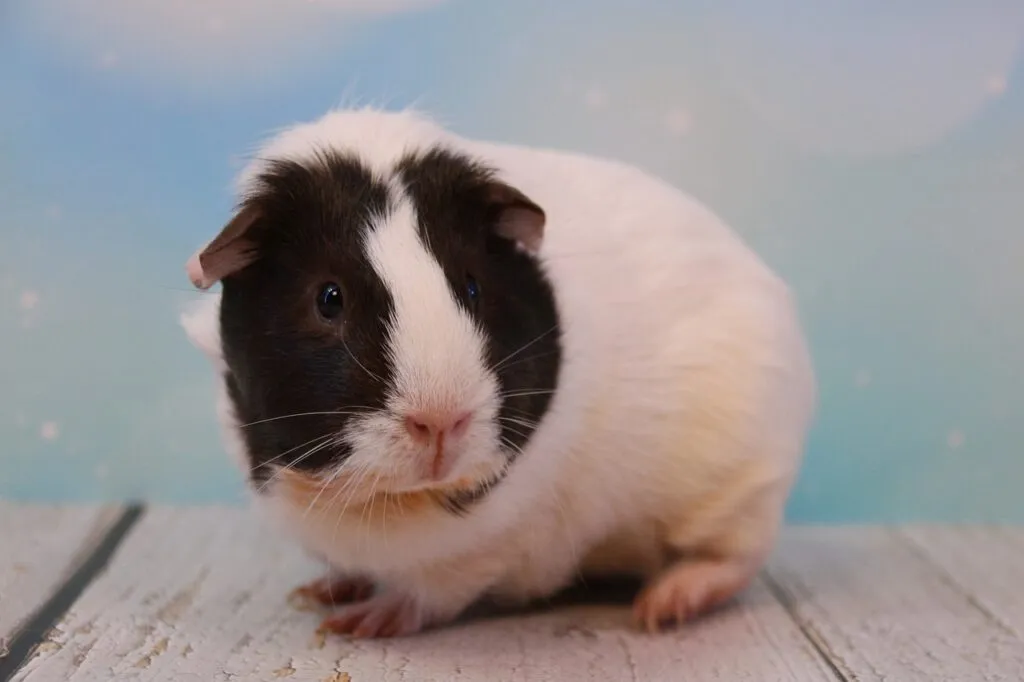
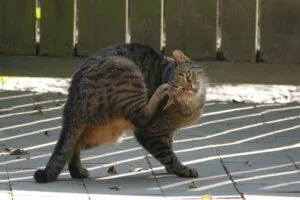 Guinea pigs get fleas by simply walking around in a flea-infested area in your backyard or garden. They can also get them indoors by coming into contact with other animals carrying fleas, such as cats and dogs.
It’s best to keep your guinea pigs away from other animals, regardless of how well they might get along with your dogs and cats. When dealing with fleas, make sure to thoroughly examine all your pets and take preventive measures as much as you can.
What Are Fleas?
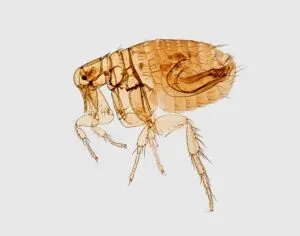 It’s easy to identify these tiny parasites when you see even a single flea. They look easy to get rid of, but that’s not always the case because sometimes you just can’t notice them on your pet.
If you think your guinea pig has fleas, look for a few telltale signs. Your pet may scratch a lot, and the irritated skin will look very red.
Excessive scratching can cause hair loss and create wounds that can become seriously infected if the flea problem stays untreated. These small crawling bugs hide in your guinea pig’s hair and attach deep to the skin.
A flea can be very small, barely as big as the tip of a pointed paintbrush.
Fleas are dark, either black or brown, with a flat body and a hard shell for protection. These features make them quite difficult to remove.
Although fleas don’t have wings, they’re great jumpers. This allows them to hop onto other pets and guinea pigs easily across great distances.
What makes fleas even more annoying is that they reproduce at a rapid pace. This is the main reason why simply killing a few often won’t help in getting rid of them entirely.
Flea bites can cause skin damage from vigorous itching and scratching, which opens the door for infections. Flea dirt may appear as small black spots, but it’s actually dark red.
Flea dirt is made of dried blood that fleas sucked from your guinea pig’s skin.
It’s not only a sure sign of flea presence but can also irritate your pet’s skin. If a guinea pig has fleas, they’re at greater risk of developing dermatitis and anemia.
Pets with untreated fleas carry a big risk to both themselves and people. Once fleas get into your home, they can be anywhere.
Flea eggs can reside in your carpets and your guinea pig’s bedding.
Fleas are particularly bothersome because they can be transmitted through contact with eggs and larvae. Flea eggs and larvae can also spread through bedding, carpeting, clothing, and even people who’ve touched an infested animal.
Grass areas can also be flea-infested. If you let your guinea pigs roam in the garden, fleas can cling onto your guinea pig’s coat easily, even with a slight brush of wind among the grass.
People can also be at fault, as they can carry fleas too. Guinea pigs get fleas even from people who become flea carriers by petting an infected animal and passing it on to their other pets.
How to Spot Fleas on Guinea Pigs
Guinea pigs pick up fleas outdoors while roaming, and fleas may leave debris. Spotting fleas can be relatively easy since they’re visible with the naked eye.
A clear indication of a flea infestation is excessive scratching. You’ll need to immediately check your pet’s fur for black spots or bites on the skin.
Identifying flea bites is fairly straightforward. These bites look like a small red bump and may come in pairs or groups.
Some bite marks can also have a red circle around them.
Since flea bites are incredibly uncomfortable for your pet, start treating the fleas before they can cause any form of rash.
Preventive Measures
Hygiene is a priority for flea prevention. Getting rid of fleas is a continuous cycle of diligence, not just a one-time routine.
Understanding how guinea pigs get fleas and how to treat them is the first step toward keeping your home flea-free.
Regularly Wash Your Hands
Keep your hands clean before handling your guinea pigs. That’s the first and most important step in preventing flea infestation.
People usually wash their hands just after handling guinea pigs and neglect the health risks that unwashed hands pose to their pets beforehand.
Don’t Take Your Guinea Pig Outdoors
Giving your guinea pig the chance to roam outdoors may seem like a good idea. However, new crawling friends might end up in your guinea pig’s hair.
While letting your guinea pig enjoy time outside, remember that treating fleas also requires patience and effort.
Regularly Check Your Guinea Pig for Fleas
Even if your little friend isn’t itching as much as expected during an infestation, it’s always best to check your guinea pig’s fur and skin daily. Regular checks help you identify flea bites before your pet starts scratching too much and developing skin problems.
Keep a Clean Environment for Your Guinea Pig
Keep your pet’s cage and your own living space clean. Start by regularly changing the cage bedding.
Remove old bedding to prevent infestations and infections.
This also prevents fleas from populating the area and spreading throughout the cage. A clean environment doesn’t necessarily protect your guinea pig from all infections, but it significantly reduces serious health issues that invite parasitic problems.
Keeping your entire home clean makes it a much healthier and more comfortable living space for you, your guinea pigs, and other pets.
Preventive Measures on Other Household Pets
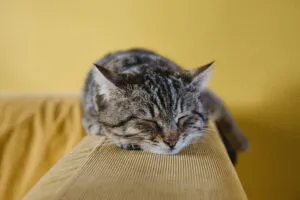 If you have other pets in your home, applying the necessary preventive measures helps solve the flea problem. Preventative treatments such as flea collars, baths, and routine check-ups of your other pets improve the overall health and environment of your home.
Currently, spot-on treatments aren’t available for guinea pigs.
How to Treat Fleas on Guinea Pigs
Finding fleas on your pet can be alarming at first. But once you’ve gotten the hang of removing them, you’ll be able to keep your guinea pig clean and happy like a pro.
You’ve got two main goals. First, eliminate fleas for good.
Second, prevent fleas from ever showing up again.
If your guinea pig has fleas, killing them can be done with a bath. Shampoos aren’t the main weapon against fleas, but the water provides the largest impact in making sure these annoying crawlers drown.
Unfortunately, bathing can be very stressful for your pet. You’ll need to be extremely gentle and keep the bath session short and efficient.
A shallow bowl filled with warm water will be a sufficient bathing space. Then pick up your pet with a gentle grasp and begin bathing.
The key is to be gentle yet firm with your guinea pig as much as possible.
It may take some time to spot them and get rid of them completely. It may take some searching through the fur to find lice.
They’ll most likely be concentrated on the back and neck, the only place guinea pigs can’t reach.
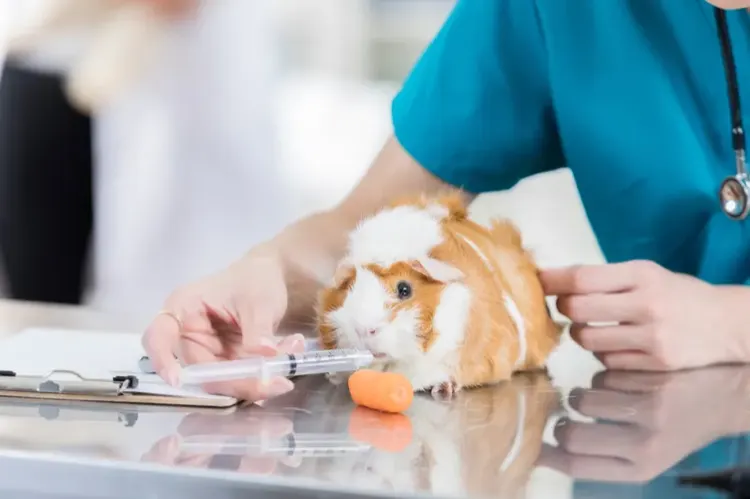
Contact your vet as soon as your guinea pig gets lice. The vet will provide the necessary information to solve the problem.
Choosing the Right Shampoos
When bathing your guinea pig with flea shampoo, never use shampoos made for humans. Human shampoo will greatly irritate your guinea pig’s skin and eyes.
In an emergency, natural baby shampoos with herbal qualities can be used as a substitute. But it’s best to check with a veterinarian before applying such treatments.
Shampoos containing compounds like pyrethrins are effective in treating fleas in cats, dogs, and guinea pigs. Pyrethrin is a natural ingredient extracted from chrysanthemum flowers.
Here are the top guinea pig shampoos:
[amazon box=“B0036I2FM4, B0002IEYIE, B000A3W0MS” template=“box”]
Always make sure water stays away from your guinea pig’s eyes and ears. Wash their body slowly and gently.
A good tip is to bathe your pet somewhere close to the ground. If they hop out of the bowl from stress, they won’t hurt themselves from any impact.
Remember, flea baths aren’t meant to be quick. You want the fleas to drown in the water.
Flea shampoo helps collect the fleas together so they drop easily into the water away from the hair.
Before placing your clean guinea pig back in its living space, clean the cage and change the bedding to ensure no fleas remain in the area.
Final Thoughts
Flea infestations are a serious issue that’s best prevented before it starts. Fleas can come from anywhere, including other pets, outdoor areas, and even people.
Follow all preventive measures to keep your entire home flea-free. Regularly check your dogs, cats, and any other animals you’re housing.
Guinea pigs can get fleas from other pets, and from humans. Make sure to wash your hands both before and after handling your guinea pigs every time.
Frequently Asked Questions
It's unlikely but possible. Fleas don't typically live in dried hay, but if hay was stored near infested animals, flea eggs or larvae could hitch a ride. Always buy hay from reputable suppliers and store it in a clean, sealed container to minimize any risk.
With consistent treatment, you can eliminate active fleas within one to two weeks. However, flea eggs in your home can hatch for several weeks afterward. You'll need to clean bedding, carpets, and the cage repeatedly during that time to break the cycle.
Never use dog or cat flea products on guinea pigs without veterinary approval. Many contain chemicals like fipronil or permethrin that are toxic to small animals. Always choose products specifically labeled for guinea pigs or ask your vet for safe alternatives.
Indoor guinea pigs still need flea prevention if other pets in your home go outside. Dogs and cats can bring fleas indoors on their fur. Regular cage cleaning, hand washing before handling, and checking your pig's skin weekly are all simple preventive steps.