
Your guinea pig won’t stop scratching, and now bald patches are appearing. That’s a classic sign of ringworm, a fungal infection caused by dermatophytes that thrive in warm, moist conditions.
Despite the name, no actual worm is involved.
Ringworm is treatable, and catching it early makes a big difference. Below you’ll find the symptoms to look for, how vets treat it, and what you can do to stop it from spreading.
What Is Ringworm In Guinea Pigs?
Ringworm, also known as dermatophytosis, is a common skin infection in guinea pigs and other animals. A fungus called dermatophyte causes it, and it loves warm, moist environments.
The infection jumps between guinea pigs fast. If you think your piggy has ringworm, get to the vet right away.
How Do Guinea Pigs Get Ringworm?
Most people associate ringworm with cats and dogs, but it can affect any animal with fur. The fungus spreads through direct contact with an infected animal or through contaminated bedding, cages, or other materials.
It can even travel through the air. Once your pet comes into contact with it, symptoms can show up within a few days.
The good news? It’s highly treatable with proper care.
Symptoms Of Ringworm In Guinea Pigs
The most common symptoms are bald patches on the fur. They may be circular or have irregular edges and can appear on any part of the body.
Other symptoms include:
- Itching
- Redness or inflammation of the skin
- Scaling or crusting of the skin
- Skin lesions or sores
If you notice any of these, take your guinea pig to the vet for diagnosis and treatment.
How Is Ringworm Treated?
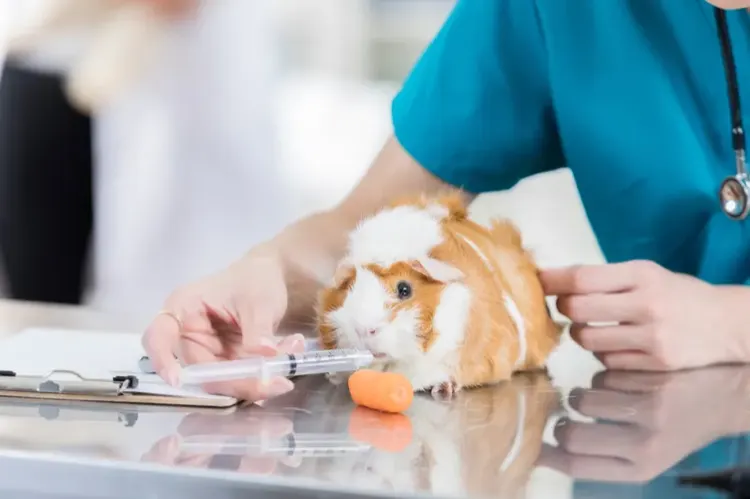
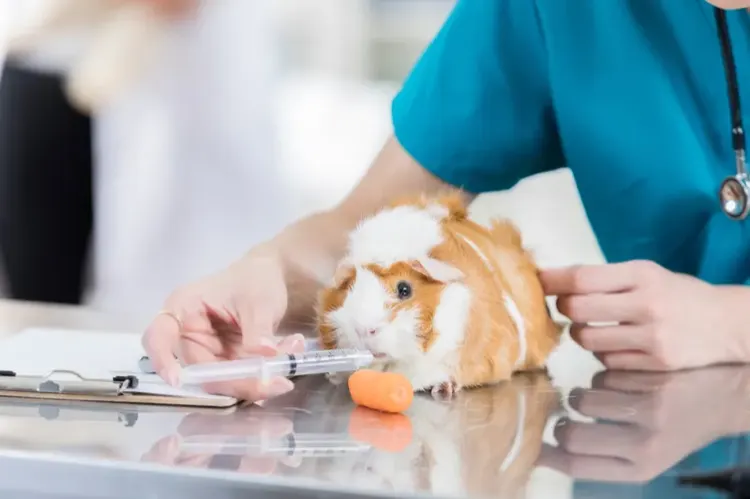
Your vet will likely prescribe oral medication that your guinea pig takes for several weeks. They may also prescribe an antifungal cream or shampoo to apply directly to the skin.
Expect the vet to recommend isolating your guinea pig from other pets to stop the infection from spreading. You’ll also need to clean the cage and bedding regularly, washing everything in hot water and bleach.
Stick to the instructions carefully. If nothing improves after a few weeks, follow up with your vet.
How To Prevent The Infection From Spreading
If you think your pet has ringworm, get to the vet immediately. The sooner treatment starts, the better.
In the meantime, take these precautions:
- Isolate your guinea pig from other pets
- Clean the cage and bedding regularly
- Don’t share brushes or grooming tools between animals
- Wash your hands after handling your guinea pig
- Make sure other pets are up to date on vaccinations
These steps help keep everyone in the household healthy while your piggy recovers.
When Will Your Guinea Pig’s Skin Return To Normal?
With proper treatment, your guinea pig’s skin should start improving within a few weeks. Bald patches will fill in with new fur, and other symptoms should fade.
If you don’t see improvement after a few weeks of treatment, check in with your vet again. Some infections need a longer treatment course or a different medication.
Watch for signs of hair loss in other areas that might signal the infection spreading.
Can Guinea Pigs Die From Ringworm?
Ringworm isn’t typically fatal, but untreated infections can lead to serious complications. These include dehydration, weight loss, and secondary infections.
In severe cases, untreated ringworm can be fatal. That’s why early treatment matters so much.
Most guinea pigs make a full recovery with proper care.
How To Prevent Ringworm
Start with an anti-fungal shampoo used every two weeks. Keep the cage clean by washing it weekly and disinfecting it monthly.
Remove soiled or wet bedding right away.
Trim your guinea pig’s nails short to prevent scratching that spreads the fungus. Avoid letting your piggy get too hot or too cold, since temperature extremes make them more vulnerable.
Provide plenty of ventilation to keep skin dry. The fungus thrives in moist conditions, so a well-ventilated space helps prevent growth.
Keep an eye on your guinea pig’s skin condition to catch problems early.
Is Guinea Pig Ringworm Dangerous For Humans?
Guinea pig ringworm isn’t dangerous for most humans. The fungus can cause infections in people with weakened immune systems, though.
If you’ve got a compromised immune system, wear gloves when handling an infected guinea pig and wash your hands thoroughly afterward. Don’t share brushes, combs, or other personal items with your pet.
If you think you’ve been exposed, contact your doctor for treatment.
Home Treatment vs. Vet Visit
Minor ringworm cases with one or two small patches can sometimes be managed at home. Larger infections, patches near the eyes, or cases where your guinea pig seems lethargic or in pain always need a vet.
Home Treatment Protocol
For small, isolated patches, pick up an over-the-counter antifungal cream containing miconazole or clotrimazole from a pharmacy. These are the same active ingredients vets prescribe, just in topical form.
Apply a thin layer to the affected area twice daily using a cotton swab. Gently work the cream into the edges of the bald patch where the fungus is actively spreading.
Wear disposable gloves during every application. Wash your hands thoroughly afterward even with gloves on.
Continue treatment for at least two weeks after the patch looks clear. Ringworm fungus survives below the skin surface, and stopping early almost guarantees it comes back.
Clean the cage thoroughly every two to three days during treatment. Wash all fleece, bedding, and fabric accessories in hot water with a splash of white vinegar.
When You Need the Vet
See a vet immediately if the bald patches are growing rapidly or appearing in new locations. Multiple patches spreading within days means the infection is too aggressive for topical treatment alone.
A vet visit is also necessary if the skin looks raw, oozing, or deeply crusted. Secondary bacterial infections can develop on top of ringworm, and those need antibiotics alongside antifungal medication. A raised, firm swelling in one spot points to a sealed pocket of pus rather than a spreading fungal patch.
Guinea pigs that stop eating, lose weight, or seem unusually quiet during a ringworm outbreak need professional care right away. These are signs the infection is causing systemic stress that home treatment can’t address.
Your vet will likely prescribe oral antifungal medication like itraconazole or terbinafine for moderate to severe cases. Oral medication fights the fungus from the inside out and is far more effective than creams alone for widespread infections.
Final Thoughts
Ringworm sounds scary, but it’s one of the more treatable conditions your guinea pig can face. The key is catching it early before it spreads to other areas or other animals in your home.
Keep the cage clean, use antifungal shampoo as a preventive measure, and get to the vet at the first sign of bald patches or unusual scratching. With consistent treatment, your piggy will be back to normal in a few weeks.
References
- https://www.vetlexicon.com/treat/exotis/guinea-pigs/diseases/dermatophytosis
- https://www.sciencedirect.com/science/article/abs/pii/S1055937X00800067
- https://www.petmd.com/exotic/conditions/skin/c_ex_gp_ringworm_infection
- https://www.merckvetmanual.com/all-other-pets/guinea-pigs/disorders-and-diseases-of-guinea-pigs
Frequently Asked Questions
Ringworm symptoms typically appear within a few days to three weeks after exposure to the fungus. The timeline depends on your guinea pig's immune system strength and how much fungal contact occurred. Young, stressed, or immunocompromised guinea pigs tend to develop visible symptoms faster than healthy adults with strong defenses.
Treatment usually takes four to six weeks of consistent antifungal medication, though severe infections can take longer. Don't stop treatment early even if symptoms disappear, because the fungus can still be active beneath the skin surface. Your vet will confirm when it's safe to discontinue the medication.
Guinea pig ringworm won't resolve without treatment. Left alone, it spreads to more of your guinea pig's body and can infect other pets and household members. Early veterinary intervention prevents the infection from becoming severe and reduces the total treatment time and cost significantly.
Ringworm most commonly appears on the face, ears, and legs of guinea pigs, though it can develop anywhere on the body. Look for circular bald patches with crusty or scaly edges as the hallmark sign. The dandruff-like flaking around affected areas is another telltale indicator of fungal infection.