
You’re sneezing every time you open a bag of timothy hay, but your guinea pig still needs to eat it daily. That’s a tough spot.
Timothy hay is the biggest allergy trigger for guinea pig owners. The dust and fine particles can cause itchy eyes, runny noses, and even breathing problems.
Your guinea pig can react to it too.
Low-dust hay products and alternative hay types like orchard grass can reduce or eliminate these reactions. You don’t have to choose between your health and your piggy’s diet.
We’ve reviewed 10 hay products that help keep allergies under control for both you and your guinea pig.
Quick Comparison Chart
| # | Product | Our Rating | ||
|---|---|---|---|---|
| 1 |  |
Kaytee Wafer Cut Timothy Hay | ★★★★★ | Check Price |
| 2 |  |
Oxbow Oat Hay | ★★★★☆ | Check Price |
| 3 |  |
Ohcool Premium Oat Hay | ★★★★☆ | Check Price |
| 4 |  |
Blue Mountain Hay Organic Oat Hay | ★★★★☆ | Check Price |
| 5 |  |
Oxbow Orchard Grass Hay | ★★★★☆ | Check Price |
| 6 | 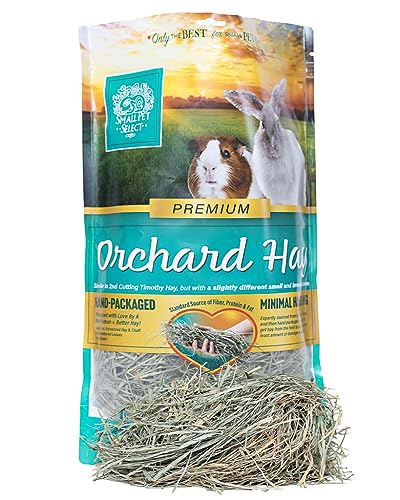 |
Small Pet Select Orchard Grass Hay | ★★★★☆ | Check Price |
| 7 |  |
Vitakraft Timothy Hay 10 lb | ★★★★☆ | Check Price |
| 8 |  |
Kaytee Timothy Hay Blend Cubes | ★★★★☆ | Check Price |
| 9 |  |
Standlee Premium Timothy Grass | ★★★★☆ | Check Price |
| 10 |  |
Vitakraft Timothy Hay 3.5 lb | ★★★★☆ | Check Price |
10 Best Guinea Pig Hay Products For Allergies
Most people are allergic to timothy hay dust rather than the hay itself. Switching to wafer-cut, cube, or pre-portioned formats can drastically cut down on airborne particles.
Alternative hay types like oat hay and orchard grass trigger fewer reactions for many owners. We’ve included both low-dust timothy options and genuine timothy alternatives below.
1. Kaytee Wafer Cut Timothy Hay
Kaytee Wafer Cut Timothy Hay
A wafer-cut timothy hay that peels off in layers, reducing mess and dust while providing hand-selected long fiber strands for your piggy.
Pros
- Wafer cut peels off in neat layers
- Hand-selected for proper leaf-to-stem ratio
- Grown without pesticides or preservatives
- High fiber supports digestive health
- Less mess than traditional loose hay
Cons
- Only available in one large size
- Wafer slices can crumble during shipping
- Still timothy, so allergy-prone owners beware
The Kaytee Wafer Cut takes our top spot because the layered format is a game-changer for allergy sufferers. Instead of reaching into a bag of loose hay and sending dust clouds everywhere, you peel off clean wafer slices with minimal airborne particles.
Kaytee hand-selects this hay for proper leaf-to-stem ratio, and it’s grown without pesticides or preservatives. It’s still timothy hay at the end of the day, so it won’t eliminate a true timothy allergy, but the wafer format dramatically reduces the dust that triggers most reactions.
2. Oxbow Oat Hay
Oxbow Oat Hay
A sweet-smelling, hand-sorted oat hay grown in the USA that gives allergy-prone owners a high-fiber alternative to timothy.
Pros
- Oat hay triggers fewer allergies than timothy
- Hand-sorted with no artificial additives
- Crunchy texture pets love eating
- Widely used as a timothy hay alternative
- Proudly grown in USA climates
Cons
- Shouldn't replace timothy hay entirely
- 15 oz bag runs out quickly
- Some piggies may refuse the flavor
Oxbow’s Oat Hay is one of the best options if you’re allergic to timothy itself rather than just the dust. Oat hay is a completely different grass species, so many owners who can’t handle timothy find they tolerate this one just fine.
The crunchy texture and sweet smell make it a hit with most guinea pigs. Oxbow hand-sorts every batch and adds zero artificial colors, flavors, or preservatives, which keeps the overall dust and allergen load low.
3. Ohcool Premium Oat Hay
Ohcool Premium Oat Hay
A chemical-free oat hay from an organic ranch, harvested before the oat develops into seed for maximum nutrition and minimal dust.
Pros
- Zero chemicals used in growing process
- Harvested before oat seeds develop
- Rich in vitamins and dietary fiber
- Promotes healthy teeth through chewing
- Two individual bags for easy storage
Cons
- 2.2 lbs total is a small quantity
- Lesser-known brand than Oxbow or Kaytee
Ohcool’s oat hay stands out because it’s harvested before the oat develops into a seed, which means fewer irritating particles in the bag. The company claims zero chemicals are ever used, and the hay comes from an organic ranch.
The two-pack format (two 1.1 lb bags) is convenient for storage and keeps the second bag sealed until you need it. It’s a smaller brand, but owners who’ve tried it report noticeably less sneezing compared to loose timothy hay.
4. Blue Mountain Hay Organic Oat Hay
Blue Mountain Hay Organic Oat Hay
A USDA organic oat hay grown at high altitude in the Pacific Northwest, free from GMOs, antibiotics, and toxic chemicals.
Pros
- USDA organic certification for peace of mind
- High altitude preserves freshness and nutrients
- No GMOs, antibiotics, or toxic chemicals
- Coarse texture supports natural dental wear
- Mixes well with other hay varieties
Cons
- 15 oz bag is small for daily feeding
- Premium organic hay costs more
- Availability can be inconsistent online
Blue Mountain Hay is the only product on this list with an actual USDA organic certification, which matters if you want absolute assurance that no chemicals touched your piggy’s food. The high-altitude growing conditions in the Pacific Northwest help preserve the hay’s natural aroma and nutrient content.
The coarse texture encourages proper chewing, which supports dental wear alongside digestive health. You can serve it alone or mix it with timothy hay from other brands to create a varied, lower-allergen rotation for your guinea pig.
5. Oxbow Orchard Grass Hay
Oxbow Orchard Grass Hay
A soft-textured, naturally sweet orchard grass hay from Oxbow's family farms that many allergy sufferers tolerate better than timothy.
Pros
- Orchard grass is gentler on allergies
- Soft texture appeals to picky eaters
- High fiber supports digestion and dental health
- Harvested fresh from family-owned farms
- 40 oz bag lasts longer than competitors
Cons
- Softer hay means less dental wear
- Sweet flavor can make piggies reject timothy
Oxbow’s Orchard Grass Hay is the go-to recommendation for guinea pig owners who can’t tolerate timothy. Orchard grass is a different species entirely, so many people who sneeze around timothy find they have zero reaction to this one.
The soft texture and naturally sweet flavor make it a favorite among picky guinea pigs. The 40 oz bag is generous compared to most competitors, and Oxbow’s family-farm sourcing means consistent quality batch after batch.
6. Small Pet Select Orchard Grass Hay
Small Pet Select Orchard Grass Hay
A hand-packed, US-grown orchard grass hay specifically designed for owners with timothy allergies who still want quality nutrition.
Pros
- Designed specifically for allergy-prone owners
- Hand-packed in small batches for quality
- Low dust with minimal stem and seed
- Earth-friendly packaging protects hay integrity
- 100% satisfaction guarantee included
Cons
- 12 oz bag is quite small
- Orchard grass alone isn't nutritionally complete
- Soft texture won't trim teeth as well
Small Pet Select built this product specifically for owners with timothy allergies, and they say so right on the packaging. The hay is hand-packed in small batches without compression, which preserves quality and keeps dust levels noticeably low.
Their earth-friendly packaging doesn’t crush the hay like some competitors do, so you get more intact strands and fewer crumbly bits floating around. The 100% satisfaction guarantee is a nice safety net if your piggy turns out to be a picky eater.
7. Vitakraft Timothy Hay 10 lb
Vitakraft Timothy Hay 10 lb
A 10-pound box of sun-cured timothy hay sliced into individual mini bales for easier portioning and less mess.
Pros
- Pre-sliced mini bales reduce loose dust
- 10 lbs provides excellent long-term value
- No pesticides, preservatives, or artificial colors
- Compressed and banded to stay fresh
- Long fibers support dental health
Cons
- Still timothy hay, not an alternative type
- Large box needs dedicated storage space
- Compression can flatten some strands
Vitakraft’s 10 lb box is the best bulk option for owners whose allergies are triggered by dust rather than timothy itself. The hay comes pre-sliced into individual mini bales, so you pull out one portion at a time instead of digging through a loose bag and kicking up particles.
Each bale is tightly compressed and banded to block UV light, which keeps the hay greener and more flavorful over time. It’s 100% sun-cured with no pesticides, no preservatives, and no artificial colors, making it one of the cleaner timothy products on the market.
8. Kaytee Timothy Hay Blend Cubes
Kaytee Timothy Hay Blend Cubes
A blend of sun-cured timothy and alfalfa hay compressed into cubes, reducing loose dust while encouraging natural chewing activity.
Pros
- Cube format creates far less airborne dust
- Blend of timothy and alfalfa in one
- High fiber supports healthy digestion
- Encourages natural chewing and foraging
- Grown in the USA by Kaytee experts
Cons
- Contains alfalfa, not ideal for all adults
- 1 lb bag is very small
- Cubes can be hard for some piggies
Hay cubes are one of the best-kept secrets for allergy-prone guinea pig owners. The compressed cube format produces dramatically less airborne dust than any loose hay, so you can handle them without the usual sneezing and eye irritation.
These cubes blend timothy and alfalfa, which means they aren’t ideal as the sole food source for healthy adult piggies since alfalfa is higher in calcium. They work best as a supplement alongside loose hay, giving you a low-dust option to place in your guinea pig’s hay rack between full feedings.
9. Standlee Premium Timothy Grass
Standlee Premium Timothy Grass
A 25-pound box of naturally sun-cured western timothy grass forage with a resealable design to keep hay fresh and dry.
Pros
- 25 lbs is the best value per pound
- Naturally sun-cured without chemicals
- Resealable box keeps hay fresh longer
- Long stems promote chewing and foraging
- Recommended for multiple small pet species
Cons
- Massive box needs significant storage space
- Long-stem loose hay can still be dusty
- Not an alternative hay for allergy sufferers
Standlee’s 25-pound box is the most economical choice if you’ve got the storage space for it. The resealable design keeps the hay dry and free from contamination, which helps prevent mold and the extra allergens that come with it.
It’s standard timothy grass forage, so it won’t help if you’re allergic to timothy itself. But the box format means you’re not ripping open flimsy bags and scattering dust everywhere, and the long stems are excellent for promoting natural chewing and foraging behavior.
10. Vitakraft Timothy Hay 3.5 lb
Vitakraft Timothy Hay 3.5 lb
A 3.5-pound bag of sun-cured timothy hay in pre-portioned mini bale slices, perfect for testing whether this format reduces your symptoms.
Pros
- Smaller bag is great for allergy testing
- Mini bale slices mean less loose dust
- 100% sun-cured with no artificial additives
- UV-protected packaging keeps hay green
- High fiber and low protein balance
Cons
- 3.5 lbs won't last long with daily feeding
- Same timothy formula as the 10 lb version
This is the same great Vitakraft timothy hay as the 10 lb version, just in a smaller 3.5-pound bag. It’s the perfect size if you want to test whether pre-portioned mini bales actually reduce your allergy symptoms before committing to a bigger purchase.
The UV-protected, compressed packaging keeps the hay greener and more flavorful than typical bag formats. If you find it works for you, you can confidently upgrade to the 10 lb box knowing your piggies already approve of the taste and texture.
How to Deal with Hay Allergies?
Although resilient, guinea pigs can also have allergies that occur because of hay dust, dust in bedding, and environmental factors and are unrelated to the type of hay.
Sometimes, they’re allergic to certain types of foods such as vegetables or pellets.
On the other hand, people can be allergic to a particular type of hay as well as hay dust that’s both touch and airborne.
Usually, allergic reactions include swollen eyes, runny nose, wheezing, and sneezing.
You can be allergic to timothy hay but have a better tolerance to orchard grass hay, meadow grass, bluegrass, and Bermuda hay.
Still, as you’re reading this article, you’re looking for the best solution as you want to keep your guinea pigs and care for them.
What are the Types of Guinea Pig Hay?
Your guinea pig’s diet is very limited. It seems like your pet should have the choice to feed on quality hay especially since not every type of hay can be fed to guinea pigs.
Many pet owners opt for meadow and orchard grass hay, which seems to cause milder allergic reactions or none at all.
focus on timothy, alfalfa, soft orchard grass hay, Bermuda, and meadow hay, although some guinea pig pet owners also feed their pets with pellets that contain different types of hay such as oats hay and alfalfa.
It’s important to note it would be best for your guinea pigs to have unlimited supplies of timothy hay, which is the best source of fiber.
Timothy Hay
It’s a crucial part of guinea pigs’ diet. The right amount of fiber, fat, and protein maintain your pet’s digestive health and prevent dental health problems.
A package of timothy hay contains the stem, leaf, and seed head of Timothy-grass. Vitamins and minerals from the leaves are vital for your guinea pigs’ wellbeing while the stem keeps their teeth trimmed.
You might consider replacing timothy with orchard grass hay as their nutritional value is very similar (orchard grass is lower in protein compared to timothy hay).
Alfalfa Hay
Unlike other types of hay on this list, which are grass hays, alfalfa hay is legume hay.
Alfalfa is lower in fiber but higher in calories, calcium, and protein, which leads to urinary stones and obesity among adult guinea pigs.
While alfalfa is good for sick, nursing, and baby guinea pigs, as it provides them with extra nutrients, healthy guinea pigs shouldn’t be fed with this type of hay.
Therefore, always consult a vet before feeding your adult guinea pig with alfalfa.
Orchard Hay
Orchard hay is a good option for people allergic to timothy hay or for those who want to introduce variety into their pet’s diet.
Many guinea pigs love soft orchard grass more than timothy hay because it has a sweeter smell and a softer texture.
Thus, soft orchard grass hay for guinea pigs is a great choice for those guinea pigs who suffer from mouth pain.
However, don’t forget that you need to encourage your guinea pig’s chewing behavior to maintain dental health and keep their teeth trimmed.
Soft orchard grass hay is much easier to munch on compared to timothy hay, for which you’ll need to provide your guinea pigs with pellets and treats that encourage their foraging habits.
Meadow Hay
Meadow hay is inconsistent in the content of grass, leaves, flowers, and seed heads from the meadow and isn’t commonly used to feed guinea pigs.
Besides, meadow hay is a type of hay that’s higher in fiber, fat, and protein than any other type of hay (except alfalfa), which is the reason why you shouldn’t feed your guinea pigs with this type of hay regularly but only occasionally in very small amounts.
Nonetheless, flower stems and grass present in the meadow hay make it more suitable for guinea pig’s forage habits.
Bermuda Hay
Bermuda Hay is a good and less expensive alternative to orchard grass and timothy hay as it’s a good source of fiber.
It’s commonly used for larger animals (horses).
While Bermuda hay has a reasonable amount of protein, it contains more calcium than timothy hay, which isn’t good for your guinea pig.
Therefore, Bermuda hay should also be given to your guinea pigs only in moderate amounts and occasionally.
How Do I Get Rid of My Guinea Pig Hay Allergies?
Unfortunately, there’s no solution to the problem of allergies.
As you can see, every type of hay has its benefits, but also reasons why you shouldn’t be feeding your guinea pig with it.
While soft orchard grass is good for your pet’s digestive system, it isn’t the best solution for your guinea pig’s dental health.
Nonetheless, you might try to alternate the type of hay your guinea pig will eat.
You could combine orchard grass hay with meadow hay, as well as pellets, fresh fruits, and vegetables to provide your guinea pig with all the needed nutrients.
Also, you can minimize or eliminate your allergy symptoms by wearing protective clothing, gloves, and face masks when feeding your guinea pigs and placing hay in their hay feeder.
Many guinea pig owners even opt for allergy shots and allergy medication to eliminate allergy symptoms.
Likewise, some people think that an air purifier is a way to go to remove the allergens from the air.
You can keep the air purifier in the same room where you have your guinea pig pet, or you can place it in your bedroom.
Here are a few tips to follow:
- Never keep your guinea pigs in the same room where you sleep and spend most of your day
- Make sure to vacuum-clean the area around your piggies and eliminate all the hay once a day from the floor, change their bedding regularly, and purchase timothy hay that’s dust-free as much as possible. Wear protective clothing while performing any of those activities
- Keep timothy hay in a flannel hay sack that’s easy to make
- Although keeping timothy hay in an airtight container seems like a good idea, don’t do it, as it encourages mold, which isn’t good for your pets
- When purchasing hay, make sure it’s free of dust and mold
- Feed your guinea pig with timothy hay blocks that contain long strands
What Can Replace Hay For Guinea Pigs?
Nothing can replace guinea pig hay.
Hay is an essential part of a guinea pig diet and guinea pigs need it in unlimited amounts!
Guinea pigs draw all of the vital nutrients from hay, leafy greens, flowers, and fruits, and leafy shrubs, which are all the foods they eat in the wild.
However, in captivity, guinea pig pets also eat fruits and vegetables to complement their natural diet and add the necessary amount of vitamin C.
Otherwise, you can feed your guinea pigs with pellets made from hay and (usually) dried fruits and vegetables.
Nonetheless, grass hay is a crucial dietary ingredient every guinea pig needs.
Guinea pig owners have to control the portions of pellets, vegetables, and fruits (especially fruits because they’re high in sugar), but they don’t have to control the amount of grass hay, which guinea pigs should have in unlimited amounts anyway.
Still, here it’s a good idea to mention timothy hay blocks, which some guinea pig owners claim is an excellent product to reduce the symptoms of guinea pig hay allergies.
You can easily place hay blocks into a hay feeder and your pets will have easy access to their main source of food.
Apparently, hay blocks don’t contain as much dust as a simple package of timothy grass hay, which should reduce your allergic reaction.
Likewise, dust-free hay will also eliminate your guinea pig’s allergic reactions.
Therefore, the best hay for guinea pigs is the one that doesn’t contain dust.
Can Guinea Pigs Be Allergic To Timothy Hay?
Nope. Guinea pigs aren’t allergic to timothy hay.
Many owners complain but their pets are allergic to timothy hay dust, not the hay itself.
If your guinea pig pet exhibits signs of an allergic reaction, such as a runny nose, make sure to consult your vet.
Although this article explains different types of hay and their benefits, advice from a professional vet who knows much about guinea pigs and their physiological functions is highly recommended.
What Hay Is Best For Allergies?
The best guinea pig hay for allergies doesn’t exist as there are different kinds of hay to which you can react.
While guinea pigs are mostly allergic to dust, people can be equally allergic to grass, hay, and dust.
Regardless of the cause, allergic reactions can be both mild and extreme (or even extremely dangerous).
Yet, despite many types of hay, a guinea pig can only eat a few.
You can replace regular timothy hay with cubes made from this type of hay, add orchard grass hay for variety, and encourage your pet’s chewing habits by adding a regular pellet meal and treats that will help your pet’s teeth remain healthy.
Or, similarly, you can use all the information provided here to ask your vet about the best options for your guinea pig’s daily diet and what mixture of different grass hay is best that you can easily buy at your local pet store or on Amazon.
Final Thoughts
A lot of people assume they’re allergic to hay itself, but in most cases the real culprit is the dust that comes off loose strands during handling. Switching the format often fixes the problem completely.
The Kaytee Wafer Cut Timothy Hay is our top pick for exactly that reason. The layered format lets you peel off clean slices without sending dust clouds into the air, making it the simplest change you can make.
If you’re allergic to timothy grass specifically and not just the dust, try Oxbow Oat Hay or one of the orchard grass options on this list. They’re entirely different grass species, and many owners find their symptoms disappear after switching.
Wearing a mask and gloves during cage cleaning, keeping the cage out of your bedroom, and running an air purifier nearby all help too. Your piggy still needs unlimited hay every day, so finding a format you can tolerate is the goal.