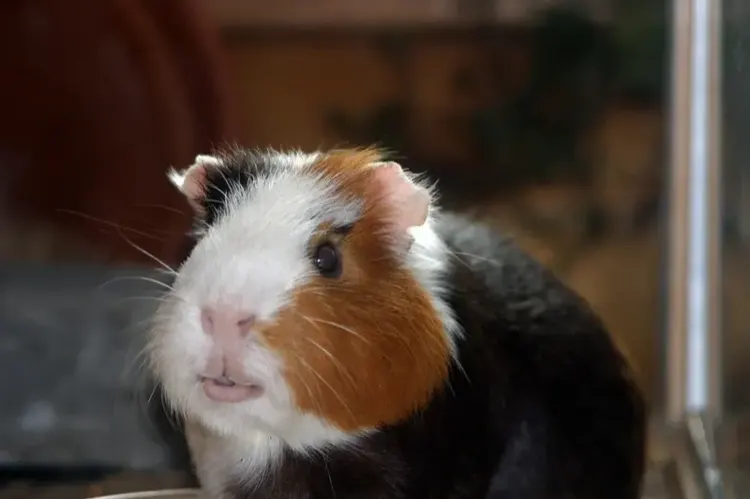

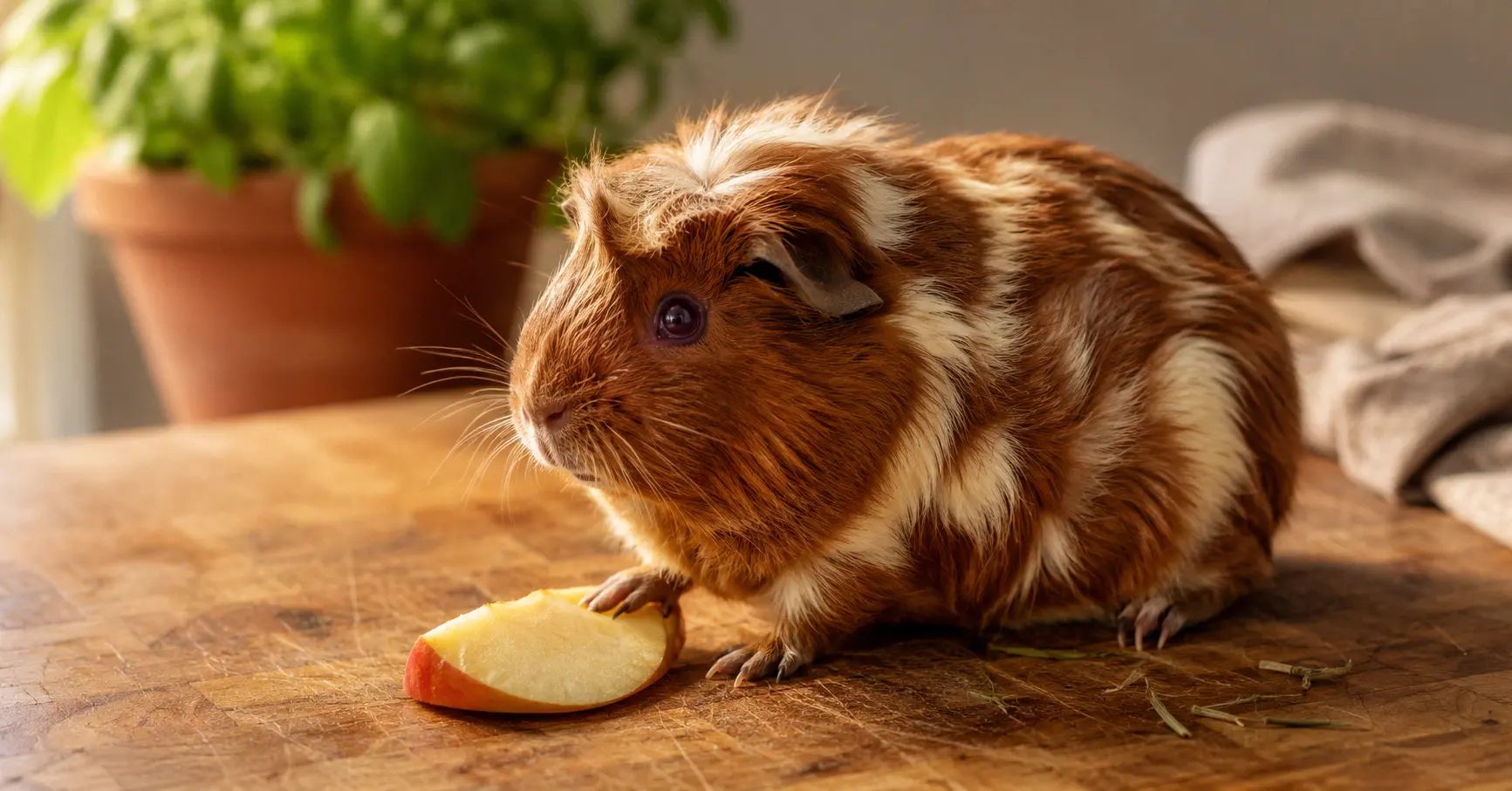
Apples are one of the most common fruits in any kitchen, which makes them a tempting snack to share with a pet guinea pig. But guinea pigs have a sensitive digestive system that handles sugar very differently than ours.
Feed the wrong amount or the wrong part, and you could be dealing with bloating, diarrhea, or worse. Below, we’ll cover which nutrients apples offer, which parts are safe, the right portion sizes, and what vets recommend for guinea pigs at every life stage.
Are Apples Safe for Guinea Pigs?
Yes, apples are a safe fruit for guinea pigs when served properly. The key is keeping portions small and preparation careful.
Apples are safe for guinea pigs when served raw, seedless, and in controlled portions. Both the flesh and skin contain vitamins and fiber that support overall health.
The real concern is sugar. A medium apple packs roughly 19 grams of it, and that’s a lot for an animal weighing between 700 and 1,200 grams.
Too much sugar throws off gut bacteria and contributes to obesity over time. It can also trigger gut dysbiosis, a condition where harmful microorganisms outnumber the beneficial ones in the intestinal tract.
Timothy hay should make up around 80% of a guinea pig’s daily diet, a guideline supported by the Merck Veterinary Manual. Fresh vegetables account for another 15%, and fruits like apples fit into the remaining 5% at most.
Nutritional Benefits of Apples for Guinea Pigs
Apples provide modest but meaningful nutrition for guinea pigs, especially vitamin C and dietary fiber.
Apples pack several nutrients that guinea pigs need, with vitamin C being the standout. Guinea pigs can’t produce their own vitamin C, so they rely entirely on food sources to keep scurvy at bay.
According to the USDA, here’s what 100 grams of raw apple with skin contains:
| Nutrient | Amount per 100g | Benefit for Guinea Pigs |
|---|---|---|
| Vitamin C | 4.6 mg | Prevents scurvy, supports immune function |
| Dietary Fiber | 2.4 g | Promotes healthy digestion |
| Potassium | 107 mg | Supports heart and muscle function |
| Vitamin B6 | 0.041 mg | Aids nervous system regulation |
| Quercetin (antioxidant) | Varies | Reduces inflammation, supports cell health |
| Iron | 0.12 mg | Maintains healthy blood cells |
| Magnesium | 5 mg | Supports bone density |
Quercetin, a flavonoid concentrated in apple skin, has notable anti-inflammatory properties. Studies link it to reduced oxidative stress and improved heart health in small mammals.
On top of that, apples contain trace amounts of phosphorus and B-complex vitamins. Even in small quantities, these support bone strength and energy metabolism.
How Much Apple Can a Guinea Pig Eat?
The right serving size is one to two half-inch cubes, offered once or twice a week at most.
A single serving should be one to two pieces, each roughly the size of a half-inch cube. That’s enough to add variety without overloading your guinea pig with fructose.
Stick to one or two servings per week, spaced at least three days apart. This gives the digestive system enough time to handle the sugar.
Baby guinea pigs under four months old have even more sensitive stomachs. Start with one tiny piece, about a quarter-inch cube, once a week and keep an eye out for soft stool or reduced appetite over the next 24 hours.
If your adult guinea pig hasn’t tried apples before, introduce them slowly. Offer one small piece, wait a full day, and only bump up the portion if there’s no digestive upset.
Can Guinea Pigs Eat Apple Skin?
Yes, apple skin is safe and actually more nutritious than the flesh alone. It carries a higher concentration of fiber, potassium, and the antioxidant quercetin.
Fiber from the skin helps regulate digestion and keeps guinea pigs from overeating. That’s worth noting since guinea pigs are natural grazers who tend to munch more than they should.
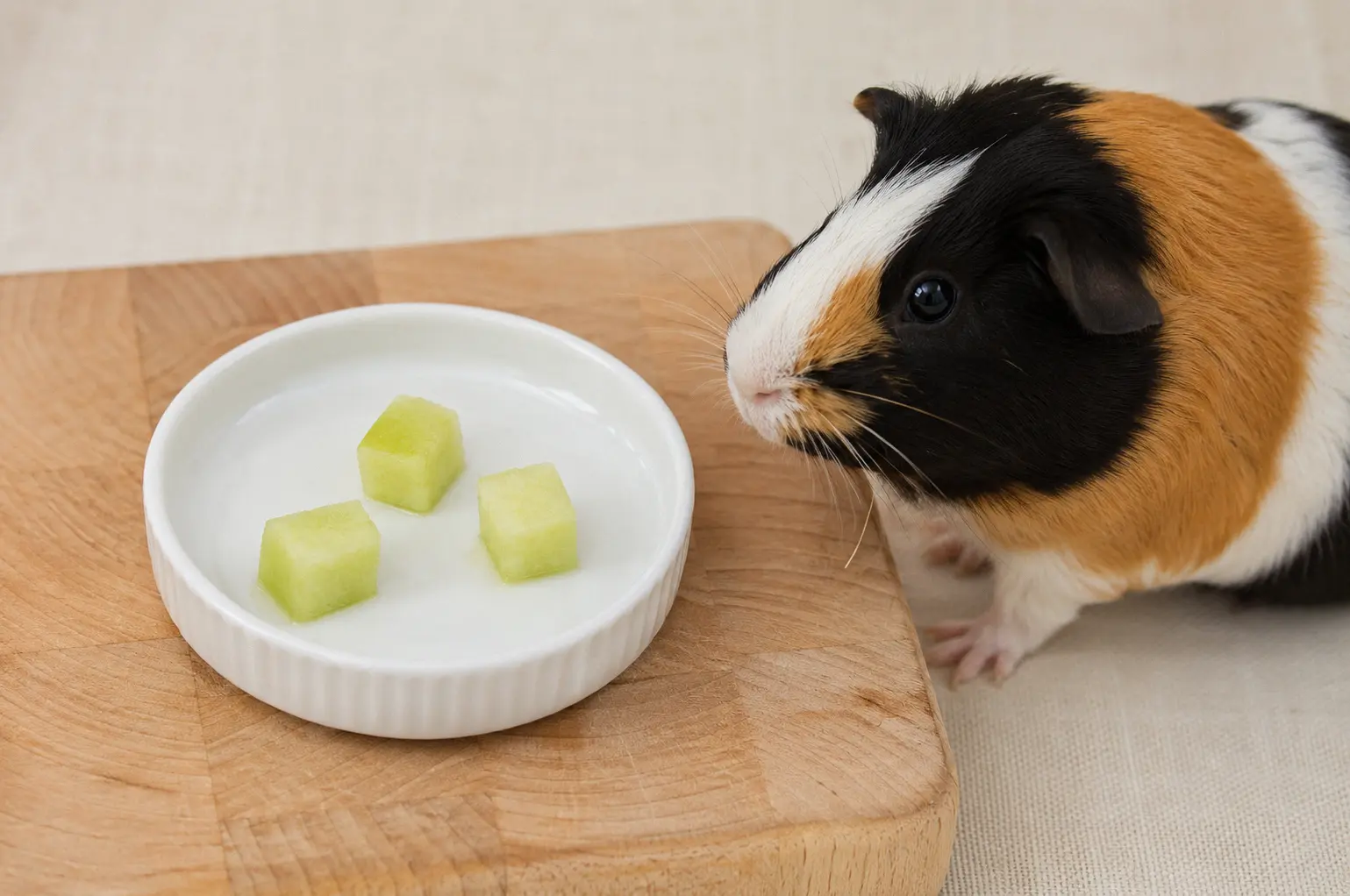
The big thing here is washing. Conventional apples often carry pesticide residue on the surface, and that can seriously harm a guinea pig’s small body.
Rinse under running water for at least 30 seconds, or grab a produce wash designed to strip chemical residue. Organic apples are a safer bet, though they still need a good rinse.
Some guinea pigs just don’t like the texture of apple skin. If yours refuses slices with skin on, peeling works, but you’ll lose much of the fiber and antioxidant content.
Can Guinea Pigs Eat Apple Seeds or Cores?
No. Apple seeds and cores should never be fed to guinea pigs. Seeds contain amygdalin, which releases hydrogen cyanide when chewed, and the core is a choking hazard.
Each seed contains amygdalin, a naturally occurring compound that breaks down into hydrogen cyanide when it’s crushed or chewed. Amygdalin is found in the seeds of many fruits in the Rosaceae family, including apples, pears, and cherries.
One seed probably won’t cause serious harm since the cyanide amount is extremely small. But guinea pigs weigh so little that even minor exposure carries far more risk than it would for a human.
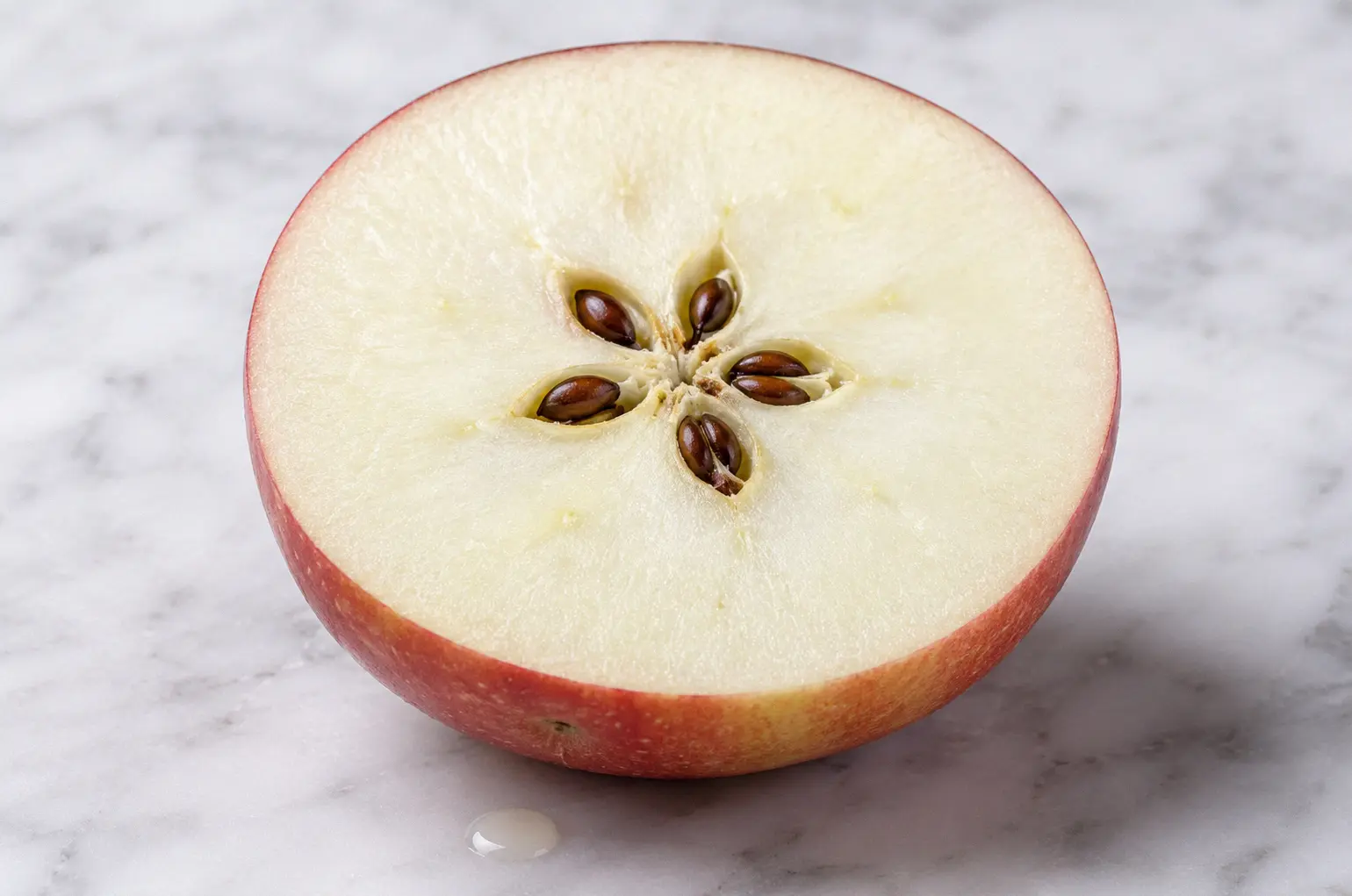
Two or three chewed seeds could trigger nausea, labored breathing, or lethargy. The core is also off-limits because it’s tough, fibrous, and poses a choking hazard for an animal with a small throat.
Always slice the apple away from the center, check each piece for leftover seeds, and toss the core entirely.
Best Apple Varieties for Guinea Pigs
Not all apples are created equal when it comes to sugar. Picking a lower-sugar variety means less worry about fructose overload.
Here’s how the most common varieties compare:
| Apple Variety | Sugar per 100g | Flavor Profile | Suitability |
|---|---|---|---|
| Granny Smith | ~9 g | Tart, crisp | Best choice (lowest sugar) |
| Gala | ~11 g | Sweet, mild | Good in small amounts |
| Honeycrisp | ~12 g | Sweet-tart | Moderate option |
| Fuji | ~12 g | Very sweet | Limit portions further |
| Red Delicious | ~12 g | Sweet, soft | Acceptable, higher sugar |
Granny Smith apples are the top pick because they’ve got the least sugar and the most tartness. The firm texture also encourages healthy chewing, which helps wear down those continuously growing teeth.
Stay away from any apple that’s been waxed or given a glossy coating. That wax traps pesticide residue underneath and it’s nearly impossible to scrub off completely.
Can Guinea Pigs Eat Cooked or Dried Apples?
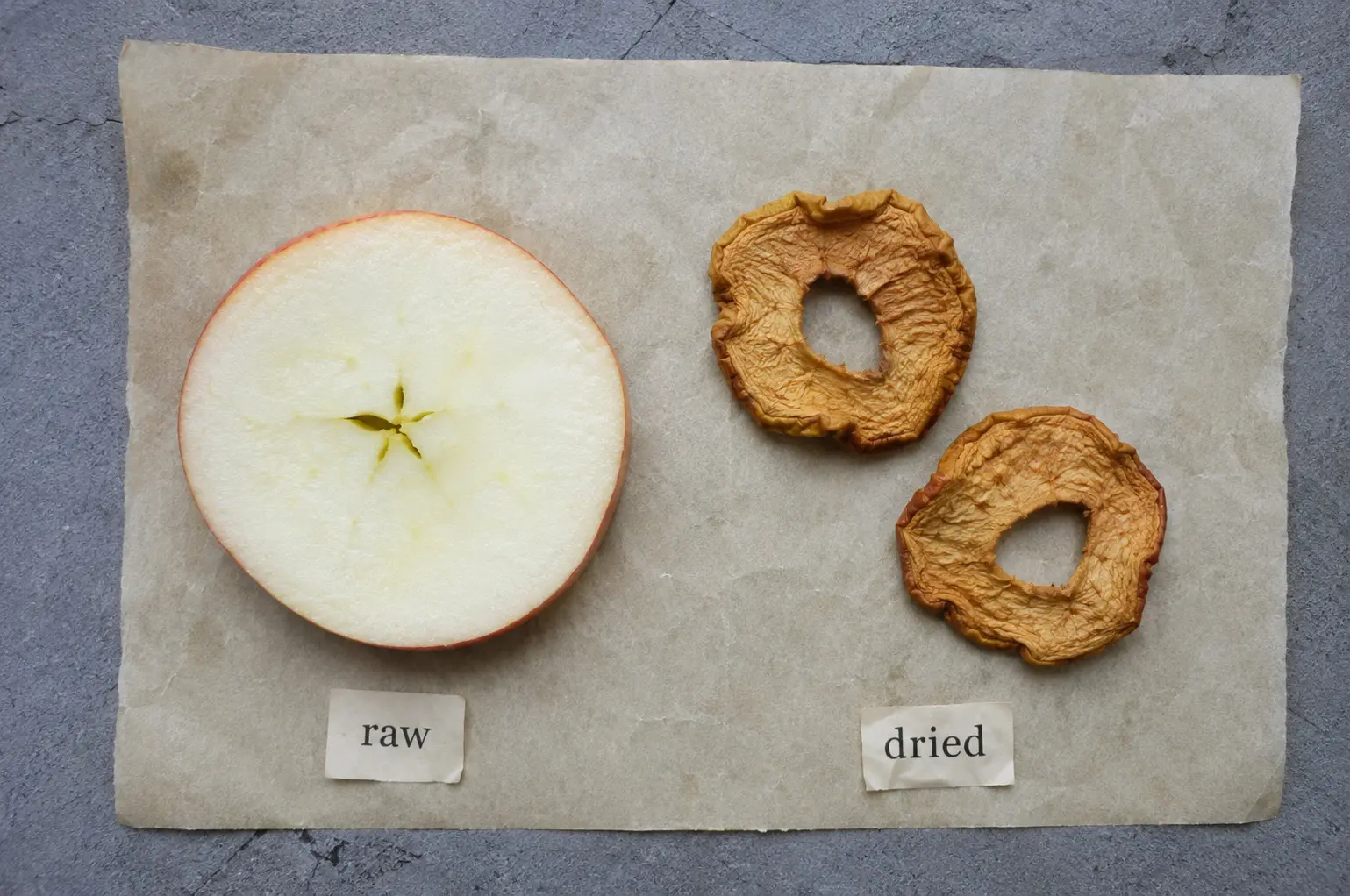
No. Raw apple is the only safe form for guinea pigs. Cooking, drying, and juicing all reduce nutritional value or concentrate sugar to harmful levels.
Cooking wipes out a significant portion of the vitamin C, which defeats one of the main reasons to offer apples in the first place.
Dried apples are even worse. Dehydration concentrates the sugar to three or four times what you’d find in fresh fruit, and the sticky pieces pose a real choking risk.
Store-bought applesauce almost always has added sugar, preservatives, or spices like cinnamon. Even the “unsweetened” versions lack the fiber found in whole raw apple.
Apple juice is another one to skip entirely. It strips away all fiber and delivers a concentrated sugar hit that can spike blood glucose and cause diarrhea within hours.
If your guinea pig is sick and can’t handle solid food, talk to your vet rather than reaching for processed apple products.
How to Prepare Apples for Your Guinea Pig
Here’s what to do every time you offer apple:
- Wash the apple under running water for at least 30 seconds, or scrub with a produce brush.
- Cut into quarters and remove the entire core, including all seeds.
- Slice one quarter into pieces roughly half an inch across.
- Leave the skin on unless your guinea pig has refused it before.
- Place one or two pieces in the food dish alongside regular vegetables.
- Remove uneaten apple within 12 hours to prevent bacterial growth.
Try pairing apple pieces with vitamin C-rich vegetables like bell peppers or kale for a balanced snack. You’ll get the sweetness guinea pigs love alongside the nutrients they need on a daily basis.
Don’t mix apple with high-calcium greens like spinach in the same sitting. High calcium combined with high sugar can contribute to bladder stone formation over time.
Signs Your Guinea Pig Ate Too Much Apple
The most common warning signs are diarrhea, bloating, loss of appetite, and unusual tiredness. These typically show up within 24 hours of eating too much fruit.
Keep an eye out for these symptoms in the 24 hours after feeding apple:
- Diarrhea or soft stool. Loose droppings are the most common sign of sugar overload.
- Bloating or a distended belly. Excess fructose ferments in the gut and produces gas.
- Reduced appetite. Refusing hay or pellets after eating apple signals stomach discomfort.
- Lethargy. Unusual tiredness or reluctance to move means the digestive system is struggling.
Mild cases usually clear up within a day once you pull all fruit and bump up the timothy hay. Hay works as a digestive reset, supplying the long-fiber roughage guinea pig intestines are built to handle.
Call your vet right away if diarrhea lasts more than 24 hours. Guinea pigs dehydrate fast, and prolonged diarrhea can turn life-threatening within 48 hours.
Can Guinea Pigs With Health Conditions Eat Apples?
It depends on the condition. Guinea pigs with obesity, diabetes, bladder stones, or recovering gut issues should avoid apples entirely.
If your guinea pig is overweight, skip apples. The fructose adds empty calories without enough fiber or vitamin C to justify the sugar, so stick with low-sugar vegetables instead.
Diabetes or insulin resistance is another dealbreaker. Fructose causes blood sugar spikes that their bodies simply can’t regulate well.
Those prone to bladder stones or urinary sludge should steer clear of pairing apples with high-oxalate greens. That combination ramps up mineral deposits in the urinary tract.
Any guinea pig recovering from gut dysbiosis or antibiotic treatment has compromised intestinal flora. Adding fruit sugar during recovery can stall healing and bring back diarrhea.
Always check with your vet before adding or reintroducing fruit to a guinea pig with an ongoing health issue.
Healthier Fruit Alternatives for Guinea Pigs
If your guinea pig isn’t a fan of apples, or you just want to mix things up, several other fruits offer equal or better nutritional value.
Strawberries pack nearly 59 mg of vitamin C per 100 grams. That’s over twelve times what apples provide, with a better sugar-to-fiber ratio.
Blueberries are loaded with antioxidants and small enough to serve without any cutting. Two to three berries per serving, once or twice a week, is plenty.
Kiwi delivers a solid 93 mg of vitamin C per 100 grams, making it one of the best fruit sources for scurvy prevention. Just peel off the fuzzy skin before serving.
Rotating fruit options throughout the week gives your guinea pig a wider range of vitamins. It also keeps them from locking onto one flavor and refusing everything else.
How Often Should You Rotate Fruits for Guinea Pigs?
Aim to offer a different fruit at each serving, roughly two to three times per week total across all fruits. This keeps sugar intake low while maximizing nutrient variety.
Guinea pigs benefit most when no single fruit dominates their weekly treats. Alternating between apples, strawberries, blueberries, and kiwi ensures a broader range of vitamins and antioxidants without overloading any one type of sugar.
A simple rotation might look like apple on Monday, a couple of blueberries on Thursday, and a strawberry slice the following week. Keeping a loose schedule prevents overfeeding and makes it easier to spot which fruits agree with your guinea pig’s stomach.
Are Apples Better Than Vegetables for Guinea Pigs?
No. Vegetables are a more important daily food source than fruit for guinea pigs. Apples and other fruits are treats, not staples.
Leafy greens like romaine lettuce, cilantro, and bell peppers deliver more vitamin C per serving with far less sugar. Guinea pigs can eat a small portion of fresh vegetables every day, while fruit should be limited to once or twice a week.
Think of apples as a reward or enrichment snack. They add variety and mental stimulation at feeding time, but they can’t replace the nutritional foundation that hay and vegetables provide.
Frequently Asked Questions
Can guinea pigs eat apples every day?
No, the sugar content is too high for daily feeding. Stick to one or two small servings per week with at least three days between each one.
Can guinea pigs eat apple leaves or branches?
Apple tree leaves and branches are perfectly safe for guinea pigs to chew on. Branches are great for dental health since guinea pig teeth grow continuously and need regular wear.
Just make sure the wood comes from an unsprayed tree.
Do guinea pigs like the taste of apples?
Most guinea pigs love apples for the natural sweetness and satisfying crunch. Preferences vary, though, and some go for tart Granny Smith slices while others prefer sweeter Gala pieces.
What should I do if my guinea pig eats apple seeds?
If your guinea pig swallowed one seed, watch for signs of distress over the next few hours. A single unchewed seed will most likely pass without any problems.
If multiple seeds were chewed and you notice lethargy or labored breathing, contact your veterinarian right away.