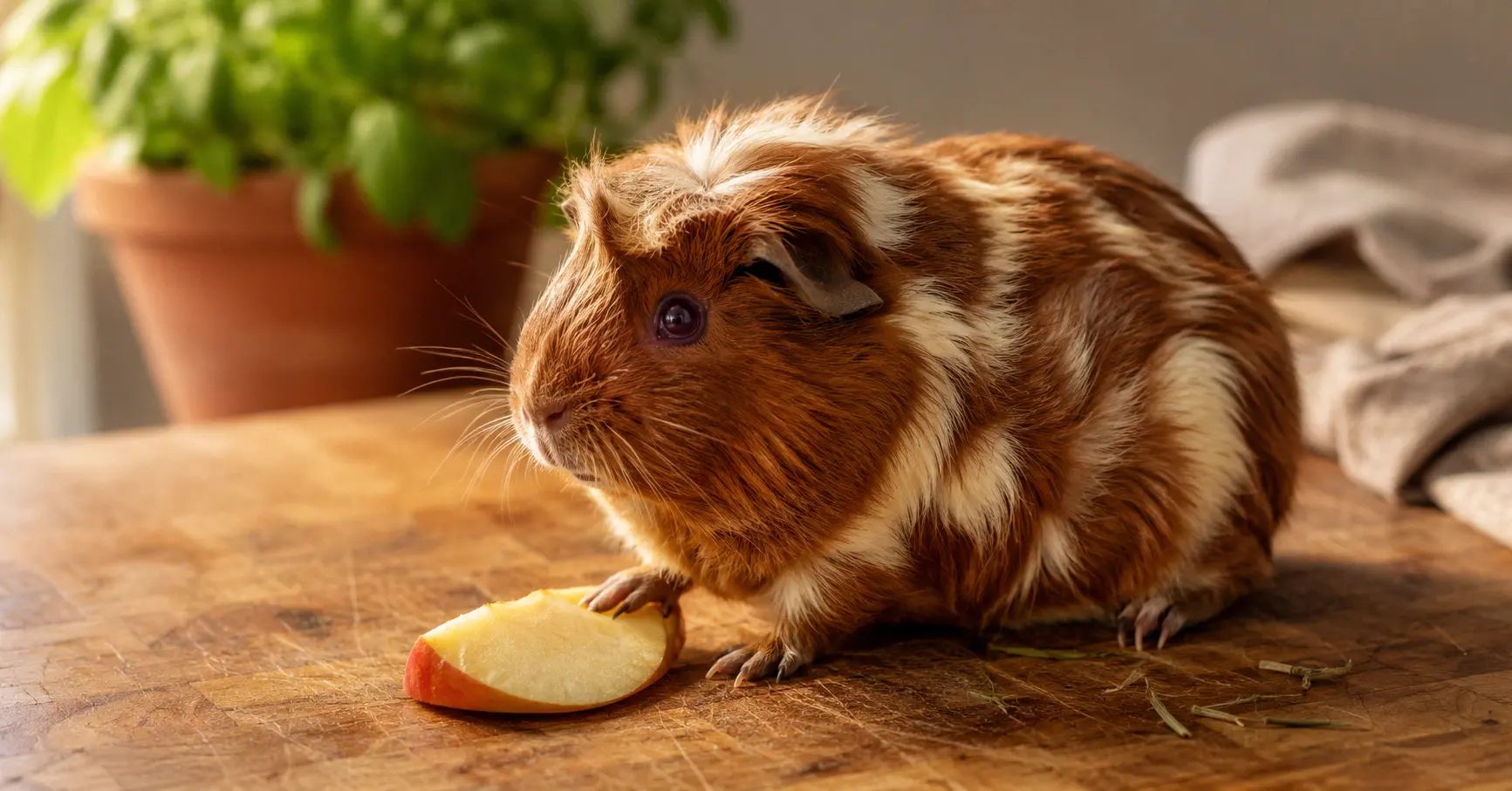

You’ve got arugula in the fridge and you’re wondering if your guinea pig can have some. Good news: they can.
Arugula is packed with vitamins A, C, and K, plus calcium and potassium. It’s a nutritious leafy green that many guinea pigs enjoy.
The peppery flavor puts some piggies off, though, so don’t be surprised if yours turns away at first.
We’ll cover safe serving sizes, preparation tips, and the full nutritional breakdown.
What Is Arugula?
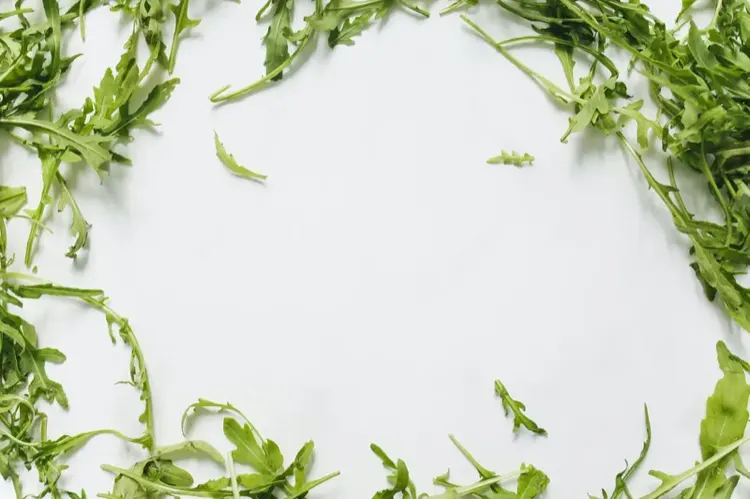
Arugula is a green vegetable in the same family as cabbage. It has broad green leaves commonly used in salads for both nutrition and flavor.
The leaves have a peppery, slightly bitter taste. This lettuce-like green appears especially in spring, and it’s affordable to buy at most grocery stores.
Arugula is also known as “rocket” among leafy vegetables.
Some guinea pigs love arugula leaves right away. Others won’t touch them because of that peppery kick.
If yours isn’t interested, try mixing arugula with milder greens like spinach or romaine lettuce.
How to Give Arugula to Your Guinea Pig
Due to its peppery flavor, some guinea pigs avoid eating arugula on its own.
Here’s a simple trick: mix the arugula leaves with milder greens like kale, spinach, cilantro, or celery.
If you want to make an even tastier mix, you can add tomatoes, cucumber, zucchini, bell peppers, or carrot. The milder flavors balance out the peppery arugula, and most guinea pigs will eat it happily.
Arugula Nutritional Facts
Arugula leaves are packed with both flavor and nutrition.
Key nutrients include phosphorus, iron, magnesium, potassium, protein, carbs, sugar, fiber, fat, vitamin A, vitamin B, vitamin C, vitamin K, and calcium.
These nutrients play an important role in guinea pig health at both the immunity and cellular level.
Vitamin A
Vitamin A is essential for your guinea pig’s eyesight. It directly supports sharp vision, making arugula a good choice for eye health.
This vitamin also strengthens the immune system. It powers up the cells that fight germs, bacteria, and viruses in your piggy’s body.
Vitamin C
Vitamin C exists in fresh arugula leaves and it’s one of the most critical nutrients for guinea pigs. It boosts their immune system and helps maintain strong overall health.
Vitamin C also helps form new blood capillaries inside the body. It plays a role in collagen production, which helps keep your guinea pig’s skin healthy.
Vitamin K
This essential vitamin matters a lot in your guinea pig’s body. It speeds up the healing process after injuries.
Vitamin K also helps with blood clotting. When your guinea pig gets a cut or scrape, this vitamin helps stop the bleeding faster.
Fiber
Fiber is always good for digestion and the whole digestive system. It can also help manage your guinea pig’s weight.
Foods rich in fiber help prevent bowel problems and bloating, so arugula’s fiber content is a real plus.
Folate (Vitamin B)
Arugula leaves contain vitamin B, also known as folate. Folate helps with the formation of red blood cells.
It also helps convert carbohydrates into energy, keeping your guinea pig active throughout the day.
Iron and Potassium
Both potassium and iron have beneficial effects on heart health. Iron helps prevent anemia, while potassium regulates blood pressure in guinea pigs.
Magnesium
Magnesium supports muscle health. It strengthens cardiac muscles and can help reduce muscle soreness in guinea pigs.
Carbohydrates and Fats
Arugula leaves are low in both fat and carbohydrates. This means they won’t contribute to weight gain in guinea pigs.
Guinea pigs can eat arugula leaves, roots, flowers, and stems. However, only serve it raw.
Cooking arugula destroys nutrients and can produce toxins, so always give it fresh in salad form.
Arugula Serving Size
Although arugula is packed with nutrients, its calcium content means you shouldn’t serve it daily.
Two or three servings per week is considered safe for guinea pigs. About 1/8 cup per serving works well for adult piggies.
Too much calcium can lead to bladder problems and kidney stones. If your guinea pig has a history of urinary issues, talk to your vet before adding arugula to the rotation.
Health Benefits of Arugula
Arugula offers several real benefits for your guinea pig’s health. Let’s go through them.
Blood Pressure Regulation
Arugula is low in fat and cholesterol, which helps maintain healthy blood pressure. Fat and cholesterol can thicken blood, making circulation harder in a guinea pig’s small body.
Improved Vision
Your guinea pig’s eyesight stays sharper with regular arugula servings. The vitamin A nourishes the retina and can help with overall eye health.
Weight Management
Since arugula is low in fat and cholesterol but full of other nutrients, it helps prevent obesity. A lean guinea pig stays healthier and avoids many weight-related diseases.
Energy Boost
Arugula is a great energy source thanks to its vitamins, minerals, and fiber. Magnesium and potassium boost metabolism, giving your guinea pig energy for active play throughout the day.
Health Risks of Arugula
When guinea pigs eat too much arugula, some health risks can show up. As with any food, moderation is key.
Kidney Stones and Bladder Problems
Arugula contains a significant amount of calcium. When eaten too often, that calcium can build up in the kidneys and bladder, eventually forming stones.
This is one of the most serious risks of overfeeding arugula. Stick to the recommended serving size to keep your piggy safe.
Digestion Problems
Too much arugula can cause digestive issues. The excess fiber and nutrients overwhelm your guinea pig’s digestive system, leading to stomach pain, bloating, and diarrhea.
Always watch the serving size to avoid these problems.
Blood Clotting Issues
Arugula has a high amount of vitamin K. While normal amounts help with healing, too much vitamin K can cause excessive blood clotting inside blood vessels.
This is another reason vets recommend limiting arugula to two or three servings per week.
When Can Guinea Pigs Start Eating Arugula?
A baby guinea pig can start enjoying arugula at about three months old. At that age, their rapid growth demands extra nutrients.
Their bones and muscles are developing quickly, so they need the extra phosphorus, calcium, and magnesium that arugula provides.
Worth knowing: baby guinea pigs may prefer the smaller, tender leaves of young arugula plants.
What Are the Alternatives to Arugula?
If your guinea pig doesn’t take to arugula’s peppery taste, you’ve got plenty of options. Good alternatives include parsley, basil, beets, cilantro, carrot tops, romaine lettuce, and mint.
Check out our guide to the best guinea pig foods for a complete list of safe options.
Final Thoughts
Arugula is a solid addition to your guinea pig’s diet when served in moderation. The vitamins A, C, and K, along with fiber and minerals, make it a nutritious leafy green worth rotating into meals.
Keep servings to about 1/8 cup, two or three times per week. Mix it with milder greens if your piggy isn’t a fan of the peppery taste.
If your guinea pig has any history of bladder or kidney issues, check with your vet before adding arugula to the rotation.
Frequently Asked Questions
Daily arugula isn't recommended for guinea pigs. The calcium content is too high for everyday feeding and can cause kidney stones or bladder problems over time. Stick to two or three small servings per week mixed with other leafy greens for a balanced diet.
Both greens offer excellent nutrition for guinea pigs, but they work best when rotated together. Arugula is higher in vitamin K while spinach contains more oxalates. Alternating between the two gives your piggy varied nutrients without overloading on any single compound.
The strong peppery flavor turns off many guinea pigs, especially on their first try. Don't give up right away. Mix small pieces of arugula with milder greens like romaine lettuce or cilantro. Gradually increase the arugula amount as your piggy adjusts to the taste.
Baby guinea pigs can start eating arugula around three months old when their bodies need extra calcium for growing bones. Start with very small pieces mixed into their regular greens. Watch for any digestive upset and increase the amount slowly over several weeks.
Always wash arugula thoroughly before giving it to your guinea pig. Store-bought greens often carry pesticide residue and dirt that can harm your pet's sensitive digestive system. Rinse each leaf under cool running water and pat dry before serving it fresh.