
Your guinea pig looks a little scruffy and you’re wondering if it’s time for a bath. The short answer is: probably not yet.
Guinea pigs groom themselves constantly, and most only need a real bath two to three times per year.
Here’s how to know when a bath is actually needed and how to do it safely.
Should You Bathe Your Guinea Pigs?
Most guinea pigs don’t need regular baths, but there are a few cases when one helps. If your piggy has gotten dirty or is starting to smell, a bath can get rid of the dirt and bacteria.
It can also help if your guinea pig has gotten into something sticky or greasy. Baths loosen the grime and make cleanup easier.
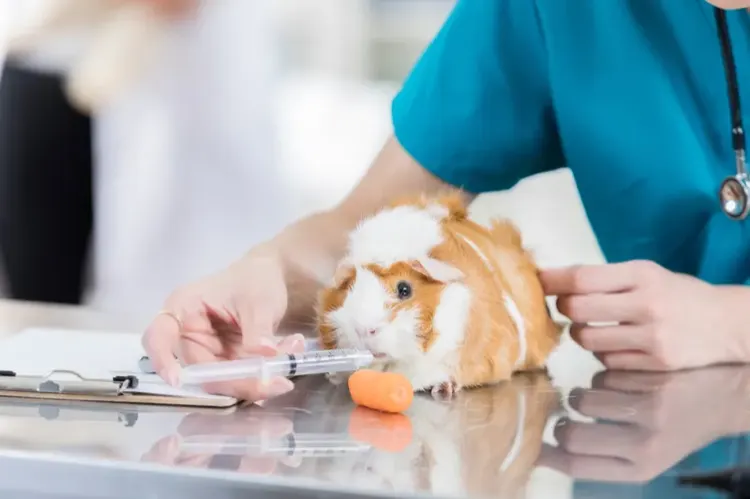
Never bathe your guinea pig if they’re sick, as this can make them worse. Pregnant guinea pigs, those under six months old, piggies with a cold, or those with a respiratory infection should also skip bath time.
If you do bathe your guinea pig, use warm water and a mild guinea pig shampoo. Avoid chemicals, detergents, dish soaps, and human shampoos, as these can harm your guinea pig’s sensitive skin.
Dry your guinea pig completely after the bath. Damp fur leads to fungal infection.
Towel dry them first, then use a blow dryer on a low setting. The air coming out shouldn’t feel hot on your skin.
Do Guinea Pigs Smell Bad?
Guinea pigs don’t smell bad on their own. They’re actually clean animals that groom themselves often.
What does smell is their cage. Urine and feces create the odor you don’t want in your surroundings.
Cages without proper cleaning give the impression that guinea pigs are smelly creatures, but that’s not true.
Whether you’ll deal with odor depends on their diet and how well they’re cared for. Piggies fed a healthy diet with access to clean water and a regularly cleaned environment have less odor.
So what’s a healthy guinea pig diet? Your piggy needs enough fiber through unlimited fresh hay, and shouldn’t eat too many sugary fruits or vegetables.
If you’re giving your guinea pig all the right food, another cause of bad cage smell is infrequent cleaning. You need to spot clean once or twice a day.
Do laundry at least once a week. Deep clean your guinea pig’s cage liners or fleece bedding at least once a month.
Your guinea pig might also be ill. Urinary infections make urine smell stronger.
Unhealthy poop can also cause more smell. Visit your local exotic vet as soon as possible if you notice changes.
How Often Should a Healthy Guinea Pig Get a Bath?
Most people recommend bathing a guinea pig once every three months or more. Some say that if the guinea pig is kept clean with a good diet, they may not need a bath at all.
If your guinea pig lives in a dusty environment, they might need more than one bath a year. Indoor piggies that don’t get dirty often might only need a bath once or twice yearly.
You won’t cause any harm if you never give them a bath. But bathing too often can cause real problems.
Each bath removes natural oils from the skin, leaving it dry and vulnerable to infections.
If you do bathe your piggies, always use a guinea pig safe shampoo or one recommended by a vet.
Is It Okay To Bathe Guinea Pigs with Human Shampoo?
Never bathe your guinea pig using a shampoo meant for humans. Only use guinea pig shampoo.
The quality of our hair differs from your guinea pig’s fur, and our skins aren’t the same either. Human shampoo is too harsh for a guinea pig’s sensitive skin.
Is It Okay To Bathe Guinea Pigs with Baby Shampoo?
You should never bathe your guinea pigs with baby shampoo. Shampoos created for humans, including baby shampoo, aren’t safe for guinea pigs.
Use only shampoos made for guinea pigs or another recommended by an experienced guinea pig owner or vet.
Can I Use Dish Soap To Bathe a Guinea Pig?
Never use dish soap to bathe your guinea pigs. Dish soap is too harsh for the skin and fur of your guinea pig and may cause harm to this small animal.
Use only shampoos for guinea pigs or another recommended by an experienced guinea pig owner or vet.
How To Give a Bath To a Guinea Pig?
This is your first time bathing a guinea pig and you’re unsure how to do it right. You don’t want to hurt your pet so you need guidance.
Here are the instructions for bathing your guinea pig:
- Prepare everything you need: fill a tub or sink with 1 inch (2-3 cm) of warm water, just enough to submerge your guinea pig’s feet. Grab a large towel and guinea pig safe shampoo. Have a hair dryer ready.
- Soothe your guinea pig before placing it gently into the water. Baths are extremely distressing for them.
- Dip your guinea pig’s toes in first so the animal gets accustomed to it.
- Hold your pet gently with one hand while using the other to dab a cloth over their body. Pour a little shampoo in the water and on your piggy’s fur.
- Dab a damp cloth over their body and slowly pour water from the sink over it. Gently wet their ears and face, but don’t let any water get into their ears or eyes.
- Lather the guinea pig shampoo all over its body. Use only a small amount. Massage it into your pet’s fur. Rinse two to three times to remove all shampoo completely.
- Wrap the piggy in a towel and blow dry it on a low setting. The air from the blow dryer shouldn’t feel hot on your hand.
- Make sure to dry your piggy completely before putting it back into the cage.
Can You Blow Dry Your Guinea Pig?
Not only can you blow dry your guinea pig, but you should! All responsible guinea pig owners recommend that you fully dry guinea pigs with a hair dryer on a low setting.
Start by drying with a towel, then blow-dry on low to avoid overheating. If possible, use a quiet blow dryer so you don’t scare your pet with unnecessary noise.
Can Guinea Pigs Swim?
You can find videos online showing guinea pigs swimming, but we don’t recommend teaching your piggy to swim. Guinea pigs aren’t natural swimmers and don’t love water.
You can let your piggy soak in shallow warm water for a few minutes to prepare them for bath time.
Final Thoughts
You can bathe your guinea pigs, but don’t do it often. Stick to two or three times a year using only guinea pig safe shampoo.
Prepare everything before you start. Be gentle, be patient, and keep water away from their eyes and ears.
Dry your piggy thoroughly with a towel first, then finish with a blow dryer on low heat. Your guinea pig is fully dry when its fur feels fluffy again.
Frequently Asked Questions
Cold water isn't safe for guinea pig baths. Always use lukewarm water instead, as cold water can shock their system and cause serious stress. Test the temperature on your wrist first. The water should feel comfortably warm, never hot or cold, to keep your pet safe and calm.
Look for visible dirt, a greasy coat, or a noticeable smell coming from your piggy's fur. Matted hair in long-haired breeds is another sign. If the cage smells but your guinea pig looks clean, the problem is likely dirty bedding rather than a dirty piggy.
Stay calm and speak softly. Wrap your piggy in a dry towel and pause for a few minutes. Some guinea pigs settle down after the initial shock, while others won't tolerate baths. Try spot cleaning with a damp cloth instead, which causes far less stress.
Bathe them one at a time so each piggy gets your full attention. Handling two wet, squirming guinea pigs at once increases the risk of drops and injuries. Wash one, dry it completely, then move on to the next so both stay safe and warm.