
You’ve seen those YouTube videos of guinea pigs paddling through water and wondered if your pet should try it too. The short answer is no, and here’s why you should keep your piggy away from deep water.
Can Guinea Pigs Swim?
Small-sized guinea pigs need extra care around water. Wild guinea pigs can swim, but only when their life depends on it.
They don’t live near water or have regular contact with it. Shallow, dry places are their natural habitat.
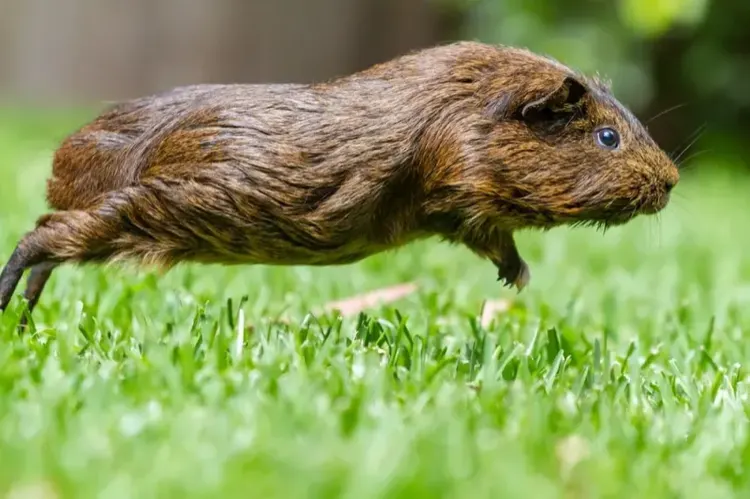
So yes, guinea pigs can technically swim. But they only do it to survive, and their small bodies aren’t designed for it.
Is Swimming Dangerous for Guinea Pigs?
Swimming is genuinely dangerous for guinea pigs, especially in anything deeper than a shallow dish. These are rodents built for running, not swimming.
Their small bodies struggle to maintain stamina in water. Most vets would tell you to keep guinea pigs away from it entirely.
Physical Damage
If guinea pigs end up in large amounts of water, it can enter their ears, nose, or mouth. Their skin is prone to infections, and water strips away their natural protective oils.
Guinea pigs can develop ear infections from exposure to both deep and shallow water. Chlorinated water is especially dangerous for their sensitive skin.
Pneumonia
Pneumonia is the leading killer of guinea pigs. Their respiratory system is already fragile, and water makes everything worse.
Even brief exposure can trigger problems if water enters their airways. Prolonged exposure makes pneumonia almost inevitable.
Tiredness
Swimming for any extended period causes extreme fatigue in guinea pigs. Their small bodies aren’t designed for that kind of exertion.
Pushing them too hard can make them sick, and an exhausted guinea pig in water is at serious risk of drowning.
Why You Shouldn’t Teach Guinea Pigs to Swim
Forcing a guinea pig into water is a bad idea no matter how gradual you are. Here’s why.
Water Can Enter Their Lungs
When forced into large volumes of water, guinea pigs get scared and breathe rapidly. Quick breaths in water mean water can enter their lungs, causing organ damage that may lead to death.
Guinea Pigs Are Fragile
Guinea pigs are sensitive creatures. They’re prone to infections, irritations, and complications that can turn fatal quickly.
Guinea Pigs Are Sensitive to Temperature
Even slight temperature changes can harm them. If the water temperature isn’t right, it can lead to pneumonia, which is a major killer for guinea pigs.
Breathing Difficulties
When guinea pigs are in water for too long, they struggle to breathe. This stresses them out and creates lasting respiratory problems.
Drowning Risk
The worst outcome is drowning. Guinea pigs can’t survive in large pools.
Many online videos show guinea pigs swimming in pools, but they don’t show how many animals have drowned during these stunts.
It’s Against Animal Welfare
Forcing guinea pigs who hate water to swim is a cruel act. It’s no different from forcing circus animals to perform unnatural tricks.
How to Bathe a Guinea Pig Safely
Giving your guinea pig a bath can be a great bonding experience when done right. Here’s the proper method:
- Use warm water that’s neither too hot nor too cold
- Place a small container in the sink with slightly warm water and add guinea pig shampoo
- Gently grab your pet and slowly place it in the water
- Smoothly rub your pet’s body with water without scaring it
- Avoid getting soapy water in its eyes or nose
- Gently scrub every part of its body with your hands
- Rinse with fresh warm water and place it on a towel
- Wrap it up and gently pat dry with the towel
- Use a hairdryer on a cool setting to finish drying
- Apply conditioner and gently comb through its fur
Looking After Your Guinea Pigs Around Water
Some guinea pigs seem to tolerate water while others avoid it completely. Keep these things in mind.
Guinea pigs aren’t natural swimmers and can easily drown in water that’s too deep. Be especially careful when bathing your pet or letting it play near water.
Temperature matters too. Guinea pigs handle cool water better than hot, so always use lukewarm water for baths.
If you want to test whether your piggy tolerates water, place a small plate with just enough water to wet its feet in the cage. Make sure your piggy can step off the plate freely.
How to Take Care of Guinea Pigs
Don’t let their size fool you. Guinea pigs need a lot of care, from diet management to predator protection.
They stress easily, and chronic stress makes them genuinely sick. Affection and attention aren’t optional for these animals.
That’s why it’s best to keep them in pairs. If you’re wondering about companions, it’s worth knowing that guinea pigs shouldn’t live alone.
Final Thoughts
Guinea pigs can technically swim, but they absolutely shouldn’t. The risks of pneumonia, skin infections, ear infections, and drowning are simply too high.
If your piggy needs a bath, stick to shallow lukewarm water with proper guinea pig shampoo and keep the experience as quick and calm as possible.
Your guinea pig will be much happier with toys, mazes, and dry play areas than it ever would be in a pool.
Frequently Asked Questions
Very shallow water, just enough to cover their feet, is generally safe under close supervision. Never leave your guinea pig unattended near water. Watch for stress signs like freezing, rapid breathing, or squeaking, and remove them immediately if you notice discomfort or panic.
Wrap your guinea pig in a soft, absorbent towel and gently pat it dry. Then use a hairdryer on the lowest, coolest setting while keeping it moving constantly to prevent burns. Make sure your piggy is completely dry before returning it to the cage.
Remove your guinea pig from the water immediately and wrap it in a warm, dry towel. Check its breathing for wheezing or gurgling sounds that could signal water in the lungs. Contact your vet right away if you notice labored breathing, lethargy, or nasal discharge.
Wild guinea pigs don't swim by choice. They'll only enter water when escaping a predator or crossing flooded terrain during heavy rains. Swimming is purely a last-resort survival response, not a recreational activity, and domestic guinea pigs have even less reason to be near water.