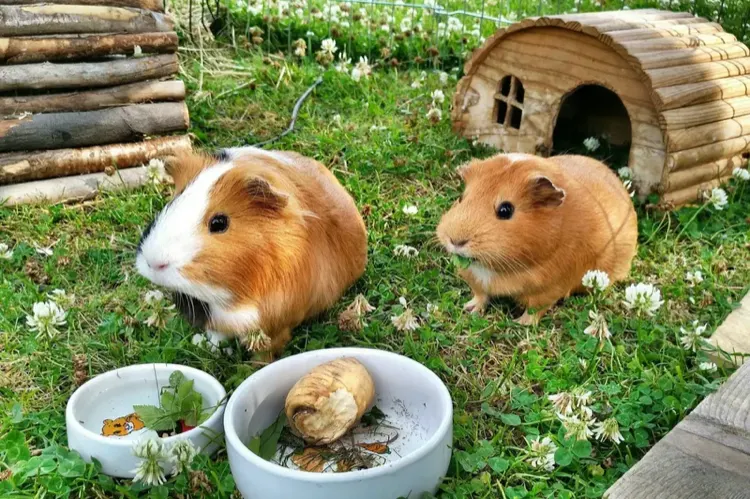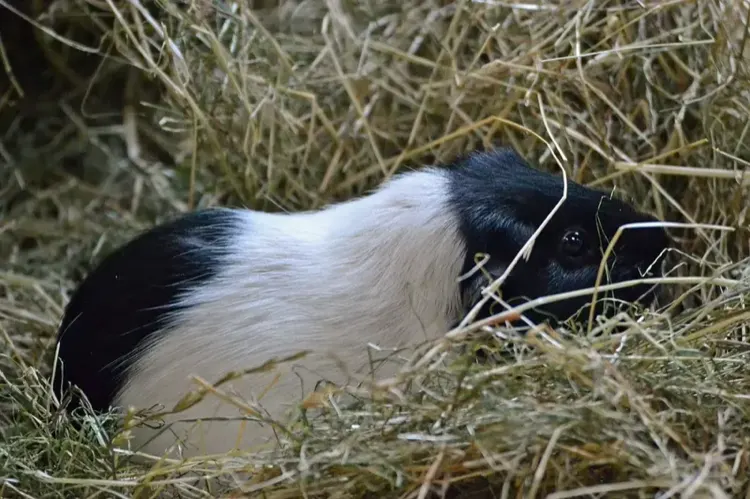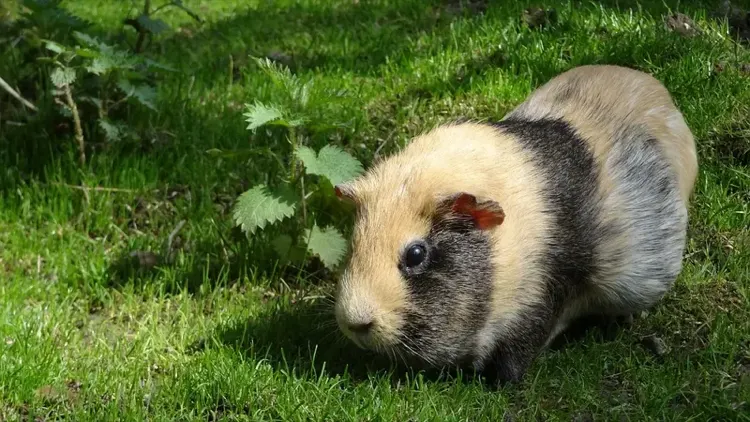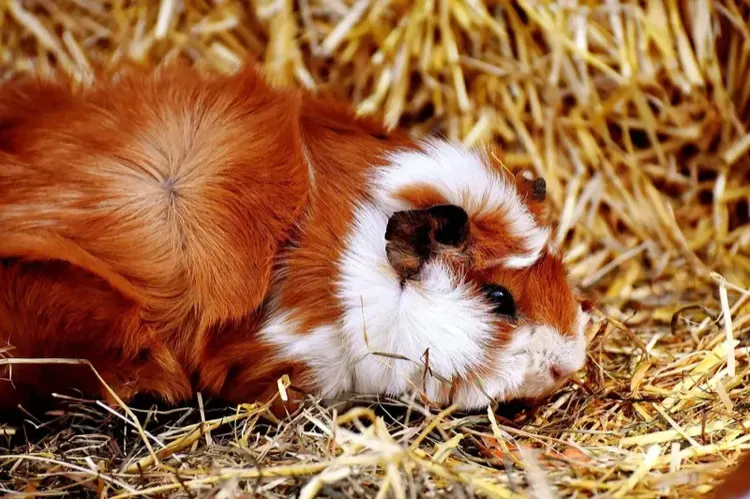

Do you toss hay straight onto the cage floor? That’s a recipe for contamination.
Urine, fecal fluids, and water quickly turn floor hay into a breeding ground for bacteria and fungi.
A food holder or hay rack keeps your piggy’s hay clean, dry, and raised off the ground. It also makes it easy to see when you need to refill.
Guinea pigs need constant access to fresh hay for digestion and dental health. A good holder protects that supply all day long.
We’ve reviewed five of the best guinea pig food holders below.
Quick Comparison Chart
| # | Product | Our Rating | ||
|---|---|---|---|---|
| 1 | 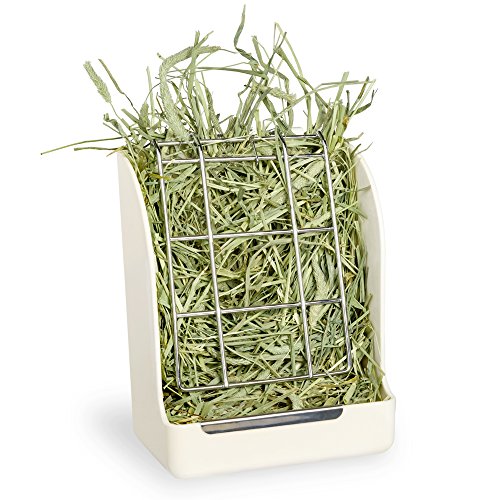 |
Mkono Hay Feeder | ★★★★★ | Check Price |
| 2 |  |
Kaytee Hay Bag Feeder | ★★★★☆ | Check Price |
| 3 |  |
Litewoo Hanging Hay Feeder Rack | ★★★★☆ | Check Price |
| 4 |  |
Hamiledyi Wooden Hay Feeder Rack | ★★★★☆ | Check Price |
| 5 |  |
zswell Hay and Food Bin Feeder | ★★★★☆ | Check Price |
5 Best Guinea Pig Food Holders Reviewed
We’ve tested hay bins, bag-style feeders, wall-mounted racks, and wooden dispensers to find the ones that actually keep hay clean inside a guinea pig cage. Each pick was evaluated on durability, ease of mounting, hay waste reduction, and overall safety for your piggies.
Whether you need a full combo feeder that handles pellets and hay together or a simple wall rack that keeps things tidy, there’s something here for every setup. Let’s get into the reviews.
1. Mkono Hay Feeder
Mkono Hay Feeder
A durable plastic and metal hay feeder with a spring-loaded gate and steel-edged lip to prevent chewing.
Pros
- Metal grate keeps hay clean and organized
- Steel-edged lip prevents plastic chewing
- Mounts to cage or sits freestanding
- Built-in tray catches hay scraps
- Non-toxic plastic and metal, built to last
Cons
- Measure cage bars for 5/8 inch lock fit
- Modest capacity, refill often for heavy eaters
The Mkono Hay Feeder is our top pick because it nails the basics better than anything else on the market. The spring-loaded metal grate holds hay firmly in place while the built-in tray underneath catches every little scrap that falls, which means way less waste on your cage floor.
What really sets this feeder apart is the steel-edged lip that stops guinea pigs from chewing on the plastic. It’s a small detail that makes a big difference in longevity, and you won’t find that feature on most competing feeders.
2. Kaytee Hay Bag Feeder
Kaytee Hay Bag Feeder
A soft fabric hay bag feeder that clips to the cage and keeps hay elevated and mess-free.
Pros
- Soft fabric is gentle on piggy faces
- Clips securely to cage bars
- Wide top for quick, mess-free refills
- Keeps hay elevated off the floor
- Compact, doesn't take up floor space
Cons
- Fabric absorbs moisture near water bottles
- Smaller capacity than rigid bin feeders
The Kaytee Hay Bag Feeder takes a completely different approach from rigid bin feeders, and it works surprisingly well. The soft fabric is gentle on your piggy’s face as they pull hay through the opening, and the clip-on design means you don’t need any tools or hardware to mount it.
Refilling is about as easy as it gets since you just drop hay in through the wide top opening. It doesn’t hold as much as a large bin feeder, but its zero-floor-space design makes it ideal for smaller cages where every square inch matters.
3. Litewoo Hanging Hay Feeder Rack
Litewoo Hanging Hay Feeder Rack
A snap-on plastic hanging hay feeder that clips to cage bars and keeps hay dry, clean, and off the floor.
Pros
- Snap-on clips attach to any cage bar
- Keeps hay dry and free from urine
- Lightweight non-toxic plastic build
- Saves floor space for your piggies
- Fits guinea pig, rabbit, and chinchilla cages
Cons
- Smaller capacity, needs frequent refills
- Plastic shows wear from heavy chewers
The Litewoo Hanging Hay Feeder is one of the easiest feeders to install on this list. Its snap-on clips attach directly to cage bars without any tools, screws, or drilling, so you can move it around or remove it for cleaning in seconds.
The non-toxic plastic is lightweight and keeps hay elevated, dry, and protected from urine and feces. It measures about 9.8 by 6.2 inches, which gives you a decent capacity for daily hay needs.
The trade-off is that heavy chewers will leave marks on the plastic over time, so it won’t last as long as a metal feeder.
4. Hamiledyi Wooden Hay Feeder Rack
Hamiledyi Wooden Hay Feeder Rack
A pinewood hay dispenser with hanging clips that doubles as a safe chew surface for guinea pigs.
Pros
- Natural pinewood, safe for gnawing
- Hanging clips attach without tools
- Slat design lets piggies pull hay easily
- Doubles as a safe chew toy
- Compact size fits smaller cages
Cons
- Wood shows chew marks over time
- Holds less hay than larger plastic or metal bin-style feeders
The Hamiledyi is the most natural option on this list, and guinea pigs seem to love it for that reason. The untreated pinewood is completely safe for chewing, so it does double duty as both a hay feeder and an enrichment toy that helps keep your piggy’s teeth in check.
The hanging clips make installation a breeze since you just hook it onto the cage bars and you’re done. It won’t hold as much hay as a full-sized bin feeder, but its compact footprint and tool-free setup make it a great choice for owners who want something simple and natural.
5. zswell Hay and Food Bin Feeder
zswell Hay and Food Bin Feeder
A versatile bin feeder with a pellet tray, metal hay rack, and cross-screw fixation for easy cage mounting.
Pros
- Holds pellets and hay in one unit
- Quick screw-on cage attachment
- Metal lip guard prevents chewing
- Base tray catches fallen hay bits
- Easy to disassemble and clean
Cons
- Plastic can stain over time
- Wire gaps too wide for fine hay
- Doesn't fit every cage bar size
The zswell Bin Feeder is a solid budget option that handles both hay and pellets in one unit. You can load pellets into the base tray and stuff hay behind the metal wire rack, which makes it one of the most space-efficient feeders you can buy.
The cross-screw fixation keeps it firmly attached to the cage, and the metal lip guard is a nice touch that prevents chewing damage. It’s not as polished as the Mkono, but for guinea pig owners who want a reliable combo feeder without spending a lot, it gets the job done.
Do Guinea Pigs Need a Hay Rack?
Nope. Guinea pigs don’t need a hay feeder.
Guinea pigs love to nest and relax while eating their hay, so some owners simply place hay on the cage floor.
Not all hay racks are safe for guinea pigs, and some designs can be dangerous. If you’d like to keep your pet’s cage neat and organized, you can do that in other safe and secure ways.
Are Hay Racks Safe for Guinea Pigs?
Not all hay racks are safe for your guinea pig. If you’re planning to buy one, make sure your guinea pig can’t get stuck in it.
Some hay rack models prevent guinea pigs from accessing hay freely, which is extremely dangerous for their wellbeing. If your pet doesn’t get the right amount of hay every day, its teeth can grow too long or it can experience digestion problems.
We don’t recommend buying a hay feeder unless you’re sure it’s safe for your guinea pig.
How Much Food Should I Give to My Guinea Pig?
Normally, your guinea pig should have an unlimited amount of fresh grass or hay every day. An additional serving of guinea pig pellets is a good idea, and 1/8 cup of pellets a day is sufficient for their daily needs.
Add about 1/4 cup of fresh fruits and vegetables to your guinea pig’s daily meal plan. Don’t forget that guinea pigs are herbivores and they can’t digest meat, dairy products, and processed (cooked) food.
What Is the Favorite Food of Guinea Pigs?
Guinea pigs will eat almost anything, but that doesn’t mean you should let them. If you want your pet to be healthy and happy, make sure to provide unlimited grass/hay, a bit of guinea pig pellets, different types of fresh fruits, and fresh leafy green vegetables.
A slice or two of their favorite fruit is quite enough to satisfy their love for sweets. Giving them too much can cause diabetes, obesity, and digestion problems.
How Should I Care for My Guinea Pig?
Make sure to put toys and treats in the cage before you bring your new guinea pig home. Have a guinea pig food holder already attached to the cage or placed in a safe position so your guinea pig can’t flip it over and spill its contents.
Place the cage in a calm, noise-free environment that’s isolated from other pets and domestic animals. If the habitat is quiet and secure, your new pet will feel safe and settle in faster.
Spend some time with your guinea pig every day since creating a bond is an extraordinary experience. If your guinea pig acts shy and is afraid to approach you, don’t worry because it takes time.
Attempt again in 15 minutes without any sudden movements while talking in smooth, soothing tones and offering a treat.
How Should I Feed My Guinea Pig?
You’ll want to provide your guinea pig with unlimited amounts of hay. Remove the unused hay from the previous day and fill the food bowl with fresh supplies every morning.
Add salad, kale, collard greens, courgettes, and shredded carrots to your guinea pig’s dinner every other day. Your guinea pig’s healthy diet should consist of fresh hay, pellets enriched with vitamin C, fresh fruits, and vegetables.
Guinea pigs can’t produce vitamin C, and lack of this vitamin causes scurvy, a potentially fatal disease. Vary the type of veggies you give them, and offer fruits just as a treat, never more than a few slices.
You can also purchase guinea pig food that’s enriched with various minerals and vitamins formulated for your guinea pig’s needs.
Keeping Your Guinea Pig Healthy
Just like any other pet, your tiny guinea pig needs regular checkups. When you adopt a guinea pig and take it home, make sure to visit a veterinarian for a checkup and advice.
Always monitor your guinea pig for lethargy and lack of interest in food since these may signal a serious condition related to a change in bowel movements. Bloating in guinea pigs is a serious condition, so establish a routine for feeding, bonding, and tracking the type of food you’re providing.
Final Thoughts
A good food holder does something that’s easy to overlook: it keeps your piggy’s hay clean. Hay piled on the cage floor is exposed to urine, feces, and water contamination every single day, and guinea pigs need constant access to fresh hay for both digestion and dental health.
The Mkono Hay Feeder solves this better than anything else we tested. Its spring-loaded grate, built-in scrap tray, and steel-edged chew guard handle the three biggest problems with hay feeders in one product.
If you’ve got a wire cage, the Litewoo Hanging Hay Feeder is a great alternative since it clips on without tools and keeps hay just as clean. For a natural look, the Hamiledyi wooden rack doubles as a chew toy your piggy will love.
Not all hay racks are safe for guinea pigs, though. Make sure whichever feeder you pick lets your piggy pull hay freely without getting their head or legs stuck in any gaps.