
You’re thinking about getting a guinea pig but aren’t sure what you’re signing up for. That’s smart.
Guinea pigs are social, cuddly, and rarely bite, but they aren’t zero-effort pets. Here’s an honest breakdown of what guinea pig ownership actually looks like.
Pros of Owning a Guinea Pig
1. Decent Lifespan
On average, guinea pigs live about six years, which is much less than cats and dogs. According to the Guinness Book of Records, the oldest guinea pig ever was almost 15 years old when it died in 1979.
2. They Show Affection
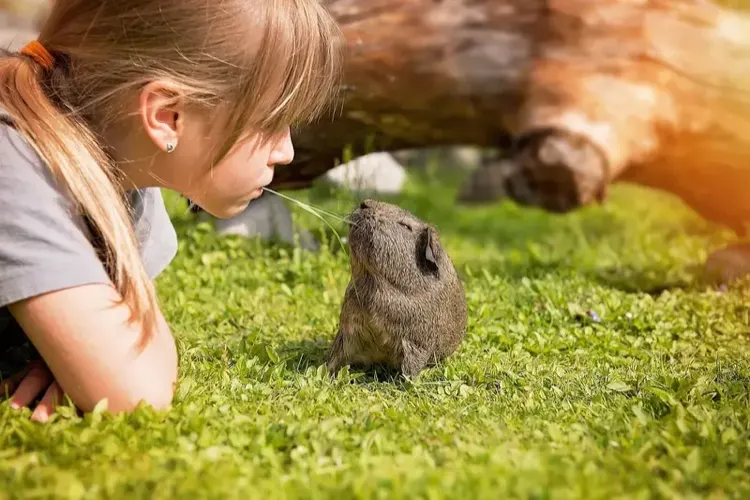
Guinea pigs show happiness when they hear their owner’s voice. They can form bonds with the whole family and become a remarkable focus of attention in the house.
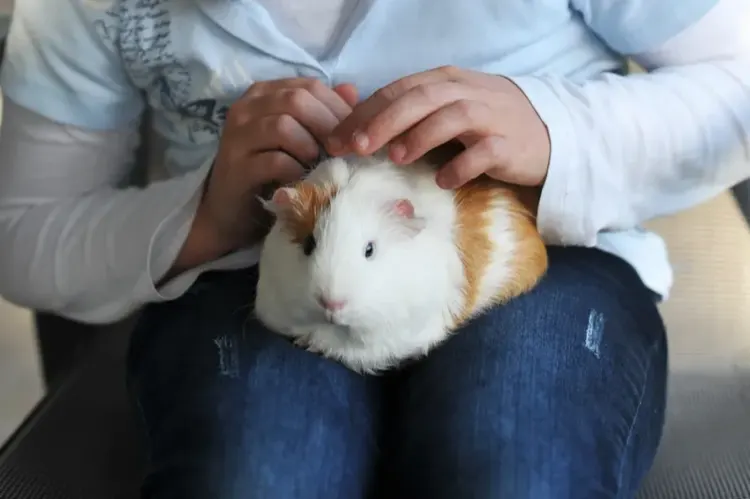
You can take them out of the cage to play, cuddle, and bond with them. While they don’t always love being petted, they enjoy the presence of their owners.
A single guinea pig tends to feel lonely and can suffer from depression.
Their gentle nature makes them good pets for younger children learning about pet care. Guinea pigs can even be trained to follow simple commands and recognize your voice, though training takes a few weeks to a couple of months.
3. Easy to Care For
When caring for a guinea pig, routine matters most. Proper care means feeding at the same time, regularly changing water, and cleaning the cage.
Their dietary needs are simple. The main food sources are hay, raw vegetables, leafy greens, and pellets enriched with vitamin C.
You can serve fresh fruits as treats. But not everything healthy for us is healthy for them, so learn which foods are safe first.
4. Portable Pets
Unlike dogs, guinea pigs don’t need walks. You can take them almost anywhere with you.
As long as you stick to their routine and feeding schedule, they’re perfectly content.
5. Don’t Need Much Space
A guinea pig doesn’t need a huge living area. You can buy a large cage with playpens and accessories if you have the room and budget, but it’s not necessary.
There are many cages for small spaces that fit easily into any corner of your home.
6. Low Time Commitment
Guinea pigs need daily care, but it doesn’t take much time. Clean the cage regularly, change the water frequently, and feed a balanced diet.
If you only have one guinea pig, adopt another of the same sex so it won’t be lonely.
7. Affordable to Start
Guinea pigs don’t cost a lot upfront. Beyond the cage, you’ll need to budget for food, bedding, and accessories.
Many owners use old towels at the cage bottom and add three-layered fleece bedding on top, since it’s machine-washable and reusable.
8. Simple Vegetarian Diet
Timothy hay makes up the main part of their diet, and you can supplement with fresh vegetables. Guinea pigs are herbivores, so they can’t digest meat, dairy, or processed foods.
Just hay, leafy greens, and small amounts of raw fruits and vegetables.
9. Calm and Rarely Bite
Guinea pigs are active throughout the day and make various noises, but they rarely bite. That calm temperament is a big reason they make good pets for families.
10. Sturdy Health
Many health problems are easily avoidable with proper diet and hygiene. Take good care of your pet and you likely won’t face expensive emergency vet visits.
Cons of Owning a Guinea Pig
1. Fragile Bones
With proper diet and hygiene you can prevent most health issues, but their bones are delicate and break easily. Pay close attention when young children hold them.
Guinea pigs must be held gently and safely.
2. Strict Dietary Needs
Guinea pigs need high levels of vitamin C since they can’t produce it on their own. Hay, fresh vegetables, and pellets are all you need, but the diet must stay varied and balanced.
Too much of one nutrient creates health issues. Alfalfa hay, for example, contains too much calcium for adult guinea pigs and can cause kidney and bladder stones.
3. Need Daily Attention
Guinea pigs are sensitive and can show allergic reactions to food and dust. Pay attention to hay quality and bedding, which should be dust-free.
Clean the cage regularly and change the water frequently.
4. Homebound Animals
You can’t take your guinea pig jogging or let it sleep in your bed. They’re cage-bound pets, more like hamsters than dogs.
That said, they still show plenty of affection to their owners through sounds and behavior.
5. Odor Without Hygiene
Guinea pigs themselves don’t smell bad. The odor comes from poor cage hygiene.
Regular cleaning and using bedding for odor control helps, but only if you commit enough time to keeping things clean.
6. Can Be Timid
Your guinea pig might be afraid of you at first. This is common with new pets.
You’ll need time and patience to help it feel safe and relaxed.
7. Can’t Be Left Unattended Outside the Cage
Never leave your guinea pig out of its hutch unsupervised. It may chew on or eat something poisonous.
8. Costs Add Up With Multiple Pigs
A lone guinea pig is an unhappy guinea pig, so we always recommend having at least two of the same sex. More guinea pigs means more space, more accessories, and higher ongoing costs.
9. Gender Separation Matters
Two females usually get along great. But keeping males and females together leads to breeding, and male guinea pigs become sexually active as young as 3 weeks old.
Two males may also fight and injure each other.
10. They Can Be Noisy
Guinea pigs aren’t silent pets. They make various sounds throughout the day and night.
Since they sleep for only seconds to minutes at a time, they’re active around the clock.
Why Guinea Pigs Make Great Companions
Beyond the basic pros and cons, guinea pigs offer several qualities that make them stand out as pets.
Gentle Nature
They’re extremely gentle animals that seldom bite. Unlike some small pets, guinea pigs actually enjoy being taken out of the cage and held once they’re comfortable with their owners.
They also get along well with other guinea pigs sharing the same space.
Quick Adaptability
Guinea pigs adjust to new environments relatively fast. The transition period for settling into a new home is shorter than many other small pets.
Adorable at Every Age
There’s no denying guinea pigs are cute. Their charm doesn’t fade as they grow older, and watching them play never gets old.
Great First Pets for Kids
Their calm temperament makes them excellent pets for children. They’re not aggressive and enjoy gentle human contact.
Most experts consider them an ideal first pet for a child to learn responsibility.
Affordable Purchase Price
Buying a guinea pig typically costs between $30 and $40 per animal. The initial investment is low compared to dogs and cats.
Lots of Variety
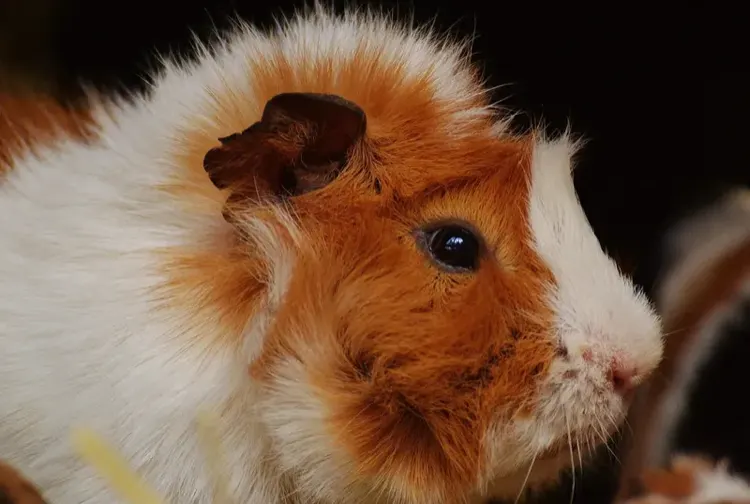
Guinea pigs come in many different appearances. Some have solid colors, while others sport multi-colored patches.
Some have short hair, and others are long-haired varieties that need more grooming.
Self-Groomers
Guinea pigs groom themselves throughout the day. You’ll rarely need to bathe them, aside from occasional brushing.
Long-haired breeds need more frequent brushing since their hair tangles easily.
Longer Lives Than Most Small Pets
Unlike mice and hamsters with three to five year lifespans, guinea pigs can live up to eight years with proper care.
Generally Healthy
Guinea pigs have strong immune systems and tend to stay healthy. If you provide good care, vet visits stay minimal compared to dogs and cats that need regular vaccinations.
Final Thoughts
Guinea pigs are great pets for families, kids, and apartment dwellers. They’re gentle, affordable, and genuinely enjoy bonding with their owners.
But they’re not zero-maintenance. They need a companion, daily fresh vegetables, regular cage cleaning, and attention to their vitamin C intake.
If you’re prepared for that commitment, a guinea pig can bring years of joy and companionship.
Frequently Asked Questions
Guinea pigs are excellent apartment pets because they don't need outdoor space or walks. A properly sized cage fits easily into most rooms, and they're quiet enough that neighbors won't complain. Just make sure you've got space for at least two piggies since they need companionship.
Many guinea pigs enjoy lap time and gentle petting once they trust their owner. Building that trust takes a few weeks of consistent, calm handling. Some piggies become very affectionate and purr softly when held, while others prefer sitting nearby without direct contact.
Monthly costs typically run $40 to $75 for two guinea pigs, covering hay, fresh vegetables, pellets, and bedding. Vet checkups add occasional extra expense. The biggest ongoing cost is quality timothy hay, which should make up about 80% of their daily diet.
Guinea pigs shouldn't share living space with rabbits because rabbits can kick hard enough to injure them and carry bacteria harmful to piggies. Keep guinea pigs in their own cage away from dogs, cats, and other animals that might stress or accidentally hurt them.