
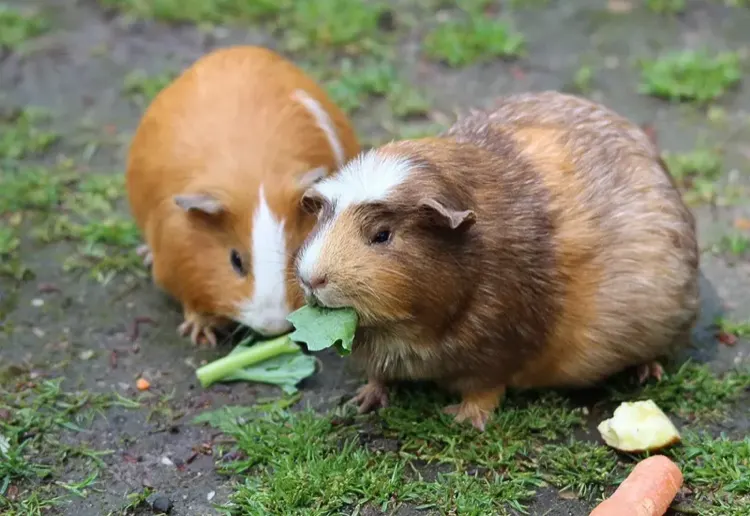
Your guinea pigs were fine yesterday, but now they’re lunging at each other. What changed?
Guinea pigs fight for specific reasons: dominance disputes, wrong pairings, not enough cage space, or illness. A cage under 10.5 square feet is a common trigger when housing two piggies.
The good news is that most fights can be stopped and prevented.
Why Do Guinea Pigs Fight?
To Establish Dominance
When guinea pigs fight over dominance, the signs include snorting, butt dragging to mark territory, and teeth chattering. They’ll also open their mouths to show teeth, chase each other, raise hackles, and mount.
When the fight is over, one guinea pig becomes submissive and the other takes the dominant role.
Boredom
Guinea pigs need mental stimulation. Without toys or activities, they get irritated and start fighting.
Chew toys made from wood sticks or logs are great options. Tunnels, cardboard huts, and plenty of hay also keep them occupied.
Letting them explore outside their cage in a cavy-proofed room is another way to burn energy.
You can hide treats around the cage for a fun exercise. A tired guinea pig is much less likely to pick a fight.
Pairing Problems
How you pair guinea pigs matters a lot, both in terms of sex and personality.
Sex: Never pair a female with two males. The males will fight over her and may hurt her in the process.
One male with one female works, but they’ll breed. Guinea pigs can give birth up to six times a year with eight pups each, so neutering the male is recommended.
One male with two or more females also works well. The safest pairing is same-sex groups of two to three.
Personality: Guinea pigs are either submissive or dominant by nature. When neither wants to back down, fighting starts.
Pairing an older pig with a younger one often works because the older pig naturally takes the dominant role.
As young guinea pigs mature, they may challenge the older one. This is normal, but watch for injuries from biting and scratching.
Not Enough Space or Food
Guinea pigs are social but need their own space. Too many pigs in a small cage causes irritation and fighting.
Most store-bought cages are only 7.5 square feet, which is too small. An ideal cage for two guinea pigs should be at least 10.5 square feet.
Provide enough food bowls, water bottles, and hiding spots to go around. When resources aren’t scarce, fights over them drop significantly.
Injury or Illness
Guinea pigs that have lived peacefully together for a long time and suddenly become aggressive might be sick or injured. Pain makes them irritable.
Check for signs of illness or visible injuries. If you can’t find the cause, call a vet.
Keep the cage clean, provide fresh food daily, and consider a sand bath for regular grooming.
Playing vs. Fighting: How to Tell the Difference
Play signs include gentle humping, sniffing each other, and light chasing. These interactions are calm and brief.
Fighting signs include lunging with hostile intent, biting that draws blood, loud vocalizations, rearing up, and aggressive teeth chattering. If you see these, it’s time to step in.
5 Steps to Stop Guinea Pig Fighting
Step 1: Provide Enough Food
Place food in different feeding spots throughout the cage. This prevents guinea pigs from crowding around one area and fighting over limited portions.
Don’t forget multiple water bottles, plenty of hay, and vitamin C-rich foods.
Step 2: Divide the Cage
If your cage is large enough, use a divider to separate fighting guinea pigs temporarily. They can still smell each other through the divider, which helps them calm down and get used to each other’s presence.
Remove the divider when things seem peaceful and observe whether they get along.
Step 3: Create Distractions
Fill the cage with tunnels, chew toys, balls, and hay piles they can hide under and explore. Distractions redirect energy away from conflict and keep bored pigs entertained.
Step 4: Clean the Cage Thoroughly
Use an antibacterial spray to clean the entire cage. This removes territorial scent marks and resets the social dynamic.
After cleaning, add fresh hay and clean newspaper. A neutral-smelling cage reduces tension between guinea pigs.
Step 5: Separate Into Different Cages
If the cage can’t be divided and fights keep happening, put the guinea pigs in separate enclosures. After some time apart, try reintroducing them in a neutral space.
If they still fight after several attempts, they may have incompatible personalities and need to live separately.
Can Guinea Pigs Kill Each Other?
It’s rare but possible. An older, larger guinea pig paired with a much younger one could seriously injure or kill the smaller pig.
Be cautious during introductions and make sure there’s plenty of room, food, and hiding spots for the smaller pig to escape to.
Preventing Fights Before They Start
The best approach is prevention. Make sure the cage is large enough, and provide duplicates of everything: toys, hideouts, water bottles, and tunnels.
Guinea pigs enjoy company but also need alone time. Let them exercise outside the cage regularly, and hide treats for mental stimulation.
Common Questions About Guinea Pig Fighting
Can Male Guinea Pigs Fight?
Yes. Males fight over females, territory, boredom, or when they’re sick.
Same-sex pairing is still recommended because it eliminates breeding complications.
Is Chasing Normal?
Chasing can be playful or part of establishing hierarchy. It becomes a problem only when it turns aggressive with intent to harm.
Step in if you see lunging or biting.
Do Female Guinea Pigs Fight?
Female fights are rare and usually about establishing dominance. Once the hierarchy is sorted, the fighting stops.
It’s generally not a long-term concern.
How Long Do Dominance Fights Last?
Dominance battles typically take two to three days to resolve. If fighting continues beyond twenty days, it’s likely a personality clash, and permanent separation may be the only solution.
Should You Separate Guinea Pigs That Fight Constantly?
Guinea pigs are social and prefer company. Try removing the cause of fighting first.
If nothing works and their personalities simply don’t match, separation is the right call.
Is Nipping Normal?
Gentle nipping between guinea pigs is actually a sign of affection. They also nip to remove bugs and dirt from each other’s fur.
It’s not the same as aggressive biting.
Can Weather Cause Fighting?
Yes. During warmer spring and summer months, guinea pig hormones spike.
This increased hormonal activity can make them more aggressive and trigger fights.
Final Thoughts
Guinea pig fights are stressful to witness, but they’re almost always preventable or fixable. The most common causes are limited space, wrong pairings, and boredom, all of which have straightforward solutions.
When a fight does break out, protect yourself with thick gloves or a towel before separating them. Give each pig its own space to cool down before attempting reintroduction.
If fights persist despite your best efforts, some guinea pigs simply aren’t compatible. There’s no shame in housing them separately.
A peaceful, stress-free environment is more important than forcing a friendship that isn’t working.
Frequently Asked Questions
Never put bare hands between fighting guinea pigs, as they can bite hard enough to draw blood. Wear thick oven mitts or use a towel to gently separate them. Place each pig in a separate space where they can't see or hear each other until both have completely calmed down.
In most cases, yes. Temporary separation followed by gradual reintroduction in a cleaned, neutral space works for many pairs. Start with side-by-side cages so they can smell each other, then supervise their first reunions closely. Permanent separation is only needed when repeated attempts consistently fail.
Two guinea pigs need a minimum of 10.5 square feet, though bigger is always better. Each additional guinea pig requires about 2 to 3 extra square feet. Cramped quarters are one of the most common fight triggers, so upgrading cage size often solves aggression problems on its own.
Dominance behavior typically begins when guinea pigs reach sexual maturity, around 3 to 5 months old. Young pigs that previously got along may suddenly start challenging each other as hormones kick in. This is a normal developmental stage that usually resolves within a few days of sorting out the hierarchy.