
Your piggy is eyeing that blackberry. Can they have it?
Guinea pigs can eat blackberries, including the skin and seeds. One berry contains about 21 mg of vitamin C per 100g, plus antioxidants and fiber that support a healthy immune system.
But blackberries also carry about 4.88g of sugar per 100g. For a tiny animal that’s prone to diabetes, that means strict portion control.
One or two berries, once or twice a week, is plenty.
If your guinea pig is already overweight, you’ll want to be extra careful.
Can Guinea Pigs Eat Blackberries?
Guinea pigs can eat blackberries with their skin and seeds.
Just remember, canned blackberries and their juices aren’t good for guinea pigs. They’re harmful because of added sugars and preservatives.
Blackberries are high in sugar, and too much can lead to digestive problems. Use them, of course, but don’t overdo it.
Blackberries are commonly used in sweets and jams, but that doesn’t mean we should start feeding all these processed products to our guinea pigs.
Can Guinea Pigs Be Hypersensitive to Blackberries?
Guinea pigs aren’t hypersensitive to blackberries at all. In fact, blackberries rank among the top exotic fruits guinea pigs enjoy.
Including this delicious, healthful fruit in your guinea pig’s diet will help keep them healthy, fit, and energetic. If you’re feeding your guinea pig a blackberry for the first time, watch them for 24 hours as a precaution.
If you notice diarrhea or any adverse symptoms, stop feeding further to avoid side effects. Some packaged blackberries contain extra sugar, which can be very harmful.
Do Guinea Pigs Like Blackberries?
Most guinea pigs love to eat blackberries. This fruit has many benefits, and besides being delicious, it refreshes them too.
At the same time, if used in excess, blackberries can prove counterproductive instead of beneficial. If your guinea pig enjoys blueberries, there’s a good chance they’ll love blackberries too.
Are Guinea Pigs Allowed to Eat Blackberries?
Yep. Guinea pigs are permitted to eat blackberries, but it’s important to feed them in moderation.
A moderate amount won’t be a problem.
If your guinea pig is obese or has diseases such as diabetes, blackberries can be dangerous because they contain a large amount of sugar.
What Are the Hazards of Overeating Blackberries?
Digestive Problems
Blackberry is a useful fruit for guinea pigs, but it can cause digestion problems due to its high sugar content. Guinea pigs aren’t able to digest sugar well, which is why you shouldn’t feed blackberries as a daily food item.
Dental Health Issues
Too much sugar in blackberries can also cause dental problems. Guinea pigs may be at risk for cavities and gum disease from excessive sugar consumption.
Are Blackberries Nutritious for Guinea Pigs?
Blackberries are good for guinea pigs when fed in limited quantities. Overfeed them and they’ll be harmful.
In moderation, there’s no risk.
Blackberry is an excellent food that contains a lot of essential nutrients and offers real health benefits.
Nutrient Information
The 100-gram serving of blackberries contains the following:
- 22 mg of Phosphorus
- 20 mg of Magnesium
- 0.62 mg of Iron
- 29 mg of Calcium
- 21 mg of Vitamin C
- 214 IU of Vitamin A
- 0.49 grams of Fat
- 4.88 grams of Sugars
- 5.3 grams of Dietary fiber
- 9.61 grams of Carbohydrates
Let’s briefly discuss the health benefits for guinea pigs.
High Fiber
Blackberries are a common source of soluble and insoluble fiber. Guinea pigs’ diets must be high in fiber.
Soluble fiber dissolves in water and helps lower blood sugar levels and maintain cholesterol levels. Insoluble fiber isn’t soluble in water and helps with healthy digestion.
Guinea pigs can get these benefits through high dietary fiber:
- Increases regular intestinal movement
- Helps control sugar levels
- Helpful for maintaining a healthy weight
Vitamin A
Blackberries are an excellent source of vitamin A, which protects against several diseases. It improves the immune system and strengthens teeth and bones.
Vitamin C
Vitamin C is a essential nutrient for guinea pigs. Like other animals that can’t produce vitamin C on their own, they make up for the deficiency through their diet.
Vitamin C helps guinea pigs in several ways:
- Helps a lot in wound healing
- Plays a major role in body regeneration
- Very useful for the body to absorb iron
- Prevents scurvy
- Keeps eyesight healthy
Vitamin K
Blackberries contain high amounts of vitamin K, which helps in blood clotting. In guinea pigs, it boosts the immune system.
If your cavy is struggling with injuries, using blackberries can be very beneficial.
Manganese
Manganese is essential for the body, and blackberries are one of the best sources. Manganese helps control blood sugar levels and stabilize the guinea pig’s cardiovascular system.
Brain Health
Eating blackberries helps balance the guinea pig’s brain health and keeps them very active. With age, it can help slow memory loss.
Antioxidants
The antioxidants in blackberries are effective in fighting free radicals. Free radicals cause cancer and heart disease, damage cells, and worsen overall health.
What Is the Serving Size of Blackberries for Guinea Pigs?
For humans, blackberries are small fruits that can be eaten in large quantities at one time without any harm. But for guinea pigs, the situation is very different because they’re so small.
For guinea pigs, even one blackberry can fill their stomach. Your guinea pig may love the taste when they eat it for the first time, but don’t give them the freedom to eat freely.
Overfeeding will affect their digestive system.
As they get familiar with them, putting berries in small pieces can be a great strategy. Watch for symptoms of digestive problems after each feeding.
It’s best to give baby pigs one whole berry or a portion of a berry. For adult guinea pigs, 2 or 3 berries can be used at one time.
It’s better to feed a small amount at a time because your guinea pig’s stomach is very small.
Some Dietary Facts About Blackberries and Guinea Pigs
Blackberries are safe and helpful for your cavies. Their dark color is proof that they act as an antioxidant.
Although they’re very small in size, they still have plenty of vitamins, which is an important part of your cavy’s diet. The whole blackberry, including the skin and seeds, isn’t harmful to the guinea pig.
When feeding a berry to your guinea pig for the first time, watch them carefully for the next 24 hours. If you see any symptoms of diarrhea, take your guinea pig to the vet immediately.
How Often Can Guinea Pigs Eat Blackberries?
I’d recommend feeding blackberries at most 1 or 2 times a week.
Blackberries contain a lot of nutrients like vitamin C, but it’s worth noting they also contain high amounts of sugar. Due to this high sugar content, they can’t be fed daily.
If your piggy enjoys berries, try rotating between blackberries, raspberries, and strawberries throughout the week.
Can Guinea Pigs Eat Blackberry Leaves?
For sure. You can feed guinea pigs blackberry leaves.
Many people don’t know that cavies can enjoy the leaves as food too.
Blackberry leaves can be helpful in treating sore throat, mouth ulcers, and gingivitis in some animals. They’re also sometimes used to prevent digestive issues.
Can Guinea Pigs Eat Blackberry Seeds?
Blackberry seeds contain omega-3, omega-6, and ellagic acids. Since a small amount won’t have a bad effect on guinea pigs, using a small amount is fine.
Don’t worry about picking out individual seeds. Your guinea pig will handle them naturally when eating the whole berry.
Can Guinea Pigs Eat Blackberry Skin?
Absolutely. Guinea pigs can eat blackberries with the skin, as it doesn’t cause harm.
Just be sure to wash the blackberry well before feeding. It may have been sprayed with chemicals or picked up dirt.
Can Guinea Pigs Eat Wild Blackberries?
Definitely. Guinea pigs can eat wild blackberries.
Wild blackberries are just like any other blackberry.
However, wild blackberries can contain worms. In uncommon cases, wild berries can be poisonous.
So only use wild blackberries when you’re sure they’re safe.
Eating poisonous blackberries can endanger your guinea pig’s life. Wash them with cold water and dry them with a paper towel before serving.
Can Guinea Pigs Eat Blackberry Jam?
No. Don’t feed guinea pigs blackberry jam because these jams contain a lot of added sugar.
The process used for making jam isn’t safe for guinea pigs. Their digestive system doesn’t allow them to eat anything that’s processed.
If your guinea pig has been eating high-sugar foods for some time and they’re often thirsty or always looking for water, that could be a sign they’re developing diabetes.
Can Guinea Pigs Eat Canned Blackberries?
No. You can’t feed guinea pigs canned blackberries because they aren’t good for their health.
Chemicals are often used in canned foods, and they add a lot of sugar. Preserved food and sugar together can be very dangerous for guinea pigs.
Avoid feeding canned products as much as possible.
Can Guinea Pigs Eat Frozen Blackberries?
Guinea pigs can eat frozen blackberries, but make sure they’re fully thawed and at room temperature before serving.
Frozen blackberries eaten cold can cause diarrhea and other health problems. That’s why you should make sure they’re only fed fresh, raw blackberries at room temperature.
Can Guinea Pigs Eat Dried Blackberries?
No. Don’t feed guinea pigs dried blackberries.
Dried blackberries are high in sugar, and sugar is very harmful to guinea pigs. It can also stick to their teeth while chewing, creating dental problems.
Can Guinea Pigs Have Blackberry Juice?
Nope. Guinea pigs can’t have blackberry juice.
Blackberries already have a lot of sugar in them.
Feeding blackberry juice would double the amount of sugar, which isn’t good for guinea pigs. Avoid it as much as possible.
Can Guinea Pigs Eat Raspberries?
They sure can. Guinea pigs can eat both blackberries and raspberries because they have similar nutrition.
What they have in common is that they both contain a lot of sugar.
Both should be used occasionally. The combined use of these two in one sitting can lead to too much sugar at once.
Never feed more than half of each berry type at a time if you’re combining them.
How to Prepare Blackberries for Guinea Pigs
Preparing blackberries for your guinea pig is easy. Just follow these simple steps:
Step 1: Choose Ripe Berries
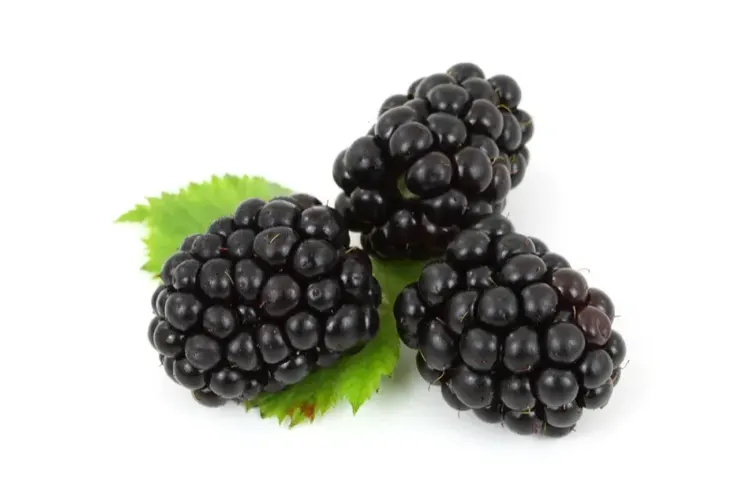
Pick a fully ripe, dark blackberry. Avoid buying red or underripe blackberries.
Step 2: Wash Thoroughly
Wash them thoroughly since pesticides and chemical sprays are commonly used on fruits. A good rinse with water removes most residue.
Step 3: Cut Into Pieces
Cut the fruit into small pieces because guinea pigs can choke on larger pieces. While blackberries are small enough for most guinea pigs to handle, cutting them makes eating more comfortable and safer.
Step 4: Serve and Clean Up
Blackberries can be served in a bowl or by hand. Serve them at room temperature, as frozen blackberries can cause digestive problems.
Remove any uneaten pieces afterward since leftovers attract flies and can be dangerous for your guinea pigs.
Final Thoughts
Blackberries are a nutritious occasional treat for guinea pigs when fed sparingly. They provide essential vitamin C, antioxidants, fiber, and other nutrients that support your piggy’s health.
Stick to one or two berries, once or twice a week. Always serve them fresh, washed, and at room temperature.
If your guinea pig is overweight or diabetic, it’s best to skip blackberries entirely and choose lower-sugar vegetables instead. When in doubt, consult your vet about the best treat options for your specific piggy.
Sources
https://thepetverse.com/can-guinea-pigs-eat-blackberries-and-blueberries/
https://wereallaboutpets.com/can-guinea-pigs-eat-blackberries
Frequently Asked Questions
You can combine blackberries with other safe berries like blueberries or cherries. Just keep the total fruit serving small, around one to two berries total. Mixing berries in one sitting increases the sugar load, so reduce each fruit's portion accordingly.
Watch for diarrhea, bloating, loss of appetite, or unusual thirst in the hours after feeding. If your guinea pig seems lethargic or refuses their regular hay and pellets, they likely had too much. Cut back on fruit and contact your vet if symptoms persist beyond 24 hours.
Blackberry leaves are lower in sugar than the fruit itself, making them a safer option for more frequent feeding. They still contain beneficial nutrients and antioxidants. However, introduce them gradually and make sure they haven't been treated with pesticides before offering them to your guinea pig.