
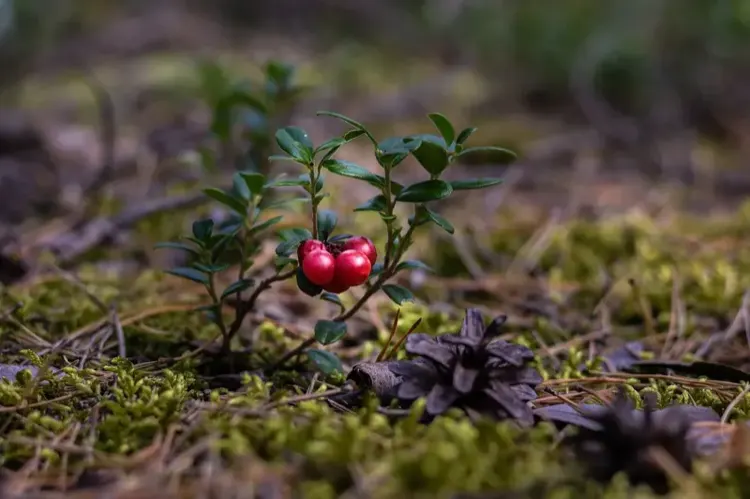
Cranberries are everywhere during the holidays, and you might be wondering if your guinea pig can join in. Good news: they can, with some rules.
Fresh, raw cranberries are safe and provide vitamin C with relatively low sugar compared to other fruits. But cranberry jam, jelly, and sauce are off-limits because of the added sugar.
Can Guinea Pigs Eat Cranberries?
Your guinea pig can eat cranberries without worry. Despite some misconceptions, guinea pigs aren’t allergic to them.
Cranberries contain vitamin C, vitamin E, manganese, and natural sugars that support your pig’s health. Still, keep an eye on your piggy for a full day after feeding cranberries for the first time.
When fed in moderation, cranberries are safe and support urinary tract health. But processed versions like craisins or dried cranberries won’t give the same results.
If you enjoy feeding your piggy berries, you might also want to check out our guides on blueberries and raspberries for guinea pigs.
Can Guinea Pigs Have Cranberry Juice?
You can offer 1 to 2 cranberries (about 5 grams) of cranberry juice to your guinea pig. It’s safe in limited quantities.
Cranberry juice consumption lowers blood pressure and reduces inflammation markers. Just don’t go overboard with the amount, or it could backfire.
Can Guinea Pigs Eat Dried Cranberries?
Dried cranberries contain high sugar, fat, and calories, which makes them a poor choice for guinea pigs. Their bodies are delicate and can’t handle the concentrated sweetness.
The sugar content in dried cranberries is much higher than in raw ones. It’s best to skip dried cranberries and stick with fresh.
Can Guinea Pigs Eat Cranberry Sauce?
Guinea pigs can’t eat cranberry sauce. The cooking process changes the cranberry in ways that make it unhealthy for your pet.
This applies to craisins as well. Cranberry sauce goes through different cooking and processing steps that make it unsuitable.
Avoid feeding any type of cooked food to your guinea pig.
Can Guinea Pigs Eat Cranberry Stems?
Cranberry stems have no real nutritional value. They won’t provide your pig with vitamins, calories, or benefits like the fruit itself does.
Stems can actually cause digestive problems for guinea pigs. It’s best to remove them before serving.
Do Guinea Pigs Like Cranberries?
Most guinea pigs love cranberries. The attractive red color catches their eye, and the sweet-tart flavor keeps them coming back.
Once the juicy fruit hits their mouth, the burst of sweetness gives them a great experience. You’ll probably notice your piggy getting excited when cranberries come out.
What Are the Health Benefits of Cranberries for Guinea Pigs?
Cranberries are a nutritious fruit for both humans and animals. These benefits matter most for your guinea pig.
Prevent Urinary Problems
According to the Journal of Nutrition, cranberries help reduce urinary problems. They work by preventing bacteria from sticking to urinary walls, which reduces the risk of UTIs in guinea pigs.
Support Kidney Health
If your guinea pig doesn’t drink enough water, kidney problems can develop. Cranberry juice can help prevent kidney stones before they form.
Reduce the Risk of Cancer
Cranberries contain vitamins and minerals that fight cancerous cells. They also slow the growth of existing cancer cells, giving your piggy an extra layer of protection.
Prevent Heart Disease
Guinea pigs can have heart problems too. The juice from cranberries keeps the heart fresh and healthy, reducing the risk of heart-related issues.
Support Oral Health
Bacteria can stick to your guinea pig’s teeth after eating. Cranberries contain proanthocyanidins, which prevent bacteria from clinging to teeth and help maintain good oral health.
Improve Blood Circulation
An unhealthy diet and other factors can disrupt blood circulation in animals. Fresh cranberries are about 90% water, which helps keep your pig hydrated and blood flowing smoothly.
Boost Overall Health
Digestive issues are one of the most common health problems in guinea pigs. Regular, moderate cranberry feeding can help sort out several of these concerns.
Vitamins and Nutrition in Cranberries
Let’s dig into what makes cranberries nutritious for guinea pigs.
High Fiber and Carbs
Ripe cranberries get their sweetness from a combination of sucrose and fructose. The rest of the fruit is mostly water.
Together, the water and natural sugars make cranberries a good source of fiber and carbs.
Fiber and carbs help prevent obesity, diabetes, and high cholesterol in guinea pigs.
Vitamin C
Vitamin C is critical for guinea pig health. It strengthens muscles and bones, and cranberries provide a solid amount.
You can also compare cranberry’s vitamin C content with other berries like strawberries.
Vitamin E
Vitamin E is a fat-soluble nutrient that’s good for pigs and humans alike. It helps repair damaged cells and plays a role in preventing heart disease and arthritis.
Manganese
If your guinea pig needs help with cholesterol or carbohydrate metabolism, manganese can help. It’s important for body growth and reduces inflammation.
Cranberries deliver a healthy dose of it.
Copper
Copper protects blood cells and supports the immune system. Consuming adequate copper keeps nerve cells fresh, active, and healthy.
Cranberries are a reliable source.
For more details, you can review nutrition studies involving guinea pigs.
What Happens if Guinea Pigs Eat Too Many Cranberries?
Raw cranberries are beneficial, but too many can cause harm. Overfeeding leads to several problems.
Digestive Problems
Too much sugar and complex carbs from cranberries can cause stomach aches. Keep portions controlled to avoid digestive upset.
Sugar Problems
Cranberries contain natural sugars. Too much sugar leads to diabetes, which is a real concern for guinea pigs.
Blood Circulation Issues
High sugar doesn’t just cause diabetes. It also disrupts blood circulation, which can lead to heart and brain problems in guinea pigs.
Kidney Stones
While moderate cranberry intake supports kidney health, too much can have the opposite effect and contribute to kidney stone formation.
Constipation
Excessive cranberry consumption can cause constipation. Don’t feed too many at once, and keep your piggy’s portions reasonable.
How Many Cranberries Can Guinea Pigs Eat at a Time?
One to two small cranberries at a time is plenty. This gives your pig enough to enjoy without overloading their stomach.
At this amount, they can digest cranberries easily and get the benefits without the risks.
How to Prepare Cranberries for Guinea Pigs
Cutting Fresh Cranberries
Preparing cranberries properly helps prevent stomach problems. Select organic cranberries that are fully ripe and bright red.
Cut each cranberry into small pieces that your pig can eat in one bite. Serve them fresh in a bowl or feed directly by hand.
Making Cranberry Juice
If you want to offer cranberry juice, slice each cranberry in half for easier blending. Put the sliced cranberries into a juice maker with a little water.
Blend until smooth and serve in a small bowl. The juice is smooth and sweet, and most piggies love it.
What Are the Alternatives to Cranberries?
If you’d rather not feed cranberries, there are plenty of similar options. Blackberries, elderberries, and blueberries all have comparable levels of acid and sugar.
You can also try cherries as another berry option for your guinea pig. These fruits can fill the same nutritional role in your piggy’s diet.
What Should I Feed My Guinea Pig?
Cranberries aren’t the only food your guinea pig needs. You should know the full diet requirements for your pet.
Grass and Hay
Guinea pigs can eat sweet-smelling dry grass and hay every day. Grass provides protein and calcium that build a strong body.
The chewing involved also keeps their teeth healthy. Make dried grass a regular part of their diet.
Green Vegetables and Herbs
Fresh green vegetables are another essential food group. Mix up the rotation so your piggy doesn’t get bored.
Good options include snow peas, dandelions, cabbage, and broccoli. For herbs, try coriander, parsley, or dill.
Clean Fresh Water
Clean fresh water is an everyday requirement. Make sure your guinea pig drinks enough, especially after meals.
Water supports digestion and overall health.
Guinea Pig Pellets
Guinea pigs need vitamin C for wound healing and overall wellness. If you don’t want to rely solely on cranberries for that, commercial pellets enriched with vitamin C are a solid backup.
Don’t make pellets the main part of their diet, and don’t let them eat too many.
What Food Is Harmful to Guinea Pigs?
Some foods are outright dangerous. Keep these away from your piggy.
Chocolate
Chocolate and anything with caffeine is harmful to guinea pigs.
Meat
Whether it’s chicken, pork, or beef, meat isn’t suited for a guinea pig’s stomach.
Cooked Food
Guinea pigs can’t eat cooked food. It causes digestive problems.
Keep everything fresh and raw.
Avocado
Avocado can cause skin and other problems after consumption. Avoid it when your pig is healthy.
Onion
Onions, garlic, ginger, and other spices cause blood disorders and digestive problems. Keep them away from your guinea pig.
Tomato Leaves or Stalks
While tomatoes themselves are fine, the leaves contain high levels of toxin that can cause serious internal damage.
Final Thoughts
Fresh, raw cranberries are a safe and nutritious treat for your guinea pig. They offer vitamin C, antioxidants, and other nutrients that support urinary health, circulation, and immunity.
The key is moderation. Stick to one or two small cranberries a couple of times per week, and always serve them fresh and cut into small pieces.
Skip the dried cranberries, cranberry sauce, and cranberry juice in large amounts. Fresh is always best for your piggy.
Frequently Asked Questions
Feeding cranberries daily isn't recommended because of the sugar content. Two to three times per week is the sweet spot for most guinea pigs. This gives them the vitamin C and antioxidant benefits without the risks of excessive sugar intake or digestive problems.
Frozen cranberries are safe once they're fully thawed to room temperature. Never feed them frozen, since cold food can upset your guinea pig's sensitive stomach. Thaw them completely, then cut into small pieces before serving just like you would with fresh cranberries.
Offer a small piece and watch your guinea pig's reaction closely. Most piggies will eagerly eat cranberries because of the sweet-tart flavor and bright color. If they ignore it or push it aside, they might not be fans, and that's perfectly normal.
Cranberries contain vitamin C but not enough to be your pig's sole source. They work best alongside other vitamin C-rich foods like bell peppers and leafy greens. Think of cranberries as a tasty supplement rather than a complete replacement for a varied diet.