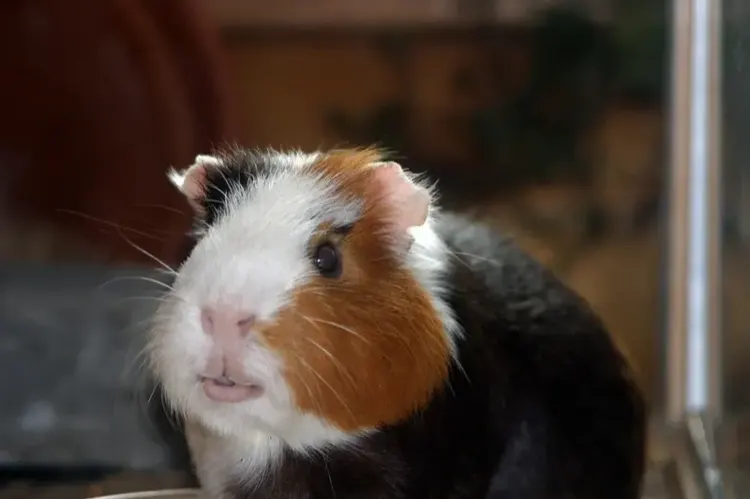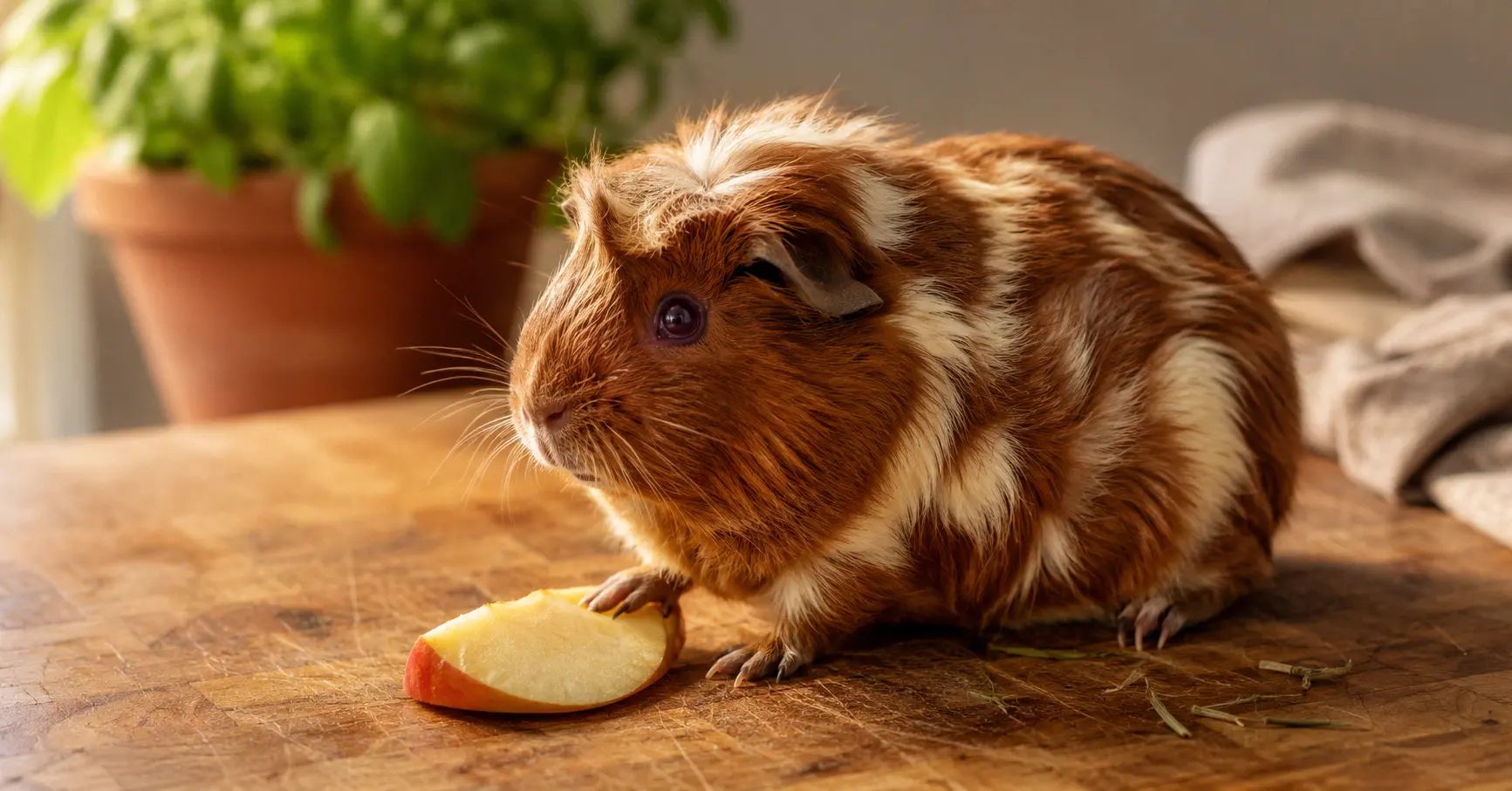

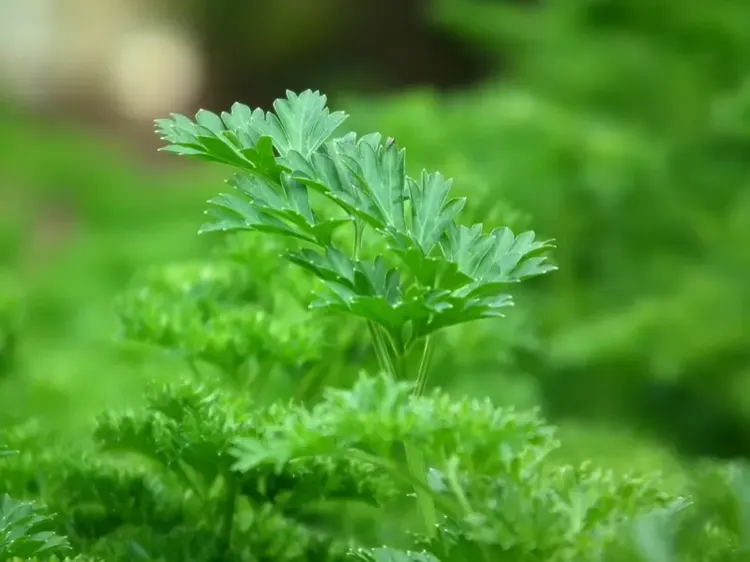
Parsley is one of the richest vitamin C sources you can offer your guinea pig, but the high calcium content means portions matter a lot. Here’s a complete guide on types, serving methods, and how to balance parsley safely in your piggy’s diet.
Can Guinea Pigs Eat Parsley?
Guinea pigs can eat parsley because it’s highly enriched in vitamin C and other nutrients. Vitamin C is an essential part of the guinea pig diet since they can’t make it on their own.
Guinea pigs are herbivores and only eat plants, which makes parsley a natural fit.
Before we continue, here are the healthiest guinea pig foods on the market:
[amazon box=“B079RR6CC3, B0013L2DSC” template=“box”]
Parsley and the Guinea Pig
Parsley originates from southern Europe and western Asia. It’s rich in vitamins and nutrients like iron, potassium, and phosphorus.
Guinea pigs love to eat parsley, and it helps round out a balanced diet. It contains the basic nutrients and vitamins needed for proper growth.
But owners need to take precautions when serving parsley. Feeding a large amount can lead to bladder stones because parsley is rich in both vitamins and calcium.
That calcium factor can cause serious health concerns. If you’re looking for similar herbs that are safer in larger quantities, check out cilantro and basil.
What Are the Hazards of Overfeeding Parsley?
The bright side is that parsley provides major essential elements like vitamins and minerals that guinea pigs can’t produce on their own. These nutrients are highly needed for proper growth and functioning.
But excess of everything is bad, and that applies here too. Some of the most common issues from overfeeding parsley include:
Diarrhea
Guinea pigs have a sensitive digestive system. Overfeeding parsley, and other veggies and fruits can lead to diarrhea and loose stools.
Bladder Stone Formation
The high calcium content can lead to the formation of bladder stones. This is a serious and very painful condition that requires veterinary care.
What Is the Right Serving Size?
Parsley is rich in vitamins A, B, and C. These vitamins can’t be produced within the guinea pig’s body, so they have to come through food.
But due to the high calcium load, parsley should be provided in a very controlled manner. It’s not something to serve every single day.
How Much Parsley Should You Serve?
The main concern is that too much calcium isn’t good for pigs. Calcium is essential for proper growth, but due to their sensitive digestive system, guinea pigs can’t handle more than a certain amount.
The worst-case scenario from overfeeding is kidney stones.
Here are the serving guidelines:
- Don’t give parsley as a regular daily treat. Make it an occasional one.
- Serve 2-3 times a week at most.
- Never serve more than 6-9 small stems at once.
Don’t cross this limit, as the high calcium and oxalic acid in parsley can damage your pig’s health. Mix parsley with other veggies and fruits when serving.
Try to serve a fresh cup of mixed veggies no more than 3 days a week. For other herb options, dill and mint are also good choices to rotate with parsley.
How to Serve Parsley to Your Guinea Pig
The best way to serve parsley is to mix it in pieces along with other vegetables and fruits. Remember you can only serve parsley up to 3 times a week, and always keep it to 6-9 stems at once.
Why Is Parsley Good for Guinea Pigs?
Here are the main benefits of parsley and why it belongs in your guinea pig’s diet plan.
Prevents Scurvy
Scurvy is caused by vitamin C deficiency. Parsley helps prevent it thanks to the large amount of vitamin C packed inside.
Early symptoms of vitamin C deficiency include weakness and fatigue. In the worst cases, it leads to bleeding from the skin.
Scurvy is the most commonly diagnosed disease among guinea pigs, and parsley is one of the best natural preventatives.
Supports Healthy Vision
Parsley is also enriched in vitamins A and B. Vitamin A helps improve eyesight and maintain better vision.
Guinea pigs have genetically declining eyesight, meaning it weakens with age. Being rich in vitamin A, parsley can help maintain healthier, longer-lasting vision.
Boosts Healing
Being rich in vitamin K, parsley can boost the healing process after an injury. Vitamin K assists in blood clotting, which helps wounds cover up quickly and leads to a speedier recovery.
Supports Overall Health
Parsley is enriched with minerals like calcium, iron, potassium, and phosphorus. These are all major parts of essential nutrition for guinea pigs and help support healthy growth.
Avoid Parsley Flakes
The roots, stems, and leaves of parsley are fine to serve, but avoid the flakes. While roots, stems, and leaves contain the same beneficial ingredients, flakes contain preservatives and other substances that aren’t good for guinea pigs.
Can You Serve Dried Parsley?
It’s dangerous for your guinea pig’s health. Dried parsley contains both natural and artificial preservatives that are harmful.
It also doesn’t contain the same nutritional value as fresh parsley. Don’t serve your guinea pig dried parsley.
What Types of Parsley Are Good for Guinea Pigs?
Here are the common types and how they work for your piggy.
Italian Parsley
Italian parsley is good for your guinea pig, but it can only be served twice a week due to the high calcium and oxalic acid content.
Cow Parsley
This type isn’t similar to Italian parsley in appearance. It’s not flat and curvy like Italian parsley, but it’s still a good snack for your guinea pig.
Chinese Parsley
Almost the same as cow parsley, and a good snack for your pig.
Remember, parsley isn’t part of the regular daily diet. It should be provided in moderation to fill the need for vitamin C.
The major food for your guinea pig is quality hay, along with a supply of fresh, clean water.
Skincare Benefits
Any vegetables or fruits fed to guinea pigs can cause stomach problems like gas and bloating if overfed. The guinea pig’s digestive system isn’t built for large amounts of produce, so always stick to recommended portions.
How Much Food Does Your Guinea Pig Need?
Guinea pigs can eat too much. Feeding the wrong foods every day can ruin a guinea pig’s health and lead to serious conditions.
The key is remembering how much to feed. We give parsley to fill nutritional gaps, but it’s just one piece of the puzzle.
Fruits and Vegetables
Provide a mixture of vegetables 3 times a week. You can add fruits too, but since fruits have higher sugar content, they should make up a smaller portion than vegetables.
Quality Hay
The major food for a guinea pig is top-quality hay. Provide a continuous supply because hay helps guinea pigs maintain good health and prevents their teeth from growing too large.
Fresh Water
All organisms need water for proper functioning. Make sure to provide guinea pigs a continuous supply of fresh water.
It’s very helpful for flushing out harmful substances from the body.
Fresh Ingredients
No matter what you’re serving, always try to serve it fresh:
- Keep a consistent supply of fresh hay, fruits, and vegetables. Serve them in small pieces but don’t chop too small.
- Keep an eye on bowls. Make sure they’re empty, dry, and clean before adding fresh food.
- If there’s food left over after eating, you’re likely overfeeding your guinea pig.
- Remove all uneaten food before it starts to spoil.
Why Add Parsley to Your Guinea Pig’s Diet?
Some essential compounds can’t be made within the body and must be ingested through food. Guinea pigs can’t make vitamin C, but they need it for proper growth and function.
Parsley fills that role perfectly. It’s rich in vitamins C, A, and K.
Since guinea pigs have genetically declining eyesight, vitamin A helps maintain it. Vitamin K boosts recovery after injuries.
Serving Reminders
Guinea pigs have a vulnerable digestive tract. Anything more than needed can disrupt it.
Serve 2-3 times a week and always combine with other veggies and fruits.
Can Parsley Be Dangerous for Guinea Pigs?
It definitely can be. While parsley is rich in needed vitamins, it’s also rich in calcium and oxalic acid.
Excess calcium can accumulate in the kidneys and lead to kidney stones, gas, and gut problems.
That’s why it’s recommended to serve parsley only 2-3 times per week. Always provide fresh water alongside it.
How Can Parsley Make Guinea Pigs Sick?
If provided more than required, parsley will make your pig sick. Worst-case scenarios include kidney stones, diarrhea, gas, and even bleeding from the skin.
The only primary food for guinea pigs is quality hay. But since guinea pigs can’t synthesize vitamin C, it has to come through food or supplements.
Parsley is an excellent source, but the calcium makes it tricky. Too much calcium accumulates in the bladder and causes stones.
A Balanced Diet Matters
The correct diet is important for a long-lasting healthy body. Parsley must be part of it because it fulfills the requirements of vitamins C, A, and K.
But don’t forget to serve only 3 times a week. More than that will do more harm than good.
Benefits of Parsley for Guinea Pigs
Here’s a quick summary of the key benefits:
- Vitamin C prevents scurvy. Early symptoms include fatigue, weakness, and skin bleeding.
- Vitamin A supports eyesight. Guinea pigs have genetic eyesight degeneration, and vitamin A helps slow it down.
- Vitamin K boosts the immune system and helps pigs recover faster from injuries through improved blood clotting.
Healthy Snack Alternatives
You can’t give parsley every day, so here are some alternatives.
Supplements
You can provide supplements for important nutrients like vitamin C, potassium, and others. Natural food sources are generally more suitable for guinea pigs, though.
Natural Snack Options
There are plenty of other options besides parsley. These include carrot tips, mints, beets, spinach, and cabbage.
Serving Parsley Safely
Always serve parsley to your guinea pig 2-3 times a week and never more than 6-9 stems at once. Crossing that limit causes more harm than good.
Calcium is the main concern, as it accumulates in the bladder and causes stones. But calcium is also required for bone growth and development, so the goal isn’t to eliminate it.
It’s to avoid overloading the body.
Parsley is filled with calcium, ions, vitamins, and minerals along with oxalic acid. That’s why strict weekly limits are so important.
Always serve small stems because their digestive tract is sensitive.
Can You Serve Parsley Instead of Hay?
No. Hay is the main diet of guinea pigs.
Provide a consistent source of fresh, top-quality hay along with clean water.
Feeding only parsley would result in severe sickness. Parsley is an occasional treat, 2-3 times a week, nothing more.
Hay keeps their digestive tract functioning properly.
Can Guinea Pigs Have More Parsley Than Hay?
Absolutely not. Parsley, high in calcium, can lead to severe diseases.
Hay is the major diet that keeps their digestive tract normal, healthy, and helps control teeth growth.
Serve mostly hay. Parsley and other vegetables are snacks that should be provided sparingly, 2-3 times a week, so they don’t develop issues from excess calcium.
Here are the top trending guinea pig products right now:
[amazon box=“B078BC54SJ, B07G77QHGQ, B072XXPB49, B08P41TCL8, B01NAPQIGL” template=“table”]
Final Thoughts
Guinea pigs can eat parsley, and it’s one of the best natural sources of vitamin C for them. Serve 6-9 small stems, no more than 2-3 days a week, mixed with other veggies for balance.
The high calcium and oxalic acid content is the main concern. Overfeeding can lead to bladder stones, diarrhea, and other painful conditions.
Always keep hay as the primary food and treat parsley as an occasional supplement.
Frequently Asked Questions
Both types are safe and offer similar nutritional profiles for guinea pigs. Flat-leaf Italian parsley tends to have a slightly stronger flavor that some piggies prefer. Curly parsley works just as well, so let your guinea pig decide which one it likes by offering a small piece of each.
Pregnant guinea pigs can eat parsley in 3 to 4 sprigs (about 5 grams) per serving, but you should be more cautious with portions. The extra calcium isn't ideal during pregnancy, so reduce servings to once or twice a week. Pregnant piggies have higher vitamin C needs, so consider rotating parsley with lower-calcium vitamin C sources.
Watch for signs of bloating, diarrhea, or decreased appetite over the next 24 hours. Offer plenty of fresh water and hay to help their digestive system recover. If your guinea pig shows signs of pain or discomfort when urinating, contact your vet right away as this could indicate bladder issues.
Growing parsley at home is a great idea because you'll always have a fresh supply without pesticides. Use organic soil and avoid chemical fertilizers. Harvest small amounts as needed and rinse the stems before serving. Homegrown parsley tends to be more nutritious than store-bought since it hasn't lost vitamins during transport.