
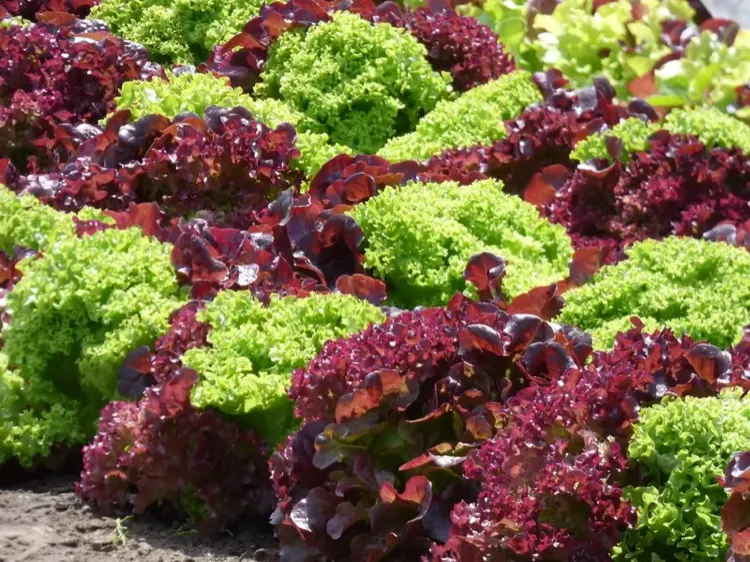
Red leaf lettuce is a safe and nutritious option for guinea pigs. It’s rich in vitamin A and vitamin C, low in calcium compared to romaine lettuce, and easy on your piggy’s digestive system.
Serve one to two leaves at a time, two to four times a week, and always mix it with other veggies for balanced nutrition.
Is Red Leaf Lettuce Good for Guinea Pigs?
Red leaf lettuce is good for guinea pigs. It’s rich in vitamin C and vitamin A, with low calcium and oxalate levels that make it safe for regular feeding.
Not all lettuce is equal though. Iceberg lettuce should be avoided completely, while most other varieties can be part of the everyday diet.
Nutrition in Red Leaf Lettuce
Red leaf lettuce is a great source of vitamin A, vitamin C, and vitamin B-6. Leafy greens like this help guinea pigs grow, improve digestion, and keep their teeth worn down properly.
Without green vegetables, guinea pigs can develop dental and digestive issues. Keep the diet diverse so your piggy doesn’t get bored and stop eating.
What Are the Health Benefits of Lettuce for Guinea Pigs?
Reduces Cholesterol
Vitamins A and K in red leaf lettuce help reduce and maintain normal cholesterol levels. High cholesterol can lead to heart disease and other organ problems in guinea pigs.
Improves Eyesight
Vitamin A is crucial for your guinea pig’s eyesight. Regular servings of red leaf lettuce help support healthy vision.
Protects Against Bacteria
The antioxidants in lettuce help prevent harmful bacteria from taking hold in your guinea pig’s body. Daily servings of lettuce contribute to a stronger immune system.
Improves Heart Health
Lettuce supports a strong, healthy heart in guinea pigs. The combination of vitamins and low fat content makes it a heart-friendly food choice.
Prevents Swelling and Inflammation
Red leaf lettuce can reduce the risk of swelling and inflammation. It also supports brain and muscle function in guinea pigs.
What Types of Lettuce Can Guinea Pigs Eat?
Most types of lettuce work well for guinea pigs, but some should be served less often. Safe varieties include:
- Radicchio lettuce
- Green leaf lettuce
- Little gem lettuce
- Red leaf lettuce
- Endives lettuce
- Romaine lettuce
Radicchio, romaine, and green leaf are the most nutritious options. They’re high in vitamins and low in calcium, which helps keep your guinea pig’s digestive system balanced.
Even though lettuce is healthy, it shouldn’t be the only thing your guinea pig eats. Hay and grass should remain the main ingredients in their diet, with lettuce and other veggies as supplements.
You can also try spinach or kale for variety.
What Kind of Lettuce Guinea Pigs Shouldn’t Eat?
Iceberg lettuce is the one type you should always avoid. It can disrupt your guinea pig’s digestive system and cause diarrhea, which leads to dehydration.
Dehydrated guinea pigs may stop eating and drinking entirely, which stalls their development. Even though one or two servings probably won’t cause serious harm, it’s not worth the risk.
Stick with romaine, red leaf, green leaf, and other nutrient-rich varieties instead.
How To Prepare Red Leaf Lettuce for Guinea Pigs
Wash the lettuce with water and vinegar to remove any soil or pesticide residue. Chop it into smaller pieces so your guinea pig can eat it easily.
Mix the lettuce with other vegetables to create a balanced meal. Lettuce alone isn’t enough for proper nutrition.
After your guinea pig finishes eating, remove any uneaten food from the cage. Leftover veggies can attract bacteria, rats, and flies.
How Much Lettuce Can Guinea Pigs Eat?
Stick to 1-2 leaves per meal to be safe. The serving size can vary based on your guinea pig’s size, but don’t overdo it.
Too much calcium from lettuce can cause bladder stones and indigestion. Red leaf lettuce is actually a better daily option than romaine because its calcium levels are lower.
Combine lettuce with other vegetables in each meal. The key to good nutrition is balance, just like it’s for humans.
How Often Can Guinea Pigs Eat Red Leaf Lettuce?
Rotate different types of lettuce throughout the week to prevent boredom and nutritional imbalances.
Recommended Feeding Frequencies by Lettuce Type
Romaine and green leaf lettuce can be served 5 to 7 times a week since they’re high in vitamin C with lower calcium levels.
Red leaf and butter lettuce should be limited to 2 to 4 times per week because of their higher calcium content.
Tango lettuce is best limited to once a week. And as always, skip iceberg lettuce entirely.
What Vegetables Are Good for Guinea Pigs?
Guinea pig meals should include a mix of vegetables, but not all veggies are safe for these small animals.
High-vitamin-C options include tomatoes, spinach, carrots, cucumbers, broccoli, zucchini, and parsley. Lower-vitamin-C options like basil, mint, thyme, asparagus, and beets are also beneficial.
Don’t combine too many vegetables at once. Each meal should include just a few carefully selected veggies to avoid nutritional imbalances.
How To Prepare a Combined Vegetable Meal for Guinea Pigs
Introduce one new vegetable at a time so your guinea pig’s digestive system can adjust. Always include at least one veggie that’s rich in vitamin C.
Wash all vegetables thoroughly to remove chemicals and pesticides. Don’t serve more than the recommended amounts, as overfeeding can lead to bladder stones, diarrhea, and obesity.
Keep the cage clean by removing uneaten food after each meal. Leftover food can breed harmful bacteria.
Can Guinea Pigs Eat Fresh Fruits?
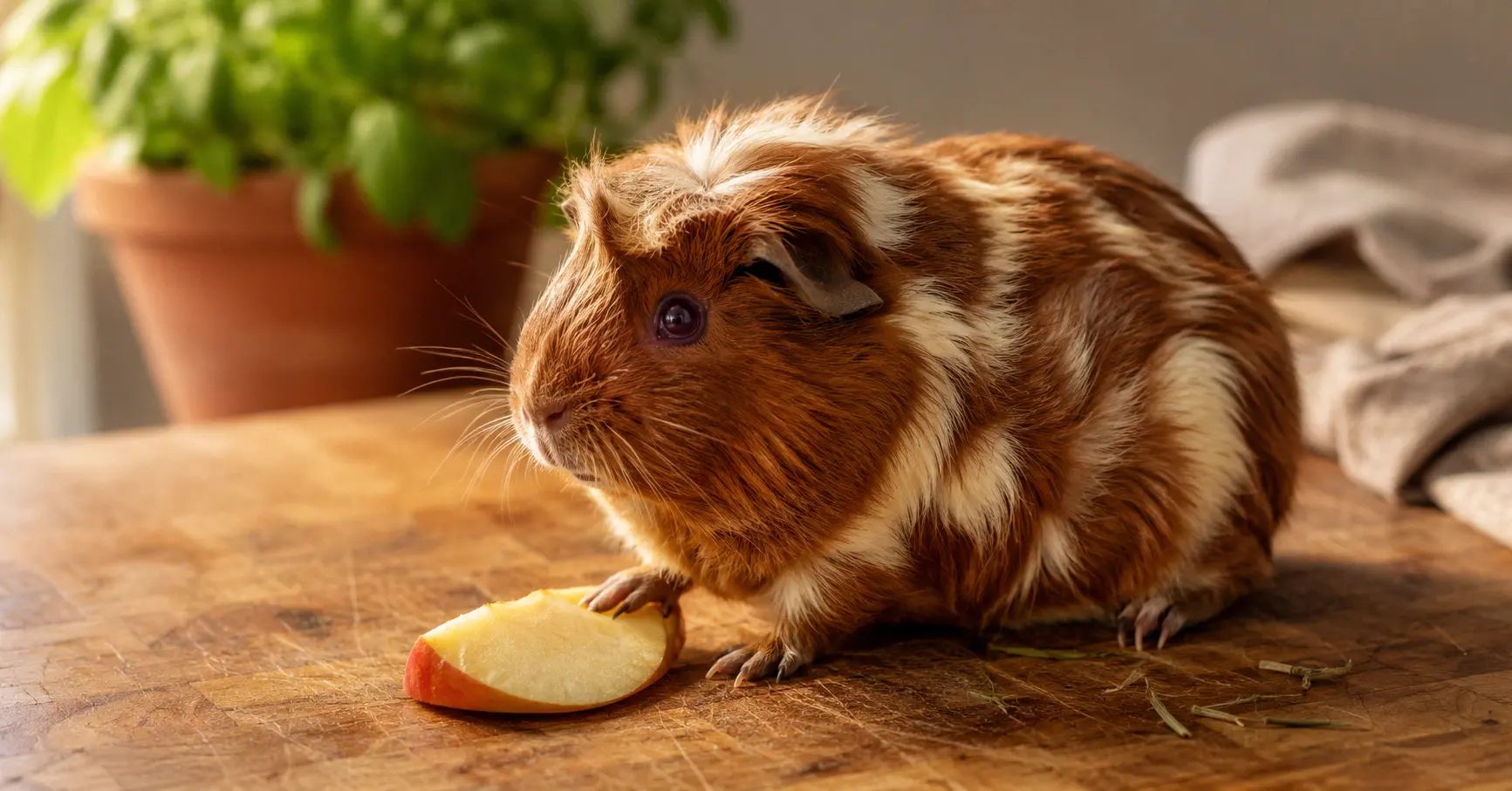
Fruit should only be given as an occasional treat because of the sugar content. Bananas should be rare due to high sugar, while blueberries can be served more often since they’re rich in vitamin C.
Oranges and pineapple are fine occasionally, but they can cause mouth sores if given too often. Always serve fruits in limited quantities.
Final Thoughts
Red leaf lettuce is a solid addition to your guinea pig’s diet. It’s rich in vitamins, low in harmful calcium, and easy for piggies to digest.
Limit servings to one or two leaves per meal, and always combine lettuce with other fresh vegetables. Hay and grass should still make up the bulk of your guinea pig’s diet.
Rotate red leaf with other lettuce varieties and leafy greens throughout the week. A varied diet keeps your piggy healthy and prevents nutritional imbalances.
Frequently Asked Questions
You can serve red leaf lettuce 2 to 4 times per week. Daily feeding isn't ideal because of the calcium content, which can contribute to bladder stones over time. Rotate it with other lettuce types like romaine or green leaf to give your guinea pig variety and balanced nutrition.
Red leaf lettuce has lower calcium than romaine, which makes it gentler on your guinea pig's urinary system. Romaine offers more vitamin C and overall nutritional value though. The best approach is to alternate between both types throughout the week for a well-rounded diet.
Baby guinea pigs can try small amounts of red leaf lettuce once they start eating solid food. Their diet should primarily consist of their mother's milk and alfalfa hay during the first few weeks. Introduce lettuce gradually in tiny portions and watch for any signs of digestive upset.
Guinea pigs can eat both the leaves and the stem of red leaf lettuce safely. The stem tends to be crunchier and helps wear down their constantly growing teeth. Just make sure to wash everything thoroughly and chop the stem into manageable pieces to prevent choking.