
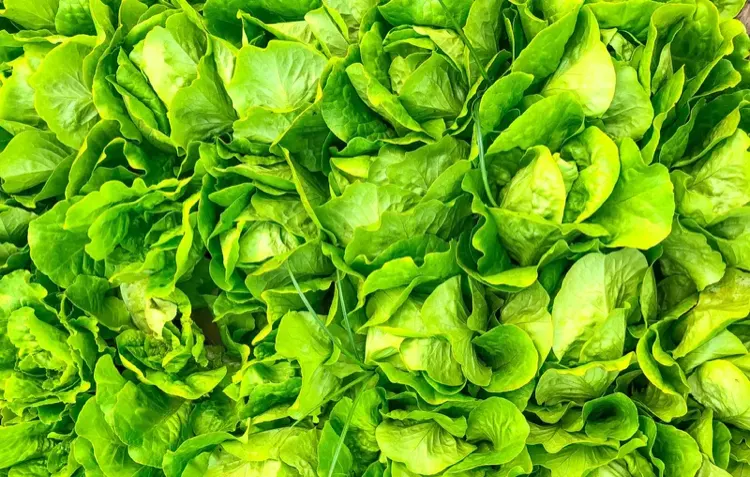
Romaine lettuce is one of the best lettuce picks for guinea pigs. It’s high in vitamin C and vitamin A, and your piggy can safely eat 2 to 3 leaves (about 30 grams) five to seven times a week.
Always avoid iceberg lettuce though, as it’s loaded with calcium and has almost no nutritional value.
What Kind of Lettuce Can Guinea Pigs Eat?
There are different types of leafy greens that work for guinea pigs. Lettuce falls into four categories: looseleaf, butterhead, crisphead, and romaine.
Most varieties are safe, including green leaf, bibb, red leaf lettuce, and other varieties like arugula and butterhead. The only exception is iceberg lettuce, which is high in calcium and can cause bladder and kidney stones.
Romaine, arugula, and butterhead have the most nutrients and can be given more frequently. Always wash lettuce thoroughly and chop it into small pieces before serving.
Can Guinea Pigs Eat Romaine Lettuce?
Guinea pigs can safely eat romaine lettuce. It’s a good source of vitamin C and fiber, both of which are essential for your piggy’s health.
You can also rotate in other lettuce types like spinach or kale for variety.
Can Guinea Pigs Eat Lettuce Every Day?
Guinea pigs can eat lettuce daily, but only in moderation. Lettuce isn’t the most nutrient-dense food, and the high water content can cause diarrhea if your piggy eats too much.
Keep daily portions small and mix in other leafy greens like kale or spinach. These options pack more nutrients and won’t cause as many digestive issues.
Is Romaine Lettuce Safe for Guinea Pigs?
Absolutely. Romaine lettuce is safe for guinea pigs in small amounts.
It’s a good source of vitamins a and c, which are both essential for your piggy’s health.
Romaine doesn’t contain as much fiber as some other greens, so it shouldn’t be the only veggie in your pet’s diet. The high water content also means you should limit portions to prevent digestive issues.
Supplement romaine with other healthy vegetables to make sure your guinea pig gets all the nutrients it needs.
What Are the Risks of Feeding Lettuce to Guinea Pigs?
Lettuce isn’t poisonous, but it can cause problems if overfed. It’s mostly water with very little protein, fat, or fiber.
It also contains oxalates, which can bind with calcium and lead to kidney stones.
Feed lettuce sparingly and make sure your guinea pig’s diet includes other leafy greens, hay, and pellets. You can supplement romaine with red leaf lettuce or green leaf, but avoid iceberg lettuce due to its high calcium and low nutritional value.
Is There Nutritional Value in Lettuce?
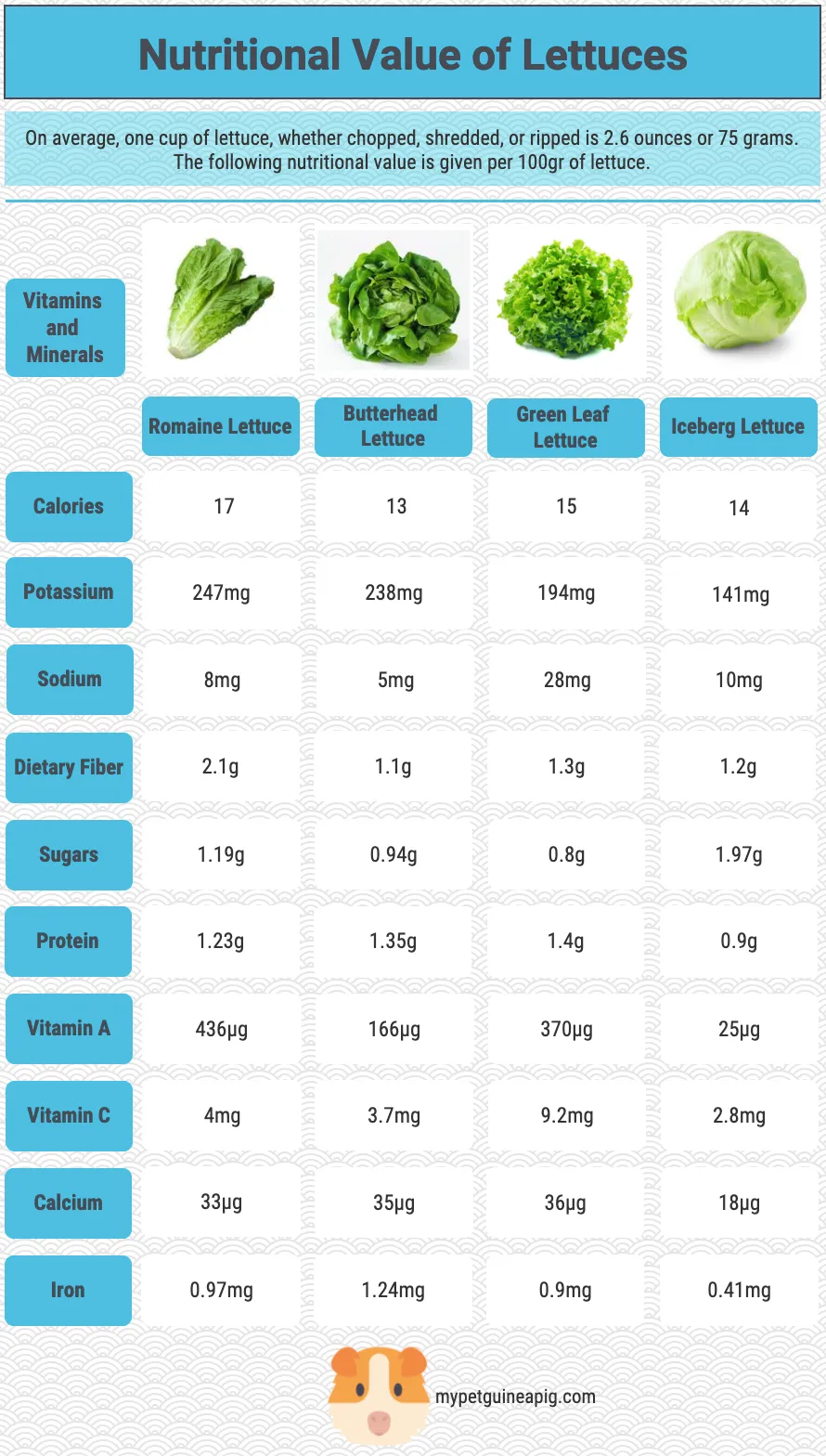
Lettuce has solid health benefits for both you and your guinea pig. It’s low in calories and fat, while providing vitamin A, vitamin C, potassium, and iron.
That said, lettuce isn’t the most nutrient-dense food. You’d need a lot of it to match the nutritional punch of other vegetables.
How Much Lettuce Can Guinea Pigs Eat?
Guinea pigs can eat lettuce, but only as an occasional treat. The high water content can cause diarrhea if your piggy eats too much.
Always wash lettuce thoroughly before serving.
How Often Should I Feed My Guinea Pig Lettuce?
The answer depends on the lettuce type and your guinea pig’s overall diet. Romaine and other leafy varieties can be given more frequently, but they should still only be a small part of the daily menu.
The bulk of nutrition should come from hay, fresh vegetables, and a small amount of pellets. Start with just a few leaves and increase gradually so your piggy can adjust without digestive problems.
Always offer hay as the main food source, and talk to your vet if you have concerns about your guinea pig’s diet.
Romaine vs. Other Lettuce Types
Not all lettuce is created equal for guinea pig nutrition. Below is how romaine stacks up against the other common varieties.
Green leaf lettuce is the closest alternative to romaine. It’s slightly lower in vitamin C but still a solid daily option with good hydration and low calcium levels.
Red leaf lettuce delivers a bit more vitamin A than green leaf thanks to the pigmented leaves. It’s safe for daily feeding and adds variety to the rotation without any real downsides.
Butter lettuce (also called Boston or bibb) is softer and milder, but it’s higher in calcium than romaine. Feed it less frequently, two to three times a week, to avoid bladder stone risks over time.
Iceberg lettuce is the one to skip entirely. It’s mostly water with almost no vitamins, and its calcium content is high enough to cause kidney and bladder problems with regular feeding.
Romaine wins overall because it strikes the best balance of vitamin C, vitamin A, fiber, and low calcium. Rotating it with green leaf and red leaf gives your piggy the most nutritional variety.
A Note About Pesticides on Lettuce
Lettuce is one of the most heavily sprayed crops, and residues can linger even after a quick rinse. Guinea pigs are much smaller than humans, so the same trace amount of pesticide has a bigger impact on their system.
Wash every leaf under cool running water and gently rub the surface with your fingers to remove residue. Soaking the leaves in a bowl of water for two to three minutes helps loosen dirt and chemicals that cling to the folds.
If you can find organic romaine, it’s worth the extra cost for your piggies. When organic isn’t available, peeling off the outermost leaves and discarding them removes the most contaminated layer before you serve the rest.
Final Thoughts
Romaine lettuce is one of the best lettuce options for guinea pigs. It’s packed with vitamins A and C, and your piggy can enjoy it regularly throughout the week.
Always wash romaine thoroughly to remove pesticides, and cut it into small pieces for easy eating. Skip iceberg lettuce entirely because of its high calcium and low nutritional value.
Keep romaine as part of a varied diet that includes plenty of hay, fresh vegetables, and clean water.
Frequently Asked Questions
Serve two to three small leaves per feeding session for an average-sized guinea pig. This gives them enough nutrients without overwhelming their system with water content. You can offer romaine five to seven times a week, but always pair it with other vegetables for balanced nutrition.
Romaine lettuce can't replace hay. Hay should make up about 70% of your guinea pig's diet because it provides the fiber needed for healthy digestion and dental wear. Romaine is a great supplement, but timothy hay must always be the foundation of every meal.
Both the green leafy parts and the white crunchy base are perfectly fine for guinea pigs. The white section contains more water and less nutritional value than the green portions. Most piggies enjoy the crunch, and it's perfectly safe as long as you've washed it well.
Mixing romaine with other safe greens is the smartest approach for feeding your guinea pig. Try combining it with red leaf lettuce, spinach, or kale throughout the week. This rotation ensures your piggy gets a wider range of vitamins and minerals from different sources.