
Looking for a vegetable your guinea pig can eat every day? Zucchini is one of the best options.
It’s low in calories, fat, and sugar while still packing vitamin C, vitamin A, and folates. Serve it raw and cut into small pieces.
Here’s the full guide to making zucchini part of your piggy’s rotation.
Can Guinea Pigs Eat Zucchini?
Guinea pigs can eat zucchini, and it’s healthy enough for daily consumption. The fruit has a solid amount of vitamin C and vitamin A.
Moderation still matters, though. Just like people, guinea pigs can be fussy about their produce.
Some piggies prefer it peeled, others love eating it with the skin. Their delicate digestive systems can’t handle everything, so always stick with fresh zucchini.
Are Zucchinis Fruits or Vegetables?
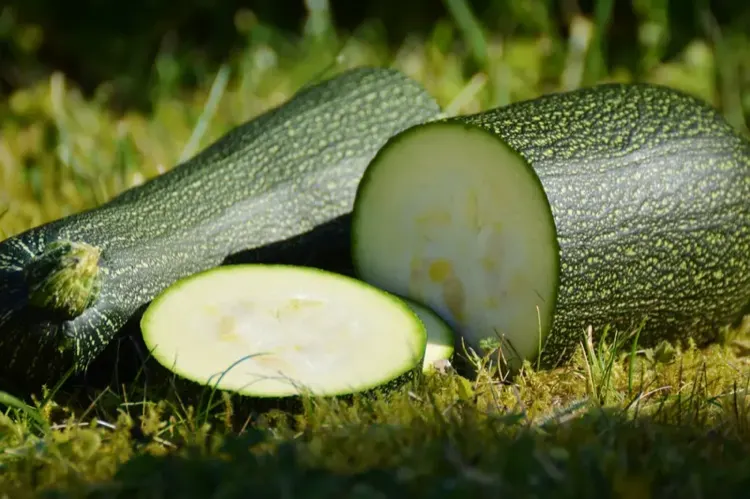
Zucchinis are botanically classified as fruits, just like cucumbers or tomatoes, but they’re used as vegetables. They can be cooked, fried, and baked.
Zucchinis grow from the zucchini flower, which explains why they’re categorized as berries. According to scientific definition, a vegetable is any edible part of a plant, either root or leaves.
Since zucchinis come after the flowering stage, they’re fruits.
The Smaller the Fruit, the Better
Small or medium-sized zucchini contain more nutrients than bigger ones. The darker the zucchini skin, the higher the nutrients in the fruit.
The Leaves
Zucchini leaves are just like any other leafy greens that guinea pigs can eat. But don’t overfeed your guinea pigs zucchini leaves.
These small animals require variety, so don’t continuously give them the same food.
What Are The Health Benefits of Eating Zucchini?
Zucchini delivers vitamin C, and that’s a big deal for guinea pigs. Their bodies can’t manufacture it on their own.
Without enough vitamin C, scurvy develops. It’s life-threatening.
The nutrients in zucchini:
- Prevent scurvy (a hazardous and potentially fatal condition visible in a guinea pig’s lack of energy, loss of appetite, weight loss, inability to heal fast, and digestive issues)
- Aid digestion (fibers are perfect for a healthy digestive system)
- Have antioxidant properties (antioxidants in zucchini like lutein, zeaxanthin, and beta-carotene counter free radicals in the body)
- Add health to the bones (magnesium and vitamin K play significant roles in ensuring healthy bones)
- Improve sight and vision (antioxidants, vitamin C, beta-carotene, lutein, and zeaxanthin assist in developing sight and filling the retina)
- Help in losing weight
Watch for this: zucchini skin contains many antioxidants, so you shouldn’t peel off the skin. Despite this, only some guinea pigs like eating the outer skin.
Courgette has lots of water and is low in calories, which brings satiety and reduces the intake of other foods.
What Is the Nutritional Value of Zucchini?
Zucchini is a great fruit, a type of summer squash that most guinea pigs like to eat. Although zucchini contains about 90% water, it has many nutrients beneficial for your guinea pig’s health.
The high water content is always accompanied by low calories and a low level of fats. For guinea pigs that are prone to obesity, zucchini is a great way to acquire lots of nutrients without too much sugar and calories.
Vitamin C
Vitamin C keeps your guinea pig’s body and immune system running properly. A 100g serving of zucchini packs about 18 mg of it.
Guinea pigs require about 30 to 50 mg of vitamin C, while pregnant sows will need more. They’re allowed to eat nearly all fruits and vegetables that contain vitamin C.
Although they can eat zucchini daily, a daily portion shouldn’t exceed 100 grams. Serving zucchini in excess may trigger health complications.
For more options, check out foods high in vitamin C for guinea pigs.
Phosphorus
Phosphorus plays a real role in keeping your guinea pig healthy. It builds strong bones and teeth.
Beyond that, phosphorus affects how the body processes fats and carbohydrates. It also works with B vitamins to keep the kidneys functioning properly.
Zucchini is a rich source of nearly all other elements except sodium. Serving zucchini to your guinea pig is a great idea because of the different nutrients in one serving.
Vitamin A
Your guinea pig’s eyes and skin need vitamin A, and this becomes even more important with age. It also supports a strong immune response.
Too much vitamin A can backfire, though. Keep intake moderate.
Zucchini contains just a little amount, enough to maintain your guinea pig’s health.
Potassium
Just like phosphorus, magnesium, and calcium, potassium is one of the essential minerals for guinea pigs. Zucchini contains more potassium than a banana, which is the known fruit with the highest potassium level.
These minerals balance themselves out in a guinea pig’s diet. There are recommended ratio intakes.
If the ratios aren’t entirely represented, extra minerals will be removed through the urine.
Potassium helps in lowering blood pressure and reducing the risk of heart complications.
Low Calories, Sugar-Free
Although zucchini contains many essential nutrients, it’s low in sugar and fat. Guinea pigs are prone to obesity, so excess sugar isn’t suitable for their health.
Zucchini is the perfect way to provide your guinea pig with essential nutrition without added sugar and calories.
Calcium
Calcium keeps teeth and bones healthy, and it helps balance magnesium and phosphorus levels. It’s also responsible for vitamin absorption.
Here’s the problem: guinea pigs can’t regulate their calcium intake. Their digestive systems absorb as much as possible regardless of how much they already have.
That means too much calcium from zucchini and other foods can cause kidney stones. Males are especially at risk.
If anything seems off, get to the vet.
Dietary Fiber
Dietary fiber is on the skin of zucchini. It has excellent benefits as it aids digestion and prevents heart-related diseases.
The fibers are also necessary for a healthy heart by regulating the amounts of excess cholesterol in guinea pigs.
Vitamin B6
Guinea pigs need vitamin B6 at every age and size, and they can’t produce it themselves. It has to come from food.
Red blood cell production and hemoglobin depend on B6 alongside fats, proteins, and carbohydrates. Zucchini delivers a solid dose of it.
Is Zucchini Bad for Guinea Pigs?
If you feed your guinea pig excess zucchini, it may result in kidney and bladder stones due to the accumulation of calcium. Although calcium is necessary, feeding food that’s high in calcium can create health problems.
Feeding guinea pigs zucchini can also result in stomach problems such as bloating, vomiting, and diarrhea.
Zucchinis naturally produce cucurbitacin, a substance found in pumpkins, gourds, and cucumbers (which all belong to the family Cucurbitaceae). Cucurbitacin is very poisonous, especially for small animals like guinea pigs, and can result in nausea, diarrhea, or death.
Feed your guinea pig only fresh zucchini, and one you’ve tried and tested before. You should never feed your guinea pigs bitter zucchini.
Cucurbitacin toxin is also harmful to human beings.
How Often Should My Guinea Pig Eat Zucchini?
Zucchini is safe despite the caveats, and feeding it to guinea pigs is straightforward.
Wash the zucchini (no need to peel) and cut it into small bite-size cubes. That’s it.
Guinea pigs can eat zucchini daily, but it’s recommended that you feed them about 100g of zucchini 3 to 4 times per week.
Despite the many health benefits your guinea pig can get from zucchini (vitamin C and antioxidants above all), you should be careful. Zucchini isn’t very high in calcium, but adding this summer squash daily can disrupt its sensitive digestive system.
What is the Serving Size of Zucchini for Guinea Pigs?
Knowing the amount of zucchini to feed your guinea pig is essential. The standard serving size should be a handful or around 1 cup.
This amount is enough since they’re small animals. Don’t overfeed them.
Heads up: large amounts of zucchini can lead to excess gases, vomiting, or diarrhea.
Can My Guinea Pigs Eat Raw Zucchini?
You can feed your guinea pigs raw zucchini, and the only way to serve zucchini is raw. Guinea pigs eat zucchini only raw since they can’t digest processed food.
Never feed your pets cooked zucchini. Their digestive systems only digest raw and fresh food.
Providing your guinea pig with only fresh and raw zucchini is essential.
It’s best to feed your guinea pig zucchinis without pesticides and any other chemicals.
Is Green Zucchini Good for Guinea Pigs?
Green zucchini is very good for your guinea pig. It’s the widely known type, and many guinea pig owners confirm that their piggies eat green zucchinis more than yellow ones.
Yellow zucchinis are sweeter than green ones, and guinea pigs can eat them too. Even though guinea pigs feed more on green zucchinis, yellow ones are also rich in beneficial nutrients.
Because yellow zucchinis are sweeter, don’t let your guinea pigs eat them too often. The best option is to feed them a mixture of both in small amounts a few times per week.
Can Guinea Pigs Eat Zucchini Flowers?
There’s no harm in guinea pigs feeding on zucchini flowers since they have lots of nutrients like beta carotene antioxidants and vitamin C.
Guinea pigs will enjoy feasting on zucchini flowers because of their soft texture. Just make sure you wash the flowers before serving to get rid of any dust, insects, or pesticides.
Serve them the zucchini flower’s petals and eliminate the inner parts since guinea pigs are sensitive to pollen grains. Only give fresh zucchini flowers.
If you’re serving them for the first time, monitor their behaviors and reactions closely.
Can Guinea Pigs Eat Zucchini Leaves?
Zucchini leaves are edible even by human beings. Guinea pigs can safely eat zucchini leaves if you control the amount.
It’s advisable to feed guinea pigs zucchini leaves at most twice a week. They should also be served in small amounts since large quantities may cause stomach complications and diarrhea.
When feeding your guinea pigs zucchini leaves, always choose young leaves. Avoid older leaves since they’re bitter and have high amounts of cucurbitacin, which is very poisonous for guinea pigs.
Can Guinea Pigs Eat Zucchini Skin?
It’s entirely safe to feed your guinea pigs zucchini peels. The peels are rich in many nutrients that are good for guinea pig health, since most of the antioxidants are on the zucchini skin.
Some guinea pigs may avoid eating the peels since they don’t like it, which is normal. Never force your pet to take something they don’t like.
The skin is important because it contains a reasonable amount of fiber suitable for a guinea pig’s digestive system. Before serving peels, wash them thoroughly to eliminate any possible pesticide contents.
Are Zucchini Seeds Safe for Guinea Pigs?
Zucchini seeds are safe for your guinea pig’s consumption. Although they’re small and soft, don’t give your guinea pigs seeds since they present a choking hazard.
When preparing zucchini, slice it into smaller pieces and remove the larger seeds to make sure they won’t choke your guinea pig.
Is Zucchini Bread Safe for Guinea Pigs?
Guinea pigs shouldn’t be given zucchini bread since their digestive systems aren’t designed to handle processed or cooked food. Never feed your guinea pig any form of bread or human food.
Guinea pigs have susceptible digestive systems, and zucchini bread can be harmful. Since guinea pigs are herbivores, they enjoy eating fresh vegetables and raw fruits.
Giving them cooked or preserved food may interfere with their digestion.
How To Serve Zucchini To a Guinea Pig
Guinea pigs like eating zucchini, but there are a few prep steps you shouldn’t skip.
Wash it thoroughly first, even if you’re not peeling it. Pesticides on the skin can harm your guinea pig, so organic zucchinis are the safest bet.
Washing also removes soil particles and organisms stuck on the skin. Once it’s clean, chop off the thick stem and cut it into small pieces to prevent choking.
Final Thoughts
Your guinea pig’s diet rests on fiber from hay, but other nutrients come from fresh and raw fruits and vegetables. Zucchini is a fantastic choice because it’s low in calories, fat, and sugar but high in vitamin C, vitamin A, vitamin B6, iron, copper, and magnesium.
The recommended serving size is 100g, 3 to 4 times per week. Many guinea pigs love it, making it an easy addition to their rotation.
To maintain a healthy diet, always feed guinea pigs fruits and vegetables in small amounts. Combine different options to ensure balanced nutrition for your pet.
Frequently Asked Questions
Guinea pigs can eat zucchini daily because it's low in sugar and calories. The recommended daily portion shouldn't exceed 100 grams though. For best results, serve it 3 to 4 times per week alongside other vegetables like bell peppers and leafy greens.
You don't need to peel zucchini for guinea pigs. The skin actually contains the most antioxidants and dietary fiber, making it the most nutritious part. Some piggies prefer it peeled, so let your guinea pig decide. Just wash the skin thoroughly to remove pesticides first.
Zucchini offers more vitamin C and nutrients per serving than cucumber. Both are low in sugar and safe for daily feeding, making them great options. Zucchini has the edge for antioxidant content, but rotating both vegetables throughout the week gives your piggy the best variety.
Never feed your guinea pig bitter zucchini. Bitter taste indicates high levels of cucurbitacin, a naturally occurring toxin in the squash family. It can cause severe nausea, diarrhea, and even death in small animals. Always taste a tiny piece yourself before serving it.