
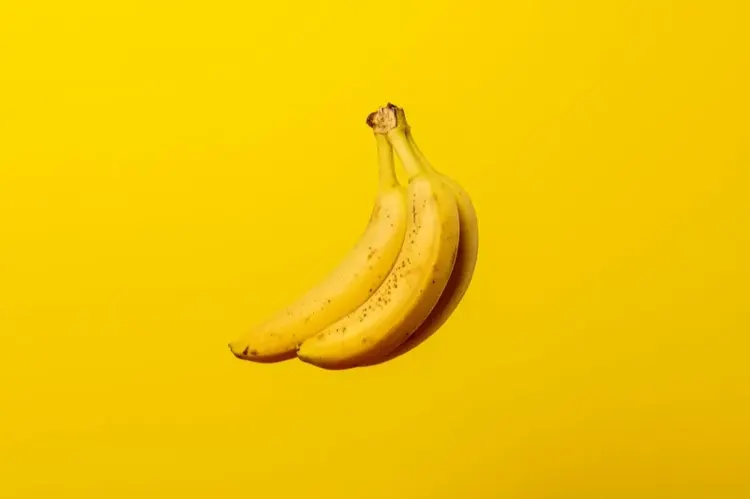
Your guinea pig just spotted the banana on the counter. Now you’re wondering if sharing a bite is safe.
Guinea pigs can eat bananas, but portions matter. Ripe bananas contain 16% to 18% sugar, which is a lot for a small animal prone to obesity and diabetes.
A couple of thin slices (about 10-15 grams) once or twice a month works well. The potassium and vitamin B-6 in bananas can actually benefit your piggy’s heart health and skin.
What Do Guinea Pigs Eat?
There are many different types of foods that guinea pigs can eat.
Guinea pigs are herbivores that eat herbs, vegetables, and fruits. Their sensitive digestive system can’t handle processed food, meat, or dairy products.
A healthy daily guinea pig’s diet consists of unlimited hay and a cup of vegetables and fruits.
Can Guinea Pigs Eat Bananas?
They sure can. Bananas are high in nutrients, rich in fiber, and full of water - but that sugar content is the catch.
Guinea pigs can eat bananas, but they should receive them mostly as a treat. A couple of slices per month or after a fortnight should be enough for your pet.
Unlike humans, guinea pigs are quite sensitive to some of the ingredients in bananas.
What Are the Benefits of Bananas for Guinea Pigs?
Bananas have several benefits for guinea pigs. The soluble fiber helps digestion and prevents hunger between meals.
High Fiber Content
Foods and fruits with high fiber are good for the heart. Feeding guinea pigs bananas helps reduce the chances of cardiovascular and coronary diseases.
Beneficial Nutrients
Bananas are loaded with minerals like potassium, magnesium, iron, calcium, niacin, riboflavin, folate, B6, and other vitamins.
A Great Source of Potassium
Potassium has many health benefits. It regulates heartbeat, maintains blood sugar levels, and helps the brain stay alert.
These benefits can extend your guinea pig’s lifespan.
Anemia Fighters
Bananas are rich in iron, which helps prevent guinea pigs from getting anemia.
Are Bananas Good for Guinea Pigs?
Yep. Bananas offer real benefits for guinea pigs.
This fruit contains fiber, carbohydrates, vitamin C, and many other minerals and vitamins.
Guinea pigs can’t produce vitamin C, so they need foods rich in this vitamin. Their diet should also be rich in fiber, which regulates digestion.
Bananas are rich in vitamin B-6, which helps keep a guinea pig’s fur and skin healthy and soft. Without enough B-6, guinea pigs are more likely to suffer from skin rashes and other skin problems.
Bananas are also rich in potassium, which fights against calcification and reduces the chance of developing bladder stones. Other fruits like apples and strawberries also provide these benefits in different amounts.
Are Bananas Bad for Guinea Pigs?
Every food has its positives and negatives. Ripe bananas contain 16% to 18% sugar.
High-sugar food can be dangerous for your guinea pig. Bananas also contain a lot of starch when they ripen.
Guinea pigs are prone to diabetes and obesity. With a fruit like bananas, you’re more likely to expose them to these diseases if you’re serving it in excess.
Feeding your guinea pig too many bananas can cause digestive problems, either diarrhea or constipation. Your guinea pig’s digestive system is very sensitive, so too much sugar or fiber causes real harm.
How to Prepare Bananas for Guinea Pigs
Start by selecting the right banana. The banana should be ripe since ripe bananas are easier to digest.
Carefully wash the cover if you plan to give your guinea pig the peel. You can give guinea pigs bananas with the peel on, but only if they’re properly washed.
Slice the banana into small pieces so your guinea pig can chew them easily. Despite their sharp teeth, guinea pigs shouldn’t eat large pieces, as it’s hard on their teeth.
Don’t just hand over half the fruit. Chop the banana into small servings.
After they’re done eating, clear all the remains from the cage since fruits go bad quickly when exposed to air.
Can Guinea Pigs Eat Banana Peel?
The banana peel isn’t harmful. It contains antioxidants and proteins that benefit guinea pigs.
If you give your guinea pig a banana with the peel, wash it thoroughly first. The skin might have pesticide residue that can harm your pet.
Banana peel contains less sugar than the fruit itself. Make sure the peel isn’t dry or old.
Many guinea pig owners confirm that their pets love banana skin more than the fruit.
Can Guinea Pigs Eat Dried Bananas?
The answer depends on the situation. Dried bananas are sliced into small pieces and then dried up into spears, chips, or chunks.
It’s best to avoid dried bananas as much as possible. Anything that’s been dried tends to have concentrated sugar.
Dried bananas contain high sugar levels, which will affect your guinea pig. Guinea pigs are prone to diseases, making them delicate pets.
If you do feed your guinea pig dried bananas, keep the treat as limited as possible. They’ll enjoy the snack, but consider their digestive system.
Can Guinea Pigs Eat Dried Fruits?
It’s not advisable to feed dried fruits regularly. Some banana chips from factories contain sulfur dioxide, which helps them brown.
Some have sweetener additives too. When these additives are present, dried bananas become harmful to guinea pigs.
Guinea pigs have a very delicate digestive system. The diseases that dried bananas can cause are easily preventable by simply offering fresh fruit instead.
Can Guinea Pigs Eat Banana Chips?
For sure. They can eat banana chips, but like dried bananas, they should eat only limited amounts.
Banana chips often have a honey coating and harmful preservatives.
These are snacks that should be fed rarely. Maybe once or twice a month at most to add some variety to your guinea pig’s diet.
If you want to offer safer fruit treats, consider small pieces of blueberries or watermelon instead.
Can Guinea Pigs Drink Banana Smoothie?
Definitely not. Guinea pigs should never be given any kind of smoothie.
Smoothies require dairy products like milk or ice cream. Guinea pigs are herbivores and they don’t tolerate dairy products.
Guinea pigs are lactose intolerant and have a very delicate digestive system that can easily get damaged. Giving your guinea pig a smoothie puts their health at serious risk.
Can Guinea Pigs Drink Banana Juice?
They can technically have a banana drink, but it’s not advisable. Your guinea pigs need fresh water above all else.
If you insist on making them a banana drink, use only fresh bananas and clean purified water. Don’t ever buy store-made banana juice.
Store-made juice contains extra sugar, unknown additives, and questionable water quality. Stick to fresh water for your guinea pig.
Can Guinea Pigs Eat Banana Leaves?
Definitely. Guinea pigs can eat banana leaves.
You can even dry them into hay form.
Banana leaves are high in antioxidants. Their texture can be tough, but you can tear them into smaller, manageable pieces.
Whenever you feed your guinea pig banana leaves, make sure they’re thoroughly washed and rinsed. Slice them into small, chewable pieces and limit how often you offer them.
Can Guinea Pigs Eat Banana Peppers?
There are two types of banana peppers: hot and sweet.
Sweet banana peppers are great vegetables for guinea pigs. They’re rich in vitamin C.
Hot banana peppers aren’t suitable for guinea pigs and shouldn’t be fed to them at all. Stick with the sweet variety to keep your guinea pig happy and healthy.
Final Thoughts
Bananas are a safe treat for guinea pigs when you stick to small portions. A couple of thin slices once or twice a month gives your piggy the nutritional benefits without the sugar overload.
Don’t skip the peel. It’s lower in sugar and many guinea pigs actually prefer it.
Just wash it thoroughly first.
For a well-rounded diet, rotate bananas with other fruits like apples and grapes, and always make hay the foundation of every meal.
Frequently Asked Questions
Give your guinea pig one or two thin slices per serving. Ripe bananas pack 16% to 18% sugar, which is very concentrated for a small animal. Spacing treats to once or twice monthly prevents sugar from causing obesity, diabetes, or digestive problems.
Green bananas have less sugar but contain more resistant starch, which is harder for guinea pigs to digest. Ripe bananas are the better choice since they're softer on your piggy's stomach. Either way, limit banana treats to small portions no more than twice monthly.
Banana peel is a smart option because it contains less sugar and more fiber than the fruit itself. Many guinea pigs prefer the peel's texture too. Wash it thoroughly to remove pesticide residue before serving, and choose organic bananas whenever possible.
Great rotation options include apples without seeds, strawberries, blueberries, grapes, and watermelon. Each fruit offers different vitamins and minerals that keep your guinea pig's diet varied and balanced. Rotate fruits throughout the month so your piggy doesn't get too much sugar from one source.
Bananas alone won't cause diabetes, but feeding them too often increases the risk. Guinea pigs are naturally prone to diabetes and obesity, so high-sugar foods need strict portion control. Stick to one or two small slices no more than twice monthly for safe enjoyment.