
Your guinea pig freezes, shows the whites of its eyes, or runs to hide every time you come near. That fear response is natural for a prey animal, but it doesn’t have to stay that way.
Building trust takes patience and slow, consistent interactions.
How Do I Know if My Guinea Pig Is Scared?
Guinea pigs give clear signals when stressed or scared. You’ll usually notice right away, especially if you’ve already started building a bond.
Running away from you is the most obvious one. Showing the whites of their eyes is another classic fear response.
They might squeak in a rapid, panicked manner.
They can grind their teeth, shiver, and sometimes freeze completely in place. Unlike dogs that lower their heads to show respect, guinea pigs lower their heads as a sign of fear, especially if they see an unfamiliar face for the first time.
While some guinea pigs display just one of these behaviors, others will show several at once. Watch for any of these signs when meeting your new guinea pig for the first time.
If you’re noticing signs your guinea pig doesn’t trust you yet, don’t worry. It’s very common with new pets.
What Makes Guinea Pigs Scared?
There are numerous factors that can make a guinea pig scared. According to veterinary doctors and seasoned pet lovers, the three basic causes of fear for guinea pigs are:
- Genetic predisposition
- Early social experiences during the pet’s critical socialization period
- Environmental experiences during the remainder of their life
Your guinea pig may react to loud noises. You have to try to draw your pet’s attention towards something else so your guinea pig can calm down.
Guinea pigs find loud sounds intimidating, especially sounds that overshadow their own sound pitch or range.
Guinea pigs also experience fear during situations that remind them of prior trauma. So if your pet isn’t comfortable in its cage, your guinea pig might want to run away from the cage.
In that case, offer them an alternative home or a better hideout.
Guinea pigs can also be scared of toys. Their sensitivity to noise and toys can be seen as both genetic and socialization issues.
You can help your guinea pig beat the fear and insecurity even when it already displays signs of anxiety. Engage the pet slowly in lively and positive interactive play.
Guinea pigs are quite observant and can gradually change.
How To Approach a Scared Guinea Pig
There are several ways you can approach a scared guinea pig. Learning how to tame a guinea pig properly makes all the difference.
Always Give an Approach Gesture
Approaching your pet guinea pig from the side may be tickling for you, but it can startle the cavy into a fear response. Guinea pigs aren’t always fond of surprises.
They learn very well and carefully take note of constant patterns, so a sudden approach may not be part of your guinea pig’s expectations. Pay attention to your gestures when giving your pet a social treat.
Crouch Down
Giving a slow, bent-forward crouch can help the guinea pig feel a sense of familiarity and safety. If you’re playing with your pet guinea pig for a long time, an upright stand may be scary for them.
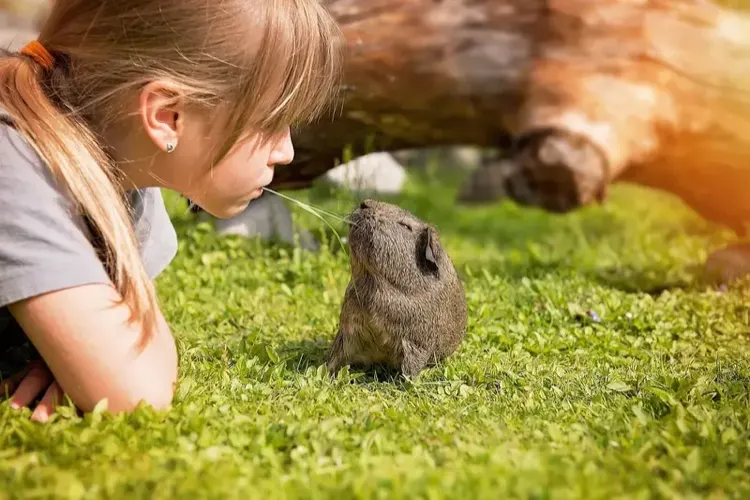
It’ll be a good idea to lay down beside them while you allow them to rally around you.
Keep Practicing a Consistent Sign
Never change your method of communication with them except when necessary. Guinea pigs retain specific occurrences, and in case of a bad one, they register it and don’t forget easily.
Keeping consistent and good gestures and sounds will be favorable in your relationship with them.
Be Timely With Meeting Basic Needs
It takes effort on the part of the guinea pig owner to foster a mode of communication and look for ways to help them improve on their basic behavior. Always meet basic needs like food, accommodating bedding, water, regular medical care, and a safe retreat pen.
Get Your Guinea Pig Safe Toys
One of the major threats to avoid when getting toys for your piggy is choosing toys that can easily form dust upon scratching. This is highly dangerous and represents a health risk ranging from respiratory problems to optical issues.
Good, friendly toys will ensure they’re kept safe and not easily distracted by little environmental interference. Guinea pigs may suffer boredom if they don’t feel engaged.
Toys like ping pong balls made of selected wooden materials can be great, since guinea pigs always love to chew and chase.
Get Your Guinea Pig Used to Their Safe Hiding Place
To help your guinea pig adapt to its surroundings, you can let it explore new places and people. Put some toys in your guinea pig’s cage so it can enjoy playtime and want to return to its cage.
Make sure your guinea pig feels safe at all times. Their feeling of insecurity may not necessarily come from you.
It sometimes comes from an external threat. They might find a gesture intimidating, even though you don’t perceive it that way.
Don’t forget that guinea pigs are prey animals and can get scared of sudden movements. If a guinea pig has a safe hiding place and is familiar with its surroundings, it’ll find shelter within its own space.
Make sure you provide your guinea pigs with small but enough space. If your guinea pig is scared of its cage, give them some time to get used to it.
They might need more time than you’ve anticipated.
When a guinea pig gets used to the surroundings and has a familiar hiding spot, it’ll trust the owner and feel safe regardless of what they experience from other animals or people.
Why Is My Guinea Pig So Scared?
Caring for a guinea pig has a learning curve. Building that bond takes time on both sides.
You have to get to know your pet, and your pet has to get to know you. That doesn’t happen overnight.
You’ll learn about your guinea pig’s needs and how to respond to them. Stay friendly and honest with your guinea pigs.
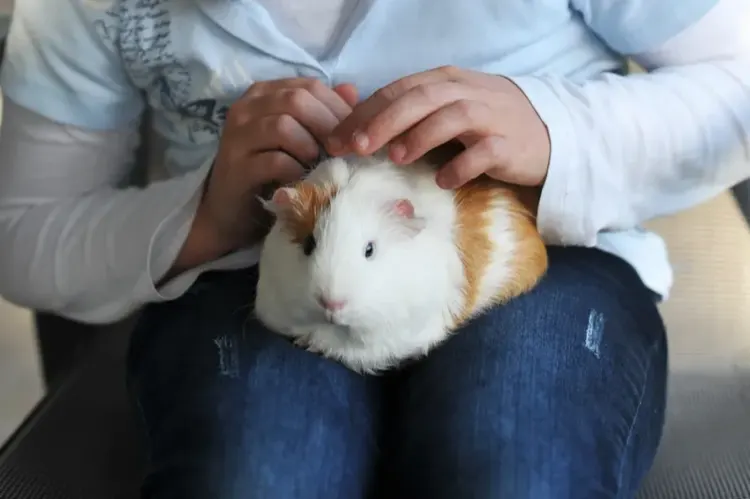
Once they feel safe, most guinea pigs become incredibly affectionate and even enjoy cuddling.
Final Thoughts
You need time to gain your guinea pig’s trust, and the good news is you can absolutely do it. A new pet might feel scared for a while, but if you spend time bonding every day, the fear will gradually fade as they feel comfortable in their new home.
Guinea pigs love to play, and as social creatures who love attention, they’ll be happy if you start a game. Hand feed them vegetables and fruits and play hide and seek, as this is the best quality time you can offer to your pet.
Frequently Asked Questions
Most guinea pigs start warming up within one to two weeks of consistent, gentle interaction. Some very shy ones can take a month or longer. The key is daily short sessions with treats and a calm voice rather than forcing long handling sessions before they're ready.
Guinea pigs can be scared of cage mates, especially during introductions. A dominant pig may bully or chase a timid one. Watch for signs like hiding, refusing to eat, or teeth chattering, and separate them if aggression doesn't settle down within a few days.
Avoid picking up a very scared guinea pig right away. Start by sitting near the cage and talking softly. Offer treats from your hand and let them come to you. Once they're comfortable eating from your hand, begin gently scooping them up for short holding sessions.
Guinea pigs generally become calmer and more trusting as they age and spend more time around their owners. Older guinea pigs that have been handled regularly tend to be much more relaxed than younger ones still adjusting to their environment and human contact.