
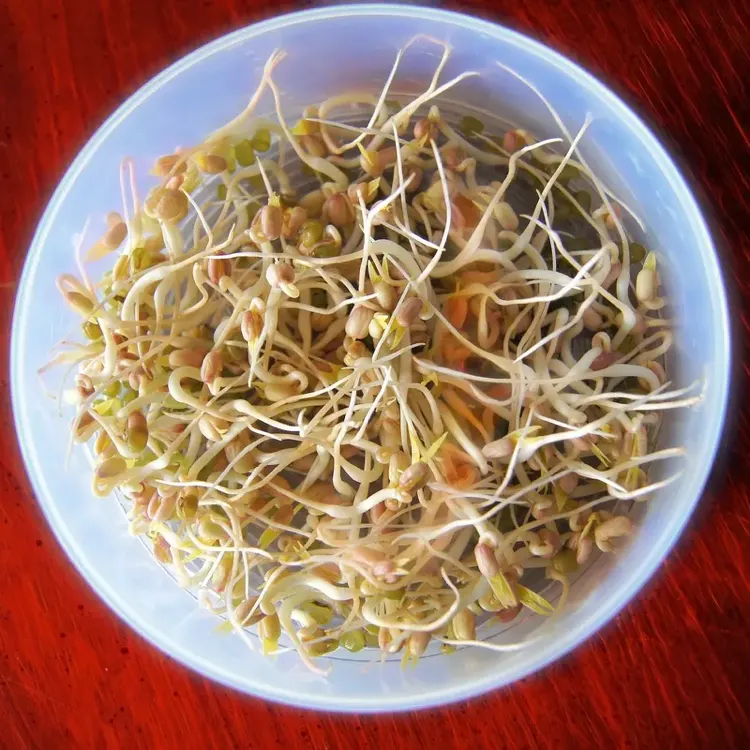
Bean sprouts are cheap, easy to grow at home, and loaded with nutrients. But are they safe for your guinea pig?
Guinea pigs can eat bean sprouts. A 100g serving provides 22% of the vitamin C they need, along with 44% of their vitamin K requirements.
That’s a solid nutritional punch for a small snack.
Not every guinea pig likes them, though. The taste and smell can turn some piggies away.
A handful once or twice a week is the right amount for those who enjoy them.
Sprouts also carry a bacteria risk if they aren’t stored properly, so preparation matters. Washing and freshness are non-negotiable.
Can Guinea Pigs Eat Bean Sprouts?
Yes, guinea pigs can eat bean sprouts.
A guinea pig’s diet consists of hay, fresh grass (when available), guinea pig pellets fortified with vitamin C, and raw fruits and vegetables.
Plenty of fruits and vegetables are safe for your guinea pig, but some that humans eat can be toxic to them.
For that reason, as a guinea pig owner, you should know exactly which types of fruits and vegetables are safe. If you’re looking for a solid overview of safe options, check out our guide to the best guinea pig foods.
Do Bean Sprouts Have Nutritional Benefits for Guinea Pigs?
Yep. Bean sprouts have various nutritional benefits.
Guinea pigs can’t synthesize vitamins on their own, which puts them at increased risk of developing vitamin C deficiency. They also can’t store vitamins in their body, so they need adequate consumption of vitamin C-rich foods.
Bean sprouts are rich in vitamin C. With enough vitamin C in their bodies, guinea pigs won’t develop scurvy.
Symptoms of scurvy include stiff joints, rough coat, eye or nose discharge, and fatigue.
Bean sprouts are also rich in fiber, which helps improve digestion. Vitamin C also helps boost the immune system and prevents guinea pigs from getting sick.
They’re good for eyesight and help prevent heart problems. Your pet can grow bigger, stronger, and healthier with these benefits.
Bean sprouts also help prevent kidney and bladder stones. Some of the minerals in the sprouts prevent calcium build-up, since too much calcium can cause kidney and bladder stones.
They contain proteins and carbs too. These nutrients give your pet plenty of energy for a whole day of playtime.
Bean sprouts don’t contain fats, so the blood vessels and cardiovascular system should remain healthy.
They also contain vitamin K. The stem part is the one that contains vitamin K and manganese.
Even though bean sprouts have all these benefits, they do have some side effects we’ll discuss later on.
How Many Bean Sprouts Can Guinea Pigs Eat?
Even though bean sprouts contain a good amount of minerals and vitamins, it’s not advisable to make them a full meal. You can add them as a supplement to the main diet.
Give them in small amounts, probably once or twice a week. A good serving amount is a handful or less.
For a serving of 100g of bean sprouts, there’s:
- 31 calories in total
- 2g protein (gives energy to guinea pigs)
- 2g fat (low fats ensure a healthy cardiovascular system)
- 2g carbs (gives guinea pigs strength and energy)
- 5% iron
- 4% vitamin B
- 5% potassium
- 4% magnesium (healthy bones)
- 8g fiber (helps in digestion)
- 22% vitamin C (prevents scurvy and faster healing)
- 44% vitamin K (healthy bones and development)
- 16% folate (promotes healthy division of cells)
- 10% manganese (reduces the risk of illness)
- 9% copper (good for blood cells and immunity)
- 4% niacin (lowers cholesterol)
There are plenty of nutrients in 100 grams of bean sprouts.
You can give your cavy bean sprouts once or twice a week. Feed them in moderation since you must control the amount and avoid overfeeding, which could lead to obesity.
Are Guinea Pigs Allergic to Bean Sprouts?
Nope. Guinea pigs aren’t allergic to bean sprouts.
However, not all guinea pigs eat them.
Some guinea pigs dislike this vegetable because of its taste and aroma. If you’re introducing bean sprouts to a guinea pig, do it slowly.
Make sure the sprouts don’t smell off. Give it to the cavy as plain food because it’s more likely they’ll eat it that way.
When you’re introducing this vegetable to your pet, make sure to give it separately from the usual daily mixture of fruits and vegetables.
Can Guinea Pigs Eat Cooked Bean Sprouts?
Guinea pigs can’t eat cooked food, so bean sprouts should be fed raw.
Some people who don’t know much about these rodents assume they can feed them cooked food. That’s wrong.
Whether it’s any kind of food they like or enjoy, you’re not supposed to feed them any type of processed food.
Cooked food can’t be digested by guinea pigs. It upsets the stomach and might lead to diarrhea.
Raw bean sprouts contain a good amount of vitamin C and vitamin K, which are essential for your guinea pig’s health. When food is cooked, vitamin C deteriorates, and that’s what guinea pigs need most.
So always prevent feeding your pets cooked food. For humans, before you eat bean sprouts, make sure they’re well cooked, especially for people with low immune systems, children, and expectant women.
Can Guinea Pigs Eat Frozen Bean Sprouts?
For sure. They can eat frozen bean sprouts.
Once you remove the bean sprouts from the fridge, make sure you let them come to room temperature. Don’t feed them to the cavy before they’ve warmed up, as this will cause stomach upsets, bloating, and diarrhea.
You can speed up the process by running them through room-temperature water. This way you’ll be cleaning them and also bringing them to the right temperature at the same time.
How to Feed Guinea Pigs Bean Sprouts
It’s very easy to feed bean sprouts to your guinea pig. Here’s a simple step-by-step process.
First, pick out the good bean sprouts. Choose ones that look fresh and have their original color.
Thoroughly wash them to remove any dirt and toxins that can harm the cavy and cause health problems. After cleaning, you can serve the fresh bean sprouts to your guinea pig.
You can supplement them with other vegetables or fruits that are ideal for guinea pigs, like celery or green beans. This way you can give your cavy a balanced diet.
When your pet is done eating, remember to take away the remains, as leftover sprouts can cause bacterial problems.
Can Guinea Pigs Eat Beans?
Guinea pigs can eat beans, particularly the green bean seeds. However, they should be served while still young and in immature pods.
This makes them safe and easy for the guinea pigs to eat.
Green beans are rich in vitamin C, fiber, and other essential nutrients, just like bean sprouts. They also contain minerals and nutrients that are great for maintaining a healthy heart.
Just like with bean sprouts, not all guinea pigs eat green beans. They’re usually picky eaters, and some of them might refuse.
Can Guinea Pigs Eat Other Types of Sprouts?
Definitely. Guinea pigs can eat other types of sprouts besides bean sprouts.
Sprouting is simply the process of germinating seeds. Not all seeds are recommended though, as some can be poisonous for guinea pigs, while a few others are very healthy and highly nutritious.
If your piggy doesn’t want bean sprouts, you’re free to explore and try out other sprouts. But make sure that when you’re introducing a new food, you do it gradually.
This way your guinea pig’s digestive system will have time to adjust.
It’s important to introduce guinea pigs to new foods at an early age because they may not accept new foods later on.
Even when serving other types of sprouts, always do it occasionally. Guinea pigs have a sensitive digestive system, and overfeeding can cause digestive problems.
Excess consumption of these vegetables could lead to severe health issues like diarrhea and urinary problems.
How to Grow Bean Sprouts or Where to Get Them
Bean sprouts can be found locally in a store or grocery shop near you.
Store-bought bean sprouts are usually canned and contain added preservatives, which can be harmful to your pet’s health. It’s advisable to get fresh bean sprouts from the grocery store, or you can grow them at home.
If you’re wondering how to grow these vegetables at home, here are some tips:
- You’ll need beans, water, and 3 plastic containers of the same size that fit into each other, with one having holes at the bottom.
- Make holes in the bottom of one container. You’ll use this over and over whenever you make sprouts.
- Put some beans into the container with holes. Make sure the beans don’t fill more than half the container. Place your perforated container into one of the other containers and fill it with water. Leave it to soak overnight.
- After soaking, drain and rinse them. Remove water from the bottom container and put the perforated dish back into it. Place the other container on top of the beans so it’s covering them and touching them. Weigh the top container down with something heavy.
- Rinse and keep draining the beans every 12 hours. Be careful not to disturb the beans when rinsing and draining. This will help them grow longer roots.
- Once they’ve grown to your preferred size, rinse them one final time and they’re ready to serve your pets.
How to Make Sure Bean Sprouts Are Good for a Guinea Pig
Sometimes bean sprouts grown at home may contain bacteria and germs such as E. coli and Salmonella. These can be harmful to your cavy and cause severe health problems.
You can prevent this by following these steps. Make sure your sprouting container is properly clean.
You can boil the container in hot water or wash it with soap and water to remove any bacteria.
Don’t use tap water, as it may carry contaminants. Use bottled or filtered water instead.
Once your beans have sprouted, clear any standing water. Bacteria thrive in humid places, and standing water encourages their growth.
Since you’re feeding these bean sprouts to your pet raw, it’s advisable to rinse and wash the sprouts often.
When storing the sprouts, keep them in a cool, dry place away from sunlight. This helps prevent bacteria from reproducing on your sprouts.
After the last wash, don’t put the sprouts directly into the fridge. Wait at least 10 hours before refrigerating them.
This gives the sprouts time to dry, and they’ll stay fresh longer once refrigerated.
Don’t let the sprouts sit in the fridge too long. Make sure they’re fed within seven days.
These guidelines will help make sure homegrown bean sprouts won’t harm your guinea pig. Remember, guinea pigs are very delicate creatures that require careful attention and care.
What Are the Risks of Feeding Guinea Pigs Too Many Bean Sprouts?
As much as bean sprouts provide various nutrients and minerals, they also carry some risks if given in uncontrollable quantities.
Too many bean sprouts cause indigestion. They may bring an imbalance in the digestive system, which causes bloating and discomfort for the cavy.
They may also lead to kidney and bladder stones. The phosphorus and calcium found in bean sprouts are linked to this problem.
Too much calcium and phosphorus are responsible for kidney and bladder stones in guinea pigs.
These minerals can also inhibit the absorption of magnesium, leading to magnesium deficiency.
Bacteria and germs may also affect guinea pigs since bean sprouts are mostly grown in conditions where bacteria thrive. It’s therefore advised to clean these vegetables before giving them to your pet.
Foodborne illness is also a possible risk. Guinea pigs are prone to carrying or transmitting some diseases to humans.
Lightly cooked or fresh raw produce can carry foodborne diseases, including bean sprouts. Bean sprouts are only healthy when they’re fresh.
If they’re kept too long, they can make your pet sick.
Final Thoughts
Bean sprouts make a solid occasional treat for guinea pigs when served raw and properly washed. They’re packed with vitamin C, vitamin K, and fiber that support your piggy’s overall health.
Keep portions small and stick to once or twice a week. Too many sprouts can cause digestive upset and mineral imbalances that lead to bladder problems.
When in doubt, fresh is best. Whether store-bought or homegrown, clean sprouts served at room temperature are the safest way to give your cavy this nutritious snack.
Frequently Asked Questions
Not at all. Daily feeding isn't recommended. Bean sprouts contain calcium and phosphorus that can build up and cause bladder stones over time. Stick to a small handful once or twice per week as a supplement alongside their regular hay, pellets, and vegetable rotation.
Both are nutritious options with good vitamin C content. Bean sprouts offer more vitamin K and folate, while green beans provide slightly more fiber. Rotating between the two gives your guinea pig a wider range of nutrients without overloading any single mineral.
Fresh bean sprouts should look crisp, white, and smell mild. If they've turned slimy, brown, or developed a sour odor, they've gone bad and shouldn't be fed to your guinea pig. Always discard sprouts that have been refrigerated longer than seven days.
Baby guinea pigs can try bean sprouts once they're eating solid foods regularly, usually after a few weeks. Start with a very small piece and watch for digestive upset over 24 hours. Their developing systems are more sensitive, so go slower with portions than for adults.