
You picked up some fennel at the grocery store and now you’re wondering if your guinea pig can share it. Good news: they can eat the whole plant, just skip the seeds.
Fennel bulbs, stalks, and fronds are all safe, and the fiber content keeps digestion running smoothly. Below covers serving sizes, benefits, and the risks to watch for.
Can Guinea Pigs Eat Fennel?
Guinea pigs can eat fennel, and it’s a beneficial vegetable for them. Fennel is rich in calcium, iron, and magnesium.
If you notice any negative signs after feeding fennel, reduce the serving size and switch to other vegetables. Feeding fennel is one of the better choices you can make for your guinea pig’s diet plan.
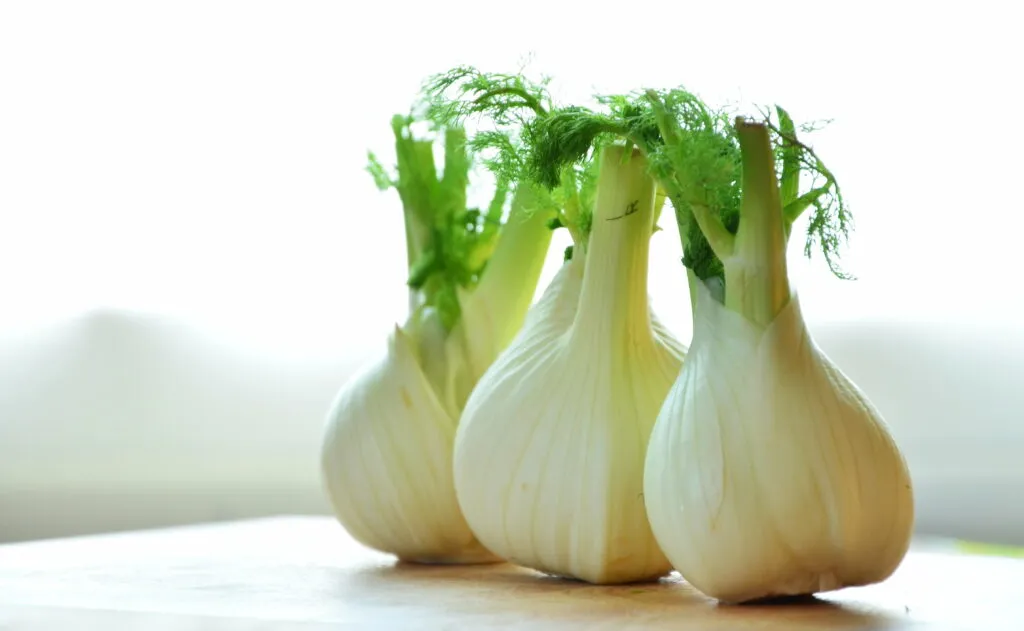
What Is Fennel?
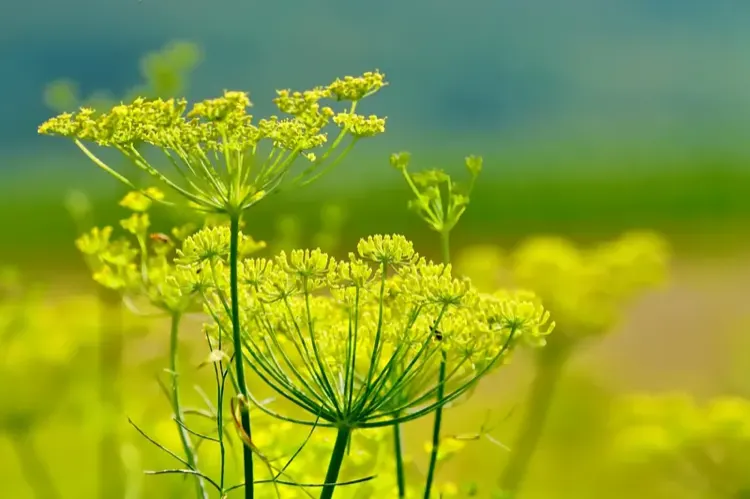
Foeniculum vulgare (fennel) is a flowering plant from the carrot family. It’s green and white with yellow flowers and feathery leaves.
It has a crisp texture and aniseed flavor when eaten raw. That’s why fennel is used in salads, especially in Italian cuisine.
Italians use Florence fennel (also known as sweet fennel and finocchio) because of its strong aroma. The sweet fennel herb has many medicinal properties and is rich in vitamins and minerals like selenium, calcium, magnesium, iron, and manganese.
Why Feed Fennel to Your Guinea Pigs?
Guinea pigs love fennel leaves and the fennel bulb. They’ll gladly munch on it whenever they get the chance.
Fennel is high in vitamins, minerals, and dietary fiber, which is essential for your piggy’s digestion. The bulb is also a great source of vitamin C, one of the crucial elements in your pet’s diet since vitamin C deficiency (scurvy) is potentially fatal in guinea pigs.
We do have to emphasize that fennel should be fed sparingly, though. Overfeeding your guinea pig with fresh fruits and vegetables is easy because they love crunchy foods.
When first introducing fennel, make sure to do it gradually.
Is Fennel Good for Guinea Pigs?
The vitamin and mineral content in fennel makes it a great herb for your guinea pig’s menu. Here are the key advantages.
Healthy Bone Growth
Lack of calcium in young guinea pigs can cause weight loss and bone abnormalities. Fennel contains enough natural calcium to support healthy bone development in young guinea pigs.
Adult guinea pigs should eat fennel in moderate amounts, though. Too much calcium in adults causes kidney and bladder stones, which are dangerous for these small animals.
Helpful for Digestion
Fennel is rich in dietary fiber, which helps maintain bacterial flora in the gut. A healthy digestive tract and good gastrointestinal motility are important for your guinea pig’s immunity.
Enhances Immunity
Guinea pigs can’t produce their own vitamin C. Deficiency, also known as scurvy, can impact both humans and guinea pigs.
In guinea pigs, untreated scurvy develops into an extremely painful condition causing internal bleeding of tissues and organs.
So beyond preventing scurvy, the vitamin C in fennel boosts your guinea pig’s overall immunity. If you’re looking for other vitamin C-rich options, celery and cucumbers make great companions to fennel.
Weight Control
Fennel is a good weight-control food for guinea pigs. The dietary fiber makes them feel full quickly.
While it’s impossible to overfeed guinea pigs with hay, it’s easy to overfeed them fresh fruits and vegetables.
Overfeeding leads to health problems, so always stick to the recommended serving size.
Controls Blood Pressure
The fennel plant contains magnesium, potassium, and calcium that help keep blood pressure under control. High blood pressure can be harmful and even cause sudden death in guinea pigs.
Boosts Metabolism
Fennel contains vitamin B6, which is beneficial for your pet. Vitamin B6 boosts metabolism and improves heart health.
Sugar-Free
One great quality of fennel is that it’s sugar-free. Guinea pigs can’t digest sugar well, and it leads to obesity, diabetes, and other health issues.
Since fennel seeds do contain starch and sugar, though, avoid giving seeds to your piggies.
Contains Antioxidants
Antioxidants prevent or slow the damage that free radicals inflict on cells. Fennel is rich in antioxidants, so it improves heart health and helps prevent diseases.
Healthy Source of Energy
Fennel is rich in protein and carbs, making it a healthy energy source for your pets. Guinea pigs eat all parts of the fennel plant, including tops, fronds, and bulb.
Just never let them eat fennel seeds.
Is Feeding Guinea Pigs Fennel Bad?
Despite some risks, fennel is good for guinea pigs if you include only a small amount in their diet. Many owners report that their piggies are crazy about fennel fronds and leaves.
When guinea pigs eat too much fennel, the risk of kidney stones increases due to the high calcium content. While calcium builds strong bones in baby guinea pigs, in adults it’s responsible for kidney stones.
If your piggy is on medication, don’t give fennel. It can interfere with meds and cause a negative reaction.
If you notice allergies, eliminate fennel from your guinea pig’s menu.
The instant remedy for allergic reactions is to give your pet enough water and consult a vet as soon as possible.
How Much Fennel Can Guinea Pigs Eat?
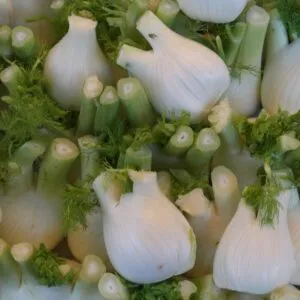
Feed your guinea pigs fennel in small quantities, occasionally. They love everything about it, especially the green fronds and crunchy stalks.
Offer only a tiny piece of the bulb. Because of the high calcium content, including fennel stalks, fronds, and a small piece of bulb only two to three times a week is optimal.
Mix fennel with other plants, fruits, and vegetables that are low in calcium. Never combine it with other foods high in calcium and sugar.
How Often Can Guinea Pigs Eat Fennel?
This herb contains vitamin C, B3, calcium, magnesium, potassium, and iron. One cup of fennel contains 10.4 mg of vitamin C, while each guinea pig needs between 30 and 50 mg/kg per day.
Give your guinea pigs about 3/4 of a cup filled with a mixture of various fresh fruits and vegetables. If you’re just introducing fennel, start with only once a week.
Guinea pigs can eat all parts of the fennel plant: bulbs, fronds, and stalks/leaves. Once your guinea pig gets used to fennel, feed it sparingly, only 1-2 times a week in small quantities.
Dill and parsley are great herbs to rotate alongside fennel for variety.
Observe your guinea pig and consult a vet if you notice any allergic reactions.
Can Guinea Pigs Eat Fennel Bulb?
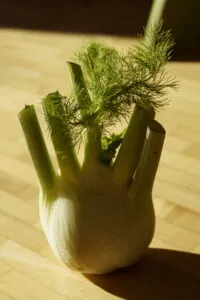
Feeding fennel to your guinea pig is a good idea, although the bulb doesn’t contain the most significant nutritional value. For best results, feed guinea pigs fennel fronds rather than the bulb.
Piggies can eat fennel bulbs in moderate quantities. Some other vegetables guinea pigs eat contain even more calcium per 100g.
For instance, fennel has 49mg of calcium per 100g while kale has 254mg.
Your guinea pigs will love munching on a fennel bulb.
Can Guinea Pigs Eat Fennel Leaves?
Few stems contain more nutritional value than fennel leaves, although guinea pigs do love them. Many owners serve fennel leaves chopped or whole.
Both ways work.
When guinea pigs eat fennel leaves, it improves their heart health and dental hygiene. Since guinea pigs’ teeth grow continuously, chewing on fennel helps reduce tooth growth.
Can Guinea Pigs Eat Fennel Seeds?
Never let your guinea pigs eat seeds of any kind because they can’t digest them well. Some seeds, such as apple seeds, are also poisonous.
Seeds also present a choking hazard for these small animals.
Fennel seeds have a lot of starch and sugars, which aren’t good for guinea pigs. The seeds are great for humans, though, as they remove bad breath and help digestion.
Can Baby Guinea Pigs Eat Fennel?
Baby guinea pigs can eat fennel too. Serve them 2-3 leaves once or twice a week, but not regularly.
It’s better to provide baby guinea pigs with a variety of foods, but introduce new items slowly. Fresh fruits and veggies are the best sources of vitamins and minerals.
Guinea pigs love eating herbs, and serving fresh fennel is a real treat for them. Remember that guinea pigs can’t digest processed foods, so don’t feed them cooked, baked, fried, frozen, or dried foods.
Can Guinea Pigs Eat Dried Fennel?
Feeding dried fennel to your guinea pigs won’t provide any health benefits and deprives them of essential nutrients they need. Guinea pigs should never eat dried, processed, cooked, baked, or fried food.
They’re strict herbivores with sensitive stomachs that can’t digest such food.
What Is the Nutritional Value of Fennel?
According to the USDA, 100g of fennel bulb contains:
- Calories: 27
- Protein: 1 g
- Fat: 0.2 g
- Carbohydrates: 6 g
- Fiber: 2.7 g
- Natural Sugars: 3 g
- Calcium: 43 mg
- Iron: 0.64 mg
- Magnesium: 15 mg
- Potassium: 360 mg
- Vitamin A: 838 IU
- Vitamin C: 12 mg
Final Thoughts
Fennel is a healthy, fiber-rich herb that guinea pigs genuinely enjoy. It provides 12 mg of vitamin C per 100g and is sugar-free, making it a smart addition when mixed with other low-calcium vegetables a few times a week.
Don’t overfeed fennel because of the calcium content. Adult guinea pigs are especially at risk for kidney stones from too much calcium, though young piggies benefit from it for bone growth.
The only part you should skip entirely is the seeds. Everything else, the bulb, stalks, and feathery fronds, is fair game for your piggy in moderation.
Frequently Asked Questions
Fennel's calcium content can contribute to kidney and bladder stones if fed too often. Adult guinea pigs are especially at risk since they don't need much calcium. Limit fennel to one or two servings per week and mix it with low-calcium vegetables.
Both are safe and nutritious options. Fennel provides more fiber and a wider range of minerals, while celery is lower in calcium and safer for frequent feeding. Rotate both throughout the week so your guinea pig gets variety and balanced nutrition.
Avoid giving fennel to guinea pigs currently on medication. Fennel can interfere with certain drugs and cause negative reactions in your piggies. Always check with your vet before reintroducing fennel after your guinea pig finishes their full medication course to stay safe.
Wrap leftover fennel in a damp paper towel and store it in a sealed container in your refrigerator. Fennel stored this way stays good for about five to seven days. Always check for wilting, browning, or off smells before serving it to your piggy.