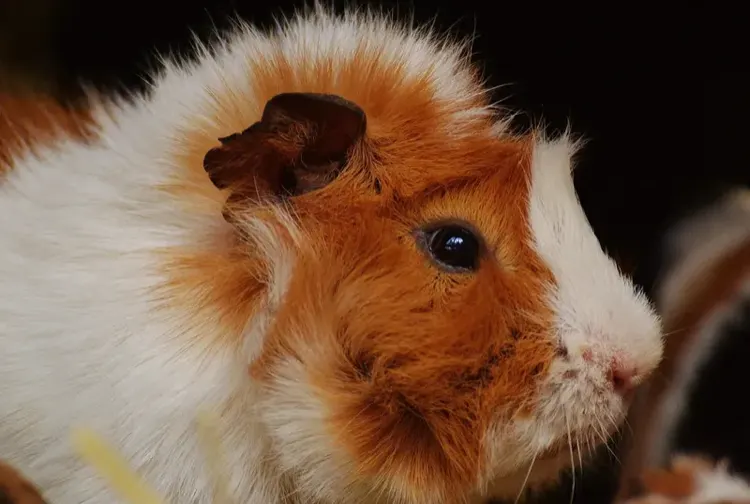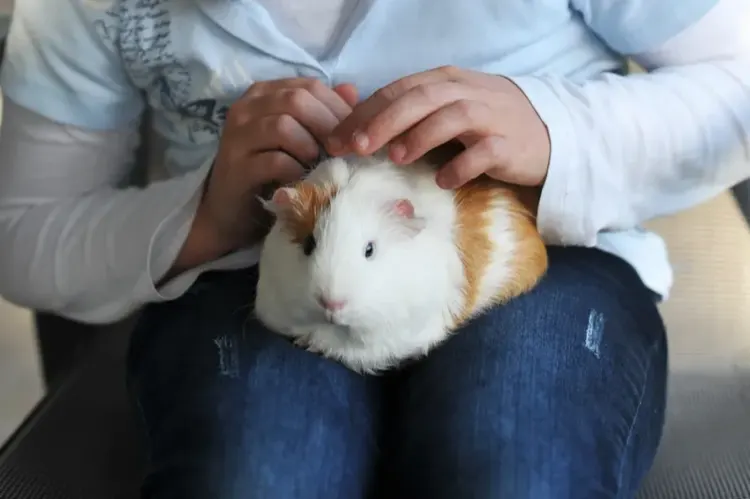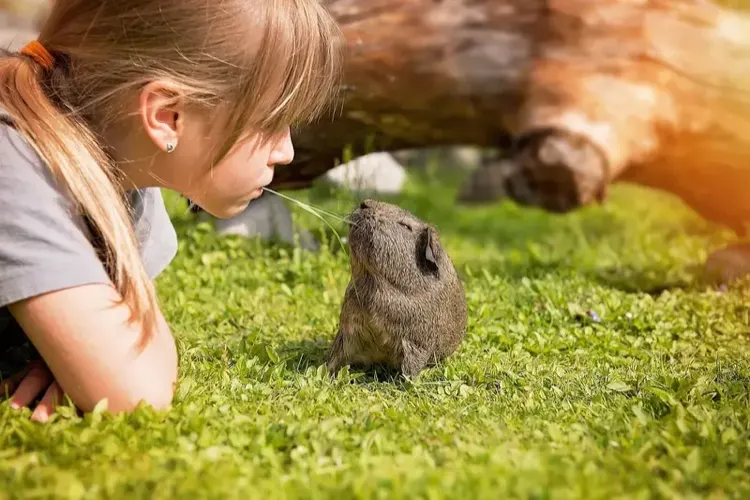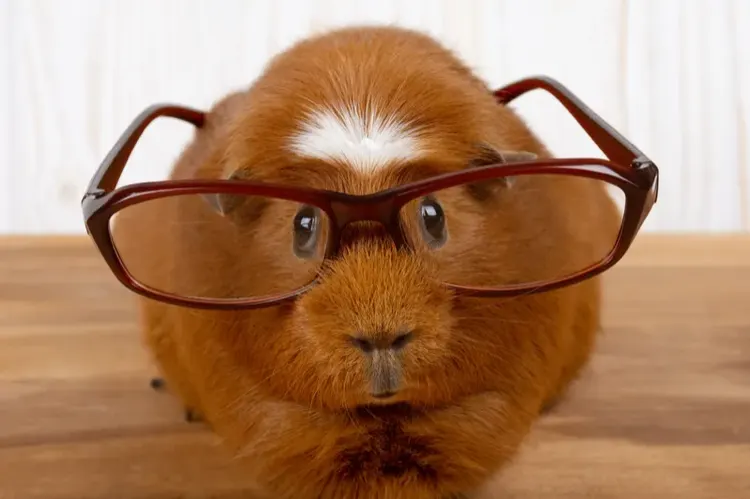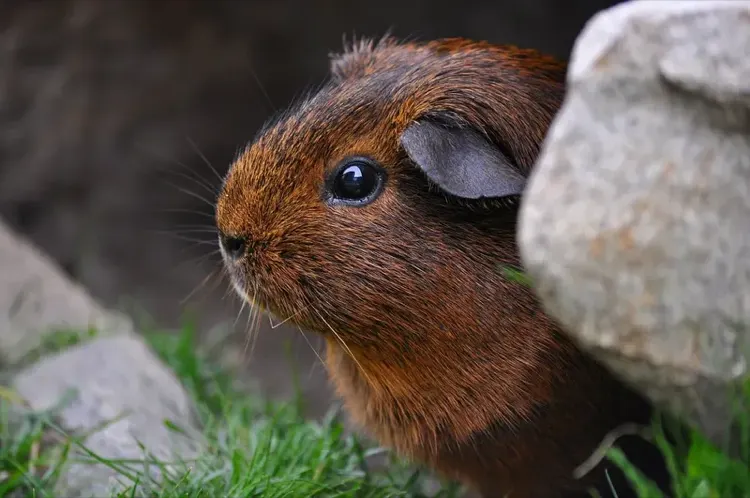

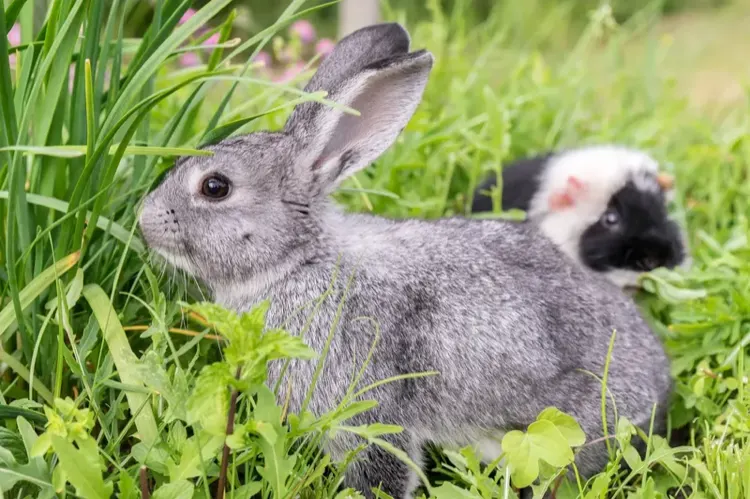
Should you get a guinea pig or a rabbit? They look similar at first glance, but the differences in lifespan, space, and daily care are big enough to change your routine completely.
Guinea pigs live 5 to 7 years and need modest cage space. Rabbits can reach 7 to 11 years and require an 8 square foot cage plus a 22 square foot play area.
Here are 10 key differences that’ll help you pick the right pet.
Guinea Pig vs Rabbit: The 10 Key Differences
Most people grow up seeing rabbits everywhere, from Bugs Bunny to pet store windows. Guinea pigs aren’t as famous in pop culture, but they’ve built a loyal fanbase among small-pet owners.
Rabbits aren’t actually rodents, though they share some similarities with guinea pigs. Up to 40% of mammal species are rodents, ranging from rats to the giant Capybara.
Let’s dig into the differences.
1. Average Lifespan
Owning a pet is a big responsibility. You’ve got to be committed to providing love and care for years to come.
Both guinea pigs and rabbits expect that from you.
Think about where you’ll be in 2 years. If your job or living situation might change, that’s worth considering before getting a pet.
Pet ownership isn’t easy, and it’s a long-term commitment.
Guinea pigs are sturdy and rarely suffer from health problems, but their little bodies are fragile and require gentle handling.
What Is the Average Lifespan of Guinea Pigs?
The life expectancy of guinea pigs is five to seven years or even longer. With proper care, their lifespan increases compared to guinea pigs living in the wild.
Guinea pig lifespan differs for each breed. Some breeds only live for up to 5 years.
What Is the Lifespan of Rabbits?
Rabbits outlive guinea pigs. Depending on the breed, rabbits live between 7 and 11 years.
The lifespan of different breeds of rabbits varies quite a bit. One who certainly caught our eyes is Mick Jr the Rabbit, recorded at around 16 years old before making it to the record books.
2. Sleeping Routine
Your pet’s sleeping routine plays a big role in daily life. It helps to know when your pets are up and when it’s bedtime, especially if your time at home is limited.
What Is the Sleeping Routine of Guinea Pigs?
Guinea pigs rarely sleep for long stretches. They stay up for about 20 hours through the day and are crepuscular, meaning they’re most active at dusk and early morning.
To stay healthy, a guinea pig needs 4 to 6 hours of sleep a day. They never sleep for more than a couple of minutes at a time, though.
That’s a habit inherited from their wild ancestors.
When they’re not moving and have their eyes open, you can assume it’s nap time for your guinea pig.
What Is the Sleeping Routine of Rabbits?
Rabbits are day sleepers. They sleep around 6 to 8 hours in the morning, so your rabbit won’t be watching you head off to work at 8:00 a.m.
They’ll be up all night either playing or, if they’re too attached to their owners, crawling into bed with you in the middle of the night.
3. Guinea Pig vs Rabbit Diet
Both pets require a mixed diet of hay, food pellets, and occasional fresh vegetables and fruits. Rabbits tend to eat more because of their bigger size, so factor that into your grocery budget.
Their diets look similar on the surface, but there are important differences.
What Is a Healthy Guinea Pig Diet?
Timothy hay provides a great amount of fiber and is low in calcium, which is exactly what your guinea pig needs. You can also get ready-made pellets from the pet shop.
About 1/8 cup of pellets is sufficient for your guinea pig.
Guinea pigs need a daily dose of raw, fresh vegetables and fruits because they need large amounts of vitamin C. They shouldn’t eat food rich in calcium, as this mineral causes bladder and kidney stones.
Be careful with what you feed your guinea pig, as not all human-healthy food is safe for them. Never feed your guinea pigs food made for rabbits, since they have different nutritional needs.
What Is a Healthy Diet for Rabbits?
In a home environment, a pet bunny needs about 1/2 cup of commercial pellets daily. Mix those with carrots, hay, leafy greens, and other vegetables.
Don’t feed your animals food made for other species. Although guinea pig and rabbit diets look similar, these two animals need different nutrients.
Guinea pigs need larger amounts of vitamin C, while rabbits don’t.
4. Playtime
Playtime is essential for your pet’s health and helps build a strong bond between you. It’s okay to leave your pet for the day, but make sure their basic needs are met.
Guinea pigs play around 2 to 4 hours a day, with or without you, so setting up a play area in their cage is important. Rabbits’ playtime ranges from 15 minutes to 5 hours depending on their mood.
Both rabbits and guinea pigs are social animals. One rabbit, just like one guinea pig, feels lonely.
It’s best to have more than one of whichever pet you choose.
Guinea pigs tend to suffer from depression if they’re lonely and don’t get enough attention. The same applies to rabbits, who live in colonies in the wild and instinctively seek company.
If you plan to have more guinea pigs, make sure they’re the same sex. Male guinea pigs become sexually mature at only three weeks old, so separate them from females early to avoid surprise baby guinea pigs.
Unlike guinea pigs, rabbits can live happily in all pairings: male/female, female/female, and male/male. They’re also comfortable in larger mixed groups.
5. Cage Size
Both rabbits and guinea pigs live in cages, and the right setup improves their stress levels and health in the long run. Preparing the cage before bringing your pet home makes a huge difference.
The more pets you have, the bigger the space they need. You’ll also need room for food bowls, water bottles, and a litter tray, since both pets can be litter-trained.
How Large Should a Cage for Guinea Pigs Be?
A 7.5 square foot cage for one and a 10 square foot cage for two is sufficient. You can include the play area within that size range.
Guinea pigs don’t need many accessories, but they do require a hideout that makes them feel safe. They also like tunnels and space to roam freely.
Remember that guinea pigs can’t climb or bend their backs. Check out some cages for small spaces if you’re tight on room.
How Large Should a Cage for Rabbits Be?
An 8 square foot cage with a 22 square foot play area is perfect for one or a pair of bunnies. Just like guinea pigs, rabbits need their own toys to play with.
There are plenty of toys you can give to your rabbits.
6. Affection
After about a month with your pets, you’ll start seeing those magical moments of affection. Both species can form strong bonds with their owners.
Do Rabbits Show Affection?
Absolutely. Rabbits show affection when they feel comfortable around you.
Nudging, head butting, or rubbing against you is how a rabbit shows it cares.
A rabbit’s way of saying “I love you” is similar to cats: a small bop from their nose, lying flat on the floor, and even cuddling.
Do Guinea Pigs Show Affection?
Yep. Guinea pigs show affection to their owners too.
They tend to make loud noises and jump (popcorn) when they sense your presence.
Both pets are highly intelligent. They can understand their names, recognize their owners’ gestures, and learn new tricks.
7. Angry Mode
Every pet has moments when they don’t want to be touched. Knowing the warning signs helps you avoid stress for both you and your pet.
How Do Guinea Pigs Show Their Anger?
Guinea pigs show their anger through hissing noises and teeth chattering. When you hear these sounds, it’s best to give them space to cool down.
How Do Rabbits Show Their Anger?
A rabbit’s long ears are a big clue. When the ears are pointed backward and downward towards their belly, it’s best not to touch them.
8. Poop and Pee
Keeping your pets’ cage clean is a must. Plan for a 10-minute routine of cleaning their waste when you get home or early in the morning.
A clean cage reflects directly on your pet’s wellbeing.
How Often Do Guinea Pigs Pee?
Guinea pigs pee around 100 times a day. Their urine colors vary from brown to orange to clear.
They pee almost every 20 minutes, so it’s best not to hold them for too long at once.
How Often Do Rabbits Pee?
Rabbits pee about 200 to 300 times a day. Their urine colors also vary from brown to orange to clear.
Like guinea pigs, they pee roughly every 20 minutes, so keep that in mind when handling them.
9. Communication
Both guinea pigs and rabbits communicate with their owners, but they do it in very different ways.
How Do Guinea Pigs and Rabbits Communicate?
Guinea pigs wheek and squeak to their owners. They tend to be much more vocal than rabbits and aren’t shy about letting you know what they want.
Rabbits give off soft noises to their owners. Being quiet is just part of a rabbit’s nature, though they do make cute little crunchy sounds when eating.
10. Size
Rabbits are naturally the larger pet compared to guinea pigs. That size difference affects their cage needs, food portions, and play area requirements.
Although their sizes are different, the love and attention they give and receive is about the same.
What Is the Size of an Average Guinea Pig?
A guinea pig can grow between 8 to 17 inches in length. They can be quite heavy for their size, reaching up to 43 ounces when fully grown.
What Is the Size of an Average Rabbit?
The average pet rabbit weighs about 6 pounds. Some dwarf and mini breeds only reach about 4 pounds, while giant breeds can hit 10 to 15 pounds.
The largest among them weigh 20 pounds. Rabbits living in the wild are typically smaller compared to pet rabbits.
What Are the Similarities Between Guinea Pigs and Rabbits?
Both rabbits and guinea pigs are prey animals at the bottom of the food chain. They tend to hide when they’re hurt or unhealthy, so they need extra attention from owners.
An annual vet checkup is highly recommended.
When they’re healthy, they’re active, playful, have thick fur, clear glassy eyes, and eat and drink regularly. Both pets are social creatures and rarely bite.
Warning signs of illness include losing body mass, rapid hair loss, stressed breathing, enlarged teeth, abnormal lumps, and low food or water intake.
It’s best to get your pets spayed or neutered early. It’s in their DNA to find a partner and reproduce, and fixing them reduces stress and depression levels.
Both species are also afraid of sudden movements and loud noises, so be careful not to frighten them.
Final Thoughts
Both guinea pigs and rabbits make great pets, but they require real commitment. They need daily care, a proper diet, and the company of their own kind to stay happy.
If you’re not ready for a cat or dog, either of these pets is a great alternative. Whichever one you choose, the best pet is the one that fits your lifestyle and gets all the love it deserves.
Frequently Asked Questions
It's not recommended. Rabbits can accidentally injure guinea pigs with their stronger hind legs. They also have different dietary needs, especially around vitamin C. Check out more details on whether rabbits and guinea pigs can share a cage.
Guinea pigs are generally easier for beginners. They need a smaller cage, eat less food, and don't require as much exercise space. Rabbits need larger enclosures and more room to run. Both pets need daily attention and regular cage cleaning.
Rabbits typically live longer, with an average lifespan of 7 to 11 years. Guinea pigs live around 5 to 7 years. Proper diet, regular vet visits, and a clean living environment help both pets reach their full lifespan potential.
Both can be great for kids, but guinea pigs are often the better choice for younger children. They're smaller, calmer, and easier to hold. Rabbits are bigger and more active, which suits older kids who can handle a pet that needs more space.