
Your guinea pig keeps licking your hand, and you’re not sure what it means. Don’t worry, it’s a compliment.
Licking is one of the main ways guinea pigs show affection and trust.
Here’s what your guinea pig is really trying to tell you and how to build a stronger bond.
Why Does My Guinea Pig Lick Me?
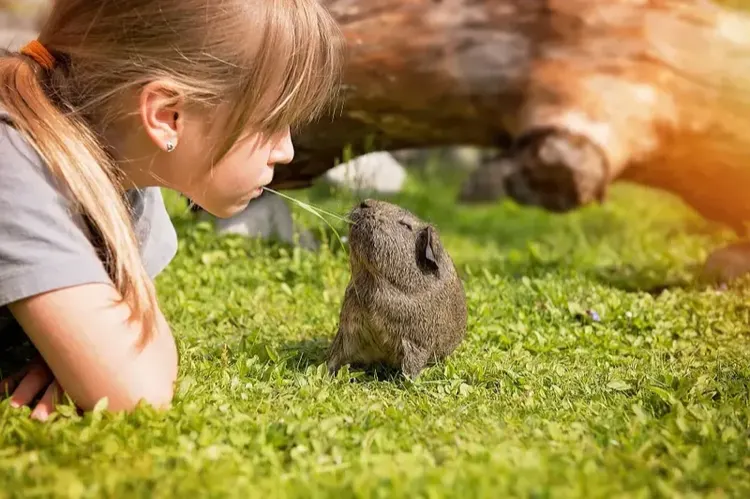
Guinea pigs lick their owners primarily out of affection and love. If your guinea pig starts licking you, it’s a good thing.
It means they like you and feel comfortable around you.
Guinea pigs also lick as a way of grooming, just like they groom themselves and their cage mates. When your pig licks your hand or arm, they’re treating you like part of their group.
Another reason for licking is salt. Guinea pigs are drawn to the natural salts on human skin, especially after you’ve been active.
While salt might be part of the attraction, consistent licking from a bonded guinea pig is primarily an affection signal.
Is Licking a Good Thing?
It’s a great sign. It means your guinea pig trusts you and feels safe in your presence.
Guinea pigs that lick their owners have typically formed a strong bond with them.
Licking won’t give you an infection. It’s a harmless and positive behavior that shows your guinea pig is happy and comfortable.
If you want to encourage it, keep calm and let them lick without pulling your hand away.
Don’t confuse licking with biting, though. Licking is gentle and deliberate, while biting is quick and often comes from fear or pain.
If your guinea pig bites, it’s usually a signal that something is wrong, whether they’re scared, in pain, or feeling threatened.
Licking vs. Biting: What’s the Difference?
Licking is a sign of affection and bonding. Biting is a sign of fear, discomfort, or overstimulation.
Here’s how to tell them apart:
- Licking: Gentle, repeated tongue movements on your skin. Your guinea pig will be relaxed, possibly purring softly.
- Nibbling: Very light, quick contact with teeth. Often exploratory and not aggressive. This is sometimes a precursor to licking.
- Biting: Sudden, hard contact that may break skin. Your guinea pig is usually tense, and it’s often preceded by warning sounds like teeth chattering.
If your guinea pig bites you, don’t yell or react harshly. Gently return them to their cage and give them some space.
Look for the cause of the stress, whether it’s noise, another pet, or handling they weren’t ready for.
How Do Guinea Pigs Show Love and Affection?
Guinea pigs have several ways of showing they love and trust you:
They Don’t Bite You
If your guinea pig never bites you, that’s a strong sign of trust. Guinea pigs only bite when they’re scared or uncomfortable.
A relaxed pig that lets you handle it without nipping has formed a real bond with you.
They Eat From Your Hand
A guinea pig that eats directly from your hand feels completely safe around you. This is one of the best bonding milestones.
Try offering small pieces of their favorite vegetables to strengthen this connection.
They Seek Out Your Company
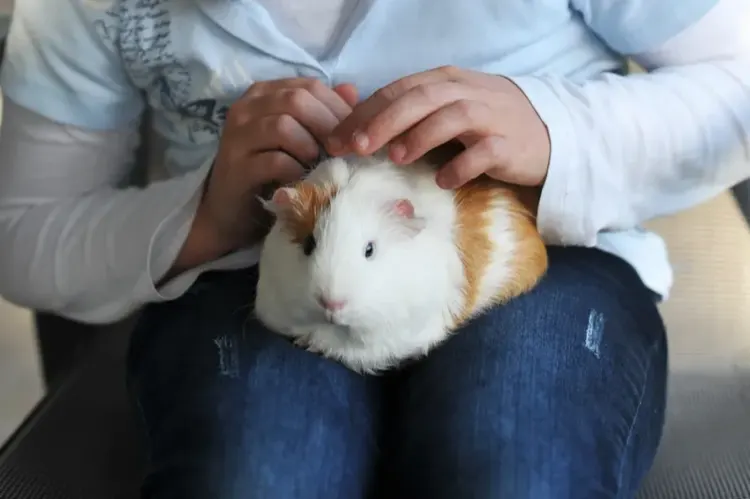
If your guinea pig comes to the edge of the cage when you walk by, wheeks at the sound of your voice, or settles into your lap during cuddle time, they genuinely enjoy being around you. Guinea pigs that love to cuddle are showing deep trust.
They Popcorn Around You
Popcorning is when guinea pigs jump and twist in the air from excitement. If your guinea pig does this when you approach, it means they’re thrilled to see you.
It’s one of the most joyful behaviors guinea pigs display.
They Purr When You Pet Them
A low, rumbling purr while being stroked is a sign of contentment. It means your guinea pig is relaxed and enjoying the interaction.
If the purr is high-pitched or accompanied by tensing up, though, they might be annoyed or uncomfortable.
How to Strengthen Your Bond
Building trust takes patience. The payoff is a pet that licks you, cuddles with you, and gets excited when you walk into the room.
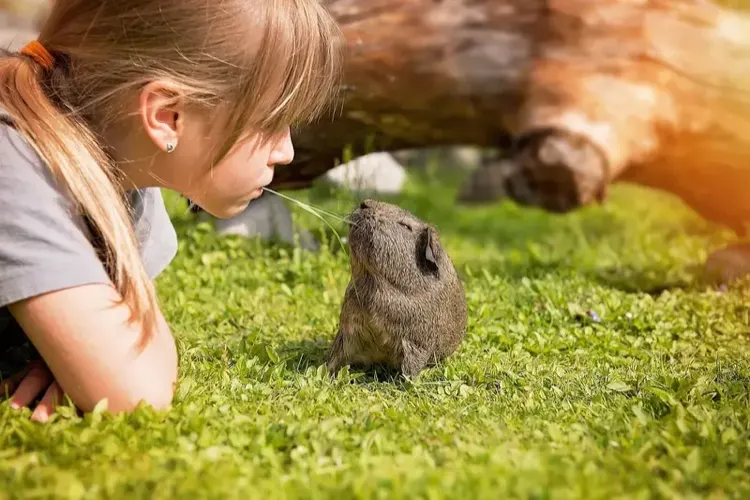
Talk to your guinea pig in a calm, gentle voice every day. They’ll learn your voice and link it to safety.
Hand feeding is one of the fastest ways to build trust. Start with favorites like bell peppers or romaine lettuce.
Sit near their cage without reaching in. Let them get used to your presence first.
Once they approach you on their own, gently pick them up and hold them against your chest.
Keep a consistent routine. Guinea pigs thrive on predictability.
If you feed them, clean their cage, and play with them at the same times each day, they’ll feel more secure. You can also try training your guinea pig using treats as positive reinforcement.
Guinea Pig Body Language Basics
Understanding your guinea pig’s body language helps you respond to their needs and strengthen your bond:
- Wheeking: Loud, high-pitched squealing, usually because they want food or attention
- Purring: Low vibration sound indicating contentment when relaxed, or annoyance if high-pitched
- Teeth chattering: A warning sign that they’re irritated or feeling threatened
- Freezing: Standing completely still means they’re scared and assessing danger
- Popcorning: Jumping in the air from happiness and excitement
Final Thoughts
When your guinea pig licks you, it’s one of the clearest signs of affection they can give. It means they trust you, feel safe, and consider you part of their social group.
Not every guinea pig will lick, and that’s okay. Pay attention to all their body language signals, from purring to popcorning, to understand how your individual pig shows love.
The more time and patience you invest in building that bond, the more rewarding your relationship with your guinea pig will be.
Frequently Asked Questions
A lick followed by a gentle nip usually means your guinea pig has had enough handling or something is bothering them. It's not aggression but a polite request to stop. Pay attention to this signal and gently return them to their cage before it escalates.
Guinea pig saliva is generally harmless to healthy humans. There's minimal risk of disease transmission from licking. People with compromised immune systems should wash the area after contact as a precaution, but for most owners, guinea pig licking poses no health concerns at all.
Not all guinea pigs lick, and that's perfectly normal. Some show affection through other behaviors like purring, popcorning, or simply seeking your company. Personality varies widely between individual guinea pigs, and a non-licker can still be deeply bonded and affectionate toward its owner.
Most guinea pigs start licking their owners after a few weeks to a couple of months of consistent, gentle handling and hand feeding. Naturally affectionate pigs may start sooner, while shy ones take longer. Patience and daily positive interactions are the best way to encourage it.